yoga bag
CN → US| HS编码 | 关税税率 | 原产国 | 目的国 | 文档 |
|---|---|---|---|---|
| 4202923131 | 52.6% | CN | US | 官方文档 |
| 4202923120 | 52.6% | CN | US | 官方文档 |
| 3926909989 | 22.8% | CN | US | 官方文档 |
| 3926909905 | 22.8% | CN | US | 官方文档 |
商品图片
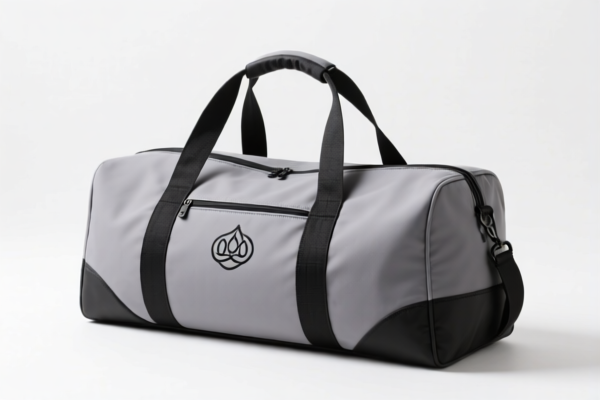
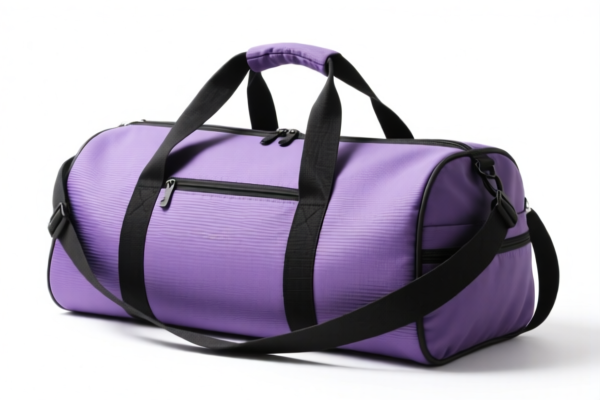
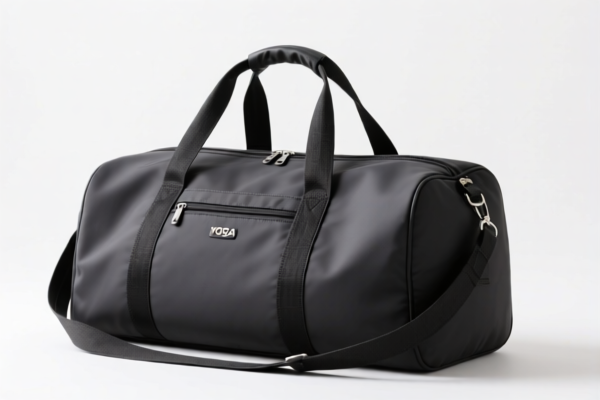
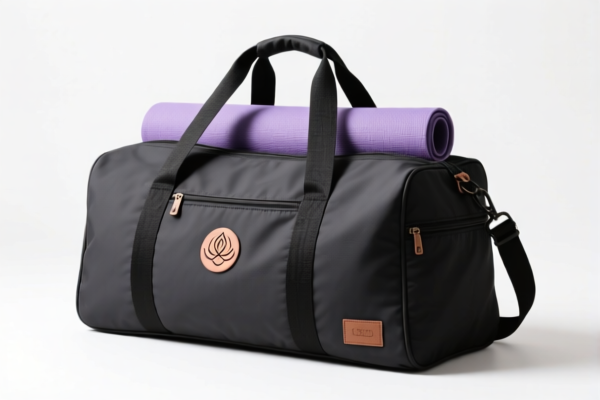
AI分析
🧘♀️ Yoga Bag (Yoga Mats, Straps, and Accessories)
🌐 HS Code Reference & Customs Clearance Guide | 2026 Latest Tariff Analysis | Professional-Level Strategy
📌 Part 1: Product Definition & Classification: Do You Really Know What a "Yoga Bag" Is?
In international trade, a "Yoga Bag" is a broad term. It typically refers to either: 1. Containers: Bags specifically designed to carry yoga mats, blocks, and straps (Backpacks, Sling Bags, Tote Bags). 2. Content (Less Common for this HS Code): The yoga mat itself (which usually falls under Chapter 39 or 63, but NOT Chapter 42).
Based on the provided <DATA>, we are strictly analyzing bags/containers made of textiles or plastics used for carrying yoga accessories.
⚠️ Critical Distinction:
- If the item is a bag (backpack, shoulder bag, tote) made of textile or plastic sheeting → Chapter 42.
- If the item is the yoga mat itself (rubber/TPE foam) → Not in this data set (Usually 3926 or 6307).
- Focus of this Guide: Bags/Containers for Yoga Gear.
📦 Part 2: HS Code Classification Details (2026 Latest Tariff Authority)
Based on the provided JSON data, here are the specific HS Codes and their tax implications for "Yoga Bags" (categorized as Travel, Sports, or General Plastics Articles).
| HS Code | Product Description | Applicable Scenario | Material Type |
|---|---|---|---|
4202.92.31.31 |
Trunks, suitcases, bags...: Other: With outer surface of sheeting of plastics or of textile materials: Travel, sports and similar bags: With outer surface of textile materials: Of man-made fibers Other | General yoga totes, canvas yoga bags, sling bags (Non-backpack) | Textile (Man-made) |
4202.92.31.20 |
Trunks, suitcases, bags...: Other: With outer surface of sheeting of plastics or of textile materials: Travel, sports and similar bags: With outer surface of textile materials: Of man-made fibers Backpacks | Yoga backpacks (with straps for back carrying) | Textile (Man-made) |
3926.90.99.89 |
Other articles of plastics: Other | Plastic yoga mat cases, hard-shell plastic yoga holders | Plastic (Non-elastomeric) |
3926.90.99.05 |
Other articles of plastics: Other: Other Elastic bands made wholly of plastics | Note: Likely misaligned for "bags", but included in data for plastic yoga accessories | Plastic (Elastic) |
🔍 Key Insight:
- Most standard fabric/canvas yoga bags fall under 4202.92.31.xx.
- Hard plastic yoga mat cases fall under 3926.90.99.
- The tax rate differs significantly between Textile Bags (0%) and Plastic Articles (12.8%).
💰 Part 3: 2026 Latest Tariff Rate Breakdown (Including Surcharges)
✅ Applicable Country: United States (US)
✅ Origin: China (CN)
✅ Effective Date: Post-November 2025
🎯 1. 4202.92.31.31 & 4202.92.31.20 — Textile Yoga Bags (Backpacks & Others)
| Item | Content |
|---|---|
| Base Tariff | 0.0% |
| Surcharges (Section 301/IEEPA) | 0.0% |
| Total Tax Rate | 0.0% |
| Tax Calculation | CIF Value × 0% = $0 |
| De Minimis Eligibility | ✅ Yes (If value < $800, generally duty-free for de minimis shipments, but even above, base rate is 0) |
| Legal Basis | HTSUS:4202.92.31 |
📌 Explanation:
- Why 0%? These are classified as "Other" textile bags. Unlike certain electronics or steel/aluminum products, standard textile bags do not currently attract the high 25% Section 301 tariffs or the additional IEEPA surcharges listed in the provided data.
- Cost Advantage: This is a highly favorable classification for exporters. You pay NO customs duty on these goods.
🎯 2. 3926.90.99.89 — Plastic Yoga Accessories/Cases
| Item | Content |
|---|---|
| Base Tariff | 5.3% |
| Surcharges (Section 301/IEEPA) | 7.5% |
| Total Tax Rate | 12.8% |
| Tax Calculation | CIF Value × 12.8% |
| De Minimis Eligibility | ❌ No (High tariff items often excluded from de minimis benefits depending on specific CBP enforcement, but primarily, the cost is high) |
| Legal Basis | HTSUS:3926.90.99 + USITC Footnotes |
📌 Explanation:
- Why 12.8%? These are considered "Other articles of plastics." The base rate is 5.3%, and an additional 7.5% is applied (likely under Section 301 or specific trade action provisions for certain plastics).
- Cost Impact: Significant. A $100 plastic yoga case incurs $12.80 in duties.
🎯 3. 3926.90.99.05 — Plastic Elastic Bands (Unlikely for "Bag", but for completeness)
| Item | Content |
|---|---|
| Total Tax Rate | 12.8% |
| Breakdown | Base 5.3% + Surcharge 7.5% |
📌 Note: Only relevant if you are importing plastic elastic components, not the bag itself.
🛠️ Part 4: Customs Clearance Practical Advice (Real-World Pitfall Guide)
✅ 1. Documentation Checklist (Must-Haves)
| Document | Required | Description |
|---|---|---|
| ✅ Commercial Invoice | ✔️ | Must clearly state: "Yoga Bag, Canvas, Man-made Fiber" for 4202 codes. Do NOT just write "Bag". |
| ✅ Packing List | ✔️ | Detail contents. If bags contain yoga mats, ensure mats are not declared under the bag's code. |
| ✅ Material Composition Statement | ✔️ | Critical for Chapter 42. Specify: "Outer: Polyester (Man-made), Inner: Cotton". |
| ✅ Photos of Product | ✔️ | Show handles, zippers, and backpack straps (if claiming 4202.92.31.20). |
✅ 2. Declaration Tips (Key Mantras)
🔥 “Textile Bag 0%, Plastic Case 12.8%. Be Precise!”
| Scenario | Correct HS Code | Incorrect Action | Consequence |
|---|---|---|---|
| Canvas/Yoga Backpack | 4202.92.31.20 |
Declare as Plastic (3926) |
Overpay 12.8% |
| Tote Bag (No backpack straps) | 4202.92.31.31 |
Declare as Backpack (4202.92.31.20) |
Risk of misclassification audit, though tax is same (0%) |
| Hard Plastic Yoga Case | 3926.90.99.89 |
Declare as Textile (4202) |
Severe Penalty (Evasion) + 12.8% back-tariff |
| Yoga Mat (Inside the bag) | Not in Data (Usually 3926/6307) | Declare as part of Bag | If Mat is TPE, it may have different tariffs. Best to separate |
✅ 3. Special Case Handling
| Situation | Advice |
|---|---|
| Bag contains a Yoga Mat | Separate Declaration Recommended. Declare Bag under 4202 (0%) and Mat under its own code. Combining them may risk the bag being classified as a "set" with the mat's tariff profile. |
| Material: Nylon vs. Polyester | Both are "Man-made fibers" under 4202.92.31.xx. Tax is 0% for both. |
| Material: Leather? | If the yoga bag is leather, it falls under 4202.11/4202.12 (not in this data set). Check new data for leather bags (often 0-10%). |
| Plastic "Elastic" Bags | If it’s a stretchy plastic sack, check 3926.90.99.05 (12.8%). Avoid if possible due to tax. |
🌍 Part 5: Global Market Comparison (2026)
| Country/Region | Recommended HS Code | Tariff | Notes |
|---|---|---|---|
| 🇺🇸 USA | 4202.92.31.20 / .31 |
0.0% | Best market for textile yoga bags due to 0% duty. |
| 🇺🇸 USA | 3926.90.99.89 |
12.8% | Plastic cases are expensive to import. |
| 🇪🇺 EU | 4202.92.xx | ~3.5% - 12% | Check EORI/VAT rules. |
| 🇨🇳 China | 4202.92.xx | 0% - 5% | Low duty for export/import within supply chain. |
📌 Conclusion:
- Textile Yoga Bags (Backpacks/Totes) are highly competitive in the US market due to the 0% tariff.
- Plastic Yoga Cases are less competitive due to the 12.8% combined tariff.
📌 Part 6: Common Mistakes & Pitfalls (Blood Lessons)
❌ Mistake 1: Declaring a Nylon Backpack as "Plastic Product" (3926).
👉 Result: Pay 12.8% unnecessarily. You lose $12.80 per $100.
❌ Mistake 2: Declaring a Plastic Case as "Textile Bag" (4202).
👉 Result: Customs seizure, fines, and back-payment of 12.8% + penalties.
❌ Mistake 3: Ignoring the Bag vs. Mat distinction.
👉 Result: If the yoga mat inside is made of PVC/TPE, it may have its own tariff. Including it in the bag declaration might trigger scrutiny.
❌ Mistake 4: Using vague terms like "Yoga Kit".
👉 Result: CBP (Customs Border Protection) will classify it under the highest duty component or hold it for inspection.
✅ Correct Practice:
"Canvas Yoga Tote Bag, Polyester Lining, Man-made Fiber, Textile Material, HTS 4202.92.31.31"
🎯 Part 7: Conclusion: Professional Declaration, Cost Optimization!
🎯 Remember the Mantra:
🔹 "Textile Bag = 0% Tax. Plastic Case = 12.8% Tax. Choose Wisely!"
🔹 "Be Specific: Backpack vs. Tote, Textile vs. Plastic. Precision Saves Money!"
📌 Pro Tip:
If you are importing large volumes of yoga bags to the US, ensure your supplier provides a Material Test Report proving the outer shell is Textile (Polyester/Nylon) and not Plastic-coated. This ensures your 0% tariff status remains undisputed during customs audits.
📣 Immediate Action:
📞 Contact your freight forwarder with the exact HS Code (
4202.92.31.20for backpacks,4202.92.31.31for totes).
🚀 Maximize your margin by leveraging the 0% duty rate for textile yoga bags!
✨ Professional Customs Clearance Starts with Accurate Classification!
💼 Every Percent Counts in Your Bottom Line!
用户评价
关于 HS 编码归类
协调制度(HS)是由世界海关组织(WCO)制定的国际贸易商品分类标准。全球 200 多个国家采用 HS 系统作为海关关税、贸易统计和进出口监管的基础。
每个 HS 编码遵循以下层级结构:
- 章(2 位)——商品大类(例如:第 84 章:机器和机械设备)
- 品目(4 位)——章内的更具体分类
- 子目(6 位)——国际通用细分,所有 WCO 成员国统一使用
- 本国细分(8-10 位)——各国自行扩展的细分编码,如美国 HTSUS 10 位编码
正确的 HS 编码归类对于顺利通关、准确缴纳关税和遵守贸易法规至关重要。错误归类可能导致海关延误、多缴关税或罚款。
从CN进口到US时,适用的关税税率可能包括:
- 最惠国(MFN)税率——适用于 WTO 成员国的标准关税税率
- 普通税率——适用于无贸易协定国家
- 贸易救济关税——附加关税,如 301 条款(反倾销)、232 条款(国家安全)或反补贴税
本页内容仅供参考。如需正式归类,请咨询当地海关或持牌报关代理。