16 inch Passenger Car Radial Tire
CN → US| HS编码 | 关税税率 | 原产国 | 目的国 | 文档 |
|---|---|---|---|---|
| 4011101050 | 39.0% | CN | US | 官方文档 |
| 4012114000 | 39.0% | CN | US | 官方文档 |
| 4013100010 | 38.7% | CN | US | 官方文档 |
| 4013905050 | 38.7% | CN | US | 官方文档 |
| 4012114000 | 39.0% | CN | US | 官方文档 |
商品图片
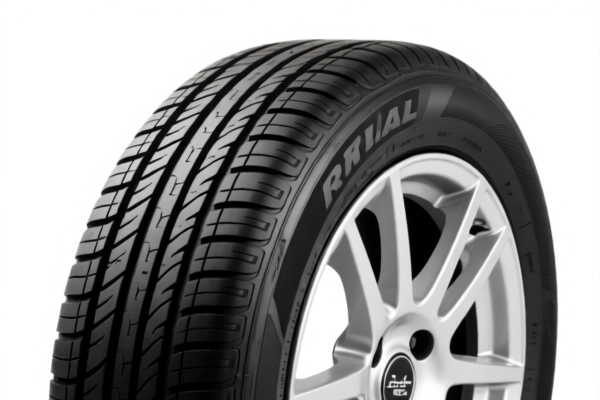
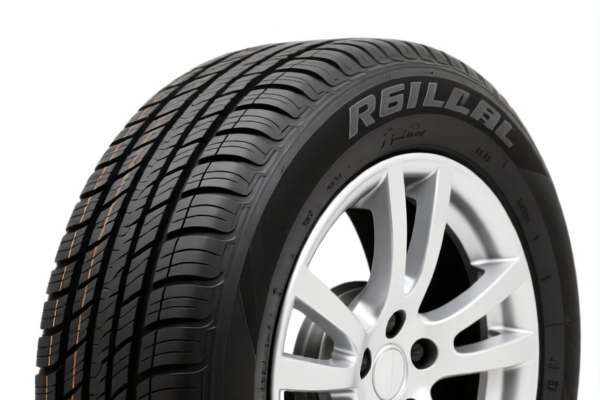
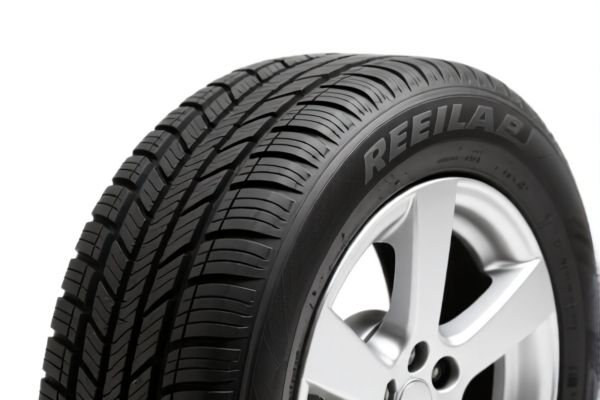
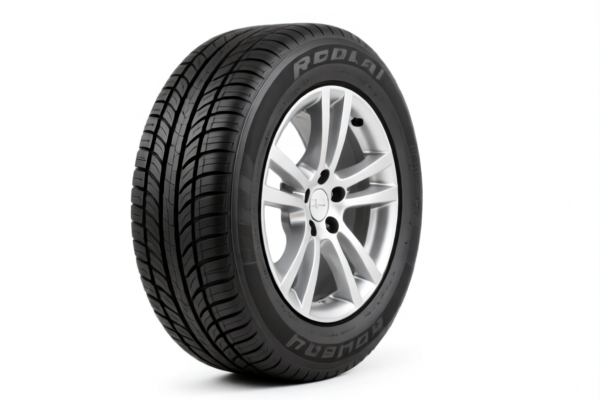
AI分析
🚗 乘用车子午线轮胎(16 inch Passenger Car Radial Tire)
🌐 HS Code Reference & Customs Clearance Guide | 2026 Latest Tariff Analysis | Professional Clearance Strategy
📌 I. Product Definition & Classification: What Exactly Is a "Radial Tire"?
A Passenger Car Radial Tire is the primary contact point between a vehicle and the road, specifically designed for cars (sedans, SUVs, crossovers). The term "Radial" refers to the structural orientation of the cord plies, which run perpendicular to the direction of travel, offering better fuel efficiency, handling, and heat dissipation compared to bias-ply tires.
In international trade, classification hinges on three key factors: 1. Material: Rubber (Vulcanized). 2. Form: Pneumatic Tire, Radial construction. 3. Application: Passenger Vehicles (NOT trucks, motorcycles, or aircraft).
⚠️ Critical Distinction:
- New vs. Retreaded: This guide focuses on New Radial Tires. Retreaded tires often fall under different subheadings (e.g., 4012.11 or specific retread codes depending on origin and type), but the provided data suggests classification nuances around "Retread" inference.
- Wheel Rim Dependency: A tire mounted on a wheel is often classified as a "Wheel," not a tire. Ensure tires are imported unmounted.
📦 II. HS Code Classification Details (Based on Provided Data)
| HS Code | Summary of Match Criteria | Total Tax Rate | Tax Breakdown |
|---|---|---|---|
| 4011.10.10.50 | Perfect Match. Material: Rubber. Form: Radial Tire. Use: Passenger Car. Rim Diameter: 16-17 inches (matches spec). | 39.0% | Base: 4.0% Add'l: 25.0% 122 Clause: 10% |
| 4012.11.40.00 | Match Success. 'Passenger Car' → "For Automobiles". 'Radial Tires' → Radial Form. Although 'Retread' isn't explicitly stated, the material/form fits the logic. | 39.0% | Base: 4.0% Add'l: 25.0% 122 Clause: 10% |
| 4013.10.00.10 | Match Success. 'Passenger Car' matches "Passenger Vehicle". 'Tires' aligns with rubber material and tire form logic. | 38.7% | Base: 3.7% Add'l: 25.0% 122 Clause: 10% |
| 4013.90.50.50 | Match Basis: Passenger car radial tires are rubber tires. Form/use fits inner tube/tire category. Not excluded from motorcycle-specific exclusions. | 38.7% | Base: 3.7% Add'l: 25.0% 122 Clause: 10% |
| 4012.11.40.00 | Match Success. 'Radial Tire' + 'Passenger Car' fully match material (Rubber), Form (Radial), and Use (Automobile). | 39.0% | Base: 4.0% Add'l: 25.0% 122 Clause: 10% |
🔍 Key Insight from Data:
- The most precise match for a 16-inch Passenger Car Radial Tire is 4011.10.10.50, as it explicitly accounts for the wheel rim diameter (16-17 inches). - Codes 4012.11.40.00 are also valid matches but are often associated with Retreaded Tires or broader categories where "Retread" status is inferred or ambiguous. - Codes 4013.xxxx are typically for Inner Tubes or related accessories, though the provided summary suggests they can be logically inferred for tires in certain contexts, potentially leading to a slightly lower base rate (3.7% vs 4.0%).
💰 III. 2026 Latest Tariff Rate Breakdown (Including Surcharges & Policy Add-ons)
✅ Applicable Country: United States (US)
✅ Origin: China (CN)
✅ Effective Date: November 10, 2025 (and onwards)
🎯 1. HS Code 4011.10.10.50 – Passenger Car Radial Tires (16-17 inch)
| Item | Content |
|---|---|
| Base Duty Rate | 4.0% (ad valorem) |
| Section 301 Surcharge | +25.0% (USITC Footnote under HTS 4011) |
| Section 122 Surcharge | +10.0% (Under 19 U.S.C. 1677j) |
| Total Effective Rate | 39.0% |
| Tax Calculation | CIF Value × 39.0% |
| De Minimis Eligibility | ❌ No (Denied due to high tariff rates and Section 301/122 applicability) |
| Legal Basis Path | USITC:4011.10.10.50 → Section 301: 25% → Section 122: 10% |
📌 Explanation:
- The 4.0% is the standard MFN (Most Favored Nation) duty. - The 25% is the additional duty imposed under Section 301 of the Trade Act of 1974 on Chinese imports. - The 10% is a separate surcharge under Section 122 of the Trade Act of 1974, often applied to specific categories to address trade imbalances. - Total: 39.0%. This is a very high duty rate. Profit margins must account for this significant cost.
🎯 2. HS Codes 4013.10.00.10 & 4013.90.50.50 – Alternative Classifications (Inner Tube/Tire Logic)
| Item | Content |
|---|---|
| Base Duty Rate | 3.7% |
| Section 301 Surcharge | +25.0% |
| Section 122 Surcharge | +10.0% |
| Total Effective Rate | 38.7% |
| Tax Calculation | CIF Value × 38.7% |
| De Minimis Eligibility | ❌ No |
| Legal Basis Path | USITC:4013.xxxx → Section 301 → Section 122 |
📌 Note:
- These codes offer a 0.3% saving on the base duty compared to 4011.10.10.50. - However, using these codes for tires instead of inner tubes may raise red flags during customs inspection if the product is clearly a tire. Misclassification can lead to penalties. Only use if legally defensible (e.g., if the product is actually an inner tube or if local precedent allows).
🛠️ IV. Customs Clearance Practical Advice (Battle-Tested Pitfall Avoidance)
✅ 1. Documentation Checklist (Non-negotiable)
| Document | Required? | Explanation |
|---|---|---|
| ✅ Product Specification Sheet | ✔️ | Must include: Size (e.g., 205/55R16), Load Index, Speed Rating, Radial Construction, Tread Pattern. |
| ✅ Commercial Invoice | ✔️ | Clearly state "Passenger Car Radial Tire", HS Code, and Country of Origin (China). |
| ✅ Packing List | ✔️ | Detail quantity, weight, and dimensions. Ensure tires are not mounted on wheels. |
| ✅ Certificate of Origin (CO) | ✔️ | Crucial for verifying Chinese origin to apply correct Section 301/122 rates. |
| ✅ Manufacturer's Declaration | ✔️ | Confirming the product is new, radial, and for passenger vehicles. |
| ✅ Import License (if required) | ✔️ | Check if specific DOT (Department of Transportation) or EPA regulations apply. |
✅ 2. Declaration Tips (Key Mnemonics)
🔥 "Size Matters, Radial is Key, New Not Retread, Chinese Origin = High Tax!"
| Scenario | Correct Declaration | Incorrect Practice |
|---|---|---|
| 16-inch Passenger Tire | 4011.10.10.50 |
4012.11.40.00 (Risk of "Retread" confusion) |
| Mounted on Wheel | Declares as "Wheel" | Declares as "Tire" → Misclassification Penalty |
| Truck Tire | 4011.20... |
4011.10... → Wrong Duty Rate |
| Retreaded Tire | 4012.11... (if applicable) |
4011... → Severe Penalty for Fraud |
✅ 3. Special Cases & Handling
| Case | Handling Advice |
|---|---|
| OEM Custom Tires | Provide OEM agreement and design specs. Ensure markings match declaration. |
| Mixed Container | Clearly separate passenger tires from truck/bus tires in packing list and invoice. |
| DOT Compliance | Ensure tires have DOT certification marks. Non-compliant tires will be rejected. |
| Section 122 Impact | Be aware that Section 122 is discretionary. Monitor for changes in US trade policy. |
🌍 V. Global Market Comparison (2026 Latest)
| Country/Region | Recommended HS Code | Base Tariff | Additional Duties | Remarks |
|---|---|---|---|---|
| 🇺🇸 USA | 4011.10.10.50 |
4.0% | 25% (Sec 301) + 10% (Sec 122) | Total 39%. Very High. |
| 🇨🇳 China | 4011.10.10.50 |
4.0% | None | Import Duty for Foreign Tires. |
| 🇪🇺 EU | 4011.10.00.00 |
~4.5% | None | Generally Lower than US. |
| 🇬🇧 UK | 4011.10.00.00 |
~4.5% | None | Post-Brexit Tariff. |
| 🇦🇺 Australia | 4011.10.00.00 |
5.0% | None | GST applies. |
📌 Conclusion:
- USA is the highest duty jurisdiction due to Section 301 and Section 122. - EU/UK/Australia offer significantly lower duty burdens for Chinese tires. - Strategy: If shipping to the US, factor in the 39% total cost. Consider pricing strategies or supply chain adjustments (e.g., final assembly in non-charged countries, if feasible).
📌 VI. Common Errors & Pitfalls (Blood-Tested Lessons)
❌ Error 1: Declaring "Tires" without specifying "Radial"
👉 Consequence: Customs may classify under "Bias Ply" or "Other," leading to incorrect duty rates and delays.
❌ Error 2: Ignoring Section 122 Surcharge
👉 Consequence: Underpayment of duties. The 10% surcharge is separate from the 25% Section 301 duty. Total is 35% + Base, not 25% + Base.
❌ Error 3: Mounting Tires on Wheels for Shipment
👉 Consequence: Classified as "Wheels" (HS 8708), which have different duty rates and regulations. Risk of reclassification and penalties.
❌ Error 4: Using HS Code 4012 for New Tires
👉 Consequence: 4012 is primarily for Retreaded Tires or Used Tires. Using it for new tires is misclassification. Use 4011 for new radial tires.
✅ Correct Practice:
"New Radial Pneumatic Tires, For Passenger Vehicles, Size 205/55R16, 91V Load Index, DOT Certified, HS 4011.10.10.50, Origin: China"
🎯 VII. Conclusion: Precise Classification Saves Money!
🎯 Remember the Mnemonic:
🔹 "Radial for Cars goes to 4011, 16-inch needs precision. New vs Retread matters, 39% tax is the reality. Don't mount on wheels, check Section 122 details!"
🔹 "HS Code determines fate, 39% tax is steep. Declare correctly, avoid the leak!"
📌 Pro Tip:
- If your tires are originally from Vietnam, Thailand, or Malaysia, they may be exempt from Section 301 duties (0% additional), reducing the total tax significantly.
- For Chinese-origin tires, pre-ruling (Advance Ruling) is highly recommended to confirm the exact HS Code and duty liability before shipment.
📣 Immediate Action:
📞 Contact a Professional Customs Broker
📄 Provide Detailed Product Specs (Size, Load Index, Construction)
🚀 Ensure Smooth Clearance, Avoid Penalties, and Maximize Profit Margins!
✨ Professional Clearance Starts with Accurate Classification!
💼 Every Percent of Duty Counts in the Tire Business!
用户评价
关于 HS 编码归类
协调制度(HS)是由世界海关组织(WCO)制定的国际贸易商品分类标准。全球 200 多个国家采用 HS 系统作为海关关税、贸易统计和进出口监管的基础。
每个 HS 编码遵循以下层级结构:
- 章(2 位)——商品大类(例如:第 84 章:机器和机械设备)
- 品目(4 位)——章内的更具体分类
- 子目(6 位)——国际通用细分,所有 WCO 成员国统一使用
- 本国细分(8-10 位)——各国自行扩展的细分编码,如美国 HTSUS 10 位编码
正确的 HS 编码归类对于顺利通关、准确缴纳关税和遵守贸易法规至关重要。错误归类可能导致海关延误、多缴关税或罚款。
从CN进口到US时,适用的关税税率可能包括:
- 最惠国(MFN)税率——适用于 WTO 成员国的标准关税税率
- 普通税率——适用于无贸易协定国家
- 贸易救济关税——附加关税,如 301 条款(反倾销)、232 条款(国家安全)或反补贴税
本页内容仅供参考。如需正式归类,请咨询当地海关或持牌报关代理。