2m black anti collision strip
CN → US| HS编码 | 关税税率 | 原产国 | 目的国 | 文档 |
|---|---|---|---|---|
| 3916100000 | 40.8% | CN | US | 官方文档 |
| 3926909989 | 22.8% | CN | US | 官方文档 |
| 3926305000 | 22.8% | CN | US | 官方文档 |
| 3916200091 | 40.8% | CN | US | 官方文档 |
商品图片
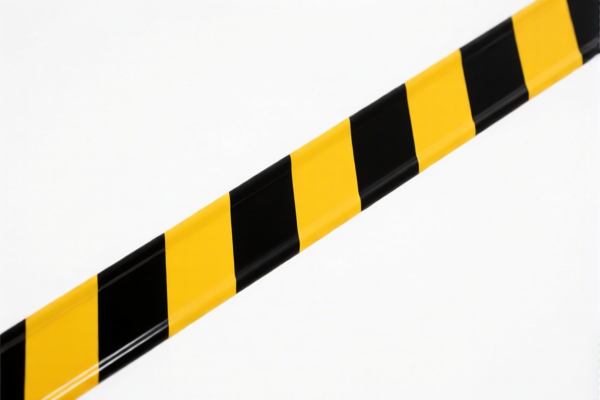
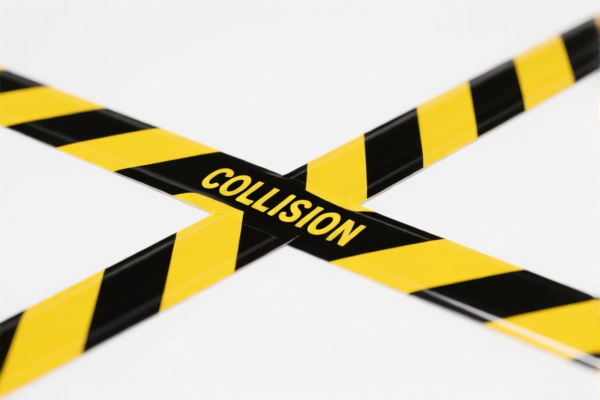
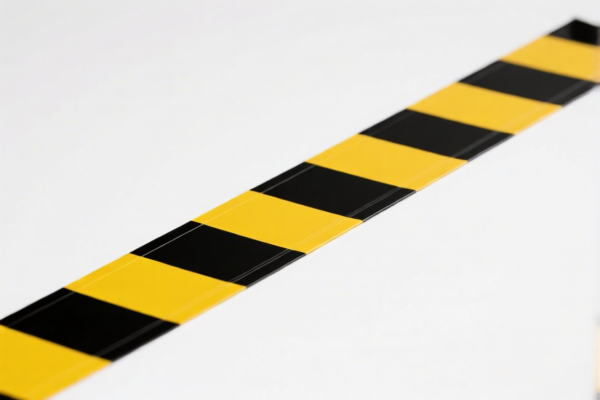
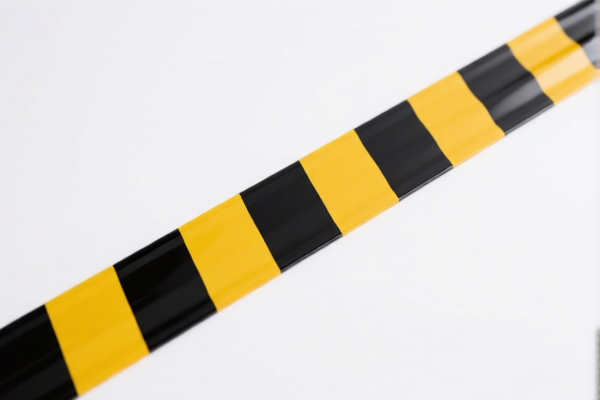
AI分析
🛡️ 2m Black Anti-Collision Strip (Rubber/Plastic Bumper)
🌐 HS Code Reference & Customs Clearance Guide | 2026 Latest Tariff Analysis | Professional Level通关策略
📌 Part 1: Product Definition & Classification: Do You Really Understand "Anti-Collision Strips"?
The 2m Black Anti-Collision Strip is a protective accessory used in industrial, logistics, automotive, and home settings to prevent impact damage. In international trade, it is primarily classified under Chapter 39 (Plastics and Articles Thereof). The key to correct classification lies in two factors: 1. Material: Is it Rubber (often grouped with plastics in HS Code 39) or Pure Plastic? 2. Form: Is it a simple profile (strip/bar) or a finished part with specific functions?
⚠️ Key Distinction Point:
- If it is a simple extruded profile (strip/bar) without complex shaping for a specific machine → HS Code 3916
- If it is a finished part with specific application (e.g., car body connector) or generic "other" status → HS Code 3926
📦 Part 2: HS Code Classification Details (2026 Latest Tariff Authority Match)
Based on the provided data, here are the four possible HS Codes for your 2m Black Anti-Collision Strip:
| HS Code | Product Description | Summary of Logic | Applicability |
|---|---|---|---|
3916.10.00.00 |
Plastic/Rubber Profiles & Shapes | Material inferred as polymer (rubber/plastic). Form matches strips/profiles. Fits "Anti-Collision Strip" perfectly with 3916 category attributes. | ✅ Best Fit for simple extruded strips |
3926.90.99.89 |
Other Plastic Articles | Material inferred as plastic. Form falls under "Other articles not specified elsewhere." Fits the "Other" category definition. | ⚠️ Acceptable if not considered a "profile" |
3926.30.50.00 |
Body-Mounted Connectors/Parts | Material: Plastic. Form & Use: Fits "Body-connectors/Other". No material or use conflict. | ⚠️ Specific to automotive/body applications |
3916.20.00.91 |
Other Plastic Bars, Rods & Profiles | Material: Plastic. Form: Bars/Rods/Profiles. Use: Non-specific "Other" non-building use. No material/form conflict. | ⚠️ Broad category for plastic profiles |
🔍 Critical Reminder:
- 3916.10 is often preferred for rubber-based anti-collision strips.
- 3916.20 and 3926.99 are common for plastic-based strips.
- The choice between 3916 and 3926 depends on whether the strip is considered a "raw profile" (3916) or a "finished article" (3926).
💰 Part 3: 2026 Latest Tariff Rate Detailed Breakdown (Including Surcharges & Policy Add-ons)
✅ Applicable Country: United States (US)
✅ Origin: China (CN)
✅ Effective Date: Current applicable rates (2025-2026)
🎯 1. 3916.10.00.00 & 3916.20.00.91 —— Profiles & Shapes (Rubber/Plastic)
| Item | Content |
|---|---|
| Basic Tariff | 5.8% (ad valorem) |
| Section 301 Surtax | +25.0% |
| Section 122 Tariff | +10.0% |
| Total Tariff Rate | 40.8% |
| Tax Calculation | CIF Value × 40.8% |
| De Minimis Eligibility | ❌ No (High tariff rate disqualifies from $800 exemption) |
| Legal Basis Path | Section 301 → Section 122 → USITC:3916.10.00.00 / 3916.20.00.91 |
📌 Explanation:
- 5.8%: Base Most Favored Nation (MFN) rate for plastic/rubber profiles.
- 25.0%: Section 301 tariff on Chinese plastics/rubber products.
- 10.0%: Section 122 tariff (National Security/Trade Adjustment).
- Total: 40.8% is very high. This applies to both rubber (3916.10) and plastic (3916.20) profiles.
🎯 2. 3926.90.99.89 & 3926.30.50.00 —— Other Plastic Articles / Connectors
| Item | Content |
|---|---|
| Basic Tariff | 5.3% (ad valorem) |
| Section 301 Surtax | +7.5% |
| Section 122 Tariff | +10.0% |
| Total Tariff Rate | 22.8% |
| Tax Calculation | CIF Value × 22.8% |
| De Minimis Eligibility | ❌ No (Still above the de minimis threshold) |
| Legal Basis Path | Section 301 (7.5%) → Section 122 → USITC:3926.90.99.89 / 3926.30.50.00 |
📌 Explanation:
- 5.3%: Base MFN rate for other plastic articles (3926).
- 7.5%: Lower Section 301 surtax compared to 3916.
- 10.0%: Section 122 tariff applies.
- Total: 22.8% is significantly lower than the 40.8% rate.
- Strategy: If your product can be classified as an "Other Plastic Article" (3926) rather than a "Profile" (3916), you save 18% in tariffs.
🛠️ Part 4: Customs Clearance Practical Advice (Avoiding Pitfalls)
✅ 1. Documentation Checklist (All Required)
| Document | Mandatory | Notes |
|---|---|---|
| ✅ Product Specification Sheet | ✔️ | Must state: Material (Rubber vs. Plastic), Hardness (Shore A), Dimensions (2m length) |
| ✅ Product Photos | ✔️ | Clear images of the strip, including cross-section and any logos/branding |
| ✅ Commercial Invoice | ✔️ | Describe as "Anti-Collision Strip" or "Protective Bumper Strip". Avoid vague terms like "Rubber Part" |
| ✅ Packing List | ✔️ | List weight and dimensions per bundle/roll |
| ✅ Material Declaration | ✔️ | Explicitly state: "Contains Rubber" or "100% Plastic (TPE/PVC/PE)" |
✅ 2. Declaration Strategy (Key Tips)
🔥 "Material Determines Chapter, Form Determines Heading!"
| Scenario | Recommended HS Code | Tariff Rate | Reasoning |
|---|---|---|---|
| Pure Rubber Strip | 3916.10.00.00 |
40.8% | Rubber falls under 40, but often declared under 3916 if vulcanized with plastics. Check local interpretation. Note: Data shows 3916.10 for Rubber. |
| Plastic Strip (Profile) | 3916.20.00.91 |
40.8% | Classified as "Other plastic bars/rods/profiles". High tax. |
| Plastic Strip (Other Article) | 3926.90.99.89 |
22.8% | Classified as "Other plastic article". Lower tax option. |
| Automotive Body Part | 3926.30.50.00 |
22.8% | If specifically for car body connection/trim. |
⚠️ Warning:
- Do NOT describe it as "Raw Material" if it is cut to size.
- If it is pre-cut to 2m and packaged for retail, it may lean towards 3926 (Finished Article).
- If it is sold on rolls or as long extrusions, 3916 (Profile) is more likely.
✅ 3. Special Case Handling
| Situation | Recommendation |
|---|---|
| Mixed Material (e.g., Plastic core + Rubber coating) | Declare based on essential character. If rubber coating is major, consider 3916. If plastic core is major, consider 3926. |
| Custom Colors/Branding | Ensure invoice reflects "Printed/Branded Anti-Collision Strip". This supports "Finished Article" classification (3926). |
| High Volume Import | Consider Applying for an Advance Ruling from US CBP to lock in the 22.8% rate if applicable. |
🌍 Part 5: Global Market Comparison (2026)
| Country/Region | Recommended HS Code | Estimated Tariff | Notes |
|---|---|---|---|
| 🇺🇸 USA | 3926.90.99.89 |
22.8% | Best option. Avoid 3916 (40.8%) if possible. |
| 🇪🇺 EU | 3926.90 |
~0% - 5% | Low duty, but VAT applies. |
| 🇨🇳 China | 3926.90 |
~5% | Standard import duty. |
| 🇬🇧 UK | 3926.90 |
~4.5% | Post-Brexit rate. |
📌 Conclusion:
- The US market is the most challenging due to Section 301 and Section 122 tariffs.
- Strategic Tip: If your product is a finished anti-collision strip (cut, packaged, branded), argue for 3926.90.99.89 to pay 22.8% instead of 40.8%.
- If it is a raw extruded profile sold on rolls, 3916 is likely correct, but expect 40.8%.
📌 Part 6: Common Mistakes & Pitfalls (Lessons Learned)
❌ Mistake 1: Declaring as "Rubber" but HS Code is for Plastic (3916.10 vs 3916.20)
👉 Consequence: CBP may reclassify and audit. Ensure material declaration matches HS Code.
❌ Mistake 2: Using "Plastic Strip" for a product that is actually Rubber
👉 Consequence: Misclassification penalty. Use "Polymer" or specify material if unsure.
❌ Mistake 3: Ignoring Section 122 Tariff
👉 Consequence: Underpaying duty by 10%. Always include Section 122 in cost calculation.
❌ Mistake 4: Assuming De Minimis ($800) applies
👉 Consequence: NO. All these HS codes have total tariffs >20%, so de minimis exemption is VOID. Full duty applies.
✅ Correct Practice:
"2m Black PVC Anti-Collision Strip, Pre-cut, Package of 10 units, Model XYZ"
🎯 Part 7: Conclusion: Professional Classification Saves Money!
🎯 Remember the Key Rule:
🔹 "Profile = 3916 (40.8%)"
🔹 "Finished Article = 3926 (22.8%)"
🔹 "Save 18% by choosing the right category!"
📌 Pro Tip:
If your anti-collision strip is branded, packaged for retail, and pre-cut, submit it as 3926.90.99.89 to benefit from the lower 22.8% tariff.
If it is industrial raw material (on rolls, uncut), you must use 3916, accepting the 40.8% tariff.
📣 Immediate Action:
📞 Contact your customs broker with product photos and material specs.
📄 Request an Advance Ruling if you are importing large volumes.
🚀 Optimize your supply chain to account for the 22.8% vs 40.8% tariff difference.
✨ Professional Clearance Starts with Accurate Classification!
💼 Every Percentage Point Counts in Your Profit Margin!
用户评价
关于 HS 编码归类
协调制度(HS)是由世界海关组织(WCO)制定的国际贸易商品分类标准。全球 200 多个国家采用 HS 系统作为海关关税、贸易统计和进出口监管的基础。
每个 HS 编码遵循以下层级结构:
- 章(2 位)——商品大类(例如:第 84 章:机器和机械设备)
- 品目(4 位)——章内的更具体分类
- 子目(6 位)——国际通用细分,所有 WCO 成员国统一使用
- 本国细分(8-10 位)——各国自行扩展的细分编码,如美国 HTSUS 10 位编码
正确的 HS 编码归类对于顺利通关、准确缴纳关税和遵守贸易法规至关重要。错误归类可能导致海关延误、多缴关税或罚款。
从CN进口到US时,适用的关税税率可能包括:
- 最惠国(MFN)税率——适用于 WTO 成员国的标准关税税率
- 普通税率——适用于无贸易协定国家
- 贸易救济关税——附加关税,如 301 条款(反倾销)、232 条款(国家安全)或反补贴税
本页内容仅供参考。如需正式归类,请咨询当地海关或持牌报关代理。