35mm Film Retro Effect
CN → US| HS编码 | 关税税率 | 原产国 | 目的国 | 文档 |
|---|---|---|---|---|
| 3706106060 | 35.0% | CN | US | 官方文档 |
| 3706106030 | 35.0% | CN | US | 官方文档 |
| 3703906000 | 37.8% | CN | US | 官方文档 |
| 3703206000 | 38.1% | CN | US | 官方文档 |
| 3701910030 | 38.7% | CN | US | 官方文档 |
商品图片

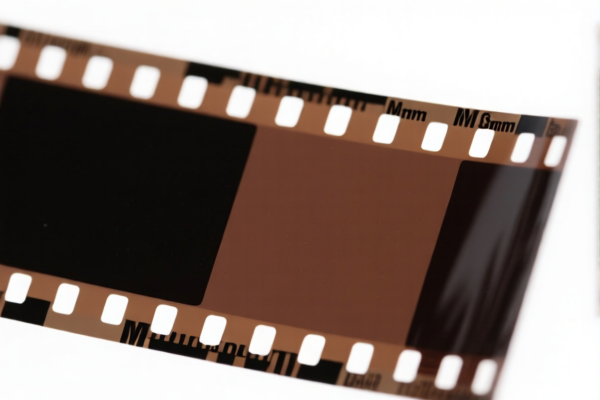
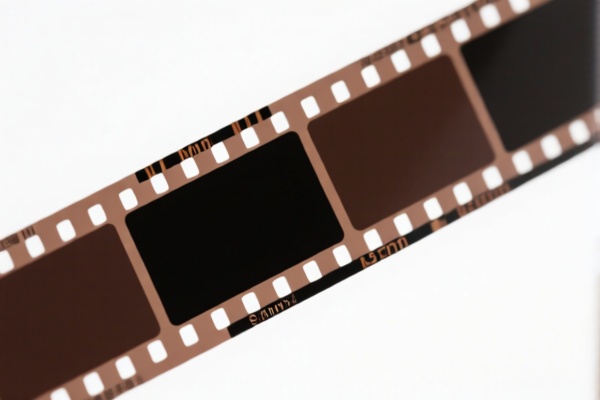
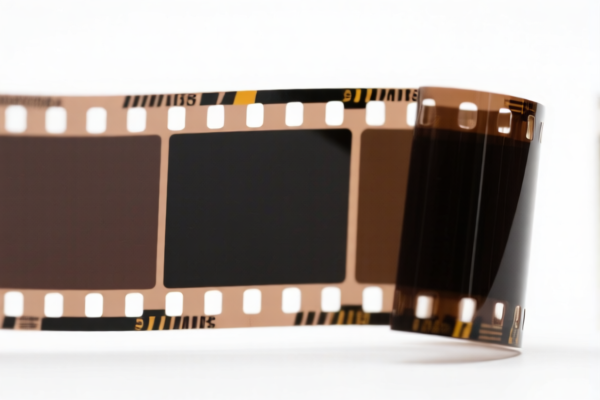
AI分析
🎞️ 35mm Film Retro Effect Products (Cinematographic Film & Cameras)
🌐 HS Code Reference & Clearance Guide | 2026 Updated Tax Rules | Professional Customs Strategy
📌 1. Product Definition: What is "35mm Film Retro Effect"?
In international trade, products associated with "35mm film retro effects" generally fall into two distinct categories depending on whether the item being imported is the medium itself (the exposed film reels) or the device (the camera used to shoot them).
- Cinematographic Film Reels (Exposed/Developed): Physical strips of 35mm motion-picture film that have been both exposed to light and chemically developed. This includes feature films, positive release prints, or raw developed stock intended for projection or further processing.
- Photographic Cameras (35mm SLR): Mechanical or electronic cameras designed specifically for 35mm roll film. The "retro effect" here refers to the hardware capability to capture images on this specific film width, often with Through-The-Lens (SLR) viewfinders.
⚠️ Key Distinction:
- If the product is a spool of film containing images → It is classified under Chapter 37 (Photographic/Cinematographic Goods).
- If the product is a camera body/lens → It is classified under Chapter 90 (Optical/Photographic Apparatus).
📦 2. HS Code Classification Details (2026 Latest Tariff Schedule)
| HS Code | Product Description | Applicability | Tax Rate (China Origin to US) |
|---|---|---|---|
| 3706.10.60.60 | Motion-picture film, exposed/developed, 35mm+. Other Feature Films: Other. | Generic developed 35mm feature film rolls not specifically designated as positive release prints. | 25.0% |
| 3706.10.60.30 | Motion-picture film, exposed/developed, 35mm+. Other Feature Films: Positive release prints. | Official cinematic release prints intended for theater projection (positive orientation). | 25.0% |
| 9006.53.02.05 | Photographic cameras, 35mm roll film. With through-the-lens viewfinder (Single Lens Reflex - SLR). | Classic retro SLR cameras (e.g., Nikon FM, Canon AE-1) used to create the "retro" look. | 7.5% |
| 9006.53.02.50 | Photographic cameras, 35mm roll film. Other: With built-in electronic stroboscopic flash. | 35mm cameras equipped with automatic electronic flash systems. | 7.5% |
🔍 Critical Note:
- Film vs. Camera: Do not confuse the film stock (Ch 37) with the camera (Ch 90). Misclassification can lead to severe penalties. - 35mm Width Requirement: All items listed above must strictly be 35mm width. 16mm or 8mm films/cameras fall under different HS codes. - Status: The film must be exposed and developed. Unexposed film (raw stock) has different classifications (e.g., 3702).
💰 3. 2026 Tariff Rate Breakdown (Detailed Analysis)
✅ Applicable Country: United States (US)
✅ Origin: China (CN)
✅ Effective Time: Post-2025 Trade Adjustments
🎯 1. 3706.10.60.60 & 3706.10.60.30 —— 35mm Cinematographic Film
| Item | Detail |
|---|---|
| Base Tariff | 0.0% |
| Section 301 / Additional Tariff | +25.0% |
| Total Tax Rate | 25.0% |
| Calculation Basis | CIF Value × 25% |
| Exemption Status | ❌ Not Exempt (Standard 301 Tariff applies) |
📌 Explanation:
- Although the base tariff for cinematographic film is often 0%, Section 301 additional duties impose a 25% surcharge on goods originating from China. - This applies to both "Other Feature Films" (3706.10.60.60) and "Positive Release Prints" (3706.10.60.30). - Cost Impact: For every $10,000 CIF value, you pay $2,500 in duties.
🎯 2. 9006.53.02.05 & 9006.53.02.50 —— 35mm Photographic Cameras
| Item | Detail |
|---|---|
| Base Tariff | 0.0% |
| Section 301 / Additional Tariff | +7.5% |
| Total Tax Rate | 7.5% |
| Calculation Basis | CIF Value × 7.5% |
| Exemption Status | ❌ Not Exempt (Standard 301 Tariff applies) |
📌 Explanation:
- 35mm cameras, whether SLR (9006.53.02.05) or with electronic flash (9006.53.02.50), are subject to a lower additional tariff of 7.5% compared to film stock. - Cost Impact: For every $10,000 CIF value, you pay $750 in duties.
🛠️ 4. Clearance Practical Advice (Avoiding Pitfalls)
✅ 1. Documentation Checklist (Mandatory)
| Document | Required? | Purpose |
|---|---|---|
| Product Description | ✔️ | Must explicitly state: "35mm Exposed and Developed Motion Picture Film" or "35mm Single Lens Reflex Camera". Avoid vague terms like "Retro Art Supplies." |
| Composition/Construction Details | ✔️ | For cameras: Specify if it is SLR, electronic, or manual. For film: Specify width (35mm) and status (exposed/developed). |
| Invoice | ✔️ | Must match HS Code description exactly. |
| Packaging List | ✔️ | Separate film reels from cameras if shipped together. |
| Safety Data Sheet (SDS) | ✔️ | If film chemicals are involved, though less common for pre-developed film. |
✅ 2. Declaration Tips (Crucial Keywords)
🔥 "Be Specific: Width, Status, and Type!"
| Scenario | Correct Declaration | Incorrect Declaration | Risk |
|---|---|---|---|
| Selling Retro Film Rolls | "35mm Exposed and Developed Feature Film" | "Retro Video Tape" or "Unexposed Film Stock" | Wrong HS Code → 25% vs 0% or Different Chapter |
| Selling Film Prints | "35mm Positive Release Print" | "Movie Copy" | Ambiguity → Customs Hold |
| Selling SLR Cameras | "35mm Photographic Camera, SLR, with Viewfinder" | "Camera" or "Video Recorder" | Misclassification → Penalty |
| Selling Flash Cameras | "35mm Camera with Built-in Electronic Flash" | "Retro Camera" | Ambiguity → Delay |
✅ 3. Special Handling for "Retro" Items
| Situation | Recommendation |
|---|---|
| Mixing Film and Cameras | Do NOT bundle under one HS Code. Film (Ch 37) and Cameras (Ch 90) have different rates and regulatory requirements. Declare separately. |
| Unexposed Film (Raw Stock) | If the "retro effect" is just the camera but you are importing empty film, the HS Code changes to 3702 (e.g., 3702.54.00.00). Ensure the product is indeed exposed and developed for the codes in this guide. |
| Digital "Retro" Filters | If the product is a digital camera simulating 35mm film, it may fall under 8525 (Digital Cameras), NOT Chapter 90. Check if it captures images digitally vs. on physical film. |
🌍 5. Global Clearance Comparison (2026)
| Region | Recommended HS Code | Estimated Duty (China Origin) | Notes |
|---|---|---|---|
| 🇺🇸 USA | 3706.10.60.60 / 9006.53.02.05 |
25% (Film) / 7.5% (Camera) | High 301 Tariffs apply. |
| 🇨🇳 China | 3706.10.60 / 9006.53.02 |
0% - 5% | Preferential tariffs may apply depending on specific trade agreements. |
| 🇪🇺 EU | 3706.10 / 9006.53 |
0% - 4% | Generally low duties for photographic equipment. No Section 301 equivalent. |
📌 Conclusion:
- The US market is the most expensive for importing "35mm Film Retro" products from China due to the 25% tariff on film and 7.5% on cameras. - Cameras are significantly cheaper to import than the film itself. - Accurate description of "Exposed and Developed" is vital for film to ensure it lands in 3706, not 3702 (which may have different duty implications).
📌 6. Common Mistakes & Pitfalls
❌ Mistake 1: Declaring "Retro Film" as "Unexposed Film Stock"
👉 Result: If the film is already developed, this is misdeclaration. Correct code is 3706. If it is unexposed, it is 3702. Wrong code = Fines.
❌ Mistake 2: Using "Video Tape" for 35mm Film
👉 Result: 35mm is photographic/cinematographic film, not magnetic video tape. Wrong Chapter = Rejection.
❌ Mistake 3: Ignoring the "35mm Width"
👉 Result: If the film is 16mm, it falls under 3706.90. If it is 35mm, it is 3706.10. Misstatement leads to classification errors.
❌ Mistake 4: Assuming Digital Cameras are "35mm Cameras"
👉 Result: Digital cameras are 8525 or 8528. Only analogue film cameras are 9006.53. Do not mix them.
✅ Correct Declaration Example:
"35mm Width, Exposed and Developed, Positive Release Print, Motion Picture Film" → 3706.10.60.30
"35mm Roll Film, Single Lens Reflex Camera, with Through-the-Lens Viewfinder" → 9006.53.02.05
🎯 7. Conclusion: Precise Classification Saves Money!
🎯 Remember the Rules:
🔹 "Film is 3706 (25%), Camera is 9006 (7.5%)"
🔹 "Exposed and Developed is Key for 3706"
🔹 "35mm Width is Mandatory"
📌 Pro Tip:
If you are importing large volumes of 35mm film, consider the cost-benefit of shipping cameras (7.5%) vs. film (25%).
Also, verify if the film is exported from the US or imported. The 25% tariff applies to imports into the US from China.
📣 Immediate Action:
📞 Consult a Customs Broker to verify the exact physical state of your "retro" products.
🚀 Ensure your commercial invoice matches the HS Code description word-for-word.
✨ Professional Clearance, Start with Accurate Classification!
💼 Every percentage point counts in international trade!
用户评价
关于 HS 编码归类
协调制度(HS)是由世界海关组织(WCO)制定的国际贸易商品分类标准。全球 200 多个国家采用 HS 系统作为海关关税、贸易统计和进出口监管的基础。
每个 HS 编码遵循以下层级结构:
- 章(2 位)——商品大类(例如:第 84 章:机器和机械设备)
- 品目(4 位)——章内的更具体分类
- 子目(6 位)——国际通用细分,所有 WCO 成员国统一使用
- 本国细分(8-10 位)——各国自行扩展的细分编码,如美国 HTSUS 10 位编码
正确的 HS 编码归类对于顺利通关、准确缴纳关税和遵守贸易法规至关重要。错误归类可能导致海关延误、多缴关税或罚款。
从CN进口到US时,适用的关税税率可能包括:
- 最惠国(MFN)税率——适用于 WTO 成员国的标准关税税率
- 普通税率——适用于无贸易协定国家
- 贸易救济关税——附加关税,如 301 条款(反倾销)、232 条款(国家安全)或反补贴税
本页内容仅供参考。如需正式归类,请咨询当地海关或持牌报关代理。