35mm film single roll
CN → US| HS编码 | 关税税率 | 原产国 | 目的国 | 文档 |
|---|---|---|---|---|
| 3702540030 | 38.7% | CN | US | 官方文档 |
| 3702530030 | 38.7% | CN | US | 官方文档 |
| 3701910030 | 38.7% | CN | US | 官方文档 |
| 3701910060 | 38.7% | CN | US | 官方文档 |
| 3706106060 | 35.0% | CN | US | 官方文档 |
商品图片
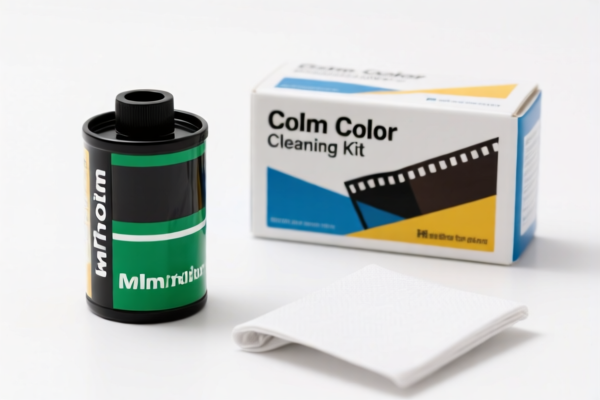
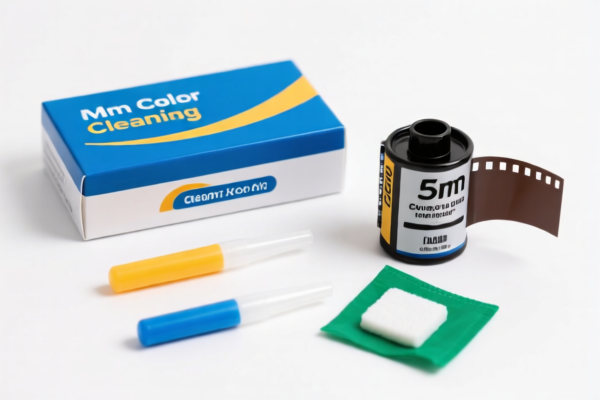
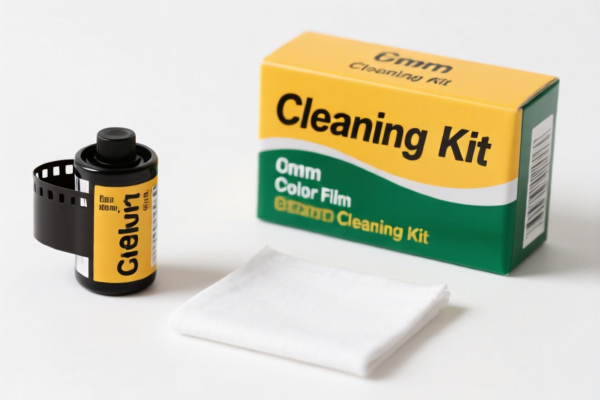
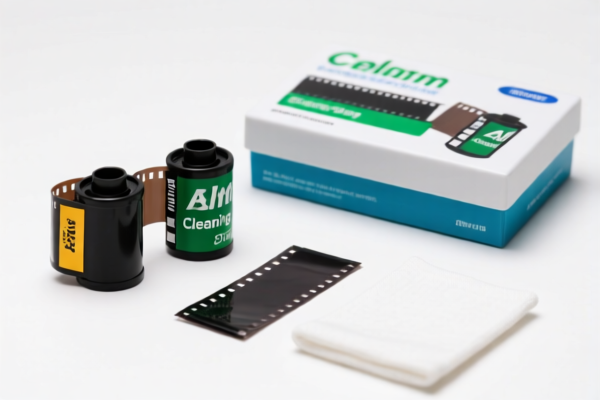
AI分析
🎞️ 35mm Film Single Roll (35mm彩色胶卷短卷/电影胶卷)
🌐 HS Code Reference & Customs Clearance Guide | 2026 Latest Tariff Analysis | Professional Clearance Strategy
📌 I. Product Definition & Classification: What Exactly is "35mm Film Single Roll"?
"35mm Film Single Roll" typically refers to photographic or cinematic film strips with a width of 35mm. In international trade, these are highly sensitive to their state (exposed/unexposed) and purpose (photography vs. cinematography). The provided data highlights two main categories: 1. Still Photography Film: Color film rolls for cameras (slides, negatives). 2. Cinematography Film: Already exposed and developed film for movies.
⚠️ Critical Distinction:
- If it is unexposed and intended for still photography → It falls under Heading 3701 or 3702. - If it is already exposed and developed for movies → It falls under Heading 3706. - Material Note: All entries specify non-paper, non-textile materials, consistent with cellulose nitrate, acetate, or polyester bases.
📦 II. HS Code Classification Details (Based on Provided Data)
| HS Code | Product Description | Key Characteristics | State of Film |
|---|---|---|---|
3702.54.00.30 |
35mm Color Film Short Roll | Matches sensitivity class; "Short roll" form; Non-paper/non-textile base. | Unexposed (Implied by "Color Film" general category usually, but context suggests standard photographic roll) |
3702.53.00.30 |
35mm Color Film Short Roll | Width & feature matches color slide film; Light-sensitive film material. | Unexposed (Color Slide/Reversal Film) |
3701.91.00.30 |
35mm Color Film Short Roll | For color photography; Disc film/Flat film form; Non-paper/textile. | Unexposed (Special form like disc) |
3701.91.00.60 |
35mm Color Film Short Roll | For color photography needs; Flat form; Other color photo film. | Unexposed (Standard flat roll) |
3706.10.60.60 |
35mm Cinematographic Film | Width ≥35mm; Material is exposed and developed movie film. | Exposed & Developed |
🔍 Key Insight:
- Codes3701and3702generally cover unexposed photographic film. The distinction between3701and3702often lies in the specific sub-category (e.g., plates vs. rolls, or specific film types like slides vs. negatives). - Code3706is strictly for cinematographic film that has already been exposed and developed. This is a critical difference in customs valuation and regulatory scrutiny (security/export controls may apply to developed film).
💰 III. 2026 Latest Tariff Rate Breakdown (Including Additional Taxes)
✅ Applicable Country: USA (US)
✅ Origin: China (CN)
✅ Effective Date: Post-2025 (Includes Section 301 & IEEPA tariffs)
🎯 1. 3702.54.00.30 / 3702.53.00.30 / 3701.91.00.30 / 3701.91.00.60
(Unexposed 35mm Color Photography Film)
| Item | Content |
|---|---|
| Base Duty Rate | 3.7% (Ad Valorem) |
| Section 301 Additional Duty | +25.0% (25% tariff on Chinese goods) |
| Section 122 Duty (IEEPA) | +10.0% (Targeted Chinese product surcharge) |
| Total Tax Rate | 38.7% |
| Calculation Method | CIF Value × 38.7% |
| De Minimis Eligibility | ❌ Not Applicable (High value/high duty items usually excluded or scrutinized) |
| Legal Basis Path | HTSUS:3702/3701 → USITC Footnote: Section 301 → IEEPA: Section 122 |
📌 Explanation:
- The 3.7% is the standard Most Favored Nation (MFN) duty. - The 25% is the standard Trump-era/Biden-era maintained Section 301 tariff on Chinese imports. - The 10% is an additional specific levy (often referred to as Section 122 or related IEEPA orders targeting specific sectors). - Total: 38.7% is a significant cost driver. Importers must budget for this high rate.
🎯 2. 3706.10.60.60
(35mm Exposed & Developed Cinematographic Film)
| Item | Content |
|---|---|
| Base Duty Rate | 0.0% (Ad Valorem) |
| Section 301 Additional Duty | +25.0% |
| Section 122 Duty (IEEPA) | +10.0% |
| Total Tax Rate | 35.0% |
| Calculation Method | CIF Value × 35.0% |
| De Minimis Eligibility | ❌ Not Applicable |
| Legal Basis Path | HTSUS:3706.10 → USITC Footnote: Section 301 → IEEPA: Section 122 |
📌 Explanation:
- Interestingly, the base duty is 0% for cinematographic film, unlike still photography film (3.7%). - However, the additional taxes (35%) remain high. - Total: 35.0% is slightly lower than the photography film (38.7%) but still substantial.
🛠️ IV. Customs Clearance Practical Advice (Avoid Pitfalls)
✅ 1. Required Documentation Checklist
| Document | Mandatory? | Notes |
|---|---|---|
| ✅ Commercial Invoice | ✔️ | Must clearly state "35mm Color Film," "Unexposed/Exposed," and "For Photographic/Cinematographic Use." |
| ✅ Packing List | ✔️ | Detail roll counts, length per roll, and total weight. |
| ✅ Product Specification Sheet | ✔️ | Confirm base material (Acetate/Polyester), sensitivity (ISO), and color type. |
| ✅ Declaration of Non-Military Use | ✔️ | For 3706 (Exposed Film), customs may check for controlled content. |
| ✅ FCC/CE Certifications | Optional | Generally not required for film itself, but good for brand compliance. |
| ✅ Proof of Origin | ✔️ | Crucial for verifying China origin and applying correct Section 301/122 rates. |
✅ 2. Classification Tips (Key Mnemonics)
🔥 "Unexposed = 3701/3702 (38.7%) | Exposed Movie = 3706 (35.0%)"
| Scenario | Correct HS Code | Risk of Misclassification |
|---|---|---|
| Unexposed 35mm Color Roll (Standard Photography) | 3702.54.00.30 or 3702.53.00.30 |
If declared as "Camera Accessory" → 45%+ penalty |
| Color Slide Film (Reversal) | 3702.53.00.30 |
If declared as "Negative Film" → Minor error, but verify subheading |
| Disc Film (Instax-style 35mm?) | 3701.91.00.30 |
"Disc" form factor must be explicitly stated |
| Exposed Movie Reel (From a Film Shoot) | 3706.10.60.60 |
CRITICAL: Must declare "Exposed & Developed." If undeclared, it may be seized as smuggling or misdeclared unexposed film. |
| Empty Film Canisters | Not in Data | Usually classified under plastics or metal, not film. Do not mix with film values. |
✅ 3. Special Case Handling
| Situation | Handling Advice |
|---|---|
| OEM Film for Brands | Provide letter of authorization. Ensure "Made in China" is on packaging to avoid "Country of Origin" disputes. |
| Exposed Film (3706) | High Scrutiny. Customs may inspect for contraband or controlled substances. Ensure film is sealed and labeled as "Cinematographic Material." |
| Valuation Disputes | Since 38.7% is high, keep detailed records of purchase invoices to prove CIF value. Customs may challenge the declared value. |
| Section 122 Exemptions? | Generally, no exemptions for these HS codes from Section 301/122. Check if any product-specific exclusions apply (rare for general consumer film). |
🌍 V. Global Market Clearance Comparison (2026)
| Country/Region | Recommended HS Code | Estimated Duty (China Origin) | Key Requirement | Note |
|---|---|---|---|---|
| 🇺🇸 USA | 3702.54.00.30 etc. |
38.7% (Unexposed) 35.0% (Exposed) |
Section 301 + IEEPA 122 | Highest global duty burden for Chinese film. |
| 🇪🇺 EU | 3701 / 3702 |
~6.5% | CE/RoHS (if applicable) | No Section 301 equivalents. Much cheaper. |
| 🇨🇳 China | 3701 / 3702 |
0% - 5% (Import Duty) | CCC (if electronic components) | Low duty, but consider reverse logistics if exported. |
| 🇯🇵 Japan | 3702 |
~6.0% | JIS Standards | Moderate duty. No heavy US-style surcharges. |
| 🇬🇧 UK | 3702 |
~5.0% | UKCA Marking (if applicable) | Post-Brexit rules apply. |
📌 Conclusion:
- USA is the most expensive market for importing 35mm film from China due to the 38.7% effective tariff rate. - For cost optimization, consider diversifying supply chains (e.g., sourcing from Japan or South Korea) if targeting the US market, as these may benefit from FTAs or different tariff treatments. - Exposed Film (3706) is slightly cheaper (35.0%) but faces higher security screening risks.
📌 VI. Common Errors & Pitfalls (Blood Lessons)
❌ Error 1: Declaring "35mm Film" vaguely without specifying "Unexposed" or "Exposed."
👉 Consequence: Customs may apply the highest general duty or detain the shipment for inspection.
✅ Fix: Always specify state: "Unexposed Color Photographic Film" or "Exposed Cinematographic Film."
❌ Error 2: Ignoring the 122 Clause (10%) in cost calculations.
👉 Consequence: Budget shortfall. Many importers only account for the 25% Section 301 tariff, missing the extra 10%.
✅ Fix: Include all 38.7% (or 35.0%) in your landed cost analysis.
❌ Error 3: Confusing "Film" with "Digital Media" or "Printed Material."
👉 Consequence: Misclassification under Chapter 49 (Printed Matter) or 8523 (Media).
✅ Fix: Film is Chapter 37. It is a chemical/optical product, not printed matter.
❌ Error 4: Shipping Exposed Film (3706) in unmarked, generic packaging.
👉 Consequence: Seizure or severe delay due to suspicion of smuggling controlled materials.
✅ Fix: Use professional film canisters with clear labeling: "35mm Exposed Cinematographic Film - Do Not X-Ray" (if applicable for security protocols, though US airports often X-ray cargo).
🎯 VII. Conclusion: Professional Classification Saves Money!
🎯 Remember the Mnemonic:
🔹 "Unexposed Photo = 38.7% | Exposed Movie = 35.0%"
🔹 "Declare State Clearly: Exposed/Unexposed. One word wrong, Customs starts!"
🔹 "Add 3.7% Base + 25% 301 + 10% 122 = High Cost Reality!"
📌 Pro Tip:
If your volume is high, consider applying for a Presidential Proclamation Exclusion (if available) or reclassifying if any component fits a different, lower-tariff category (rare for pure film).
Pre-arrival filing and customs broker consultation are highly recommended for shipments >$2,500 to avoid delays.
📣 Immediate Action:
📞 Contact your Customs Broker: Provide HS Codes
3702.54.00.30or3706.10.60.60and confirm duty liability.
🚀 Plan your Costs: Budget for 38.7% if importing still film, 35.0% for movie film.
✨ Accurate Declaration: Ensure your invoice matches the HS Code description perfectly!
✨ Professional Clearance Starts with Accurate Classification!
💼 Your Margins Depend on Precise Tax Calculation!
用户评价
关于 HS 编码归类
协调制度(HS)是由世界海关组织(WCO)制定的国际贸易商品分类标准。全球 200 多个国家采用 HS 系统作为海关关税、贸易统计和进出口监管的基础。
每个 HS 编码遵循以下层级结构:
- 章(2 位)——商品大类(例如:第 84 章:机器和机械设备)
- 品目(4 位)——章内的更具体分类
- 子目(6 位)——国际通用细分,所有 WCO 成员国统一使用
- 本国细分(8-10 位)——各国自行扩展的细分编码,如美国 HTSUS 10 位编码
正确的 HS 编码归类对于顺利通关、准确缴纳关税和遵守贸易法规至关重要。错误归类可能导致海关延误、多缴关税或罚款。
从CN进口到US时,适用的关税税率可能包括:
- 最惠国(MFN)税率——适用于 WTO 成员国的标准关税税率
- 普通税率——适用于无贸易协定国家
- 贸易救济关税——附加关税,如 301 条款(反倾销)、232 条款(国家安全)或反补贴税
本页内容仅供参考。如需正式归类,请咨询当地海关或持牌报关代理。