4 ply bag lining
CN → US商品图片
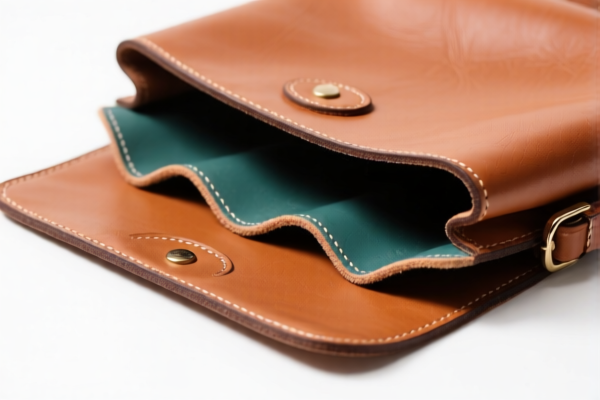
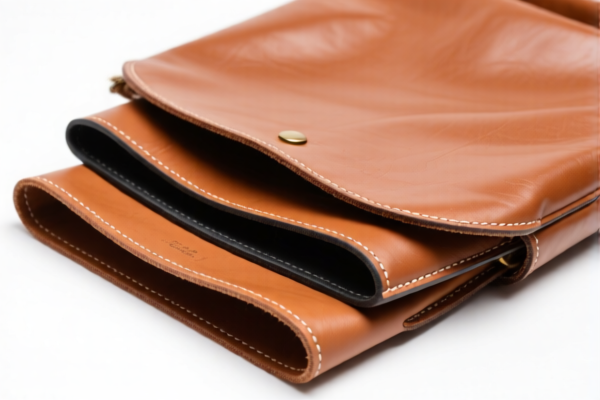
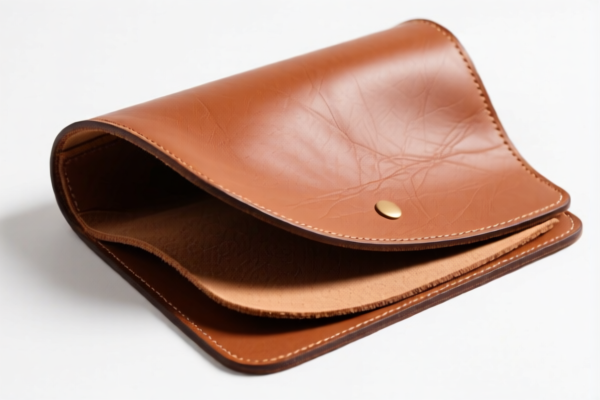
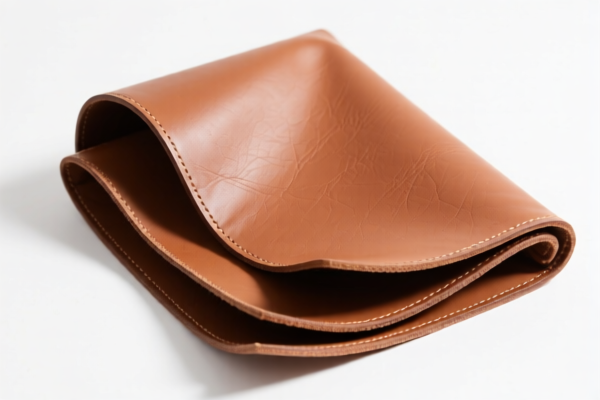
AI分析
🎒 4-Ply Bag Lining (Four-Layer Lining for Bags)
🌐 HS Code Classification & Customs Clearance Guide | 2026 Latest Tariff Rules | Professional Import Strategy
📌 One, Product Definition & Classification: What Exactly Is "4-Ply Bag Lining"?
The 4-ply bag lining refers to a multi-layered composite material used as internal lining in bags — typically for handbags, luggage, tote bags, or industrial packaging. It is not a standalone textile or plastic sheet, but a laminated composite made of plastic film/foil combined with textile materials, designed for durability, moisture resistance, and aesthetic finish.
⚠️ Key Classification Criteria: - Material Composition: Plastic + Textile (e.g., polyester, nylon, or cotton fabric) - Weight per Square Meter (g/m²): Critical for subheading differentiation - Layer Count: "4-ply" implies ≥4 layers, but the weight and composition are decisive for HS code - Not a finished bag — only a lining component
📦 Two, HS Code Breakdown (2026 Official Tariff Table)
| HS Code | Product Description | Weight Threshold | Key Feature | Tax Rate |
|---|---|---|---|---|
3921.90.29.00 |
Other plates, sheets, film, foil and strip, of plastics: Other: Combined with textile materials and weighing more than 1.492 kg/m²: Other | >1.492 kg/m² | Heavy-duty composite lining (e.g., thick plastic + fabric laminate) | 29.4% |
3921.90.19.50 |
Other plates, sheets, film, foil and strip, of plastics: Other: Combined with textile materials and weighing not more than 1.492 kg/m²: Other | ≤1.492 kg/m² | Lighter composite lining (e.g., thin plastic film + fabric) | 0.0% |
5603.94.90.90 |
Nonwovens, whether or not impregnated, coated, covered or laminated: Other: Weighing more than 150 g/m²: Other: Other nonwovens, whether or not impregnated, coated or covered: Other: Of staple fibers | >150 g/m² | Nonwoven-based lining (e.g., spunbond polypropylene + fabric) | 25.0% |
5603.94.90.70 |
Nonwovens, whether or not impregnated, coated, covered or laminated: Other: Weighing more than 150 g/m²: Other: Other nonwovens, whether or not impregnated, coated or covered: Other: Of filaments | >150 g/m² | Filament-based nonwoven lining (e.g., continuous filament polypropylene) | 25.0% |
🔍 Critical Insight:
- Weight is the deciding factor — if your 4-ply lining weighs over 1.492 kg/m², it falls under3921.90.29.00(29.4% tax).
- If ≤1.492 kg/m², it’s3921.90.19.50(0% tax).
- If it’s nonwoven fabric (not plastic+textile), even if heavy, it may fall under5603.94.90.70or.90.90— with 25% tariff.
💰 Three, 2026 Latest Tariff Breakdown (With Add-Ons & Legal Basis)
✅ Applicable Country: United States (US)
✅ Origin: China (CN), Vietnam (VN), or other countries
✅ Effective Date: November 10, 2025 (post-301/IEEPA updates)
🎯 1. 3921.90.29.00 — Heavy Plastic + Textile Lining (>1.492 kg/m²)
| Item | Detail |
|---|---|
| Base Duty | 4.4% (ad valorem) |
| Additional Tariff | +25.0% (USITC Section 301) |
| Total Effective Rate | 29.4% |
| Tax Calculation | CIF Value × 29.4% |
| De Minimis Exemption? | ❌ No (denied under US law) |
| Legal Pathway | USITC:3921.90.29.00 → FOOTNOTE:9903.88.01 → IEEPA:9903.01.25 |
📌 Explanation:
- This is a high-risk category — if your lining is thick and heavy, it’s subject to both base + 301 tariff. - The 25% add-on is from the U.S. Trade Representative’s Section 301 list targeting Chinese imports. - No de minimis means even small shipments face full tax — no escape.
🎯 2. 3921.90.19.50 — Light Plastic + Textile Lining (≤1.492 kg/m²)
| Item | Detail |
|---|---|
| Base Duty | 0.0% |
| Additional Tariff | 0.0% |
| Total Effective Rate | 0.0% |
| Tax Calculation | CIF × 0% |
| De Minimis Exemption? | ✅ Yes (if < $800) |
| Legal Pathway | USITC:3921.90.19.50 → FOOTNOTE:9903.88.01 → IEEPA:9903.01.24 |
📌 Key Advantage:
- Zero tariff — ideal for cost-sensitive shipments. - If your weight is below 1.492 kg/m², you can avoid all tariffs. - De minimis applies — small orders can clear duty-free.
🎯 3. 5603.94.90.90 — Nonwoven Lining (Staple Fibers, >150 g/m²)
| Item | Detail |
|---|---|
| Base Duty | 0.0% |
| Additional Tariff | +25.0% (IEEPA + 301) |
| Total Effective Rate | 25.0% |
| Tax Calculation | CIF × 25.0% |
| De Minimis Exemption? | ❌ No (due to 301 list) |
| Legal Pathway | IEEPA:9903.01.25 → USITC:5603.94.90.90 → FOOTNOTE:9903.88.01 |
📌 Note:
- If your 4-ply lining is nonwoven (e.g., PP spunbond), even if light, it’s still 25%. - No de minimis — must pay full 25%.
🎯 4. 5603.94.90.70 — Nonwoven Lining (Filament Fibers, >150 g/m²)
| Item | Detail |
|---|---|
| Base Duty | 0.0% |
| Additional Tariff | +25.0% |
| Total Effective Rate | 25.0% |
| Tax Calculation | CIF × 25.0% |
| De Minimis Exemption? | ❌ No |
| Legal Pathway | Same as above |
📌 Same as
.90.90— 25% tariff applies regardless of weight, as long as it’s nonwoven and >150 g/m².
🛠️ Four, Customs Clearance Tips (Pro Tips to Avoid Penalties)
✅ 1. Must-Have Documentation (Non-Negotiable)
| Document | Required? | Why It Matters |
|---|---|---|
| ✅ Product Weight per m² (g/m²) | ✔️ | Determines HS code — if >1.492 kg/m² → 3921.90.29.00 |
| ✅ Material Composition Report | ✔️ | Proves it’s plastic + textile, not nonwoven |
| ✅ Lab Test Report (Weight & Layer Analysis) | ✔️ | Prevents misclassification |
| ✅ Commercial Invoice | ✔️ | Must state “4-ply bag lining, plastic + textile, <1.492 kg/m²” |
| ✅ Packing List | ✔️ | Shows total weight, layers, and packaging |
| ✅ Certificate of Origin (CO) | ✔️ | If from Vietnam/Malaysia, may qualify for lower tariff |
| ✅ Product Photos (with scale) | ✔️ | Helps customs verify thickness and structure |
✅ 2.申报技巧(Critical Rules of Thumb)
🔥 "Weight Wins, Fiber Matters, Nonwoven is Risky!"
| Scenario | Correct HS Code | Wrong Code | Risk |
|---|---|---|---|
| Lining weighs 1.5 kg/m² (plastic + fabric) | 3921.90.29.00 |
3921.90.19.50 |
45% tax (29.4% + penalties) |
| Lining weighs 1.4 kg/m² (plastic + fabric) | 3921.90.19.50 |
3921.90.29.00 |
0% vs 29.4% → huge cost difference |
| Lining is nonwoven (spunbond), >150 g/m² | 5603.94.90.90 or .70 |
3921.90.19.50 |
25% tax vs 0% → big mistake |
| Lining is nonwoven, but <150 g/m² | Check other codes | 5603.94.90.90 |
May fall under lower tariff |
✅ 3. Special Cases & Solutions
| Situation | Recommended Action |
|---|---|
| Lining from Vietnam/Malaysia | Apply for CO — may avoid 301 tariffs if origin is non-China |
| Lining with mixed materials (plastic + nonwoven + fabric) | Declare as "plastic + textile" — if plastic is primary, use 3921.90 |
| Lining used in luxury bags (e.g., Gucci, LV) | Pre-apply for HS Code Ruling — avoid disputes |
| Small sample shipment (<$800) | If 3921.90.19.50 → duty-free via de minimis |
| Lining weighs exactly 1.492 kg/m² | Declare as ≤1.492 kg/m² — use conservative weight to avoid 29.4% |
🌍 Five, Global Customs Comparison (2026 Update)
| Country | Recommended HS Code | Tariff | Certification | Notes |
|---|---|---|---|---|
| 🇺🇸 USA | 3921.90.19.50 (if ≤1.492 kg/m²) |
0% | None (if < $800) | 25% if nonwoven |
| 🇨🇳 China | 3921.90.19.50 |
5% | CCC | No 301 tariff |
| 🇪🇺 EU | 3921.90.19.50 |
0% (if CE) | CE | No extra tariffs |
| 🇦🇺 Australia | 3921.90.19.50 |
5% | RCM | No 301 |
| 🇯🇵 Japan | 3921.90.19.50 |
0% | PSE | No extra tax |
📌 Conclusion:
- USA is the most complex — weight and material type are critical. - Nonwoven = 25% tariff — avoid if possible. - Vietnam/Malaysia origin can bypass 301 tariffs — strategic sourcing recommended.
📌 Six, Common Mistakes & How to Avoid Them
❌ Mistake 1: Declaring heavy plastic+textile lining (1.5 kg/m²) as 3921.90.19.50
👉 Result: 29.4% tax + penalties + audit risk
❌ Mistake 2: Calling nonwoven lining a "plastic-fabric composite"
👉 Result: 25% tariff + customs rejection
❌ Mistake 3: Not providing weight test report
👉 Result: Customs assumes worst-case scenario → higher tax
❌ Mistake 4: Using "bag lining" as product name without specifying material and weight
👉 Result: Misclassification, delays, fines
✅ Correct Declaration Example:
"4-Ply Bag Lining, Plastic-Fabric Composite, Weight: 1.38 kg/m², Nonwoven-Free, Made in Vietnam, CO Attached"
🎯 Seven, Final Verdict: Get It Right the First Time!
🎯 Remember the Golden Rules:
🔹 "Weight >1.492 kg/m² → 29.4% (high risk)"
🔹 "≤1.492 kg/m² → 0% (ideal)"
🔹 "Nonwoven = 25% (avoid if possible)"
🔹 "Origin matters — Vietnam/Malaysia = lower risk"
📌 Pro Tip:
✅ Get a pre-ruling (Advance Ruling) from U.S. CBP before shipping.
✅ Use a third-party lab to test weight and material composition.
✅ Label packaging clearly with weight and material type.
📣 Take Action Now!
📞 Contact a licensed customs broker + submit product specs + request HS Code pre-determination
🚀 Avoid penalties, reduce costs, speed up clearance — your 4-ply lining deserves precision!
✨ Smart Importing Starts with Accurate Classification!
💼 Your cost, your timeline, your reputation — all depend on the right HS code.
用户评价
关于 HS 编码归类
协调制度(HS)是由世界海关组织(WCO)制定的国际贸易商品分类标准。全球 200 多个国家采用 HS 系统作为海关关税、贸易统计和进出口监管的基础。
每个 HS 编码遵循以下层级结构:
- 章(2 位)——商品大类(例如:第 84 章:机器和机械设备)
- 品目(4 位)——章内的更具体分类
- 子目(6 位)——国际通用细分,所有 WCO 成员国统一使用
- 本国细分(8-10 位)——各国自行扩展的细分编码,如美国 HTSUS 10 位编码
正确的 HS 编码归类对于顺利通关、准确缴纳关税和遵守贸易法规至关重要。错误归类可能导致海关延误、多缴关税或罚款。
从CN进口到US时,适用的关税税率可能包括:
- 最惠国(MFN)税率——适用于 WTO 成员国的标准关税税率
- 普通税率——适用于无贸易协定国家
- 贸易救济关税——附加关税,如 301 条款(反倾销)、232 条款(国家安全)或反补贴税
本页内容仅供参考。如需正式归类,请咨询当地海关或持牌报关代理。