Absorbent Wood Pulp Cotton Paper
CN → US| HS编码 | 关税税率 | 原产国 | 目的国 | 文档 |
|---|---|---|---|---|
| 4802586020 | 35.0% | CN | US | 官方文档 |
| 4802100000 | 12.0% | CN | US | 官方文档 |
| 4801000120 | 35.0% | CN | US | 官方文档 |
| 4801000140 | 35.0% | CN | US | 官方文档 |
| 4805911010 | 35.0% | CN | US | 官方文档 |
商品图片
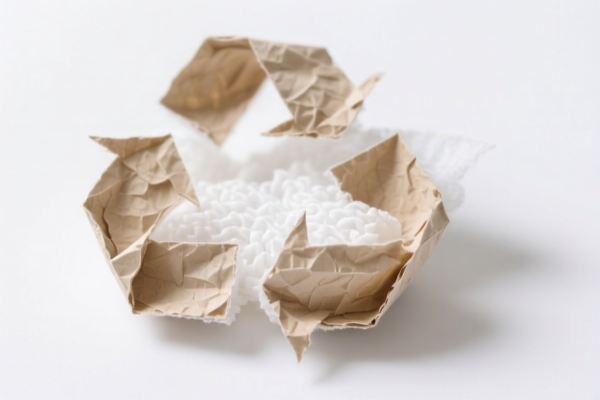
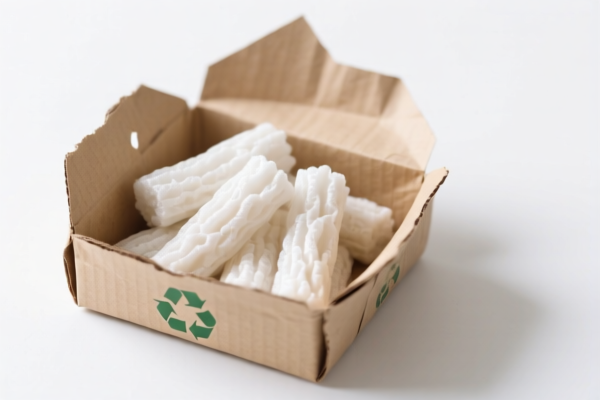
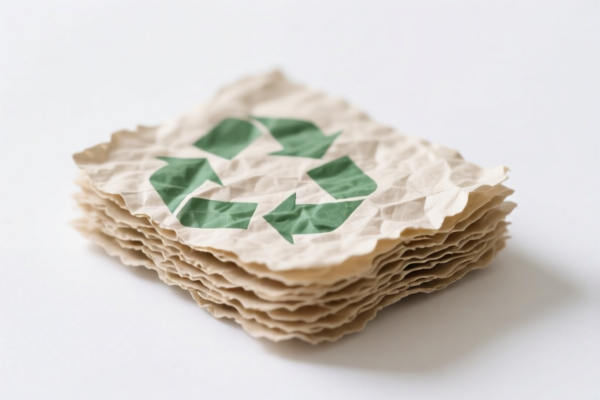

AI分析
📄 Absorbent Wood Pulp Cotton Paper (Absorbent Wood Pulp Cotton Paper)
🌐 HS Code Reference & Customs Clearance Guide | 2026 Latest Tariff Analysis | Professional Clearance Strategy
📌 Part 1: Product Definition & Classification: Do You Really Understand "Absorbent Wood Pulp Cotton Paper"?
Absorbent Wood Pulp Cotton Paper is a specialized paper product that combines the absorbency of wood pulp with the durability and texture of cotton fibers. In international trade, it is generally classified under Chapter 48 (Paper and paperboard). However, its specific classification depends heavily on its physical form (sheet vs. roll vs. finished product) and processing level (coated vs. uncoated, writing vs. industrial use).
Based on the provided data, there are five potential HS Codes for this product, ranging from 12.0% to 35.0% in total tariffs. Understanding the distinction is critical to avoid overpayment or customs delays.
⚠️ Key Distinction Point:
- If the paper is uncoated and used for writing/graphic purposes with specific cotton fiber content → Likely 4802.58.60.20
- If it is classified simply as handmade paper or general paper pulp → Likely 4802.10.00.00
- If it is treated as basic paper stock or newsprint-compatible material → Likely 4801.00.01.20 / 4801.00.01.40
- If it is in a board/cardboard sheet format → Likely 4805.91.10.10
📦 Part 2: HS Code Classification Details (2026 Latest Tariff Authority Comparison)
| HS Code | Product Description | Application Scenario | Physical/Chemical Attribute | Total Tax Rate |
|---|---|---|---|---|
4802.58.60.20 |
Uncoated wood-pulp cotton paper, containing cotton fibers, non-coated, for writing or graphic uses | High-quality stationery, art paper, archival documents | Contains cotton fibers; Uncoated; Writing purpose | 35.0% |
4802.10.00.00 |
Wood-pulp cotton handmade paper, falls under paper category, meets definition of handmade paper/board | Artisanal paper, specialty craft paper, traditional handmade paper | Handmade process; General paper category | 12.0% |
4801.00.01.20 |
Wood-pulp cotton paper, conforms to basic paper attributes, no material conflict | Bulk paper stock, raw material for further processing | Basic paper attributes; No conflict with newsprint | 35.0% |
4801.00.01.40 |
Wood-pulp cotton paper, classified as paper raw material, compatible with newsprint material attributes | Industrial packaging base, bulk printing stock | Compatible with newsprint; Raw material status | 35.0% |
4805.91.10.10 |
Wood-pulp cardboard sheets, conforms to cardboard attributes and sheet-like physical form features | Packaging boards, stiff paperboard, industrial cardboard | Cardboard attribute; Sheet form | 35.0% |
🔍 Key Reminder:
-4802.10.00.00is the only code with a lower tax rate (12.0%). It specifically applies to handmade paper. If your product is industrially manufactured but mimics handmade texture, it might not qualify.
-4802.58.60.20applies to uncoated, writing-grade paper with cotton content. This is a common classification for high-end stationery.
-4801...codes treat the product as basic paper stock or newsprint-compatible, often resulting in higher tariffs due to broader categorization.
-4805.91.10.10is for cardboard/shapes, not thin paper. Do not use this for standard sheet paper.
💰 Part 3: 2026 Latest Tariff Rate Details (Including Surtaxes & Policy Add-ons)
✅ Applicable Country: United States (US)
✅ Origin: China (CN)
✅ Effective Time: November 10, 2025 onwards (including subsequent imports)
🎯 1. 4802.58.60.20 —— Uncoated Wood-Pulp Cotton Paper (Writing/Graphic)
| Item | Content |
|---|---|
| Base Tariff | 0% (ad valorem) |
| Section 301 Surcharge (25%) | +25% (Due to Section 301 investigations) |
| Section 122 Tariff (10%) | +10% (Specific Section 122 surcharge for certain Chinese goods) |
| Total Tax Rate | 35.0% |
| Tax Calculation | CIF Value × 35% |
| De Minimis Exemption | ❌ Not Available (deny_de_minimis) |
| Legal Basis Path | Section 301: 9903.88.01 → Section 122: 9903.10.10 → USITC: 4802.58.60.20 |
📌 Explanation:
- The 25% Section 301 tariff is applied to most paper products from China due to trade dispute measures.
- The 10% Section 122 tariff is an additional surcharge targeting specific categories of Chinese goods.
- Total 35% is a high tariff, significantly impacting profit margins.
🎯 2. 4802.10.00.00 —— Wood-Pulp Cotton Handmade Paper
| Item | Content |
|---|---|
| Base Tariff | 0% |
| Section 301 Surcharge | +2.0% (Significantly lower than standard 301 rate) |
| Section 122 Tariff (10%) | +10% |
| Total Tax Rate | 12.0% |
| Tax Calculation | CIF Value × 12% |
| De Minimis Exemption | ❌ Not Available |
| Legal Basis Path | Section 301: 9903.88.02 (Low-rate footnote) → Section 122: 9903.10.10 → USITC: 4802.10.00.00 |
📌 Note:
- This is the most cost-effective classification if your product qualifies as "Handmade Paper."
- The Section 301 surcharge is only 2% instead of 25%.
- Critical: You must prove the paper is handmade (or meets the specific HS definition of handmade paper/board) to claim this rate. Industrial simulation of handmade texture may not qualify.
🎯 3. 4801.00.01.20 & 4801.00.01.40 —— Wood-Pulp Paper (Basic/Newsprint Compatible)
| Item | Content |
|---|---|
| Base Tariff | 0% |
| Section 301 Surcharge | +25% |
| Section 122 Tariff (10%) | +10% |
| Total Tax Rate | 35.0% |
| Tax Calculation | CIF Value × 35% |
| De Minimis Exemption | ❌ Not Available |
| Legal Basis Path | Section 301: 9903.88.01 → Section 122: 9903.10.10 → USITC: 4801.00.01.20/40 |
📌 Explanation:
- These codes treat the product as basic paper or newsprint-compatible.
- They attract the full 25% Section 301 tariff plus 10% Section 122.
- Use this only if the paper is uncoated, bulk, and not specifically for writing/graphic arts or handmade.
🎯 4. 4805.91.10.10 —— Wood-Pulp Cardboard Sheets
| Item | Content |
|---|---|
| Base Tariff | 0% |
| Section 301 Surcharge | +25% |
| Section 122 Tariff (10%) | +10% |
| Total Tax Rate | 35.0% |
| Tax Calculation | CIF Value × 35% |
| De Minimis Exemption | ❌ Not Available |
| Legal Basis Path | Section 301: 9903.88.01 → Section 122: 9903.10.10 → USITC: 4805.91.10.10 |
📌 Note:
- This code is for cardboard/shapes. If your "paper" is thick, stiff, and used for packaging, use this.
- Do not misclassify thin paper as cardboard to avoid customs penalties.
🛠️ Part 4: Practical Customs Clearance Advice (Combat Pitfall Guide)
✅ 1. Required Documents List (None Can Be Omitted)
| Document | Mandatory | Explanation |
|---|---|---|
| ✅ Product Specification Sheet | ✔️ | Must include: Material composition (wood pulp % vs. cotton %), GSM, size, coating status, intended use (writing, art, packaging) |
| ✅ Manufacturing Process Description | ✔️ | Crucial for 4802.10.00.00. Must explicitly state if the paper is handmade or machine-made. Include photos of the process if possible. |
| ✅ Product Photos (Clear Label) | ✔️ | Show texture, thickness, and edge finish. Distinguish between thin paper and thick cardboard. |
| ✅ Commercial Invoice | ✔️ | Clearly describe product as "Uncoated Wood-Pulp Cotton Paper" or "Handmade Wood-Pulp Paper". Avoid vague terms like "Paper Sheet." |
| ✅ Packing List | ✔️ | Detail dimensions and weight. Ensure no mixing of handmade and machine-made papers in one shipment if claiming different HS codes. |
✅ 2. Declaration Tips (Key Mantra)
🔥 "Handmade is 12%, Uncoated is 35%, Cardboard is 35%, Mislabeling is Risky!"
| Scenario | Correct Declaration | Wrong Approach |
|---|---|---|
| Product is Handmade | 4802.10.00.00 (12%) |
Claiming it as "Machine-made Art Paper" → 35% |
| Product is Uncoated, Writing-Grade | 4802.58.60.20 (35%) |
Claiming it as "Cardboard" → 35% (but risk of rejection if not thick enough) |
| Product is Bulk Paper Stock | 4801.00.01.20/40 (35%) |
Claiming it as "Handmade" without proof → Penalty |
| Product is Thick Stiff Board | 4805.91.10.10 (35%) |
Claiming it as "Thin Paper" → Rejection |
✅ 3. Special Case Handling
| Situation | Handling Advice |
|---|---|
| OEM Custom Paper | Provide client order + design specs. If it’s for writing/graphic, use 4802.58.60.20. |
| "Handmade-Look" Machine Paper | Do NOT declare as 4802.10.00.00. It must be genuinely handmade to qualify. Otherwise, use 4802.58.60.20 (35%). |
| Paper with High Cotton Content | Ensure the description highlights "Cotton Fiber" if using 4802.58.60.20. |
| Mixed Shipment | If shipping both handmade and machine-made, separate entries are required. Do not combine under one HS code. |
🌍 Part 5: Global Main Market Customs Comparison (2026 Latest)
| Country/Region | Recommended HS Code | Tariff | Certification | Notes |
|---|---|---|---|---|
| 🇺🇸 USA | 4802.10.00.00 (if handmade) |
12% | None specific for paper | 35% for non-handmade. High risk if misclassified. |
| 🇨🇳 China | 4802.10.00.00 |
5-10% | N/A | Lower tariffs generally. |
| 🇪🇺 EU | 4802.58 |
0-6.5% | CE (if applicable) | VAT applies. No Section 122/301 equivalents. |
| 🇦🇺 Australia | 4802.58 |
5% | None specific | Free Trade Agreement benefits may apply. |
| 🇯🇵 Japan | 4802.58 |
0-8% | None specific | Depends on trade agreement. |
📌 Conclusion:
- USA is the most expensive market for this product due to Section 301 (25%) + Section 122 (10%) tariffs.
- Handmade paper (4802.10.00.00) is the only way to reduce the US tariff to 12%.
- Non-handmade paper faces a 35% tariff, which is a significant cost burden.
📌 Part 6: Common Mistakes & Pitfall Guide (Lessons Learned)
❌ Mistake 1: Declaring machine-made paper as "Handmade" to get 12% tax
👉 Consequence: Customs audit reveals machine manufacturing → Back taxes + Penalty + 35% rate applied retroactively!
❌ Mistake 2: Using "Cardboard" HS code for thin paper
👉 Consequence: Customs rejects declaration for incorrect classification → Delay + Demurrage Fees!
❌ Mistake 3: Not specifying "Uncoated" or "Writing Purpose"
👉 Consequence: Customs cannot determine the correct subheading → Hold for further review!
❌ Mistake 4: Ignoring Section 122 Tariff
👉 Consequence: Underestimating total tax by 10% → Profit margin erosion!
✅ Correct Action:
"Handmade Wood-Pulp Paper, 100% Cotton Fiber Content, Uncoated, A4 Size, Artistic Use"
OR
"Uncoated Wood-Pulp Cotton Paper, 30% Cotton, 90gsm, for Writing and Graphic Arts"
🎯 Part 7: Conclusion: Professional Declaration, Save Time, Cut Costs!
🎯 Remember the Mantra:
🔹 "Handmade is 12%, Machine is 35%, Section 122 adds 10%, No De Minimis!"
🔹 "HS Code decides your fate, 23% difference matters, misdeclaration costs thousands!"
📌 Tips:
- If your product is truly handmade, provide photos of the manual crafting process to support 4802.10.00.00.
- If it is machine-made, accept the 35% tariff and factor it into your pricing.
- Do not try to "trick" customs by mislabeling machine-made paper as handmade. The risk is too high.
📣 Immediate Action:
📞 Contact a professional customs broker + Provide product specs + Apply for HS Code Advance Ruling if unsure.
🚀 Let your paper clear customs smoothly, efficiently, and profitably!
✨ Professional clearance starts with accurate classification!
💼 Every cent of your cost deserves precise calculation!
用户评价
关于 HS 编码归类
协调制度(HS)是由世界海关组织(WCO)制定的国际贸易商品分类标准。全球 200 多个国家采用 HS 系统作为海关关税、贸易统计和进出口监管的基础。
每个 HS 编码遵循以下层级结构:
- 章(2 位)——商品大类(例如:第 84 章:机器和机械设备)
- 品目(4 位)——章内的更具体分类
- 子目(6 位)——国际通用细分,所有 WCO 成员国统一使用
- 本国细分(8-10 位)——各国自行扩展的细分编码,如美国 HTSUS 10 位编码
正确的 HS 编码归类对于顺利通关、准确缴纳关税和遵守贸易法规至关重要。错误归类可能导致海关延误、多缴关税或罚款。
从CN进口到US时,适用的关税税率可能包括:
- 最惠国(MFN)税率——适用于 WTO 成员国的标准关税税率
- 普通税率——适用于无贸易协定国家
- 贸易救济关税——附加关税,如 301 条款(反倾销)、232 条款(国家安全)或反补贴税
本页内容仅供参考。如需正式归类,请咨询当地海关或持牌报关代理。