Acid and Alkali Resistant Shoe Covers
CN → US| HS编码 | 关税税率 | 原产国 | 目的国 | 文档 |
|---|---|---|---|---|
| 4015900010 | 39.0% | CN | US | 官方文档 |
| 3926909989 | 22.8% | CN | US | 官方文档 |
| 4015900050 | 39.0% | CN | US | 官方文档 |
| 6401996000 | 55.0% | CN | US | 官方文档 |
| 6401993000 | 42.5% | CN | US | 官方文档 |
商品图片

AI分析
🥾 Acid & Alkali Resistant Shoe Covers & PPE
🌐 HS Code Reference & Customs Clearance Guide | 2026 Latest Tariff Analysis | Professional Clearance Strategy
📌 Part 1: Product Definition & Classification: Do You Really Know "Shoe Covers" vs. "Safety Boots"?
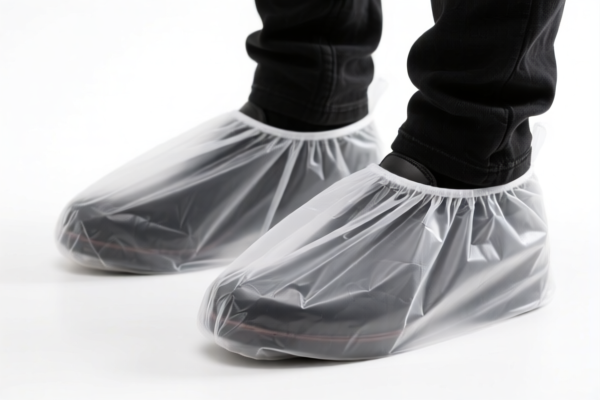
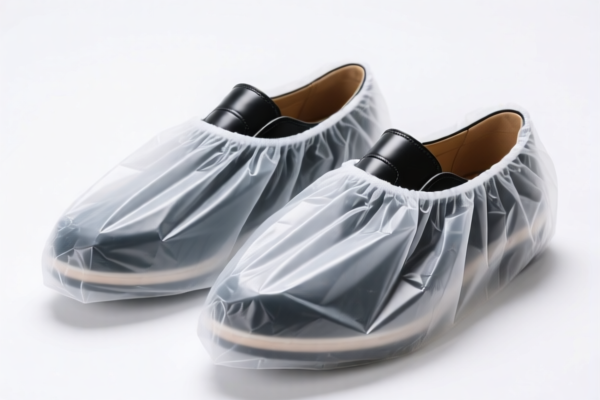
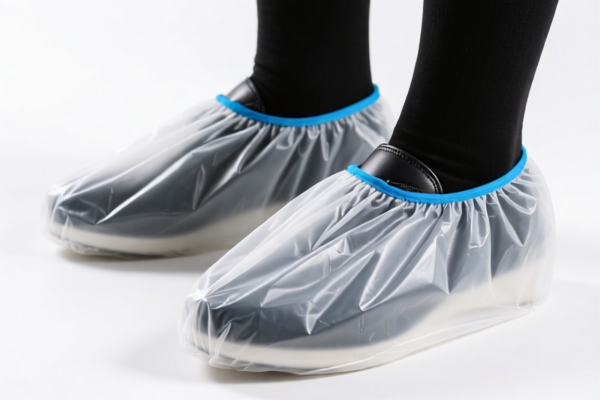
Acid and alkali resistant shoe covers are a critical subset of Personal Protective Equipment (PPE). They are designed to protect footwear from hazardous chemicals in laboratory, pharmaceutical, food processing, and industrial cleaning environments. However, in international trade, they are often confused with safety boots or protective garments, leading to significant tariff misclassifications.
Key Distinction: * Shoe Covers (Accessories/Attachments): Removable, flexible, non-structural items worn over existing shoes. Typically made of thin rubber, plastic, or laminated fabric. → HS 4015 / 3926 * Safety Boots (Footwear): Structured, permanent footwear designed to protect the entire foot. Usually has a sole, heel, and specific tread. → HS 6401
⚠️ Critical Classification Point:
- If the item is a removable sleeve that slips over a shoe → It is an Accessory (HS 4015 or 3926).
- If the item is a rigid or semi-rigid shoe with a sole and heel designed to replace normal footwear → It is Footwear (HS 6401).
- Misclassification Risk: Declaring structured boots as "shoe covers" to avoid higher footwear tariffs (55%) can lead to severe penalties, as HS 6401 rates are significantly higher than HS 4015 rates for many countries (including the US under current rules).
📦 Part 2: HS Code Classification Details (2026 Latest Tariff Authority对照)
| HS Code | Product Description | Application Scenario | Material/Structure | Tariff Rate (Total) |
|---|---|---|---|---|
4015.90.00.10 |
Sulfurized rubber protective clothing accessories, used for acid/alkali resistance. | Thin rubber shoe covers, chemical splash guards, removable protective sleeves. | Sulfurized Rubber | 39.0% |
3926.90.99.89 |
Other plastic or rubber articles, used for acid/alkali resistant shoe covers. | Disposable plastic shoe covers, non-rubber synthetic polymer covers. | Plastic/Non-sulfurized Rubber | 22.8% |
4015.90.00.50 |
Sulfurized rubber clothing and accessories (other than aprons), used for acid/alkali resistance. | Reusable rubber overalls, heavy-duty rubber leg/shoe covers (if classified as clothing accessory). | Sulfurized Rubber | 39.0% |
6401.99.60.00 |
Waterproof footwear, acid/alkali resistant (i.e., waterproof/chemical resistant), made of rubber or plastic. | Structured safety boots/shoes with rubber/plastic uppers and soles. | Rubber/Plastic Footwear | 55.0% |
6401.99.30.00 |
Protective footwear designed to prevent exposure to chemicals and adverse weather, non-sewn assembly. | High-end chemical resistance boots, molded rubber safety shoes (not sewn). | Rubber/Plastic Footwear | 42.5% |
🔍 Key Reminder:
- "Shoe Covers" (Slip-ons): Must be classified under 4015.90 or 3926.90. These are considered "accessories" or "other articles."
- "Safety Shoes/Boots" (Structured): Must be classified under 6401.99. These are considered "footwear."
- Tariff Impact: There is a ~30% difference between the highest footwear tariff (55%) and the lowest accessory tariff (22.8%). Accurate description is vital.
💰 Part 3: 2026 Latest Tariff Rate Breakdown (Including Surtax & Policy Add-ons)
✅ Applicable Country: United States (US)
✅ Origin: China (CN)
✅ Effective Time: 2025/2026 Current Rules (Section 301 & 122 Clauses)
🎯 1. 4015.90.00.10 & 4015.90.00.50 —— Sulfurized Rubber Protective Accessories
| Item | Content |
|---|---|
| Base Tariff | 4.0% (Ad Valorem) |
| Section 301 Surtax | +25.0% (USITC Footnote for Chinese Origin) |
| Section 122 Tariff | +10.0% (Specific Add-on for certain rubber/plastic goods) |
| Total Tariff | 39.0% |
| Tax Calculation | CIF Value × 39.0% |
| De Minimis Eligibility | ❌ No (Deny De Minimis for Section 301/122 goods) |
| Legal Basis Path | USITC:4015.90.00 → FOOTNOTE:Section 301 → Section 122 Add-on |
📌 Explanation:
- The 4.0% base rate applies to sulfurized rubber garments/accessories.
- The 25% surtax is standard for Chinese-origin rubber goods under Section 301.
- The 10% Section 122 tariff is a specific additional duty applicable to this category.
- Total: 39.0%. This is high but lower than structured footwear.
🎯 2. 3926.90.99.89 —— Other Plastic/Rubber Articles (Non-Sulfurized)
| Item | Content |
|---|---|
| Base Tariff | 5.3% |
| Section 301 Surtax | +7.5% |
| Section 122 Tariff | +10.0% |
| Total Tariff | 22.8% |
| Tax Calculation | CIF Value × 22.8% |
| De Minimis Eligibility | ❌ No |
| Legal Basis Path | USITC:3926.90.99 → FOOTNOTE:Section 301 (Lower Band) → Section 122 Add-on |
📌 Note:
- If your shoe covers are made of plastic (e.g., PE, PVC) or non-sulfurized rubber, this code often applies.
- The Section 301 surtax is lower (7.5%) compared to sulfurized rubber (25.0%), making plastic covers cheaper to import.
- Total: 22.8%. This is the most cost-effective option if material permits.
🎯 3. 6401.99.60.00 —— Waterproof Rubber/Plastic Footwear
| Item | Content |
|---|---|
| Base Tariff | 37.5% |
| Section 301 Surtax | +7.5% |
| Section 122 Tariff | +10.0% |
| Total Tariff | 55.0% |
| Tax Calculation | CIF Value × 55.0% |
| De Minimis Eligibility | ❌ No |
| Legal Basis Path | USITC:6401.99.60 → FOOTNOTE:Section 301 → Section 122 Add-on |
📌 Warning:
- This is the highest tariff in the dataset.
- Misclassifying a structured boot as a "shoe cover" to avoid this 55% rate is a common audit red flag.
- Total: 55.0%. Must be justified by strict adherence to "Footwear" definition.
🎯 4. 6401.99.30.00 —— Protective Non-Sewn Footwear
| Item | Content |
|---|---|
| Base Tariff | 25.0% |
| Section 301 Surtax | +7.5% |
| Section 122 Tariff | +10.0% |
| Total Tariff | 42.5% |
| Tax Calculation | CIF Value × 42.5% |
| De Minimis Eligibility | ❌ No |
| Legal Basis Path | USITC:6401.99.30 → FOOTNOTE:Section 301 → Section 122 Add-on |
📌 Note:
- Applies to molded or non-sewn protective footwear (e.g., one-piece rubber boots).
- Total: 42.5%. Lower than the 55% rate for other waterproof footwear, but still significantly higher than shoe covers.
🛠️ Part 4: Customs Clearance Practical Advice (Real-World Pitfall Guide)
✅ 1. Essential Documentation Checklist (No Exceptions)
| Document | Required | Explanation |
|---|---|---|
| ✅ Product Spec Sheet | ✔️ | Must clearly state: "Removable Shoe Cover," "Slip-on Design," "No Sole/Heel." |
| ✅ Material Composition | ✔️ | Specify if Sulfurized Rubber (HS 4015) vs. Plastic/Non-Sulfurized (HS 3926). |
| ✅ Product Photos (Side & Top) | ✔️ | Must show the item is flexible, lacks a rigid sole, and is designed to fit over another shoe. |
| ✅ Commercial Invoice | ✔️ | Use precise description: "Acid-Resistant Sulfurized Rubber Shoe Covers, Removable, Non-Structural." |
| ✅ Packaging List | ✔️ | Show units are packed individually or in rolls, not as paired shoes. |
| ✅ Third-Party Test Report | ✔️ | Proof of acid/alkali resistance (e.g., ASTM D4321). |
✅ 2. Declaration Techniques (Key Mnemonic)
🔥 “Cover is Slip-on, Boot has Sole. Name it Right, Save the Hole!”
| Scenario | Correct Declaration | Wrong Practice |
|---|---|---|
| Thin rubber sleeve that slips over sneaker | 4015.90.00.10 (39.0%) |
Declare as 6401.99.6000 → 55.0% (Overpay) |
| Plastic disposable cover | 3926.90.99.89 (22.8%) |
Declare as 4015 → 39.0% (Overpay) |
| Structured rubber boot with tread | 6401.99.60.00 (55.0%) |
Declare as 3926 → Risk of Seizure/Fine |
| Heavy rubber apron + cover set | 4015.90.00.50 (39.0%) |
Split incorrectly → Potential penalty |
⚠️ Critical Warning:
- If the product has a distinct sole, heel, or tread pattern designed for walking on rough terrain, it must be classified as Footwear (6401).
- "Shoe Covers" are generally flexible, thin, and lack structural support. They do not replace the shoe; they protect it.
✅ 3. Special Situation Handling
| Situation | Handling Advice |
|---|---|
| Custom Printed Shoe Covers | Still 4015 or 3926. Ensure description mentions "Printed" but not "Branded Footwear." |
| Reusable vs. Disposable | Material (Rubber vs. Plastic) determines HS Code, not reusability. Reusable plastic covers still use 3926. |
| Kit with Boots + Covers | Declare Separately. Boots go to 6401, Covers go to 4015/3926. Do not combine into one line item. |
| OEM for Chemical Plants | Provide client order + design specs. If design is unique, still follows material/structure rules. |
🌍 Part 5: Global Market Clearance Comparison (2026 Latest)
| Country/Region | Recommended HS Code | Tariff (China Origin) | Certification | Notes |
|---|---|---|---|---|
| 🇺🇸 USA | 4015.90.00.10 |
39.0% | FDA (if food contact), OSHA Compliance | High tariff, but lower than footwear (55%). |
| 🇺🇸 USA | 6401.99.60.00 |
55.0% | OSHA, ASTM | Avoid if it's a "cover." |
| 🇨🇳 China | 4015.90.00.10 |
~4-10% | CCC (if applicable) | Lower duties, easy clearance. |
| 🇪🇺 EU | 4015.90.00 |
~4.5% | CE Mark (PPE Regulation) | Standard PPE rules apply. |
| 🇬🇧 UK | 4015.90.00 |
~4.5% | UKCA Mark | Post-Brexit alignment with EU. |
| 🇦🇺 Australia | 4015.90.00 |
~5% | AS/NZS Standards | Check specific chemical resistance standards. |
📌 Conclusion:
- USA is the most complex market due to Section 301 and Section 122 tariffs.
- Europe/Asia has lower base tariffs, but strict PPE regulations (CE/UKCA) may apply.
- Key Cost Driver: The difference between 22.8% (Plastic Cover) and 55.0% (Rubber Boot) is 32.2%. Accurate classification saves massive money.
📌 Part 6: Common Mistakes & Pitfall Guide (Blood & Tears Lessons)
❌ Mistake 1: Calling a structured rubber boot a "Shoe Cover" to save 12.5%
👉 Consequence: Customs audit → Reclassification to 6401 → Back taxes + 10-20% penalty!
❌ Mistake 2: Declaring all rubber items as 3926 (Plastic) when they are Sulfurized Rubber
👉 Consequence: Incorrect HS Code → Tariff drops from 39% to 22.8% temporarily, but later flagged → Refund + Interest + Audit.
❌ Mistake 3: Ignoring "Section 122" Tariff
👉 Consequence: Underestimating cost by 10%. Budgeting error leads to margin loss.
❌ Mistake 4: Poor Product Photography
👉 Consequence: CBP cannot distinguish between "Cover" and "Boot." → Detention for Inspection → Delayed shipment.
✅ Correct Practice:
"Sulfurized Rubber Chemical Splash Shoe Covers, Removable, Slip-On Design, No Sole/Heel, Model XYZ, ASTM D4321 Compliant."
🎯 Part 7: Conclusion: Professional Declaration, Save Cost, Ensure Compliance!
🎯 Remember the Mnemonic:
🔹 "Cover = Slip-On = 4015/3926 (22-39%)
Boot = Sole/Heel = 6401 (42-55%)
Get it wrong = Pay double or get fined!"🔹 "Material matters: Sulfurized Rubber (39%) vs. Plastic (22.8%). Choose wisely!"
📌 Pro Tip:
If your shoe covers are non-Chinese (e.g., made in Vietnam or Thailand), you may qualify for zero Section 301 tariffs.
However, Section 122 may still apply. Check origin rules carefully.
Recommendation: Always request an Advance Ruling from CBP if the product structure is borderline (e.g., thick covers with slight tread).
📣 Immediate Action:
📞 Contact your freight forwarder + Provide clear product images + Confirm material composition
🚀 Accurate HS Code = Lower Duty = Higher Profit Margin!
✨ Professional Clearance Starts with Precise Classification!
💼 Every cent counts in international trade!
用户评价
关于 HS 编码归类
协调制度(HS)是由世界海关组织(WCO)制定的国际贸易商品分类标准。全球 200 多个国家采用 HS 系统作为海关关税、贸易统计和进出口监管的基础。
每个 HS 编码遵循以下层级结构:
- 章(2 位)——商品大类(例如:第 84 章:机器和机械设备)
- 品目(4 位)——章内的更具体分类
- 子目(6 位)——国际通用细分,所有 WCO 成员国统一使用
- 本国细分(8-10 位)——各国自行扩展的细分编码,如美国 HTSUS 10 位编码
正确的 HS 编码归类对于顺利通关、准确缴纳关税和遵守贸易法规至关重要。错误归类可能导致海关延误、多缴关税或罚款。
从CN进口到US时,适用的关税税率可能包括:
- 最惠国(MFN)税率——适用于 WTO 成员国的标准关税税率
- 普通税率——适用于无贸易协定国家
- 贸易救济关税——附加关税,如 301 条款(反倾销)、232 条款(国家安全)或反补贴税
本页内容仅供参考。如需正式归类,请咨询当地海关或持牌报关代理。