Activated Carbon Deodorizing Fiber
CN → US| HS编码 | 关税税率 | 原产国 | 目的国 | 文档 |
|---|---|---|---|---|
| 3802100050 | 39.8% | CN | US | 官方文档 |
| 7019199100 | 39.2% | CN | US | 官方文档 |
| 7019133500 | 39.2% | CN | US | 官方文档 |
| 3802100020 | 39.8% | CN | US | 官方文档 |
| 5602290000 | 41.3% | CN | US | 官方文档 |
商品图片
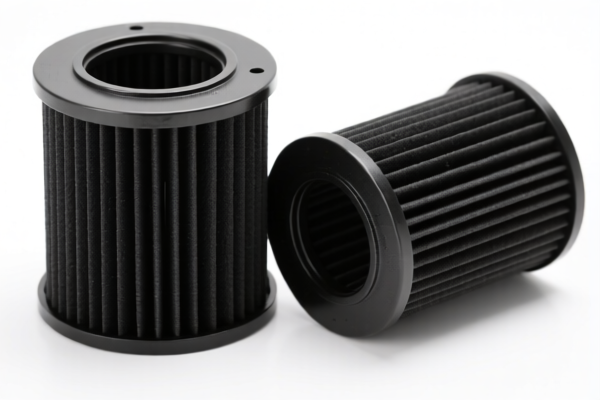
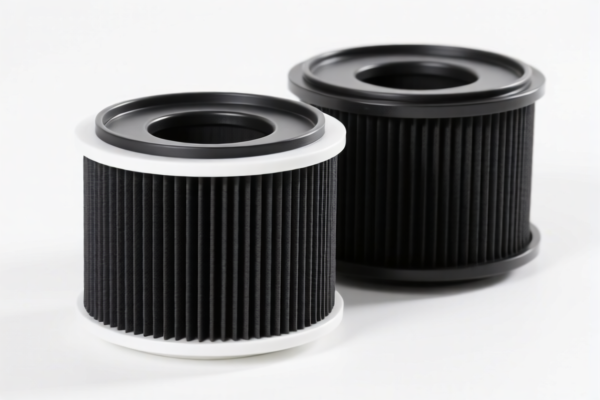
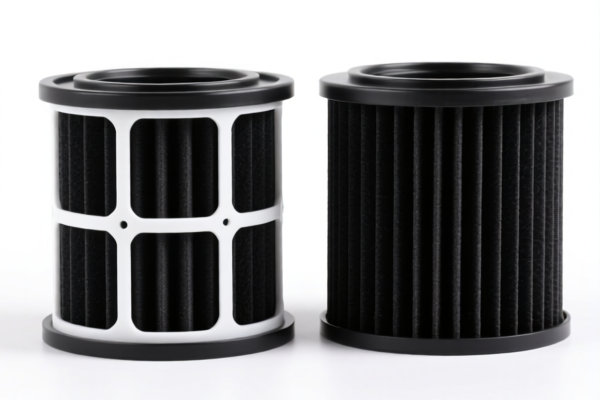

AI分析
🌬️ Activated Carbon Deodorizing Fiber (活性炭除味纤维)
🌐 HS Code Reference & Customs Clearance Guide | 2026 Latest Tariff Analysis | Professional Clearance Strategy 📌 I. Product Definition & Classification: What is "Activated Carbon Deodorizing Fiber"?
"Activated Carbon Deodorizing Fiber" typically refers to a composite functional material. It combines the adsorption properties of activated carbon with the structural form of fibers or textile materials. In international trade, precise classification depends on the primary material attribute and physical form:
- Activated Carbon Fibers (ACF): If the fiber itself is carbonized and activated (e.g., PAN-based or pitch-based ACF), it falls under Chapter 38 (Chemical Products).
- Carbon Fiber with Carbon Coating: If the base is carbon fiber (Chapter 70) but treated with activated carbon for adsorption, classification might still lean towards Chapter 70 or 38 depending on the manufacturing process and primary function.
- Textile Fibers impregnated with Carbon: If the base is a textile material (e.g., polyester, nylon) coated with activated carbon, it may fall under Chapter 56 (Non-wovens/Impregnated Textiles) or Chapter 38.
⚠️ Key Distinction Point: - If the material is primarily activated carbon in fibrous form → HS Code 3802.10 - If the material is primarily carbon fiber (structural/technical) with carbon function → HS Code 7019 - If the material is primarily textile fiber coated/impregnated → HS Code 5602
📦 II. HS Code Classification Details (2026 Latest Tariff Authority对照)
| HS Code | Product Description | Application Scenario | Key Attribute |
|---|---|---|---|
3802.10.00.50 |
Activated Carbon Fibers, classified as "Other Activated Carbon," with highly consistent material composition. | High-end air purification, automotive cabins, medical masks. | ✅ Activated Carbon |
7019.19.91.00 |
Carbon Fiber/Staple Fibers/Felts, used for air purification, conforming to staple/felt morphology. | Industrial air filters, HVAC systems, technical filtration. | ✅ Carbon Fiber |
7019.13.35.00 |
Carbon Fiber/Yarn, classified under "Other" for filament/yarn attributes. | Composite materials, high-strength filtration structures. | ✅ Carbon Fiber |
3802.10.00.20 |
Activated Carbon Processed Form, conforms to material characteristics of activated carbon category. | General activated carbon products in non-powder form. | ✅ Activated Carbon |
5602.29.00.00 |
Textile Material Fibers, uncoated or unlayered, fitting "Other Textile Material" characteristics. | Note: Data indicates uncoated, but product name implies carbon. Check if this is a misclassification or specific textile base. | ✅ Textile Base |
🔍 Critical Reminder: - 3802.10 is for Activated Carbon itself. If the fiber is the activated carbon, use this. - 7019 is for Carbon Fibers. If the base is carbon fiber (not necessarily "activated" in the chemical sense of adsorption surface area, but functional), use this. - 5602 is for Textile Felt/Non-wovens. If the product is a textile fabric/felt that happens to have carbon properties, use this. However, the data says "uncoated," which contradicts "Activated Carbon." Verify if the product is truly uncoated or if this is a fallback code.
💰 III. 2026 Latest Tariff Rate Breakdown (Including Additional Taxes & Policy Surcharges)
✅ Applicable Country: USA (US) ✅ Country of Origin: China (CN) ✅ Effective Date: 2025 Nov 10 onwards (for subsequent imports)
🎯 1. 3802.10.00.50 & 3802.10.00.20 —— Activated Carbon Products (Fibrous/Processed)
| Item | Content |
|---|---|
| Base Tariff Rate | 4.8% (Ad Valorem) |
| Section 301 Tariff (Additional) | +25.0% |
| Section 122 Tariff (Additional) | +10.0% |
| Total Tariff Rate | 39.8% |
| Tax Calculation | CIF Value × 39.8% |
| De Minimis Exemption | ❌ Not Eligible (Section 301 and 122 tariffs generally apply to de minimis shipments from China) |
| Legal Basis Path | USITC:3802.10.00 → FOOTNOTE:301 → IEEPA:122 |
📌 Explanation: - 4.8% Base: Standard MFN rate for activated carbon. - 25% Section 301: Trump-era/Biden-maintained tariff on Chinese chemical products. - 10% Section 122: Recent addition for national security/economic security concerns. - Total: 39.8%. This is a high-cost category. Cost calculation must include this burden.
🎯 2. 7019.19.91.00 & 7019.13.35.00 —— Carbon Fibers (Staple/Felt/Yarn)
| Item | Content |
|---|---|
| Base Tariff Rate | 4.2% (Ad Valorem) |
| Section 301 Tariff (Additional) | +25.0% |
| Section 122 Tariff (Additional) | +10.0% |
| Total Tariff Rate | 39.2% |
| Tax Calculation | CIF Value × 39.2% |
| De Minimis Exemption | ❌ Not Eligible |
| Legal Basis Path | USITC:7019.19 → FOOTNOTE:301 → IEEPA:122 |
📌 Note: - Carbon fibers are often considered strategic materials. The 39.2% rate is still very high. - Ensure the product is truly "Carbon Fiber" and not "Activated Carbon Fiber" (which is 3802). The distinction is chemical activation vs. structural carbonization.
🎯 3. 5602.29.00.00 —— Other Textile Materials (Non-woven/Felt)
| Item | Content |
|---|---|
| Base Tariff Rate | 6.3% (Ad Valorem) |
| Section 301 Tariff (Additional) | +25.0% |
| Section 122 Tariff (Additional) | +10.0% |
| Total Tariff Rate | 41.3% |
| Tax Calculation | CIF Value × 41.3% |
| De Minimis Exemption | ❌ Not Eligible |
| Legal Basis Path | USITC:5602.29 → FOOTNOTE:301 → IEEPA:122 |
📌 Warning: - This has the highest total tariff (41.3%). - Crucial Check: The data says "uncoated/unlayered." If your product is Activated Carbon Fiber, classifying it as
5602(textile) is incorrect and risky. It should be3802. Misclassification can lead to penalties, delays, and back-taxes. Only use5602if the base is truly a textile non-woven with no carbon coating (which contradicts the product name "Activated Carbon"). Do not use this unless explicitly confirmed by a customs broker that the carbon is not the primary function or material.
🛠️ IV. Customs Clearance Practical Advice (Real-World Pitfall Avoidance Guide)
✅ 1. Required Documentation Checklist (Non-negotiable)
| Document | Must Provide | Explanation |
|---|---|---|
| ✅ Product Specification Sheet | ✔️ | Must detail: Base material (Carbon vs. Textile), Activation process, Adsorption capacity, Form (Fiber/Yarn/Felt). |
| ✅ Material Safety Data Sheet (MSDS) | ✔️ | For chemical safety, especially if particulates are involved. |
| ✅ Product Photos (Close-up & Whole) | ✔️ | Show texture. Is it a hard fiber or soft felt? |
| ✅ Certificate of Origin (CO) | ✔️ | To prove Chinese origin (triggers tariffs). If re-exported from Vietnam/Malaysia, ensure no substantial transformation occurred. |
| ✅ Commercial Invoice | ✔️ | Must accurately describe as "Activated Carbon Fiber" or "Carbon Fiber Filament," not vague terms like "Fiber Material." |
| ✅ Packaging List | ✔️ | Clear description of contents. |
✅ 2. Declaration Strategy (Key Mantras)
🔥 "Material Determines Code, Function Follows Form, Description Must Be Precise!"
| Scenario | Correct Declaration | Wrong Practice |
|---|---|---|
| Activated Carbon Fibers (ACF) | HS: 3802.10.00.50Description: "Activated Carbon Fibers, PAN-based, high adsorption capacity" |
Calling it "Textile Fiber" → 41.3% tax + Misclassification penalty |
| Carbon Fiber Felt/Staple | HS: 7019.19.91.00Description: "Carbon Fiber Staple Fiber Felt, for filtration" |
Calling it "Activated Carbon" → Potential dispute over chemical nature |
| Carbon Yarn | HS: 7019.13.35.00Description: "Carbon Fiber Yarn, continuous filament" |
Vague "Fiber Yarn" |
| Textile Felt (Non-Carbon) | HS: 5602.29.00.00Description: "Polyester Non-woven Felt" |
Calling it "Activated Carbon" when it isn't |
✅ 3. Special Handling
| Situation | Handling Advice |
|---|---|
| OEM/Custom Orders | Provide end-use documentation. If used for medical or military, additional restrictions may apply. |
| Mixed Shipments | Do not mix 3802 and 7019 in one HS code line. Declare separately. |
| Re-export from Third Country | If shipped from Vietnam, ensure Origin Certificate proves substantial transformation. Otherwise, US CBP may still apply China tariffs. |
🌍 V. Global Market Comparison (2026 Latest)
| Country/Region | Recommended HS Code | Tariff (China Origin) | Certification Requirements | Notes |
|---|---|---|---|---|
| 🇺🇸 USA | 3802.10.00.50 or 7019 |
39.2% - 41.3% | None specific for fiber, but safety data required. | Highest cost market. |
| 🇨🇳 China | 3802.10.00 |
Low (0-5%) | N/A | Domestic duty. |
| 🇪🇺 EU | 3802.10 |
~4.5% | REACH Registration | No Section 301/122 equivalent. |
| 🇬🇧 UK | 3802.10 |
~4.5% | UK REACH | Post-Brexit rules apply. |
| 🇯🇵 Japan | 3802.10 |
~4.0% | PSE (if electrical component) | Low tariff environment. |
📌 Conclusion: - USA is the most expensive market due to the 35-40% total tariff. - EU and Japan offer significantly lower duty costs (~4-5%). - Strategy: If targeting the US, consider supply chain diversification (e.g., sourcing from ASEAN if legally compliant) or price absorption.
📌 VI. Common Errors & Pitfall Guide (Lessons Learned)
❌ Error 1: Classifying Activated Carbon Fibers as 5602.29 (Textile) to avoid high tariffs.
👉 Consequence: CBP audit will reclassify to 3802, apply 39.8% tariff, and impose penalties for misdeclaration.
✅ Fix: Always use 3802.10 for activated carbon fibers.
❌ Error 2: Confusing "Carbon Fiber" (structural) with "Activated Carbon Fiber" (adsorptive).
👉 Consequence: Misclassification between 7019 and 3802. While both have similar high tariffs, regulatory requirements differ.
✅ Fix: Provide material test reports proving activation status.
❌ Error 3: Omitting "Section 122" (10%) in cost calculation. 👉 Consequence: Underquoting, leading to cash flow issues upon customs payment. ✅ Fix: Always add 35% (301 + 122 + Base) to your landed cost model for China-origin carbon products to the US.
❌ Error 4: Using "De Minimis" (Section 321) for shipments < $800. 👉 Consequence: Customs will deny de minimis status for Section 301/122 goods from China. Goods will be held for formal entry. ✅ Fix: Plan for formal entry even for small shipments.
🎯 VII. Conclusion: Professional Declaration Saves Money!
🎯 Remember the Mantra:
🔹 "Activated Carbon = 3802 (39.8%)" 🔹 "Carbon Fiber = 7019 (39.2%)" 🔹 "Textile Felt = 5602 (41.3%)" 🔹 "China Origin + USA = High Tariffs, No De Minimis!"
📌 Pro Tip: If your product is used for environmental protection or air purification, emphasize this in the description for potential exclusions or duty drawback programs if re-exported.
📣 Immediate Action:
📞 Consult a Licensed Customs Broker to confirm the primary character of your fiber (Chemical Activation vs. Structural Carbon). 🚀 Calculate Landed Cost including 39.8% Tariff. ✨ Accurate Declaration = Smooth Clearance + Cost Control!
✨ Professional Customs Clearance Starts with Precise Classification! 💼 Every Cent of Tariff is Worth Calculating!
用户评价
关于 HS 编码归类
协调制度(HS)是由世界海关组织(WCO)制定的国际贸易商品分类标准。全球 200 多个国家采用 HS 系统作为海关关税、贸易统计和进出口监管的基础。
每个 HS 编码遵循以下层级结构:
- 章(2 位)——商品大类(例如:第 84 章:机器和机械设备)
- 品目(4 位)——章内的更具体分类
- 子目(6 位)——国际通用细分,所有 WCO 成员国统一使用
- 本国细分(8-10 位)——各国自行扩展的细分编码,如美国 HTSUS 10 位编码
正确的 HS 编码归类对于顺利通关、准确缴纳关税和遵守贸易法规至关重要。错误归类可能导致海关延误、多缴关税或罚款。
从CN进口到US时,适用的关税税率可能包括:
- 最惠国(MFN)税率——适用于 WTO 成员国的标准关税税率
- 普通税率——适用于无贸易协定国家
- 贸易救济关税——附加关税,如 301 条款(反倾销)、232 条款(国家安全)或反补贴税
本页内容仅供参考。如需正式归类,请咨询当地海关或持牌报关代理。