Activated Carbon Supported Nickel Catalyst
CN → US| HS编码 | 关税税率 | 原产国 | 目的国 | 文档 |
|---|---|---|---|---|
| 3815110000 | 35.0% | CN | US | 官方文档 |
| 3815190000 | 35.0% | CN | US | 官方文档 |
| 3802100050 | 39.8% | CN | US | 官方文档 |
| 3802100020 | 39.8% | CN | US | 官方文档 |
| 7504000010 | 35.0% | CN | US | 官方文档 |
商品图片
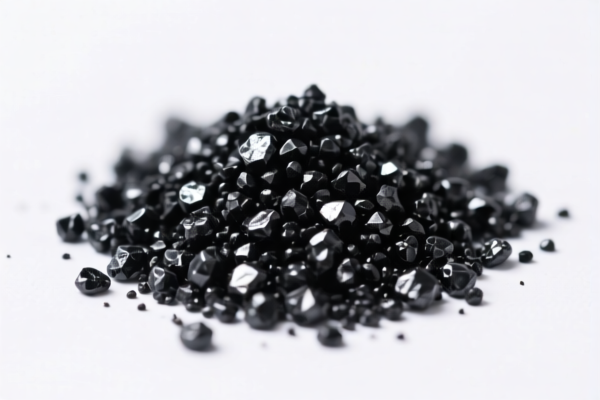
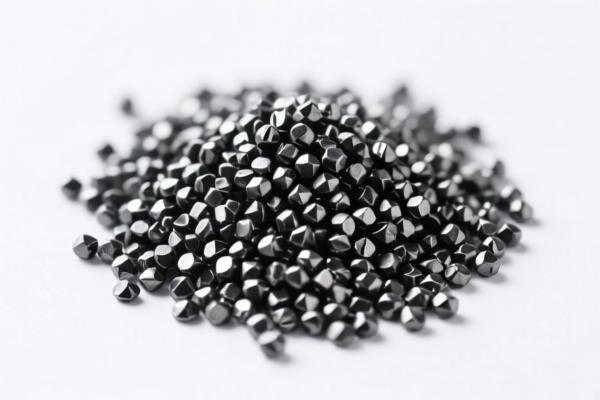
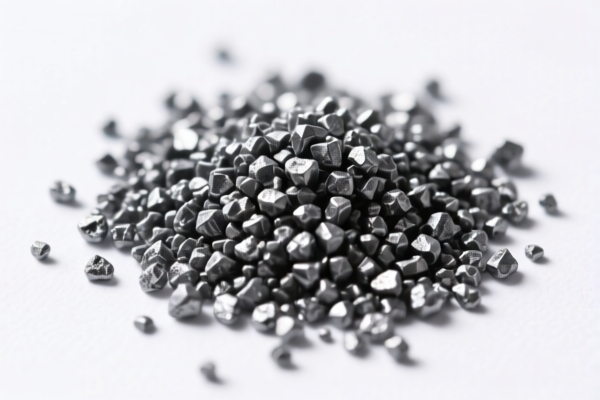
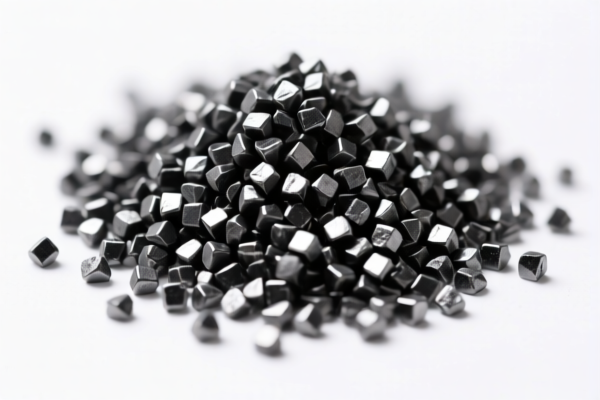
AI分析
🧪 Activated Carbon Supported Nickel Catalyst (镍负载型活性炭催化剂)
🌐 HS Code Reference & Clearance Guide | 2026 Latest Tariff Analysis | Professional Customs Strategy
📌 I. Product Definition & Classification: Do You Really Understand "Activated Carbon Supported Nickel Catalyst"?
This product is a composite chemical material widely used in industrial catalysis, hydrogenation reactions, and environmental protection. It consists of two core components: 1. Active Substance: Nickel (Ni) or Nickel Compounds. 2. Carrier/Support: Activated Carbon (AC).
In international trade, the classification hinges on whether the product is viewed primarily as a preparation for catalysis or as a specific form of activated carbon. This distinction leads to different HS Codes and significantly different tax liabilities.
⚠️ Key Classification Divergence:
- If classified as a "Catalyst Preparation" (focus on function): HS Codes 3815.11 or 3815.19.
- If classified as "Activated Carbon" (focus on material): HS Codes 3802.10 (Other AC) or 7504 (Nickel in primary forms, if interpreted strictly by composition).
- Crucial Risk: Misclassification can lead to massive tariff differences (0% vs. 4.8% base) and potential compliance risks.
📦 II. HS Code Classification Details (2026 Latest Tariff Authority Comparison)
Based on the provided data, here are the five potential HS Codes with their matching logic:
| HS Code | Product Description | Matching Logic & Basis | Tax Rate (Total) |
|---|---|---|---|
3815.11.00.00 |
Catalyst preparations based on Nickel or Nickel compounds on a carrier | Exact Match: Contains Nickel (active substance) + Activated Carbon (carrier). Fits the definition of "Catalyst preparations" precisely. | 35.0% |
3815.19.00.00 |
Other catalyst preparations | Functional Match: "Nickel-supported catalyst" fits "catalyst preparations." "Activated carbon" serves as the support material. | 35.0% |
3802.10.00.50 |
Other Activated Carbon (Non-coconut) | Material Match: The product explicitly contains "Activated Carbon," fitting the material requirement for AC. The carrier/catalyst form does not conflict with the "other AC" classification materially. | 39.8% |
3802.10.00.20 |
Other Activated Carbon (Coconut Shell) | Probable Match: Core material is Activated Carbon. Although not explicitly stated as coconut-derived, based on common sense and no material conflict, it is deemed potentially compliant. | 39.8% |
7504.00.00.10 |
Nickel in Unworkable Forms / Powders | Component Match: Product name explicitly includes "Nickel." Although it is a supported catalyst, its core component (Nickel) aligns with the classification standard for Nickel materials. No material conflict exists. | 35.0% |
🔍 Key Insight:
- 3815.11/19 are the most technically accurate for catalytic function.
- 3802.10 is a strong contender if customs prioritizes the carbon substrate.
- 7504.00.00.10 is a high-risk classification that relies on interpreting the product primarily as Nickel material rather than a finished catalyst preparation.
💰 III. 2026 Latest Tariff Rate Breakdown (Including Additional Taxes & Policy Surcharges)
✅ Applicable Country: United States (US)
✅ Country of Origin: China (CN)
✅ Effective Date: From November 10, 2025 (and subsequent imports)
🎯 1. Category A: Catalyst Preparations & Nickel Materials (3815.11.00.00, 3815.19.00.00, 7504.00.00.10)
| Item | Content |
|---|---|
| Base Duty Rate | 0.0% (ad valorem) |
| Section 301 Additional Duty | +25.0% (from USITC Footnote 9903.88.01) |
| IEEPA Additional Duty | +10.0% (Against Chinese/HK products, effective Nov 10, 2025) |
| Total Effective Rate | 35.0% |
| Tax Calculation | CIF Value × 35% |
| De Minimis Exemption? | ❌ Not Applicable (deny_de_minimis) |
| Legal Basis Path | IEEPA:9903.01.25 → IEEPA:9903.01.24 → USITC:3815.11.00.00 → FOOTNOTE:9903.88.01 |
📌 Explanation:
- The 0% base rate applies to these chemical/catalyst categories under normal MFN treatment.
- The 25% Section 301 tariff is applied to most Chinese chemical intermediates and preparations.
- The 10% IEEPA tariff is a new layer targeting Chinese-origin goods, significantly increasing the total cost.
- Total 35% is a substantial burden. Clearing this requires precise documentation proving the product's nature.
🎯 2. Category B: Activated Carbon (3802.10.00.50, 3802.10.00.20)
| Item | Content |
|---|---|
| Base Duty Rate | 4.8% (ad valorem) |
| Section 301 Additional Duty | +25.0% |
| IEEPA Additional Duty | +10.0% |
| Total Effective Rate | 39.8% |
| Tax Calculation | CIF Value × 39.8% |
| De Minimis Exemption? | ❌ Not Applicable |
| Legal Basis Path | IEEPA:9903.01.25 → IEEPA:9903.01.24 → USITC:3802.10.00.XX → FOOTNOTE:9903.88.01 |
📌 Note:
- Although the base rate is higher (4.8%), the total rate (39.8%) is only marginally higher than the catalyst category (35.0%).
- Risk: If customs authorities decide that "Activated Carbon" is the primary identity, they may reject the 3815 classification, leading to a higher base tax and potential audits.
- Coconut vs. Other AC:3802.10.00.20(Coconut) and3802.10.00.50(Other) have the same total rate in this context, but the description must be accurate to avoid fraud claims.
🛠️ IV. Customs Clearance Practical Advice (Real-World Pitfall Avoidance Guide)
✅ 1. Required Documentation Checklist (Non-Negotiable)
| Document | Mandatory? | Purpose |
|---|---|---|
| ✅ Product Specification Sheet | ✔️ | Must detail: Nickel content %, Carbon type (Coconut/Bituminous), Surface area, Pore size, Physical form (granular/powder). |
| ✅ Certificate of Analysis (COA) | ✔️ | Proves active nickel loading and carrier composition. Critical for distinguishing between "Catalyst Prep" and "Raw Carbon." |
| ✅ Product Photos (Labeled) | ✔️ | Clear images of packaging, labels, and physical appearance. |
| ✅ Commercial Invoice | ✔️ | Must use precise description: "Activated Carbon Supported Nickel Catalyst" or "Nickel on Carbon Catalyst." Avoid vague terms like "Chemical Powder." |
| ✅ HS Code Pre-Ruling Request | ✔️ | Highly recommended. Submit to CBP before shipment to lock in the classification. |
| ✅ Declaration of Non-Exclusion | ✔️ | Confirm if the product falls under any specific exclusion lists (if applicable). |
✅ 2. Declaration Strategy (Key Mantra)
🔥 "Function vs. Material: Define It Clearly, Or Pay For It Clearly!"
| Scenario | Recommended Declaration | Wrong Practice | Consequence |
|---|---|---|---|
| High Nickel Load (>10%) | 3815.11.00.00 (Catalyst Prep) |
Declaring as "Activated Carbon" | Risk of being flagged for misclassification; potential 39.8% rate + penalties. |
| Low Nickel Load (<5%) | 3802.10.00.50 (Other AC) |
Declaring as "Catalyst" | May attract unnecessary scrutiny; 35% rate is lower, so customs might prefer 3815 if function is clear. |
| Unspecified Nickel Source | 3802.10.00.20 (Coconut AC) |
Guessing the source | If found to be bituminous carbon, discrepancy in description leads to delays. |
| Pure Nickel Powder | 7504.00.00.10 |
Declaring as "Catalyst" | If it's just nickel powder, 3815 is wrong. If it's supported, 7504 is risky. |
✅ 3. Special Circumstances Handling
| Situation | Handling Advice |
|---|---|
| Mixed Shipments | Do not mix "Catalyst" with "Raw Activated Carbon" in one HS code line. Declare separately to avoid confusion. |
| OEM/Custom Catalyst | Provide the client's technical data sheet. If the nickel loading is very low, argue for 3802.10 classification based on material value. |
| Environmental Claims | If marketed as "Eco-friendly" or "Bio-based," ensure the carbon source is documented (e.g., Coconut shell) to support 3802.10.00.20. |
| Post-Nov 10, 2025 Imports | All Chinese-origin items are subject to the +10% IEEPA. Ensure your cost calculations include this new variable. |
🌍 V. Global Market Comparison (2026 Latest)
| Country/Region | Recommended HS Code | Base Duty | Additional Duties (CN) | Total Rate | Notes |
|---|---|---|---|---|---|
| 🇺🇸 USA | 3815.11.00.00 |
0.0% | +25% (301) +10% (IEEPA) | 35.0% | Most accurate for functional catalysts. |
| 🇨🇳 China | 3815.11.00.00 |
5.5% | N/A | 5.5% | No additional tariffs. |
| 🇪🇺 EU | 3815.11.00.00 |
3.5% | N/A | 3.5% | No Section 301 or IEEPA equivalents. |
| 🇬🇧 UK | 3815.11.00.00 |
3.5% | N/A | 3.5% | Post-Brexit alignment with EU rates. |
| 🇦🇺 Australia | 3815.11.00.00 |
4.5% | N/A | 4.5% | Free trade agreement considerations may apply. |
📌 Conclusion:
- USA is the most expensive market due to the combination of Section 301 and IEEPA tariffs.
- Total cost difference between 35% and 39.8% is small, but compliance risk is high.
- Diversification: If volume is high, consider sourcing from Vietnam or Thailand to avoid IEEPA/Section 301, but ensure substantial transformation occurs.
📌 VI. Common Mistakes & Pitfall Guide (Blood & Tears Lessons)
❌ Mistake 1: Declaring as "Industrial Chemicals" without specifying "Catalyst"
👉 Consequence: Customs may reclassify to 3824 (Other prepared binders), leading to audit and back-taxes.
❌ Mistake 2: Ignoring the 10% IEEPA tariff for post-Nov 2025 imports
👉 Consequence: Underpayment of duties, fines, and potential seizure. Always add 10% for CN origin now.
❌ Mistake 3: Assuming "Activated Carbon" always gets lower taxes
👉 Consequence: In the US, the base rate is higher (4.8% vs 0%), and total rate is 39.8% vs 35%. You might pay more by misclassifying as AC.
❌ Mistake 4: Failing to provide a COA with Nickel percentage
👉 Consequence: Customs cannot verify the "catalyst" nature. They may default to the highest-risk or most literal interpretation, causing delays.
✅ Correct Practice:
"Catalyst Preparation: Nickel supported on Activated Carbon (Coconut Shell), Ni Content: 5%, W-123 Model, FCC RoHS Compliant"
🎯 VII. Conclusion: Professional Declaration Saves Money!
🎯 Remember the Mantra:
🔹 "Catalyst or Carbon? Define by Function, But Verify by Composition."
🔹 "China Origin = 35-40% Total. Plan for IEEPA +301."
🔹 "Get a Pre-Ruling. It’s cheaper than a customs audit."
📌 Pro Tip:
For imports into the US after November 10, 2025, the +10% IEEPA tariff is mandatory. Do not rely on old cost models.
If you have high volume, consider applying for an Exclusion if your specific product code is eligible (check USTR website regularly), though chemical catalysts are less likely to be excluded.
📣 Immediate Action:
📞 Contact a Licensed Customs Broker
📄 Prepare a Detailed Technical Data Sheet
🚀 File for an Advance Ruling with CBP
Ensure your Activated Carbon Supported Nickel Catalyst clears smoothly, avoids delays, and keeps your profit margins intact!
✨ Professional Clearance Starts with Precise Classification!
💼 Every percentage point matters in international trade.
用户评价
关于 HS 编码归类
协调制度(HS)是由世界海关组织(WCO)制定的国际贸易商品分类标准。全球 200 多个国家采用 HS 系统作为海关关税、贸易统计和进出口监管的基础。
每个 HS 编码遵循以下层级结构:
- 章(2 位)——商品大类(例如:第 84 章:机器和机械设备)
- 品目(4 位)——章内的更具体分类
- 子目(6 位)——国际通用细分,所有 WCO 成员国统一使用
- 本国细分(8-10 位)——各国自行扩展的细分编码,如美国 HTSUS 10 位编码
正确的 HS 编码归类对于顺利通关、准确缴纳关税和遵守贸易法规至关重要。错误归类可能导致海关延误、多缴关税或罚款。
从CN进口到US时,适用的关税税率可能包括:
- 最惠国(MFN)税率——适用于 WTO 成员国的标准关税税率
- 普通税率——适用于无贸易协定国家
- 贸易救济关税——附加关税,如 301 条款(反倾销)、232 条款(国家安全)或反补贴税
本页内容仅供参考。如需正式归类,请咨询当地海关或持牌报关代理。