Aircraft Landing Gear Tire
CN → US| HS编码 | 关税税率 | 原产国 | 目的国 | 文档 |
|---|---|---|---|---|
| 4011300010 | 35.0% | CN | US | 官方文档 |
| 4012130010 | 35.0% | CN | US | 官方文档 |
| 4012201010 | 35.0% | CN | US | 官方文档 |
商品图片
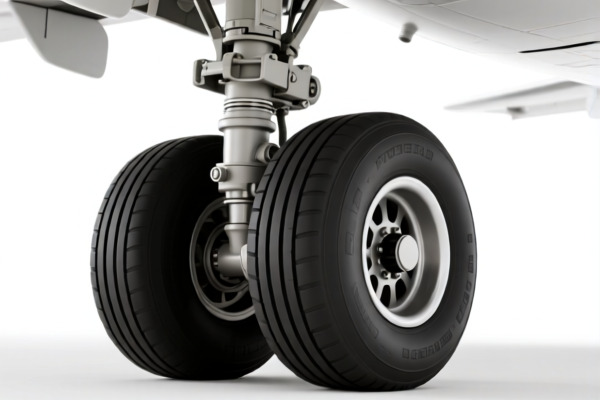
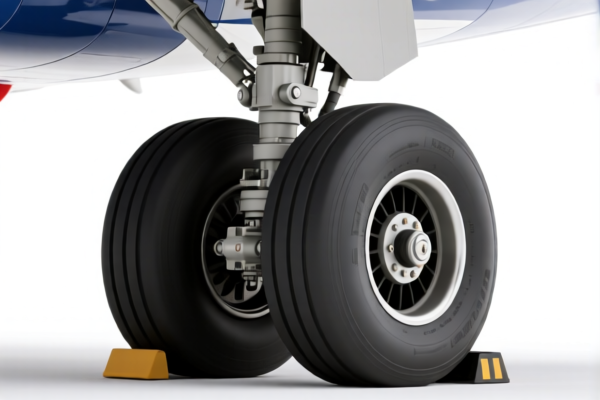
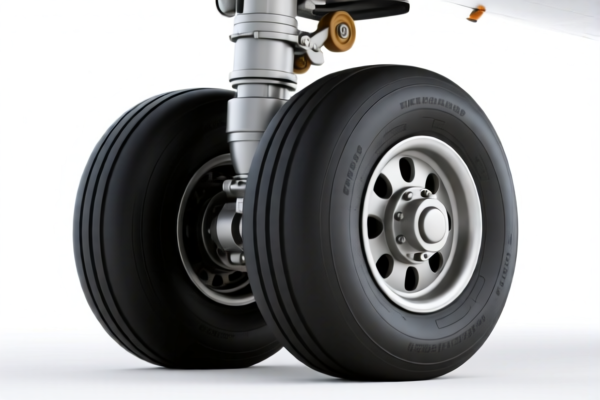
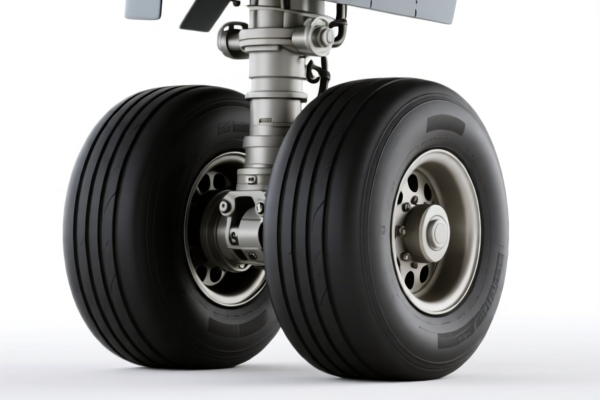
AI分析
🛩️ Aircraft Landing Gear Tire (Aviation Pneumatic Tires)
🌐 HS Code Reference & Customs Clearance Guide | 2026 Tariff Breakdown | Professional Entry Strategy
📌 1. Product Definition & Classification: What Exactly is an "Aircraft Landing Gear Tire"?
Aviation tires are high-performance, reinforced pneumatic tires designed to withstand extreme loads, high-speed impacts during landing, and significant thermal stress during braking. Unlike automotive tires, they are engineered for specific aircraft applications (civil aviation).
In international trade, these are strictly classified under Chapter 40 (Rubber and Articles Thereof), specifically under heading 4011. The classification depends on whether the tire is new, repaired/retreaded, or a specific type of pneumatic tube-type tire.
⚠️ Key Distinction Point: - New Pneumatic Tires: Generally fall under
4011.30.00.10or4012.20.10.10. - Retreaded/Repaired Tires: Fall under4012.13.00.10. - Material: Must be rubber-based. Non-rubber aviation tires (e.g., solid foam) are excluded from this specific data set.
📦 2. HS Code Classification Matrix (2026 Latest Tariff Schedule)
Based on the provided <DATA>, here is the precise mapping for Aircraft Landing Gear Tires:
| HS Code | Product Description | Specific Application | Material |
|---|---|---|---|
4011.30.00.10 |
New Pneumatic Tyres | Civil Aviation Aircraft | Rubber |
4012.13.00.10 |
Retreaded/Repaired Pneumatic Tyres | Civil Aviation Aircraft | Rubber |
4012.20.10.10 |
Pneumatic Tubes (Specific Type) | Civil Aviation Aircraft | Rubber |
🔍 Critical Clarification: -
4011.30.00.10is the standard code for new aviation tires. This is the most common classification for new imports. -4012.13.00.10applies if the tire has been retreaded (re-capped) or repaired. This is common in maintenance, repair, and overhaul (MRO) shipments. -4012.20.10.10refers to specific pneumatic tube configurations within the aviation sector.
💰 3. 2026 Tariff Rate Breakdown (Detailed Tax Analysis)
✅ Target Market: USA (United States)
✅ Origin: China (CN)
✅ Effective Date: Applies to imports post-2026 (based on current trade policies)
All three HS Codes listed in the <DATA> share the same tax structure due to their nature as Chinese-origin rubber goods targeted by specific trade measures.
🎯 Unified Tax Structure for All Aviation Tires Listed
| Item | Detail |
|---|---|
| Base Tariff (MFN) | 0.0% (Most Favored Nation rate) |
| Section 301 Retaliatory Tariff | +25.0% (Additional duty on Chinese goods) |
| Section 122 Tariff | +10.0% (Specific duty under Section 122) |
| Total Effective Duty Rate | 35.0% |
| Calculation Basis | CIF Value (Cost, Insurance, and Freight) × 35% |
| De Minimis Exemption | ❌ NOT APPLICABLE (These goods are subject to high tariffs and cannot use Section 321 de minimis rules) |
| Legal Authority Path | USITC:4011.30.00.10 / 4012.13.00.10 / 4012.20.10.10 → Section 301: Footnote 9903.88.01 → Section 122: Specific Clause |
📌 Interpretation of the 35% Total: 1. 0% Base: Under normal MFN trade terms, rubber tires often have a low or zero base duty. 2. 25% Section 301: This is the standard "Trade Enhancement Act" tariff imposed on a wide range of Chinese manufacturing goods, including rubber products. 3. 10% Section 122: This is a specific additional duty applied to certain categories of goods from China, further increasing the landed cost.
💡 Cost Impact: A $10,000 invoice of aviation tires will incur $3,500 in duties alone. This significantly impacts margins.
🛠️ 4. Customs Clearance Operational Advice (Avoiding Pitfalls)
✅ 1. Documentation Checklist (Mandatory)
| Document | Requirement | Purpose |
|---|---|---|
| Commercial Invoice | Must specify "Aircraft Tire" and HS Code | Primary basis for duty assessment |
| Packing List | Must detail gross/net weight and quantity | Verifies physical shipment |
| Certificate of Origin (CO) | Issued by Chinese chamber of commerce | Proves origin (CN) to apply correct tariffs |
| Technical Specification Sheet | Must state "For Civil Aviation Use" | Justifies classification under 4011.30/4012.13 vs. auto tires |
Retreading Certificate (If 4012.13) |
From FAA/EASA approved facility | Proves the tire is legally retreaded for civil use |
| Manufacturer’s Declaration | Confirms rubber content and manufacturing process | Supports HS Code accuracy |
✅ 2. Classification Strategy (Key Tips)
🔥 “Civil Aviation Specifics, Don’t Mix with Auto Tires!”
| Scenario | Correct HS Code | Risk if Incorrect |
|---|---|---|
| New Tires | 4011.30.00.10 |
Misclassification as auto tires (4011) may lead to delays or penalties |
| Retreaded Tires | 4012.13.00.10 |
Must prove retreaded status; otherwise, deemed new (4011) |
| Tube-Type Tires | 4012.20.10.10 |
Specific to pneumatic tube structures; ensure description matches |
📌 Note: Do not confuse these with non-pneumatic or solid tires, which may fall under different headings. Ensure the declaration explicitly states "Pneumatic" and "Civil Aviation".
✅ 3. Special Cases & Compliance
| Case | Handling Advice |
|---|---|
| OEM Shipment (Aircraft Manufacturer) | Ensure invoice aligns with the original equipment manufacturer’s bill of materials to avoid "miscellaneous parts" scrutiny |
| MRO/Replacement Parts | Clearly label as "Spares for Civil Aviation" to justify 4011.30 or 4012.13 |
| Mixed Containers | If mixed with auto tires, separate declarations are required. Auto tires may have different tariff treatments (though often similar, documentation must be precise) |
| Valuation | Declare CIF value accurately. Under-invoicing leads to severe penalties and potential blacklisting |
🌍 5. Global Market Comparison (2026 Snapshot)
| Country/Region | Recommended HS Code | Total Duty (China Origin) | Key Requirements | Notes |
|---|---|---|---|---|
| 🇺🇸 USA | 4011.30.00.10 / 4012.13.00.10 |
35% | FAA/EASA Compliance, CO | High duty burden; consider supply chain diversification |
| 🇨🇳 China | 4011.30.00.10 |
0% - 5% | CCC Certification (if applicable) | Low import barrier for domestic use |
| 🇪🇺 EU | 4011.30.00 |
0% - 4.5% | REACH, CE Marking | No Section 301 equivalent, but ETRRO standards apply |
| 🇦🇺 Australia | 4011.30.00 |
5% | TAA (Therapeutic Goods) if medical | Moderate duty |
📌 Conclusion: - The USA imposes the highest tariff burden on Chinese-made aviation tires (35%). - Importers should consider Advance Rulings from CBP (Customs and Border Protection) to confirm HS Code classification before shipment. - For large volumes, evaluate Third-Country Transshipment risks (e.g., via Vietnam or Malaysia) – note that circumvention laws are strictly enforced.
📌 6. Common Errors & How to Avoid Them
❌ Error 1: Classifying Retreaded tires as New (4011.30)
👉 Consequence: Overpayment of duties if rates differ, or underpayment if retreaded tires have different rules. Must use 4012.13.00.10.
❌ Error 2: Omitting "Civil Aviation" in the description
👉 Consequence: Customs may classify as general automotive tires, leading to misdeclaration flags or audits.
❌ Error 3: Ignoring Section 122 duties
👉 Consequence: Unexpected costs. The 10% additional duty is not always obvious in standard tariff tools. Always check tax_detail.
✅ Correct Declaration Example:
"Aircraft Landing Gear Tire, New, Pneumatic, Rubber, for Civil Aviation Aircraft [Model/Size], Origin: China. HS Code: 4011.30.00.10. Subject to 25% Section 301 and 10% Section 122 duties."
🎯 7. Final Recommendations: Professional Clearance, Cost Efficiency
🎯 Key Takeaways:
🔹 "HS Code Precision Saves Dollars": A one-digit error in the first 6 digits can change your duty entirely. 🔹 "35% is the Real Cost": Factor in the full 35% duty in your margin calculations. 🔹 "Documentation is King": Ensure your invoice, packing list, and CO are perfectly aligned with the HS Code.
📌 Pro Tip:
If you are importing large volumes, consider applying for a Section 301 Exclusion if your specific tire model qualifies (check USTR website annually). Although rare for standard tires, specific advanced rubber compounds may sometimes qualify for exemptions.
📣 Immediate Action Steps:
1. Verify HS Code with your freight forwarder using the exact technical specs.
2. Confirm Duty Calculation including all surcharges (Section 301 + 122).
3. Prepare Full Documentation (Invoice, CO, Tech Specs) before shipping.
4. Consider Pre-Arrival Processing to speed up customs release.
✨ Smart Sourcing, Smooth Customs!
💼 Your Supply Chain Resilience Starts with Accurate Tariff Classification!
用户评价
关于 HS 编码归类
协调制度(HS)是由世界海关组织(WCO)制定的国际贸易商品分类标准。全球 200 多个国家采用 HS 系统作为海关关税、贸易统计和进出口监管的基础。
每个 HS 编码遵循以下层级结构:
- 章(2 位)——商品大类(例如:第 84 章:机器和机械设备)
- 品目(4 位)——章内的更具体分类
- 子目(6 位)——国际通用细分,所有 WCO 成员国统一使用
- 本国细分(8-10 位)——各国自行扩展的细分编码,如美国 HTSUS 10 位编码
正确的 HS 编码归类对于顺利通关、准确缴纳关税和遵守贸易法规至关重要。错误归类可能导致海关延误、多缴关税或罚款。
从CN进口到US时,适用的关税税率可能包括:
- 最惠国(MFN)税率——适用于 WTO 成员国的标准关税税率
- 普通税率——适用于无贸易协定国家
- 贸易救济关税——附加关税,如 301 条款(反倾销)、232 条款(国家安全)或反补贴税
本页内容仅供参考。如需正式归类,请咨询当地海关或持牌报关代理。