Alcohol based Dispersant Mixture
CN → US| HS编码 | 关税税率 | 原产国 | 目的国 | 文档 |
|---|---|---|---|---|
| 3824999330 | 40.0% | CN | US | 官方文档 |
| 2906191000 | 35.0% | CN | US | 官方文档 |
| 2906195000 | 40.5% | CN | US | 官方文档 |
| 2905199090 | 38.7% | CN | US | 官方文档 |
| 3824999310 | 40.0% | CN | US | 官方文档 |
商品图片

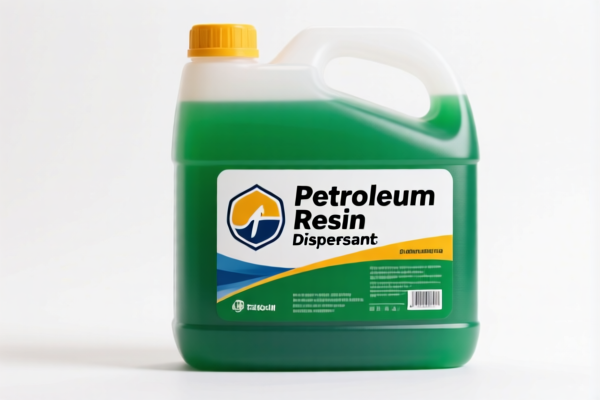
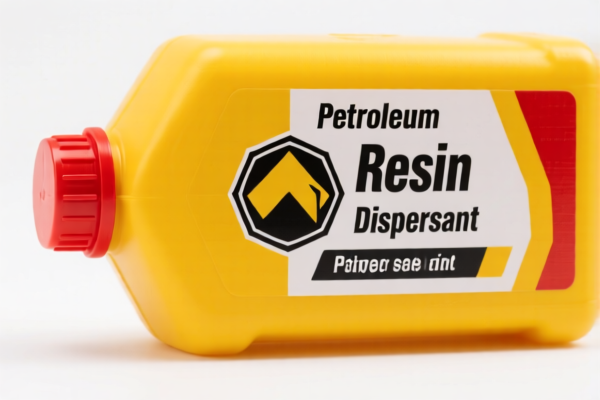
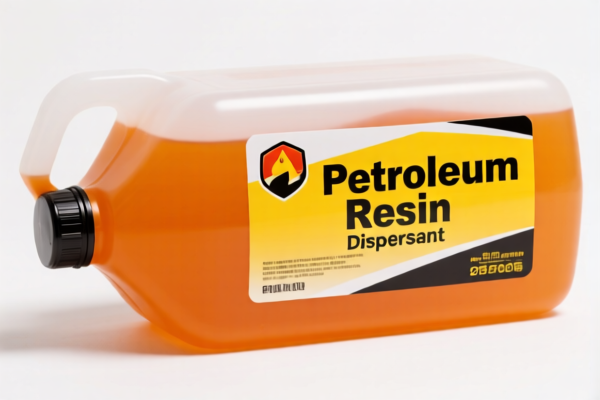
AI分析
🧪 Alcohol-Based Dispersant Mixture (醇类混合物)
🌐 HS Code Reference & Customs Clearance Guide | 2026 Latest Tariff Analysis | Professional Clearance Strategy
📌 I. Product Definition: What is an "Alcohol-Based Dispersant Mixture"?
An Alcohol-Based Dispersant Mixture is a complex chemical formulation used in industrial applications (such as paints, coatings, inks, and pesticides) to stabilize particles and prevent agglomization. Its core characteristic is that it is a mixture primarily composed of alcohols, potentially containing other functional groups or cyclic structures.
In international trade, the classification depends heavily on the chemical structure of the alcohol component (cyclic vs. acyclic) and whether it fits specific sub-category definitions or falls under "Other" (兜底).
⚠️ Key Classification Point:
- If the mixture is primarily non-cyclic, mono-hydroxy, unsubstituted alcohols → It may fall under Chapter 38 (Miscellaneous Chemical Products) as a "Mixture." - If the mixture contains cyclic alcohols (like cyclohexanol) or is defined as a specific chemical entity → It falls under Chapter 29 (Organic Chemicals). - "Mixture" vs. "Pure Substance": Since the input is a mixture, it often cannot be classified by the specific alcohol name alone but by the type of alcohol dominant in the mix or the "other" category.
📦 II. HS Code Classification Details (2026 Latest Tariff Authority Comparison)
Based on the provided data, the product can be classified into 5 distinct HS Codes depending on the specific chemical nature of the alcohol mixture.
| HS Code | Product Description | Applicable Scenario | Tax Rate (Total) |
|---|---|---|---|
3824.99.93.30 |
Alcohol Mixture (General) | Matches "Mixture of Alcohols" material attribute, classified under "Other" as a fallback. | 40.0% |
2906.19.10.00 |
Cyclic Alcohol Mixture | Belongs to cyclic alcohols, in mixture form, fits the "Other" category. | 35.0% |
2906.19.50.00 |
Cyclic Alcohol Derivatives Mixture | Belongs to cyclic alcohols and their derivatives, fits "Other" characteristics. | 40.5% |
2905.19.90.90 |
Saturated Monohydric Alcohol Mixture | Matches "Saturated monohydric alcohol" material attribute, classified as "Other." | 38.7% |
3824.99.93.10 |
Acyclic Mono-Hydroxy Alcohol Mixture | Matches "Non-cyclic, mono-hydroxy, unsubstituted alcohol mixture," classified by tendency. | 40.0% |
🔍 Critical Distinction:
- Chapter 38 (3824...): Used for mixtures that do not fit specific organic chemical definitions or are considered "preparations/mixtures" of chemicals. Lower duty base often leads to higher total duty due to base tariff. - Chapter 29 (2905...,2906...): Used when the mixture has a clear organic chemical identity (e.g., cyclic or saturated monohydric). Base duty is often 0%, leading to lower total duty despite similar additional taxes.
💰 III. 2026 Latest Tariff Rate Breakdown (Including Surtaxes & Policy Add-ons)
✅ Applicable Country: USA (US)
✅ Origin: China (CN)
✅ Effective Date: 2025 November 10 onwards (including subsequent imports)
🎯 1. 3824.99.93.30 —— Alcohol Mixture (Fallback "Other")
| Item | Content |
|---|---|
| Base Duty | 5.0% (ad valorem) |
| USITC Surtax | +25.0% (Section 301 Tariff) |
| IEEPA Surtax | +10.0% (China/HK specific, from Nov 10, 2025) |
| Total Duty | 40.0% |
| De Minimis Exemption | ❌ Denied (deny_de_minimis) |
| Legal Basis Path | IEEPA:9903.01.25 → USITC:3824.99.93.30 → FOOTNOTE:9903.88.01 |
📌 Explanation:
- Base duty is 5%, adding 35% in surtaxes. - This is a common "catch-all" for alcohol mixtures that don't fit specific chemical definitions.
🎯 2. 2906.19.10.00 —— Cyclic Alcohol Mixture (Lowest Total Tax)
| Item | Content |
|---|---|
| Base Duty | 0.0% (ad valorem) |
| USITC Surtax | +25.0% |
| IEEPA Surtax | +10.0% |
| Total Duty | 35.0% |
| De Minimis Exemption | ❌ Denied |
| Legal Basis Path | IEEPA:9901.25 → USITC:2906.19.10.00 → FOOTNOTE:9903.88.01 |
📌 Note:
- Lowest Total Tax Option! - Only applies if the alcohol component is clearly cyclic (e.g., cyclohexanol derivatives). - Crucial for cost optimization if chemical analysis confirms cyclic structure.
🎯 3. 2906.19.50.00 —— Cyclic Alcohol Derivatives Mixture
| Item | Content |
|---|---|
| Base Duty | 5.5% |
| USITC Surtax | +25.0% |
| IEEPA Surtax | +10.0% |
| Total Duty | 40.5% |
| De Minimis Exemption | ❌ Denied |
| Legal Basis Path | IEEPA:9903.01.25 → USITC:2906.19.50.00 → FOOTNOTE:9903.88.01 |
📌 Note:
- Highest total tax rate in this set. - Applies to "derivatives" of cyclic alcohols, which may have additional functional groups beyond the hydroxyl group.
🎯 4. 2905.19.90.90 —— Saturated Monohydric Alcohol Mixture
| Item | Content |
|---|---|
| Base Duty | 3.7% |
| USITC Surtax | +25.0% |
| IEEPA Surtax | +10.0% |
| Total Duty | 38.7% |
| De Minimis Exemption | ❌ Denied |
| Legal Basis Path | IEEPA:9903.01.25 → USITC:2905.19.90.90 → FOOTNOTE:9903.88.01 |
📌 Note:
- Applies to simple alcohols like ethanol, propanol, butanol mixtures (saturated, one -OH group). - Middle-ground tax rate.
🎯 5. 3824.99.93.10 —— Acyclic Mono-Hydroxy Alcohol Mixture
| Item | Content |
|---|---|
| Base Duty | 5.0% |
| USITC Surtax | +25.0% |
| IEEPA Surtax | +10.0% |
| Total Duty | 40.0% |
| De Minimis Exemption | ❌ Denied |
| Legal Basis Path | IEEPA:9903.01.25 → USITC:3824.99.93.10 → FOOTNOTE:9903.88.01 |
📌 Note:
- Applies to "non-cyclic, mono-hydroxy, unsubstituted" mixtures. - Same total rate as3824.99.93.30, but more specific classification.
🛠️ IV. Customs Clearance Practical Advice (Real-World Pitfall Guide)
✅ 1. Required Documentation Checklist (No Exceptions)
| Document | Required | Explanation |
|---|---|---|
| ✅ Safety Data Sheet (SDS) | ✔️ | Must clearly list chemical composition, % of each alcohol, and whether it contains cyclic structures. |
| ✅ Formula/Composition Report | ✔️ | Detailed breakdown of the "Mixture" to prove if it falls under Chapter 29 or 38. |
| ✅ Product Photo (Label) | ✔️ | Show container, label, hazard symbols (flammable, etc.). |
| ✅ Commercial Invoice | ✔️ | Clearly state "Alcohol-Based Dispersant Mixture" and HS Code. |
| ✅ Certificate of Origin (CO) | ✔️ | For US-China trade verification. |
| ✅ Packing List | ✔️ | Net/gross weight, dimensions. |
✅ 2. Declaration Strategy (Key Mnemonic)
🔥 "Chemical Identity First, Mixture Second! Chapter 29 Beats Chapter 38!"
| Scenario | Correct Declaration | Wrong Approach |
|---|---|---|
| Cyclic Alcohols (e.g., Cyclohexanol mix) | 2906.19.10.00 (35%) |
Declare as 3824... → Pay 40%+ |
| Simple Alcohols (Ethanol/Propanol mix) | 2905.19.90.90 (38.7%) |
Declare as 3824... → Pay 40% |
| Complex/Unclear Mixture | 3824.99.93.30 (40%) |
Claim as "Chemical" without structure → Risk of penalty |
| Derivatives (Modified alcohols) | 2906.19.50.00 (40.5%) |
Declare as simple alcohol → Misclassification |
✅ 3. Special Handling Tips
| Situation | Recommendation |
|---|---|
| OEM Custom Dispersant | Provide client order + formula. If formula includes cyclic alcohols, aim for 2906.19.10.00 for lowest duty. |
| Multi-Component Mixture | If it contains non-alcohol solvents, ensure the alcohol is the primary component for Chapter 29 classification. |
| High Water Content | If >10% water, re-evaluate if it still qualifies as an "Alcohol Mixture" or becomes a "Preparation" (3824). |
| Hazardous Goods | Alcohol-based products are often Class 3 Flammable Liquids. Provide UN Number, Packing Group, and MSDS. |
🌍 V. Global Market Comparison (2026 Latest)
| Country/Region | Recommended HS Code | Total Duty (China Origin) | Certification Required | Note |
|---|---|---|---|---|
| 🇺🇸 USA | 2906.19.10.00 |
35.0% (Lowest) | SDS, Hazard Label | Highest additional taxes. Use Chapter 29 for savings. |
| 🇨🇳 China | 2906.19.10.00 |
5% (Import Duty) | None (for import) | Lower base duty. |
| 🇪🇺 EU | 2906.19 |
0% (General) | REACH, CLP | No Section 301/IEEPA equivalent. |
| 🇦🇺 Australia | 2906.19 |
5% | GHS Labeling | No surtaxes. |
📌 Conclusion:
- USA is the only market with significant surtaxes (35%+).
- Optimization Tip: If your alcohol mixture contains cyclic alcohols, always declare under2906.19.10.00to save 5-5.5% compared to Chapter 38 codes.
- Chapter 38 is a "fallback" – use it only when chemical structure is ambiguous or truly "miscellaneous."
📌 VI. Common Errors & Pitfalls (Blood & Tears Lessons)
❌ Mistake 1: Declaring all alcohol mixtures under 3824 to avoid "complex" Chapter 29 documentation.
👉 Consequence: You pay 40-40.5% instead of 35-38.7%. Overpayment is silent but costly.
❌ Mistake 2: Failing to distinguish between Cyclic and Acyclic alcohols.
👉 Consequence: Misclassification leads to audits, back taxes, and delays.
👉 Fix: Provide a Chemical Structure Diagram in SDS.
❌ Mistake 3: Ignoring IEEPA 10% Surtax in cost calculations.
👉 Consequence: Budget shortfalls. Total duty is Base + 25% + 10%, not just Base + 25%.
❌ Mistake 4: Using "Dispersant" as the sole description without chemical details.
👉 Consequence: Customs may classify as generic chemical preparation (3824.99) or reject as vague.
👉 Fix: Use "Alcohol-Based Dispersant Mixture (Contains [Specific Alcohol])".
✅ Correct Practice:
"Alcohol-Based Dispersant Mixture, Cyclic Structure, CAS Number: [XXX], Flammable Liquid, Class 3, HS: 2906.19.10.00"
🎯 VII. Conclusion: Professional Declaration Saves Money!
🎯 Remember the Mnemonic:
🔹 "Cyclic is King: 2906.19.10.00 = 35% (Best Rate)"
🔹 "Saturated Mono: 2905.19.90 = 38.7% (Good Rate)"
🔹 "Miscellaneous/Fallback: 3824.99 = 40-40.5% (Worst Rate)"
🔹 "Don't Guess: Use SDS to Prove Chemical Structure!"
📌 Pro Tip:
If your product contains both cyclic and acyclic alcohols, the classification may shift based on the dominant component. Consult a customs broker for Pre-Ruling if the mixture is complex.
Consider Advance Ruling to lock in the 35% rate for cyclic mixtures and avoid audit risks.
📣 Immediate Action:
📞 Provide SDS with Structure + Formula % to your customs broker
🚀 Optimize Your HS Code from3824(40%) to2906(35%) if possible.
💰 Save 5% on every shipment!
✨ Professional Customs Clearance Starts with Accurate Classification!
💼 Your Margins Are Worth the Detail!
用户评价
关于 HS 编码归类
协调制度(HS)是由世界海关组织(WCO)制定的国际贸易商品分类标准。全球 200 多个国家采用 HS 系统作为海关关税、贸易统计和进出口监管的基础。
每个 HS 编码遵循以下层级结构:
- 章(2 位)——商品大类(例如:第 84 章:机器和机械设备)
- 品目(4 位)——章内的更具体分类
- 子目(6 位)——国际通用细分,所有 WCO 成员国统一使用
- 本国细分(8-10 位)——各国自行扩展的细分编码,如美国 HTSUS 10 位编码
正确的 HS 编码归类对于顺利通关、准确缴纳关税和遵守贸易法规至关重要。错误归类可能导致海关延误、多缴关税或罚款。
从CN进口到US时,适用的关税税率可能包括:
- 最惠国(MFN)税率——适用于 WTO 成员国的标准关税税率
- 普通税率——适用于无贸易协定国家
- 贸易救济关税——附加关税,如 301 条款(反倾销)、232 条款(国家安全)或反补贴税
本页内容仅供参考。如需正式归类,请咨询当地海关或持牌报关代理。