Aluminum Tableware and Kitchen Utensils
CN → US| HS编码 | 关税税率 | 原产国 | 目的国 | 文档 |
|---|---|---|---|---|
| 7615107180 | 63.1% | CN | US | 官方文档 |
| 7615101100 | 20.6% | CN | US | 官方文档 |
| 6911101000 | 42.5% | CN | US | 官方文档 |
| 6912004810 | 19.8% | CN | US | 官方文档 |
| 6911108010 | 38.3% | CN | US | 官方文档 |
商品图片
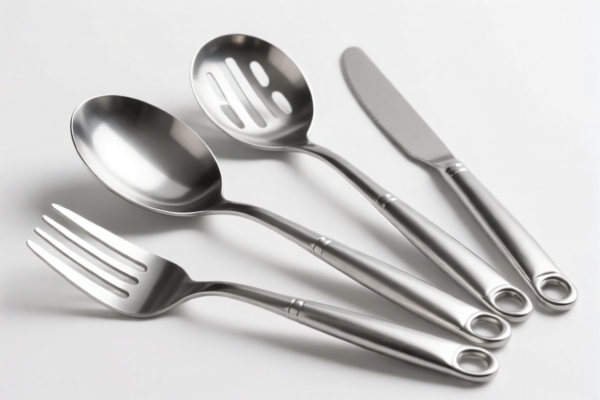
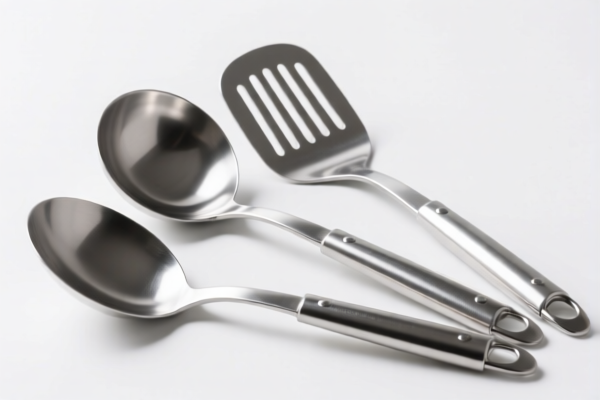
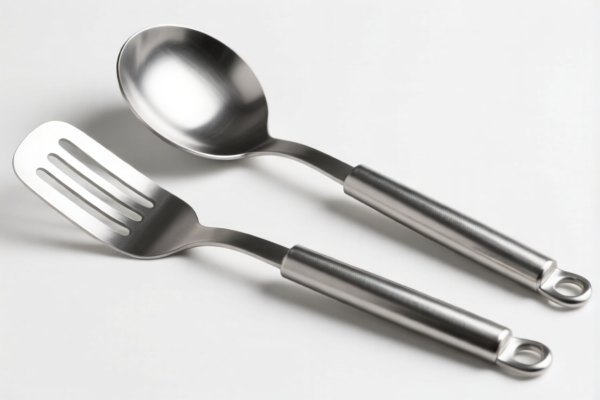
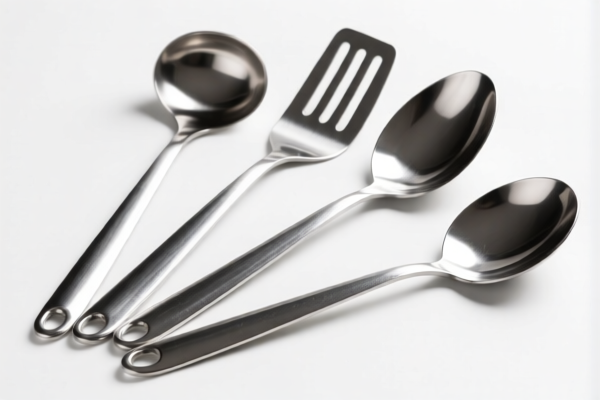
AI分析
🍽️ Aluminum Tableware & Kitchen Utensils: HS Code Classification & US Customs Clearance Guide
🌐 HS Code Reference & Clearance Guide | 2026 Latest Tariff Analysis | Professional Customs Strategy
📌 I. Product Definition & Classification: Decoding "Aluminum Kitchenware"
Aluminum tableware and kitchen utensils are ubiquitous in household and commercial settings, ranging from pots and pans to cutlery and serving dishes. In international trade, the classification depends heavily on material composition, manufacturing process, and specific usage. While "aluminum" suggests a broad category, US Customs and Border Protection (CBP) requires precise identification to determine the correct Harmonized Tariff Schedule (HTS) code and applicable duty rates.
⚠️ Key Distinction:
- Pure Aluminum/Aluminum Alloy Items: Generally fall under Chapter 76 (Aluminum and Articles Thereof).
- Ceramic/Porcelain Items: Even if used in the kitchen, if the primary material is ceramic/porcelain, they fall under Chapter 69 (Ceramic Products).
- Mixed Materials: If an item has significant ceramic components (e.g., a ceramic plate with an aluminum handle), it may still be classified based on the essential character or specific subheading descriptions.
📦 II. HS Code Classification Details (2026 Latest Tariff Reference)
Based on the provided data, here are the relevant HS Codes for aluminum and ceramic kitchen items, along with their summaries and tax details.
| HS Code | Summary | Total Tax Rate | Tax Detail Breakdown |
|---|---|---|---|
7615.10.71.80 |
Aluminum tableware, fits within the scope of kitchen or household items | 63.1% | Base: 3.1% Additional: 0.0% Section 122 (Steel/Aluminum/Copper): 50% |
7615.10.11.00 |
Aluminum kitchenware, fully complies with classification definition | 20.6% | Base: 3.1% Additional: 7.5% Section 122: 10% |
6911.10.10.00 |
Ceramic tableware & kitchen utensils, material and use match | 42.5% | Base: 25.0% Additional: 7.5% Section 122: 10% |
6912.00.48.10 |
Ceramic tableware & kitchen utensils, fits ceramic category | 19.8% | Base: 9.8% Additional: 0.0% Section 122: 10% |
6911.10.80.10 |
Ceramic tableware & kitchen utensils, material and use consistent | 38.3% | Base: 20.8% Additional: 7.5% Section 122: 10% |
🔍 Critical Insight:
- Aluminum Items (7615.10.xxxx) are subject to Section 232 tariffs (Steel/Aluminum tariffs) if they fall under specific subheadings like7615.10.71.80, which can result in a 50% additional duty.
- Ceramic Items (6911.10.xxxx/6912.00.xxxx) are generally subject to Section 301 tariffs (7.5% additional duty on China-origin goods) and standard base duties, which vary by specific ceramic type.
- Section 122 Tariff: The data mentions a "10% tariff" under Section 122 for all items. This likely refers to a specific trade remedy or temporary measure applicable to these categories in the provided dataset.
💰 III. 2026 Latest Tariff Rate Detailed Analysis
✅ Applicable Country: United States (US)
✅ Origin: Likely China (CN) (Inferred from the presence of Section 301/Additional duties)
✅ Effective Date: Current as of 2026 tariff schedule
🎯 1. 7615.10.71.80 – Aluminum Tableware (High Tariff Category)
| Item | Content |
|---|---|
| Base Duty Rate | 3.1% (ad valorem) |
| Additional Duty | 0.0% (Standard) |
| Section 232 Tariff | 50% (Specific to Aluminum Articles) |
| Total Effective Rate | 63.1% |
| Tax Calculation | CIF Value × 63.1% |
| De Minimis Exemption | ❌ Not Eligible (High duty rates typically exclude de minimis) |
| Legal Basis Path | USITC:7615.10.71.80 → SECTION 232: Aluminum Articles → FOOTNOTE: Applicable |
📌 Explanation:
- The 50% Section 232 tariff is the dominant factor here, making this category extremely expensive to import.
- This rate applies specifically to aluminum products that meet the criteria under Section 232 of the Trade Expansion Act.
- Risk: High probability of customs scrutiny to ensure the item is truly "aluminum tableware" and not a different metal or mixed material.
🎯 2. 7615.10.11.00 – Aluminum Kitchenware (Moderate Tariff Category)
| Item | Content |
|---|---|
| Base Duty Rate | 3.1% |
| Additional Duty | 7.5% (Section 301, if China-origin) |
| Section 122 Tariff | 10% (As per data) |
| Total Effective Rate | 20.6% |
| Tax Calculation | CIF Value × 20.6% |
| De Minimis Exemption | ❌ Not Eligible |
| Legal Basis Path | USITC:7615.10.11.00 → SECTION 301: Additional Duty → SECTION 122 |
📌 Note:
- This code is significantly more favorable than7615.10.71.80.
- The 7.5% additional duty is typical for Section 301 tariffs on Chinese goods.
- Strategy: Ensure your product matches the specific description for7615.10.11.00to avoid being classified under the higher 50% rate.
🎯 3. Ceramic Tableware & Kitchen Utensils (6911 & 6912 Series)
Ceramic items are classified under Chapter 69. The duty rates vary significantly based on the type of ceramic (porcelain vs. other) and specific use.
A. 6911.10.10.00 – Porcelain/Ceramic Tableware
| Item | Content |
|---|---|
| Base Duty Rate | 25.0% |
| Additional Duty | 7.5% (Section 301) |
| Section 122 Tariff | 10% |
| Total Effective Rate | 42.5% |
| Tax Calculation | CIF Value × 42.5% |
| De Minimis Exemption | ❌ Not Eligible |
B. 6912.00.48.10 – Other Ceramic Tableware
| Item | Content |
|---|---|
| Base Duty Rate | 9.8% |
| Additional Duty | 0.0% |
| Section 122 Tariff | 10% |
| Total Effective Rate | 19.8% |
| Tax Calculation | CIF Value × 19.8% |
| De Minimis Exemption | ❌ Not Eligible |
C. 6911.10.80.10 – Other Porcelain/Ceramic Tableware
| Item | Content |
|---|---|
| Base Duty Rate | 20.8% |
| Additional Duty | 7.5% (Section 301) |
| Section 122 Tariff | 10% |
| Total Effective Rate | 38.3% |
| Tax Calculation | CIF Value × 38.3% |
| De Minimis Exemption | ❌ Not Eligible |
📌 Key Takeaway:
- Porcelain (6911) generally has a higher base duty (20.8%–25.0%) compared to Other Ceramic (6912) which can be as low as 9.8%.
- The 7.5% Section 301 tariff applies to6911items (likely due to their classification as "tableware of a kind commonly used for table or kitchen purposes" under specific subheadings), but not to6912.00.48.10in this dataset (0% additional).
- Section 122 Tariff (10%) appears to be a consistent additional duty across all these categories in the provided data.
🛠️ IV. Customs Clearance Practical Advice (Avoiding Pitfalls)
✅ 1. Documentation Checklist (Non-Negotiable)
| Document | Required | Description |
|---|---|---|
| ✅ Product Specifications | ✔️ | Detailed description: Material (e.g., "Food-Grade Aluminum Alloy 6061"), dimensions, weight, capacity. |
| ✅ Material Declaration | ✔️ | Explicitly state material composition. For aluminum, specify alloy type. For ceramics, specify porcelain vs. stoneware. |
| ✅ Product Photos | ✔️ | Clear images of the item, packaging, and any markings (e.g., "Made in China," "Dishwasher Safe"). |
| ✅ Commercial Invoice | ✔️ | Must match the HS Code declared. Include CIF value. |
| ✅ Packing List | ✔️ | Detail contents, including any accessories (e.g., lids, handles). |
| ✅ FDA Compliance (if applicable) | ✔️ | For food-contact items, FDA compliance documentation may be required. |
| ✅ Certificate of Origin | ✔️ | To prove country of origin, especially for Section 301/232 duty calculations. |
✅ 2. Declaration Tips (Key Mnemonics)
🔥 “Material First, Use Second, Tariff Depends on Detail!”
| Scenario | Correct Declaration | Wrong Practice |
|---|---|---|
| Aluminum Pot | 7615.10.11.00 or 7615.10.71.80 (check alloy/usage) |
Declare as "Kitchen Tool" (vague) |
| Ceramic Plate | 6911.10.10.00 (Porcelain) or 6912.00.48.10 (Other) |
Declare as "Tableware" (too broad) |
| Mixed Material | Declare primary material; consult HTS Notes | Split shipment to avoid duties |
| Aluminum with Ceramic Coating | Likely 7615 (if aluminum is essential) |
Declare as 6911 (Ceramic) → High Risk |
✅ 3. Special Cases Handling
| Scenario | Handling Advice |
|---|---|
| Aluminum + Non-Stick Coating | Still 7615. Coating does not change material classification. |
| Ceramic with Metallic Trim | If metal is incidental (e.g., gold rim), it remains 6911/6912. |
| Set Items (e.g., Knife Block + Aluminum Knife) | Declare separately if possible. Block (4420 or 3926), Knife (8211). |
| Sample vs. Commercial | Samples may qualify for de minimis if under $800 (Section 321), but high-duty items may still be scrutinized. |
🌍 V. Global Market Comparison (2026 Latest)
| Country/Region | Recommended HS Code | Duty Rate (China Origin) | Certification Requirements | Notes |
|---|---|---|---|---|
| 🇺🇸 USA | 7615.10.11.00 / 6911.10.10.00 |
20.6% – 42.5% (see above) | FDA (Food Contact), Prop 65 (if CA) | High tariffs due to Section 301/232 |
| 🇪🇺 EU | 7323.93.00 (Alum) / 6911.10.00 (Cer) |
0% – 5% | CE, LFGB | No Section 232/301 equivalents |
| 🇨🇳 China | 7615.10 / 6911.10 |
5% – 10% | CCC (if applicable) | Low import duties |
| 🇯🇵 Japan | 7615.10 / 6911.10 |
0% – 5% | JIS, Food Sanitation | Strict food safety standards |
📌 Conclusion:
- USA is the most challenging market for aluminum and ceramic tableware due to Section 232 and Section 301 tariffs.
- EU and Japan offer more favorable duty rates but have stricter food safety and labeling regulations.
- Cost Optimization: Consider sourcing from countries with preferential trade agreements (e.g., USMCA for Mexico/Canada, ASEAN for US) to reduce tariffs.
📌 VI. Common Errors & Pitfalls (Blood Lessons)
❌ Error 1: Declaring Aluminum Tableware as "General Metal Utensils" (7323)
👉 Consequence: Misclassification → Audits, Penalties, Back Duties. Aluminum has specific codes (7615).
❌ Error 2: Ignoring Section 232 Tariff for Aluminum
👉 Consequence: Underpayment by 50% → Severe Penalties. Always verify if the item falls under 7615.10.71.80 (50% duty).
❌ Error 3: Mixing Porcelain (6911) and Other Ceramic (6912) in One Shipment Without Separation
👉 Consequence: Confusion at Customs → Delays, Re-inspection, Higher Duty Rate Applied to All.
❌ Error 4: Not Providing FDA Documentation for Food-Contact Items
👉 Consequence: Detention at US Port. FDA requires compliance for aluminum and ceramic items that touch food.
✅ Correct Practice:
"Aluminum Saucepan, 2-Quart, Anodized, Made in China, FDA Compliant"
→ HS Code:7615.10.11.00(or7615.10.71.80if applicable)
→ Duty: 20.6% (or 63.1%)
🎯 VII. Conclusion: Precise Classification Saves Costs!
🎯 Remember the Mnemonic:
🔹 “Aluminum Check Section 232, Ceramic Check Section 301.”
🔹 “Porcelain High Duty, Other Ceramic Lower.”
🔹 “Material First, Use Second, Tariff Depends on Detail.”
📌 Pro Tip:
If your aluminum tableware is originating from Vietnam, Mexico, or Thailand, you may be eligible for IEEPA Exemptions or Free Trade Agreement (FTA) benefits, reducing duties to 0% – 5%.
Recommendation: Apply for a Binding Ruling from US Customs before shipping to confirm the correct HS Code and duty rate.
📣 Immediate Action:
📞 Contact a Licensed Customs Broker + Provide Product Samples + Request Binding Ruling
🚀 Ensure Smooth Clearance, Maximize Profits, Avoid Customs Pitfalls!
✨ Professional Customs Clearance Starts with Accurate Classification!
💼 Every Cent Saved in Duties is Pure Profit!
用户评价
关于 HS 编码归类
协调制度(HS)是由世界海关组织(WCO)制定的国际贸易商品分类标准。全球 200 多个国家采用 HS 系统作为海关关税、贸易统计和进出口监管的基础。
每个 HS 编码遵循以下层级结构:
- 章(2 位)——商品大类(例如:第 84 章:机器和机械设备)
- 品目(4 位)——章内的更具体分类
- 子目(6 位)——国际通用细分,所有 WCO 成员国统一使用
- 本国细分(8-10 位)——各国自行扩展的细分编码,如美国 HTSUS 10 位编码
正确的 HS 编码归类对于顺利通关、准确缴纳关税和遵守贸易法规至关重要。错误归类可能导致海关延误、多缴关税或罚款。
从CN进口到US时,适用的关税税率可能包括:
- 最惠国(MFN)税率——适用于 WTO 成员国的标准关税税率
- 普通税率——适用于无贸易协定国家
- 贸易救济关税——附加关税,如 301 条款(反倾销)、232 条款(国家安全)或反补贴税
本页内容仅供参考。如需正式归类,请咨询当地海关或持牌报关代理。