Animal Cages
CN → US| HS编码 | 关税税率 | 原产国 | 目的国 | 文档 |
|---|---|---|---|---|
| 3926909989 | 22.8% | CN | US | 官方文档 |
| 4421999870 | 38.3% | CN | US | 官方文档 |
| 7326908688 | 87.9% | CN | US | 官方文档 |
| 3926909940 | 22.8% | CN | US | 官方文档 |
| 4421919870 | 38.3% | CN | US | 官方文档 |
商品图片
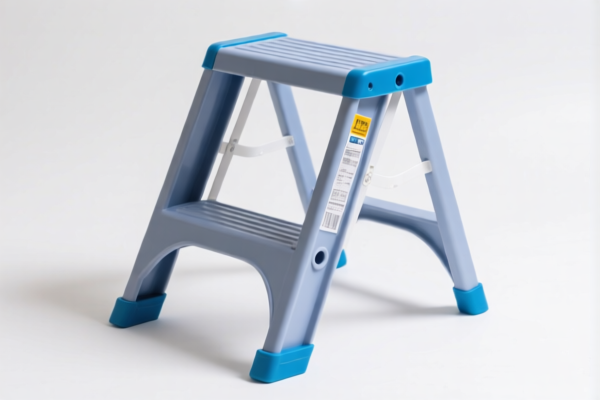
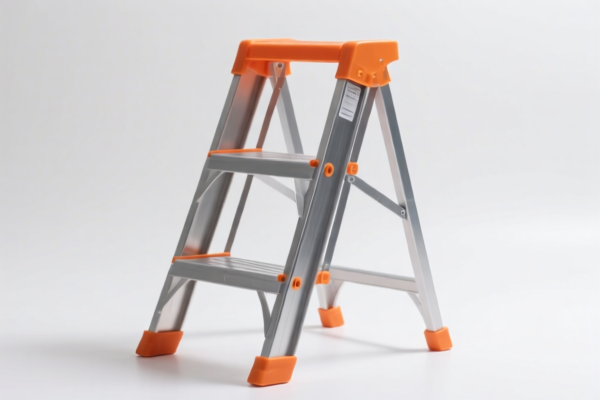
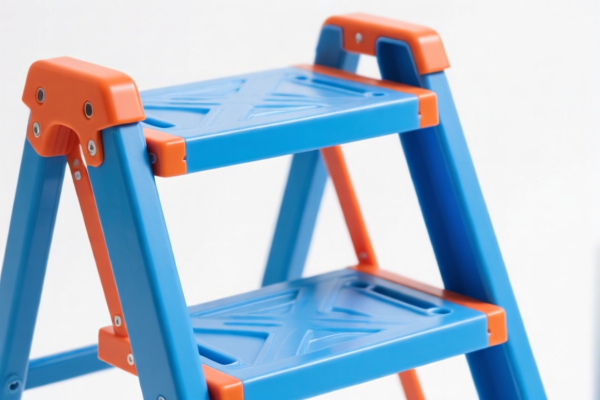
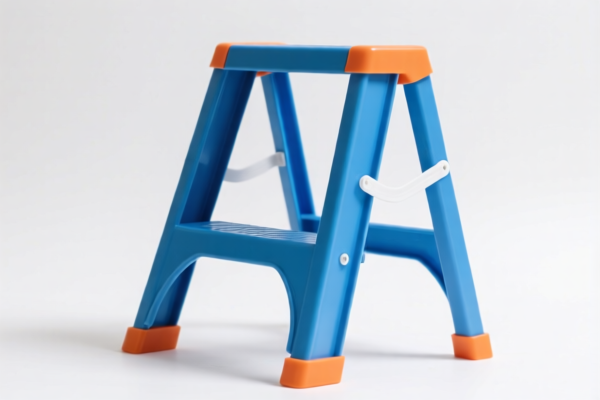
AI分析
🐾 Animal Cages: HS Code Classification & 2026 U.S. Customs Clearance Guide
🌐 HS Code Reference & Customs Clearance Strategy | 2026 Latest Tariff Analysis | Professional Level
📌 I. Product Definition: Do You Really Understand "Animal Cages"?
Animal cages are containment structures designed for pets, livestock, or experimental animals. In international trade, the HS Code classification is strictly determined by the MATERIAL of construction. A common mistake is grouping all cages under one code, but U.S. Customs (CBP) scrutinizes materials intensely due to significant tariff differences.
The Three Main Categories: 1. Plastic Cages: Lightweight, durable, often used for small pets. 2. Wooden Cages: Traditional, aesthetic, often used for small animals or decorative purposes. 3. Metal Cages (Steel/Iron): Heavy-duty, used for dogs, livestock, or industrial use.
⚠️ Critical Distinction Point:
- If the cage is made of Plastic, it falls under Chapter 39.
- If the cage is made of Wood, it falls under Chapter 44.
- If the cage is made of Iron/Steel, it falls under Chapter 73.
⚠️ Note: Mixed materials may be classified based on the "essential character" or the primary structural material.
📦 II. HS Code Classification Details (2026 Latest Tariff Reference)
Based on the provided data, here is the exact breakdown for Animal Cages.
| HS Code | Product Description & Summary | Material | Classification Note |
|---|---|---|---|
3926.90.99.89 |
Plastic or non-metal cages | Plastic | Classified under "Other articles of plastics and articles of other materials." |
4421.99.98.70 |
Wooden cages | Wood | Classified under "Other wooden articles," specifically fencing/enclosure types. |
7326.90.86.88 |
Iron or Steel cages | Iron/Steel | Classified under "Other articles of iron or steel." High Tariff Alert! |
3926.90.99.40 |
Unspecified material plastic cages | Plastic | Classified under "Other plastic articles." (Used if material is not explicitly defined but assumed plastic). |
4421.91.98.70 |
Wooden fences/cages for pets/small animals | Wood | Classified under "Other wooden articles." Specific to pet/small animal enclosures. |
🔍 Key Insight:
- Plastic (3926...): Lowest tariff burden (22.8%).
- Wood (4421...): Moderate tariff burden (38.3%).
- Metal (7326...): Highest tariff burden (87.9%) due to specific steel/aluminum surcharges.
💰 III. 2026 U.S. Tariff Rate Breakdown (Detailed Tax Clauses)
✅ Applicable Country: United States (US)
✅ Origin: China (CN) (Implied by the tax details provided: 122 Clause, Section 301)
✅ Effective Time: Current 2026 Tariff Structure
🎯 1. Plastic Cages (3926.90.99.89 / 3926.90.99.40)
Total Tax Rate: 22.8%
| Component | Rate | Legal Basis / Note |
|---|---|---|
| Basic Tariff | 5.3% | Standard MFN rate for plastic articles. |
| Section 301 Surcharge | 7.5% | Additional tariff on Chinese plastic goods. |
| 122 Clause Tariff | 10.0% | Specific trade remedy tariff (likely under Section 122 of the Trade Act or similar emergency provision). |
| TOTAL | 22.8% | Most cost-effective option. |
📌 Explanation:
- Plastic cages benefit from the lowest combined tariff rate.
- The "122 Clause" adds a flat 10%, but the base and 301 rates remain low compared to metals.
- Recommendation: If product design allows, switching from metal to high-grade plastic can save ~65% in tariffs.
🎯 2. Wooden Cages (4421.99.98.70 / 4421.91.98.70)
Total Tax Rate: 38.3%
| Component | Rate | Legal Basis / Note |
|---|---|---|
| Basic Tariff | 3.3% | Low base rate for wood products. |
| Section 301 Surcharge | 25.0% | High 301 tariff on Chinese wood products. |
| 122 Clause Tariff | 10.0% | Specific trade remedy tariff. |
| TOTAL | 38.3% | Moderate risk. |
📌 Explanation:
- While the basic tariff is low (3.3%), the 25% Section 301 surcharge significantly increases the cost.
- Ensure the wood is heat-treated (ISPM 15) if it contains raw timber to avoid customs rejection.
- Recommendation: Suitable for premium/organic market segments where plastic is not acceptable.
🎯 3. Iron/Steel Cages (7326.90.86.88)
Total Tax Rate: 87.9%
| Component | Rate | Legal Basis / Note |
|---|---|---|
| Basic Tariff | 2.9% | Standard rate for steel articles. |
| Section 301 Surcharge | 25.0% | High 301 tariff on steel. |
| 122 Clause Tariff | 10.0% | Specific trade remedy tariff. |
| Steel/Aluminum/Copper Surcharge | 50.0% | CRITICAL: Additional surcharge on steel products. |
| TOTAL | 87.9% | Extremely High Cost. |
📌 Explanation:
- This is the most expensive category.
- The 50% surcharge on Steel/Aluminum/Copper is the primary driver.
- ⚠️ Warning: Do NOT misdeclare steel cages as "metal" generally; CBP will identify them as steel and apply the 50% surcharge.
- Recommendation: Avoid importing steel cages from China unless the margin can absorb 87.9% tax, or consider sourcing from non-China origins (e.g., Vietnam, Mexico) to avoid Section 301 and Steel surcharges.
🛠️ IV. Customs Clearance Practical Advice (Pitfall Avoidance Guide)
✅ 1. Document Preparation Checklist (Must-Haves)
| Document | Required? | Purpose |
|---|---|---|
| ✅ Product Specifications | ✔️ | Must explicitly state MATERIAL (e.g., "100% PP Plastic," "Solid Pine Wood," "Galvanized Steel"). |
| ✅ Material Composition Report | ✔️ | Crucial for 7326... vs. 3926... distinction. If mixed, define the "essential character." |
| ✅ Product Photos (Clear) | ✔️ | Show the entire cage, including joints, materials, and labels. |
| ✅ Commercial Invoice | ✔️ | Must match the HS Code and description exactly. |
| ✅ Packing List | ✔️ | Detail weight, dimensions, and quantity. |
| ✅ ISPM 15 Certificate (for Wood) | ✔️ | Mandatory for wooden cages (4421...). Without it, shipment will be rejected/destroyed. |
✅ 2. Declaration Tips (Key Mnemonic)
🔥 "Material is King, Steel is King of Taxes!"
| Scenario | Correct Declaration | Wrong Declaration | Consequence |
|---|---|---|---|
| Plastic Cage | 3926.90.99.89 "Plastic Animal Cage" |
"Metal Cage" (mistake) | 87.9% Tax instead of 22.8% → 65% Extra Cost! |
| Wooden Cage | 4421.99.98.70 "Wooden Pet Cage" |
"Plastic Cage" | Misclassification → Seizure/Fine |
| Steel Cage | 7326.90.86.88 "Steel Dog Cage" |
"Metal Cage" (vague) | CBP may assess highest duty rate → Delays & Audits |
| Mixed Material | Declare primary material + % composition | "Animal Cage" (no material) | High Risk of reclassification and penalties |
✅ 3. Special Considerations
| Situation | Handling Advice |
|---|---|
| OEM Custom Cages | Provide design drawings to prove material composition. |
| Pet-Approved Toys Inside | If sold with the cage, declare separately if different HS code, or include if accessory. |
| Wooden Cages (Raw Wood) | Ensure ISPM 15 stamp is visible on the wood. CBP checks this rigorously. |
| Steel Cages (Coated) | Specify coating material (e.g., "Powder-Coated Steel"). The base material (Steel) dictates the 50% surcharge. |
🌍 V. Global Market Comparison (2026)
| Market | Recommended HS Code | Estimated Total Tax (China Origin) | Key Requirement |
|---|---|---|---|
| 🇺🇸 USA | 3926.90.99.89 (Plastic) |
22.8% | ISPM 15 (if wood), FCC (if electronic). |
| 🇪🇺 EU | 3926.90.99 (Plastic) | ~5-10% | CE Marking, REACH Compliance. |
| 🇨🇳 China | 3926.90.99 (Plastic) | ~5-6% | CCC (if applicable), GB Standards. |
| 🇬🇧 UK | 3926.90.99 (Plastic) | ~5-10% | UKCA Marking. |
📌 Conclusion:
- USA is the most expensive market for Chinese-made animal cages due to Section 301 and 122 Clause tariffs.
- Plastic (3926...) is the safest and cheapest HS code for U.S. import.
- Steel (7326...) is financially risky due to the 50% steel surcharge.
📌 VI. Common Mistakes & Pitfalls (Blood & Tears Lessons)
❌ Mistake 1: Declaring a Steel Cage as "Metal Cage" to avoid the 50% surcharge.
👉 Result: CBP identifies it as steel → Assesses 87.9% tax + penalties.
❌ Mistake 2: Importing Wooden Cages without ISPM 15 stamp.
👉 Result: Shipment rejected at port → Destroyed or re-exported at seller's cost.
❌ Mistake 3: Misidentifying Plastic as Wood (or vice versa).
👉 Result: Tariff difference of ~15.5% (22.8% vs 38.3%) → Unexpected costs.
❌ Mistake 4: Ignoring the 122 Clause Tariff (10%).
👉 Result: Underestimating landed cost → Profit margin erosion.
✅ Correct Practice:
"Animal Cage, 100% Polypropylene Plastic, Model XYZ, Non-Electric, Designed for Small Pets."
(Use precise material descriptions.)
🎯 VII. Conclusion: Professional Declaration, Save Costs, Ensure Clearance!
🎯 Remember the Mnemonic:
🔹 "Plastic is Cheap, Wood is Medium, Steel is Expensive!"
🔹 "Check the Material, Check the 122 Clause, Check the ISPM 15!"
🔹 "HS Code Determines Your Profit Margin!"
📌 Pro Tip:
If your product is mixed material (e.g., Plastic base with Metal frame), consult a customs broker to determine the "Essential Character." Often, the Plastic (3926...) part may dominate if it constitutes the main body, potentially avoiding the 87.9% Steel rate.
📣 Immediate Action:
📞 Contact your Customs Broker
📄 Provide Material Composition Report
🚀 Choose the Right HS Code to Optimize Taxes!
✨ Professional Customs Clearance Starts with Accurate Classification!
💼 Every Percent of Tax Saved is Pure Profit!
用户评价
关于 HS 编码归类
协调制度(HS)是由世界海关组织(WCO)制定的国际贸易商品分类标准。全球 200 多个国家采用 HS 系统作为海关关税、贸易统计和进出口监管的基础。
每个 HS 编码遵循以下层级结构:
- 章(2 位)——商品大类(例如:第 84 章:机器和机械设备)
- 品目(4 位)——章内的更具体分类
- 子目(6 位)——国际通用细分,所有 WCO 成员国统一使用
- 本国细分(8-10 位)——各国自行扩展的细分编码,如美国 HTSUS 10 位编码
正确的 HS 编码归类对于顺利通关、准确缴纳关税和遵守贸易法规至关重要。错误归类可能导致海关延误、多缴关税或罚款。
从CN进口到US时,适用的关税税率可能包括:
- 最惠国(MFN)税率——适用于 WTO 成员国的标准关税税率
- 普通税率——适用于无贸易协定国家
- 贸易救济关税——附加关税,如 301 条款(反倾销)、232 条款(国家安全)或反补贴税
本页内容仅供参考。如需正式归类,请咨询当地海关或持牌报关代理。