Anti collision Bumper
CN → US| HS编码 | 关税税率 | 原产国 | 目的国 | 文档 |
|---|---|---|---|---|
| 4016996010 | 37.5% | CN | US | 官方文档 |
| 4016995500 | 37.5% | CN | US | 官方文档 |
| 3926305000 | 22.8% | CN | US | 官方文档 |
商品图片

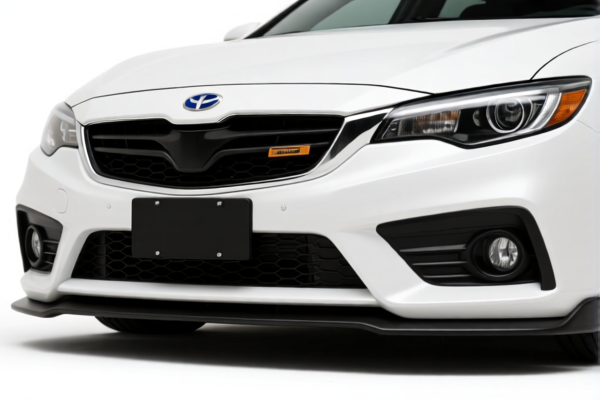

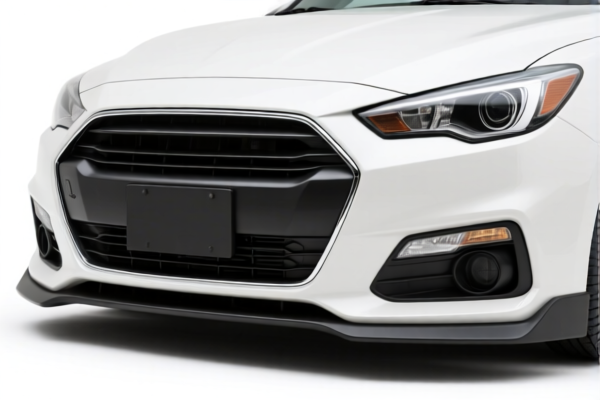
AI分析
🛡️ Anti-Collision Bumper (Automotive Silicone/Elastomer Parts)
🌐 HS Code Reference & Customs Clearance Guide | 2026 Latest Tariff Analysis | Professional-Level Clearance Strategy
📌 I. Product Definition & Classification: Do You Truly Understand "Silicone Bumpers"?
An anti-collision bumper, in the context of international trade and industrial components, is a critical automotive or mechanical part designed to absorb impact energy. In customs classification, its identity depends heavily on its material composition and specific function:
- Sulfurized Rubber/Elastomer (Class 40): If the bumper is made from vulcanized rubber, synthetic rubber, or high-performance elastomers (often marketed as "silicone" in trade but technically classified as rubber if it meets rubber criteria), it falls under Chapter 40. This is the most common classification for durable, shock-absorbing automotive parts.
- Plastic/Resin-based (Class 39): If the material is primarily a thermoplastic or rigid resin with rubber-like properties (often referred to loosely as "silicone" but chemically distinct from elastomeric rubber), it may be classified as an article of plastic.
⚠️ Key Distinction:
- If it is a shock-absorbing control component (vibration dampening) → Chapter 40 (Rubber).
- If it is a general connector or plastic housing → Chapter 39 (Plastics).
- Note: Despite the name "Silicone," if the product is vulcanized and used for shock absorption, US Customs and Border Protection (CBP) often classifies it under 4016 (Other articles of vulcanized rubber) rather than Chapter 39, unless it is a rigid plastic part.
📦 II. HS Code Classification Details (2026 Latest Tariff Authority Comparison)
| HS Code | Product Description | Application Scenario | Tax Rate (Total) | Key Tariff Components |
|---|---|---|---|---|
4016.99.60.10 |
Silicone Bumper, Material: Sulfurized Rubber/Elastomer, Usage: Automotive Mechanical Parts | High-performance automotive shock absorbers, heavy-duty machinery buffers | 37.5% | Base: 2.5% + Section 301: 25% + 122 Section: 10% |
4016.99.60.10 |
Silicone Bumper, Material: Silicone-like Rubber Articles, Usage: Automotive Parts | General automotive silicone components, OEM replacement parts | 37.5% | Base: 2.5% + Section 301: 25% + 122 Section: 10% |
4016.99.55.00 |
Silicone Bumper, Material: Rubber/Elastomer, Usage: Vibration Control/Shock Absorption for Vehicles | Vehicle chassis dampeners, industrial vibration isolators | 37.5% | Base: 2.5% + Section 301: 25% + 122 Section: 10% |
4016.99.55.00 |
Silicone Bumper, Material: Sulfurized Rubber Articles, Usage: Vibration Control for Vehicles | Sulfurized rubber buffers, shock-mounted equipment parts | 37.5% | Base: 2.5% + Section 301: 25% + 122 Section: 10% |
3926.30.50.00 |
Silicone Bumper, Material: Plastic/Rubber-like, Usage: Other Connectors | Rigid plastic buffers, non-vulcanized elastomeric connectors, general industrial fittings | 22.8% | Base: 5.3% + Section 301: 7.5% + 122 Section: 10% |
🔍 Critical Reminder:
- The Chapter 40 (Rubber/Elastomer) codes (4016.99.60.10and4016.99.55.00) are subject to a higher total tariff of 37.5%. This is because they attract the full 25% Section 301 tariff plus the 10% "122 Section" tariff.
- The Chapter 39 (Plastic) code (3926.30.50.00) has a lower total tariff of 22.8%. However, this only applies if the product is genuinely classified as a "plastic article" or "other connector" and not as a vulcanized rubber shock absorber. Misclassification can lead to severe penalties.
💰 III. 2026 Latest Tariff Rate Breakdown (Including Surcharge & Policy Add-ons)
✅ Applicable Country: United States (US)
✅ Origin: China (CN)
✅ Effective Date: 2025/2026 (Current Trade Policy)
🎯 1. 4016.99.60.10 & 4016.99.55.00 —— Automotive/Vehicle Rubber Shock Absorbers & Bumpers
| Item | Content |
|---|---|
| Base Tariff (MFN) | 2.5% (Standard duty for vulcanized rubber articles) |
| Section 301 Surcharge | +25.0% (Trade Enhancement Act - High Technology & Auto Parts) |
| 122 Section Surcharge | +10.0% (Specific anti-dumping/countervailing or specific trade remedy clause) |
| Total Tariff Rate | 37.5% |
| Tax Calculation | CIF Value × 37.5% |
| De Minimis Exemption? | ❌ No (Denied. De minimis rules do not apply to Chinese-origin goods subject to Section 301 and 122 tariffs.) |
| Legal Basis Path | HTSUS:4016.99 → Section 301 Footnote: 9903.88 → 122 Section Regulation |
📌 Explanation:
- The 2.5% base rate is standard for most rubber articles not specified elsewhere.
- The 25% Section 301 tariff is a punitive trade tariff applied to a wide range of Chinese industrial goods, including automotive components.
- The 10% 122 Section tariff is an additional layer of surcharge, likely related to specific trade enforcement measures (e.g., countervailing duties or specific import restrictions).
- Total 37.5% is a very high cost burden. Importers must factor this into their pricing strategy.
🎯 2. 3926.30.50.00 —— Plastic/Rubber-like Connectors & Buffers
| Item | Content |
|---|---|
| Base Tariff (MFN) | 5.3% (Standard duty for articles of plastic) |
| Section 301 Surcharge | +7.5% (Reduced rate for certain plastic articles under specific exclusions or sub-categories) |
| 122 Section Surcharge | +10.0% |
| Total Tariff Rate | 22.8% |
| Tax Calculation | CIF Value × 22.8% |
| De Minimis Exemption? | ❌ No (Denied for Chinese origin under current trade policies) |
| Legal Basis Path | HTSUS:3926.30 → Section 301 Footnote: 9903.88 → 122 Section Regulation |
📌 Note:
- While the 22.8% rate is significantly lower than 37.5%, it is only applicable if the product is correctly classified as plastic.
- If CBP determines the product is actually "vulcanized rubber" (Chapter 40), you will face the 37.5% rate + back taxes + penalties.
- Risk: High risk of misclassification if the product is described ambiguously as "silicone bumper" without specifying vulcanization status.
🛠️ IV. Customs Clearance Operational Advice (Practical Pitfall Avoidance Guide)
✅ 1. Required Documentation Checklist (Essential for Smooth Clearance)
| Document | Mandatory? | Description |
|---|---|---|
| ✅ Product Specifications | ✔️ | Must clearly state: Material (Vulcanized Rubber vs. Plastic), Hardness (Shore A), Density. |
| ✅ Material Safety Data Sheet (MSDS) | ✔️ | Proves chemical composition (e.g., Silicone vs. EPDM Rubber vs. TPE). |
| ✅ Product Photos | ✔️ | Close-ups of texture, marking (e.g., "Vulcanized," "Rubber"), and part number. |
| ✅ Commercial Invoice | ✔️ | Must specify: "Anti-Collision Bumper," Material Type, Usage (Automotive/Industrial). Avoid vague terms like "Plastic Part." |
| ✅ Packing List | ✔️ | Detailed itemization to avoid "mixed shipment" issues. |
| ✅ Declaration of Origin | ✔️ | Certify CN origin accurately. |
✅ 2. Declaration Tips (Key Mantra)
🔥 "Material First, Usage Second, Name Precise, Tax Risk Reduced!"
| Scenario | Correct Declaration | Wrong Practice |
|---|---|---|
| Vulcanized Rubber Shock Absorber | HS 4016.99.55.00 + Description: "Vulcanized Rubber Shock Absorber for Vehicle Chassis" |
Calling it "Silicone Plastic Bumper" → Risk of reclassification & penalty. |
| Rigid Plastic Buffer | HS 3926.30.50.00 + Description: "Polypropylene Buffer Block for Industrial Machinery" |
Calling it "Rubber Bumper" → Wrong HS Code. |
| "Silicone" Bumper (Ambiguous) | Best Practice: Submit MSDS + Sample for Pre-Ruling. | Guessing between Ch 39 & Ch 40 → High audit risk. |
✅ 3. Special Handling
| Situation | Handling Advice |
|---|---|
| "Silicone" vs. "Rubber" | In US Customs terms, "Silicone" is often a subset of rubber/elastomer. If it is flexible and vulcanized, it is Chapter 40. Do not assume "Silicone" = Plastic (Chapter 39). |
| OEM vs. Aftermarket | Both are subject to the same HS classification. Provide OEM part numbers to establish identity. |
| High-Value Shipments | Consider applying for a Binding Ruling from CBP to lock in the HS code and avoid post-import audits. |
🌍 V. Global Market Comparison (2026 Latest)
| Country/Region | Recommended HS Code | Tariff (China Origin) | Certification Req. | Remarks |
|---|---|---|---|---|
| 🇺🇸 USA | 4016.99.55.00 (Rubber) |
37.5% | ISO/TS 16949 (Auto) | Highest duty due to 301 + 122. |
| 🇺🇸 USA | 3926.30.50.00 (Plastic) |
22.8% | ISO 9001 | Lower duty if genuinely plastic. |
| 🇨🇳 China | 4016.99.55.00 |
Low/Zero | CCC (if applicable) | Domestic trade benefits. |
| 🇪🇺 EU | 4016.99.95 |
0-3% | REACH, RoHS | No Section 301 equivalent. |
| 🇬🇧 UK | 4016.99.95 |
0-3% | UKCA, REACH | Post-Brexit standards apply. |
📌 Conclusion:
- The US market is exceptionally costly for rubber/plastic automotive components from China due to the 37.5% rate.
- EU/UK are much more competitive, but require strict chemical compliance (REACH).
- Cost Optimization: If possible, explore if the product can be technically classified as Plastic (Ch 39) to save 14.7% in duties, but only if legally defensible.
📌 VI. Common Errors & Pitfall Guide (Lessons from Experience)
❌ Error 1: Calling all "Silicone" parts "Plastic" to avoid high duties.
👉 Consequence: CBP rejects the declaration, audits historical data, and imposes penalties + back taxes. Silicone elastomers are often classified under Chapter 40.
❌ Error 2: Ignoring the "122 Section" tariff.
👉 Consequence: Even if you pay the 25% Section 301, missing the 10% 122 Section surcharge leads to underpayment.
❌ Error 3: Vague Description: "Bumper."
👉 Consequence: CBP may classify it under a higher-risk code or require extensive documentation, causing clearance delays.
✅ Correct Approach:
"Automotive Shock Absorber Bumper, Material: Vulcanized Ethylene Propylene Diene Monomer (EPDM) Rubber, Hardness 60 Shore A, Usage: Vehicle Chassis Dampening."
🎯 VII. Conclusion: Professional Declaration, Cost Efficiency, Risk Mitigation!
🎯 Remember the Mantra:
🔹 "Rubber 37.5%, Plastic 22.8%, De Minimis No, Penalties High!"
🔹 "HS Code Defines Cost, Misclassification Defines Risk, Declaration Defines Speed!"
📌 Pro Tip:
If your bumper is critical for cost structure, consult a customs broker to review the MSDS and potentially apply for an Exclusion under Section 301 (if available for your specific HTS code) or obtain a Pre-Ruling to confirm if 3926.30.50.00 is defensible.
📣 Immediate Action:
📞 Contact a Licensed Customs Broker
📄 Prepare MSDS & Technical Specs
🚀 Secure Your Supply Chain with Accurate Classification!
✨ Professional Clearance Starts with Precise Classification!
💼 Every Cent Saved in Tariffs is Pure Profit!
用户评价
关于 HS 编码归类
协调制度(HS)是由世界海关组织(WCO)制定的国际贸易商品分类标准。全球 200 多个国家采用 HS 系统作为海关关税、贸易统计和进出口监管的基础。
每个 HS 编码遵循以下层级结构:
- 章(2 位)——商品大类(例如:第 84 章:机器和机械设备)
- 品目(4 位)——章内的更具体分类
- 子目(6 位)——国际通用细分,所有 WCO 成员国统一使用
- 本国细分(8-10 位)——各国自行扩展的细分编码,如美国 HTSUS 10 位编码
正确的 HS 编码归类对于顺利通关、准确缴纳关税和遵守贸易法规至关重要。错误归类可能导致海关延误、多缴关税或罚款。
从CN进口到US时,适用的关税税率可能包括:
- 最惠国(MFN)税率——适用于 WTO 成员国的标准关税税率
- 普通税率——适用于无贸易协定国家
- 贸易救济关税——附加关税,如 301 条款(反倾销)、232 条款(国家安全)或反补贴税
本页内容仅供参考。如需正式归类,请咨询当地海关或持牌报关代理。