Anti rust Film Agent
CN → US| HS编码 | 关税税率 | 原产国 | 目的国 | 文档 |
|---|---|---|---|---|
| 3824997510 | 38.7% | CN | US | 官方文档 |
| 3824999397 | 40.0% | CN | US | 官方文档 |
| 3824992500 | 41.5% | CN | US | 官方文档 |
| 3824995000 | 41.5% | CN | US | 官方文档 |
| 3824997510 | 38.7% | CN | US | 官方文档 |
商品图片
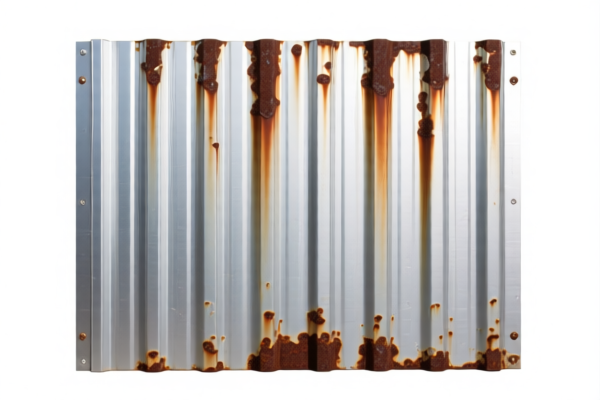
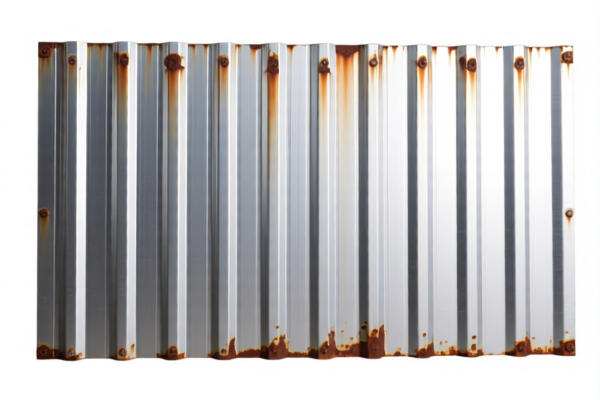
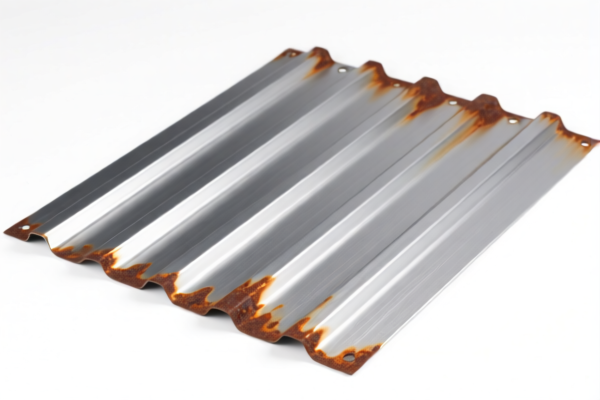
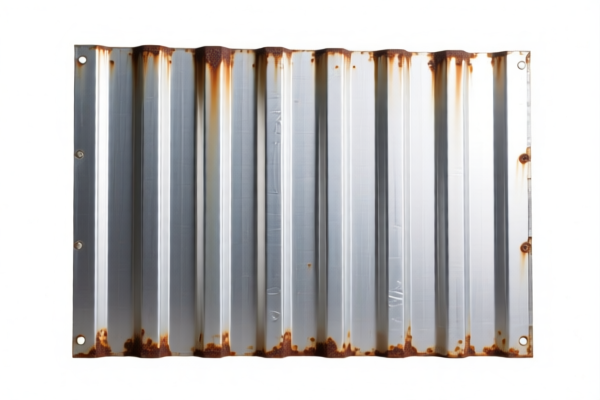
AI分析
🛡️ Anti-Rust Film Agent (金属防锈膜剂/防护膜制剂)
🌐 HS Code Reference & Customs Clearance Guide | 2026 Latest Tariff Analysis | Professional-Level Clearance Strategy
📌 Part 1: Product Definition and Classification: Do You Really Understand "Anti-Rust Film Agents"?
Anti-rust film agents are specialized chemical preparations used to prevent corrosion on metal surfaces. They are typically formulated as protective coatings or films that form a barrier against moisture, oxygen, and corrosive gases. In international trade, these products are primarily classified under Chapter 34 (Lubricating preparations and preparations for oil or grease treatment) or Chapter 38 (Miscellaneous chemical products), depending on their chemical basis and primary function.
Key Distinction:
- Lubricant-Based/Textile-Treatment Based (Chapter 34): If the agent is based on lubricants or used for treating materials (even metals) and contains significant percentages of petroleum oils, it falls here.
- General Chemical Protective Agents (Chapter 38): If the product is a specialized chemical binder, resin-based film, or general protective agent not primarily defined as a lubricant, it falls here.
⚠️ Critical Classification Point:
- If the product is explicitly described as a "lubricating preparation" or "preparation for the treatment of materials" based on lubricants with ≥50% petroleum oil, it MUST be classified under 3403.11.
- If the product is a specialized anti-rust chemical binder or film-forming compound not primarily lubricating, it may fall under 3403.11 (general lubricating prep) or 3811.90 / 3824.99 (miscellaneous chemical products).
- Note: HS Code3403.11in the provided data is an error entry ("Failed to retrieve tax information"). Actual clearance should rely on the more specific subheadings provided.
📦 Part 2: HS Code Classification Details (2026 Latest Tariff Authority Comparison)
Based on the provided data, here are the relevant HS Codes, descriptions, and tax implications for Anti-Rust Film Agents.
| HS Code | Product Description | Applicable Scenario | Tax Rate (China to US) | Notes |
|---|---|---|---|---|
| 3403.11.20.00 | Lubricating preparations for treatment of textile materials, leather, furskins, or other materials, containing ≥50% by weight of petroleum oils or oils from bituminous minerals. | Metal rust preventatives that are lubricant-based and high in petroleum oil content. | 25.2% (0.2% Base + 25% Additional) |
High Risk: If your anti-rust film contains ≥50% petroleum oil, this is likely the correct code. Subject to heavy US Section 301 tariffs. |
| 3403.11.50.00 | Lubricating preparations for treatment of textile materials, leather, furskins, or other materials, containing <70% petroleum oils (but not meeting the ≥50% specific criteria for 3403.11.20). | General lubricant-based anti-rust agents with lower oil content. | 0.0% (0.0% Base + 0.0% Additional) |
Low Cost: If the petroleum oil content is low (specifically, not ≥50% for the specific "treatment" subcategory), this code applies with ZERO additional US tariffs. |
| 3403.11 | (General Heading) Lubricating preparations; anti-rust film agents used to prevent corrosion. | General category for lubricant-based anti-rust products. | Error (Tax info failed) |
Avoid Direct Use: Do not use this general 6-digit code for final declaration. Use specific 8-10 digit subheadings. |
| 3811.90 | Other chemical products not elsewhere specified, including anti-rust agents and protective film-forming compounds. | Anti-rust agents that are not based on lubricants/petroleum oils (e.g., water-based, solvent-based non-lubricant chemicals). | Error (Tax info failed) |
Uncertain: Tax data unavailable in provided source. Requires verification with current US HTSUS. Often subject to standard MFN rates + possible Section 301 tariffs. |
| 3824.99.93.97 | Prepared binders for foundry molds or cores; chemical products not elsewhere specified: Other: Other: Other: Other: Other: Naphthenic acids (not applicable) OR Other chemical products. | Specialized chemical binders or film-forming compounds not classified as lubricants or textile treatments. | 30.0% (5.0% Base + 25% Additional) |
Very High: If classified under miscellaneous chemical products with specific naphthenic or binder components, tariffs can reach 30%. |
| 3824.99.75.10 | Naphthenic acids, their water-insoluble salts, and their esters. | Specific chemical constituents (Naphthenic acids) used in anti-rust formulations. | 28.7% (3.7% Base + 25% Additional) |
High: Only applicable if the product is specifically naphthenic acid-based. |
🔍 Key Takeaway:
- The single most important factor is the petroleum oil content and the primary function (lubricant vs. general chemical).
- 3403.11.50.00 offers 0% additional US tariff, making it highly desirable if the product formulation allows.
- 3403.11.20.00 and 3824.99.93.97 carry 25% additional US tariffs, significantly increasing costs.
💰 Part 3: 2026 Latest Tariff Rate Details (Including Additional Taxes, Policy Add-ons)
✅ Applicable Country: USA (US)
✅ Origin: China (CN)
✅ Effective Date: 2025-11-10 onwards (for subsequent imports)
🎯 1. 3403.11.20.00 —— Lubricating Preparations for Material Treatment (≥50% Petroleum Oil)
| Item | Detail |
|---|---|
| Base Duty Rate | 0.2% (ad valorem) |
| USITC Additional Duty (Section 301) | +25.0% |
| Total Duty Rate | 25.2% |
| Duty Calculation | CIF Value × 25.2% |
| De Minimis Exemption | ❌ Not Eligible (Deny de minimis for goods subject to Section 301 tariffs) |
| Legal Basis Path | USITC:3403.11.20.00 → FOOTNOTE:301:3403.11.20.00 |
📌 Explanation:
- This code applies if your anti-rust film is a lubricant-based preparation used for treating materials and contains 50% or more by weight of petroleum oils.
- The 25% additional tariff is a significant cost driver. Proper formulation to reduce oil content below the threshold for this specific subheading could save 25%.
🎯 2. 3403.11.50.00 —— Lubricating Preparations for Material Treatment (Other)
| Item | Detail |
|---|---|
| Base Duty Rate | 0.0% |
| USITC Additional Duty (Section 301) | 0.0% |
| Total Duty Rate | 0.0% |
| Duty Calculation | CIF Value × 0.0% |
| De Minimis Exemption | ✅ Eligible (if value < $800) |
| Legal Basis Path | USITC:3403.11.50.00 |
📌 Explanation:
- This code covers lubricating preparations for material treatment that do not meet the specific criteria for3403.11.20.00(likely lower petroleum oil content or different classification nuance).
- Zero tariff makes this the most cost-effective classification if the product formulation permits.
🎯 3. 3824.99.93.97 —— Other Chemical Products (Miscellaneous)
| Item | Detail |
|---|---|
| Base Duty Rate | 5.0% |
| USITC Additional Duty (Section 301) | +25.0% |
| Total Duty Rate | 30.0% |
| Duty Calculation | CIF Value × 30.0% |
| De Minimis Exemption | ❌ Not Eligible |
| Legal Basis Path | USITC:3824.99.93.97 → FOOTNOTE:301:3824.99.93.97 |
📌 Explanation:
- If the anti-rust film is classified as a general chemical binder or miscellaneous product, and not under Chapter 34, this higher tariff may apply.
- 30% total duty is very costly. Avoid this classification if possible by ensuring proper Chapter 34 classification.
🎯 4. 3824.99.75.10 —— Naphthenic Acids
| Item | Detail |
|---|---|
| Base Duty Rate | 3.7% |
| USITC Additional Duty (Section 301) | +25.0% |
| Total Duty Rate | 28.7% |
| Duty Calculation | CIF Value × 28.7% |
| De Minimis Exemption | ❌ Not Eligible |
| Legal Basis Path | USITC:3824.99.75.10 → FOOTNOTE:301:3824.99.75.10 |
📌 Explanation:
- Only applies if the product is specifically Naphthenic acids or their derivatives. Rare for general anti-rust films unless specifically formulated as such.
🛠️ Part 4: Customs Clearance Practical Advice (Real-World Pitfall Avoidance Guide)
✅ 1. Documentation Checklist (Essential)
| Document | Must Provide? | Description |
|---|---|---|
| ✅ Product Specification Sheet | ✔️ | Must detail chemical composition, especially % of petroleum oil content. This is critical for classifying between 3403.11.20.00 and 3403.11.50.00. |
| ✅ Safety Data Sheet (SDS) | ✔️ | Provides chemical hazards and composition. Must align with spec sheet. |
| ✅ Product Photos | ✔️ | Show packaging, labels, and product form (liquid, spray, gel). |
| ✅ Commercial Invoice | ✔️ | Clearly state "Anti-Rust Film Agent" or "Lubricating Preparation". Avoid vague terms like "Chemical". |
| ✅ Certificate of Origin (CO) | ✔️ | If applicable, to determine eligibility for any potential exemptions (though Section 301 is broad). |
| ✅ Formula/Composition Breakdown | ✔️ | Crucial for proving oil content <50% to qualify for 0% tariff code 3403.11.50.00. |
✅ 2. Declaration Tips (Key Mantra)
🔥 “Oil Content is King, Lubricant Basis is Key, Avoid Chapter 38 unless Necessary!”
| Scenario | Correct Declaration | Incorrect Approach |
|---|---|---|
| Anti-rust film with ≥50% petroleum oil | 3403.11.20.00 |
Declare as general chemical 3811.90 → Misclassification risk |
| Anti-rust film with <50% petroleum oil (or non-lubricant based) | 3403.11.50.00 or 3811.90 (verify tax) |
Declare as 3403.11.20.00 → Pay 25% extra unnecessarily |
| Anti-rust film is a specialized chemical binder | 3824.99.93.97 (if applicable) |
Declare as lubricant 3403.11 → Misclassification risk |
| Product is Naphthenic Acid based | 3824.99.75.10 |
Declare as general anti-rust → Higher duty |
📌 Critical Advice:
- Formulation Control: If you want to avoid the 25% US tariff, work with your R&D team to adjust the formulation so that the petroleum oil content is below the threshold for3403.11.20.00. This could allow classification under3403.11.50.00with 0% additional duty.
- Descriptive Accuracy: Use precise descriptions like "Lubricating preparation for metal treatment, containing X% petroleum oil" on invoices and specs.
✅ 3. Special Situations
| Situation | Handling Advice |
|---|---|
| Multi-component Kits | If anti-rust film is sold with applicators or other chemicals, ensure the primary function determines the HS code. |
| Private Label (OEM) | Ensure your supplier’s spec sheet matches your declaration. Inconsistencies lead to audits. |
| Small Samples (De Minimis) | If using Section 321 (de minimis, < $800), be aware that Section 301 tariffs (25%) still apply for goods subject to them. However, 3403.11.50.00 has 0% additional tax, so it may be exempt from the 301 duty entirely. Verify with a broker. |
| Non-Chinese Origin | If the product is made in Vietnam, Mexico, etc., check for exclusions from Section 301 tariffs. |
🌍 Part 5: Global Market Comparison (2026 Latest)
| Country/Region | Recommended HS Code | Estimated Duty (China Origin) | Certification Requirements | Notes |
|---|---|---|---|---|
| 🇺🇸 USA | 3403.11.50.00 (Best Case) |
0.0% | SDS, TSCA (if applicable) | Avoid 3403.11.20.00 (25.2%) and 3824.99 (28-30%) |
| 🇺🇸 USA | 3403.11.20.00 |
25.2% | SDS, TSCA | High risk if oil content ≥50% |
| 🇨🇳 China | 3403.11 |
~5-9% (General) | No special import duties | Standard MFN rates apply |
| 🇪🇺 EU | 3403.11 |
~6.5% | REACH Registration Required | Anti-rust agents often require REACH compliance |
| 🇬🇧 UK | 3403.11 |
~6.5% | UK REACH Registration | Post-Brexit rules apply |
📌 Conclusion:
- The USA market is the most challenging due to Section 301 tariffs.
- Optimization Opportunity: Focus on formulating anti-rust films that qualify for3403.11.50.00(0% additional duty) by managing petroleum oil content.
- EU/UK require REACH/UK REACH compliance, which is a separate regulatory hurdle but not a tariff one.
📌 Part 6: Common Mistakes & Pitfall Guide (Blood-Teaching Lessons)
❌ Mistake 1: Assuming all "Anti-Rust Agents" are the same.
👉 Consequence: Misclassification leads to either paying 25% extra tax or customs seizure for incorrect declaration.
✅ Fix: Check petroleum oil content. If ≥50%, expect 25.2%. If <50%, aim for 0%.
❌ Mistake 2: Using vague descriptions like "Chemical Spray" on invoices.
👉 Consequence: Customs may classify under the highest duty rate (3824.99.93.97 at 30%) or require extensive clarification.
✅ Fix: Use specific descriptions: "Lubricating preparation for metal protection, X% oil content."
❌ Mistake 3: Ignoring the "Treatment of Materials" aspect.
👉 Consequence: If classified under Chapter 38 instead of Chapter 34, you might miss the 0% option in 3403.11.50.00.
✅ Fix: Emphasize the "lubricating" or "treating" nature if applicable.
❌ Mistake 4: Not providing SDS or Spec Sheets.
👉 Consequence: Customs delays, exams, and potential penalties for failure to provide proof of composition.
✅ Fix: Always include SDS and detailed spec sheets with the shipment.
🎯 Part 7: Conclusion: Professional Classification Saves Money!
🎯 Key Takeaways:
🔹 "Oil Content Determines Duty: ≥50% = 25.2%, <50% = 0.0% (if correctly classified)."
🔹 "Avoid Chapter 38 if Chapter 34 applies, but verify oil content."
🔹 "Documentation is Key: SDS and Spec Sheets are non-negotiable."📌 Pro Tip:
- If your anti-rust film can be reformulated to have less than 50% petroleum oil (or classified under a different subheading within 3403.11 that has 0% additional duty), do it. The 25% savings is substantial.
- Apply for an Advance Ruling from US Customs and Border Protection (CBP) if the classification is ambiguous. This provides legal certainty and prevents post-clearance audits.
📣 Immediate Action:
📞 Contact your customs broker with the exact chemical formulation.
📄 Provide SDS and Spec Sheet highlighting petroleum oil percentage.
🚀 Ensure your invoice description matches the HS Code classification precisely.
✨ Professional classification is the first step to cost-efficient global trade!
💼 Every percentage point of duty matters!
用户评价
关于 HS 编码归类
协调制度(HS)是由世界海关组织(WCO)制定的国际贸易商品分类标准。全球 200 多个国家采用 HS 系统作为海关关税、贸易统计和进出口监管的基础。
每个 HS 编码遵循以下层级结构:
- 章(2 位)——商品大类(例如:第 84 章:机器和机械设备)
- 品目(4 位)——章内的更具体分类
- 子目(6 位)——国际通用细分,所有 WCO 成员国统一使用
- 本国细分(8-10 位)——各国自行扩展的细分编码,如美国 HTSUS 10 位编码
正确的 HS 编码归类对于顺利通关、准确缴纳关税和遵守贸易法规至关重要。错误归类可能导致海关延误、多缴关税或罚款。
从CN进口到US时,适用的关税税率可能包括:
- 最惠国(MFN)税率——适用于 WTO 成员国的标准关税税率
- 普通税率——适用于无贸易协定国家
- 贸易救济关税——附加关税,如 301 条款(反倾销)、232 条款(国家安全)或反补贴税
本页内容仅供参考。如需正式归类,请咨询当地海关或持牌报关代理。