Anti slip Net Mat
CN → US| HS编码 | 关税税率 | 原产国 | 目的国 | 文档 |
|---|---|---|---|---|
| 4016100000 | 35.0% | CN | US | 官方文档 |
| 4016910000 | 37.7% | CN | US | 官方文档 |
| 5603941090 | 35.0% | CN | US | 官方文档 |
| 5603941010 | 35.0% | CN | US | 官方文档 |
商品图片
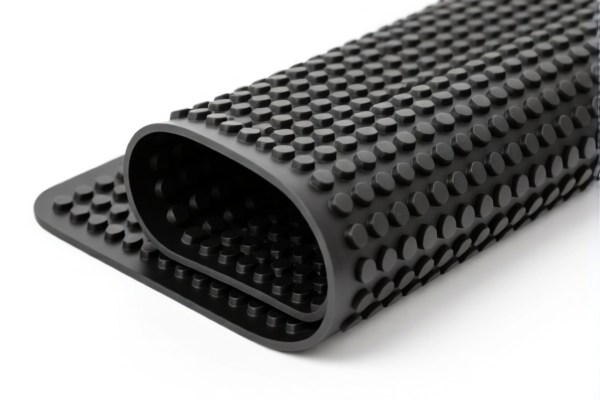
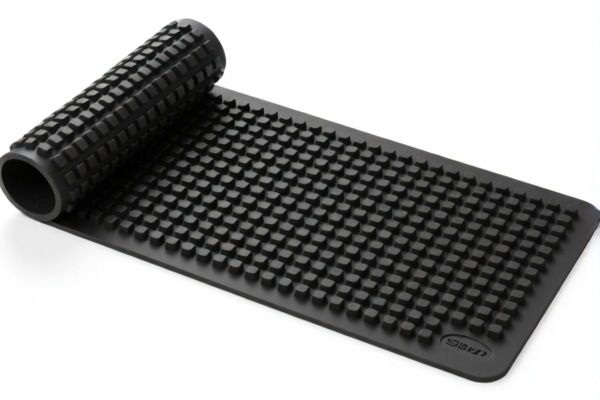
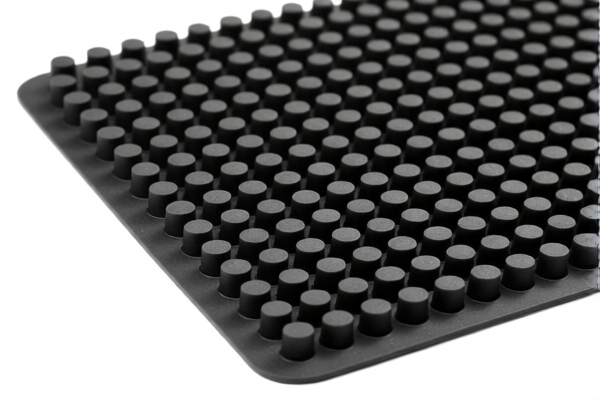
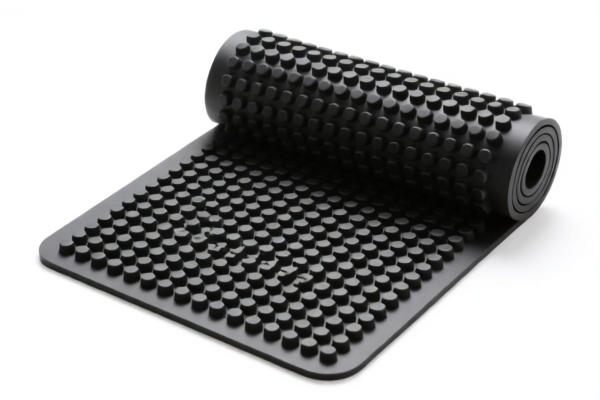
AI分析
🛍️ Anti-Slip Net Mat (Non-Slip Mats)
🌐 HS Code Reference & Customs Clearance Guide | 2026 Latest Tariff Analysis | Professional-Level Entry Strategy
📌 I. Product Definition & Classification: What Exactly is an "Anti-Slip Net Mat"?
An "Anti-Slip Net Mat" is a general trade term often used for mats designed to provide traction and prevent slipping. In international trade, the Harmonized System (HS) classification depends entirely on the material composition and specific use case (e.g., carpet underlay vs. rubber floor covering).
Because the input name is broad, it can fall into multiple categories depending on how the product is manufactured:
- Rubber/Plastic Mats: Common for bath mats, gym mats, or industrial anti-slip pads.
- Non-Woven Fabric Mats: Often used as carpet underlays, cushioning, or lightweight floor coverings.
⚠️ Key Distinction Point:
- If the material is Sulfurized Rubber/Plastic (flexible, durable, rubbery feel) → It belongs to Chapter 40.
- If the material is Non-Woven Textile (fabric-like, often used as underlay or cushion) → It belongs to Chapter 56.
📦 II. HS Code Classification Details (2026 Latest Tariff Authority Comparison)
Based on the provided data, the "Anti-Slip Net Mat" can be classified into four potential HS Codes. Below is the detailed breakdown:
| HS Code | Product Description | Material Inference | Application Scenario |
|---|---|---|---|
4016.10.00.00 |
Other vulcanized rubber goods, other than hard rubber | Rubber/Plastic | General anti-slip mats, bath mats, industrial rubber pads. |
4016.91.00.00 |
Other vulcanized rubber goods: Floor coverings and wall coverings | Sulfurized Rubber | Specifically categorized as "mats" or "floor coverings" with anti-slip properties. |
5603.94.10.90 |
Other non-woven fabrics: Carpet underlays (mats) | Non-Woven Fabric | Lightweight anti-slip mats, often used as backing for carpets or temporary floor protection. |
5603.94.10.10 |
Other non-woven fabrics: Carpet underlays (mats) | Non-Woven Fabric | Similar to above, specifically inferred as non-woven material common in anti-slip applications. |
🔍 Important Note:
- The summary for4016.10.00.00states: "Inferred material is rubber/plastic... fits 'other vulcanized rubber goods'."
- The summary for4016.91.00.00states: "Product use is 'mat', material commonly inferred as 'sulfurized rubber' (anti-slip attribute)... fits 'other vulcanized rubber goods: carpets and mats'."
- The summaries for5603.94.10.10and5603.94.10.90state: "Inferred as non-woven fabric... fits carpet underlay mats."
💰 III. 2026 Latest Tariff Rate Details (Including Surcharges & Policy Add-ons)
✅ Applicable Country: United States (US)
✅ Origin: China (CN)
✅ Effective Time: 2025/2026 (Post-November 2025 policies)
🎯 1. 4016.10.00.00 — Other Vulcanized Rubber Goods
| Item | Content |
|---|---|
| Base Tariff | 0.0% |
| Section 301 Surcharge | +25.0% |
| Section 122 Tariff | +10.0% |
| Total Tax Rate | 35.0% |
| Tax Calculation | CIF Value × 35% |
| De Minimis Exemption | ❌ Not Eligible (High tax rate triggers full assessment) |
| Legal Basis Path | Base: 0% → 301: 25% → Sec 122: 10% |
📌 Explanation:
- Although the base duty is 0%, the Section 301 (25%) and Section 122 (10%) surcharges apply to Chinese-origin rubber goods.
- Total Cost Impact: High. Buyers must account for a 35% additional cost on top of the product value.
🎯 2. 4016.91.00.00 — Vulcanized Rubber Floor Coverings/Mats
| Item | Content |
|---|---|
| Base Tariff | 2.7% |
| Section 301 Surcharge | +25.0% |
| Section 122 Tariff | +10.0% |
| Total Tax Rate | 37.7% |
| Tax Calculation | CIF Value × 37.7% |
| De Minimis Exemption | ❌ Not Eligible |
| Legal Basis Path | Base: 2.7% → 301: 25% → Sec 122: 10% |
📌 Explanation:
- This code is specifically for "mats" and "floor coverings" made of vulcanized rubber.
- The base rate is slightly higher (2.7%) than4016.10.00.00.
- Total Cost Impact: Highest among rubber options at 37.7%. This is the most expensive classification for rubber mats.
🎯 3. 5603.94.10.90 — Non-Woven Fabric: Other (Carpet Underlay Mats)
| Item | Content |
|---|---|
| Base Tariff | 0.0% |
| Section 301 Surcharge | +25.0% |
| Section 122 Tariff | +10.0% |
| Total Tax Rate | 35.0% |
| Tax Calculation | CIF Value × 35.0% |
| De Minimis Exemption | ❌ Not Eligible |
| Legal Basis Path | Base: 0% → 301: 25% → Sec 122: 10% |
📌 Explanation:
- This code applies if the mat is made of non-woven fabric (textile-like).
- The tariff structure is identical to4016.10.00.00(0% base + 35% surcharges).
- Total Cost Impact: 35%. Slightly cheaper than the rubber mat classification (4016.91.00.00) but same as the other rubber category (4016.10.00.00).
🎯 4. 5603.94.10.10 — Non-Woven Fabric: Carpet Underlay Mats
| Item | Content |
|---|---|
| Base Tariff | 0.0% |
| Section 301 Surcharge | +25.0% |
| Section 122 Tariff | +10.0% |
| Total Tax Rate | 35.0% |
| Tax Calculation | CIF Value × 35.0% |
| De Minimis Exemption | ❌ Not Eligible |
| Legal Basis Path | Base: 0% → 301: 25% → Sec 122: 10% |
📌 Explanation:
- Specifically for non-woven mats inferred as carpet underlays.
- Total Cost Impact: 35%. Identical to5603.94.10.90.
🛠️ IV. Customs Clearance Practical Advice (Actionable Tips)
✅ 1. Material Verification is Critical
The difference between 35.0% and 37.7% tax rates, as well as the correct HS Code, depends 100% on the material.
| Scenario | Recommended HS Code | Total Tax | Why? |
|---|---|---|---|
| Rubber/Plastic Mat (e.g., Bath mat, Gym mat) | 4016.10.00.00 |
35.0% | "Other vulcanized rubber goods" |
| Rubber Floor Mat (Explicitly "Mat/Floor Covering") | 4016.91.00.00 |
37.7% | Specifically categorized as floor covering/mat |
| Non-Woven Fabric Mat (Carpet backing, lightweight) | 5603.94.10.10 or .90 |
35.0% | "Non-woven fabrics" |
🔥 Pro Tip:
- If your product is a rubber bath mat, declaring it as4016.10.00.00(35%) is cheaper than declaring it as4016.91.00.00(37.7%).
- However, you must ensure the product description does not explicitly claim "Floor Covering" if using4016.10.00.00, to avoid customs disputes.
- If it is non-woven fabric, choose5603.94.10.10or.90. The tax is the same (35%), but the description must match "non-woven fabric."
✅ 2. Documentation Requirements
| Document | Required? | Description |
|---|---|---|
| ✅ Product Specification Sheet | ✔️ | Must clearly state Material Composition (e.g., "100% Sulfurized Rubber" vs. "Non-Woven Polyester"). |
| ✅ Material Test Report | ✔️ | Third-party lab report confirming material type. Crucial for proving "Non-Woven" vs. "Rubber." |
| ✅ Commercial Invoice | ✔️ | Must specify "Anti-Slip Mat" and material. Avoid vague terms like "Rubber Product" without detail. |
| ✅ Photos of Product | ✔️ | Show texture, cross-section (if possible), and labels. |
| ✅ Origin Certificate | ✔️ | To confirm China origin (subject to 301 + Sec 122 tariffs). |
✅ 3. Common Mistakes to Avoid
| Mistake | Consequence |
|---|---|
| Misidentifying Material | Claiming a rubber mat is "non-woven fabric" to avoid specific sub-headings → Customs Rejection + Penalties. |
Using "Mat" in Title for 4016.10.00.00 |
If you use 4016.10.00.00 (Other Rubber Goods), avoid using "Mat" in the detailed description if possible, or clarify it's a "general rubber good" rather than a "floor covering." |
| Ignoring Sec 122 Tariff | Forgetting the 10% Section 122 surcharge → Underpayment of Duties + Back Taxes. |
| Assuming De Minimis Applies | Assuming these mats qualify for $800 de minimis → NO, high tax rates often block de minimis clearance or trigger full entry. |
🌍 V. Global Market Comparison (2026)
| Country/Region | Recommended HS Code | Total Tariff (China Origin) | Notes |
|---|---|---|---|
| 🇺🇸 USA | 4016.10.00.00 / 4016.91.00.00 / 5603.94.10.10 |
35.0% - 37.7% | High tariffs due to Section 301 + Sec 122. |
| 🇨🇳 China | Varies | 5-10% | Lower base tariffs, no US-style surcharges. |
| 🇪🇺 EU | Varies | 0-6% | No Section 301/122 equivalents. |
| 🇬🇧 UK | Varies | 0-6% | Post-Brexit, no US-style tariffs. |
📌 Conclusion for US Market:
- Tariff burden is significant (35-37.7%).
- Cost-saving Strategy:
- If the product is Rubber, try to classify under4016.10.00.00(35%) instead of4016.91.00.00(37.7%) by describing it as "Other Vulcanized Rubber Goods" rather than "Floor Coverings."
- If the product is Non-Woven Fabric, use5603.94.10.10or.90(35%).
- Material Verification is the key to choosing the correct and potentially cheaper code.
📌 VI. Final Checklist for Shippers
- Confirm Material: Is it Rubber/Plastic or Non-Woven Fabric?
- Choose HS Code:
- Rubber →
4016.10.00.00(35%) OR4016.91.00.00(37.7%). - Non-Woven →
5603.94.10.10or.90(35%).
- Rubber →
- Calculate Landed Cost: CIF × 35% (or 37.7%) + Shipping + Handling.
- Prepare Docs: Material test reports are mandatory to justify the HS Code.
- Declare Accurately: Ensure invoice description matches the HS Code definition.
🎯 Remember:
🔹 "Material Dictates Code, Code Dictates Cost."
🔹 "Rubber Mat = 35-37.7%, Non-Woven = 35%."
🔹 "Verify Material First, Avoid 37.7% if 35% is Possible."
📌 Pro Tip:
If you are shipping small quantities (under $800), check if De Minimis still applies. However, with 35%+ tariffs, many carriers and customs brokers recommend full entry clearance to avoid delays or unexpected fees.
📣 Immediate Action:
📞 Consult your customs broker with a material sample or lab report.
🚀 Optimize your HS Code to save up to 2.7% on every shipment (37.7% vs 35%).
💼 Precise classification = Maximized Profit.
✨ Professional Clearance, Starting with Accurate Classification!
💼 Every Percentage Point Counts in International Trade!
用户评价
关于 HS 编码归类
协调制度(HS)是由世界海关组织(WCO)制定的国际贸易商品分类标准。全球 200 多个国家采用 HS 系统作为海关关税、贸易统计和进出口监管的基础。
每个 HS 编码遵循以下层级结构:
- 章(2 位)——商品大类(例如:第 84 章:机器和机械设备)
- 品目(4 位)——章内的更具体分类
- 子目(6 位)——国际通用细分,所有 WCO 成员国统一使用
- 本国细分(8-10 位)——各国自行扩展的细分编码,如美国 HTSUS 10 位编码
正确的 HS 编码归类对于顺利通关、准确缴纳关税和遵守贸易法规至关重要。错误归类可能导致海关延误、多缴关税或罚款。
从CN进口到US时,适用的关税税率可能包括:
- 最惠国(MFN)税率——适用于 WTO 成员国的标准关税税率
- 普通税率——适用于无贸易协定国家
- 贸易救济关税——附加关税,如 301 条款(反倾销)、232 条款(国家安全)或反补贴税
本页内容仅供参考。如需正式归类,请咨询当地海关或持牌报关代理。