Anti slip Strip Mat
CN → US| HS编码 | 关税税率 | 原产国 | 目的国 | 文档 |
|---|---|---|---|---|
| 4016910000 | 37.7% | CN | US | 官方文档 |
| 4016100000 | 35.0% | CN | US | 官方文档 |
| 5603941090 | 35.0% | CN | US | 官方文档 |
| 5603941010 | 35.0% | CN | US | 官方文档 |
| 3919102055 | 40.8% | CN | US | 官方文档 |
商品图片
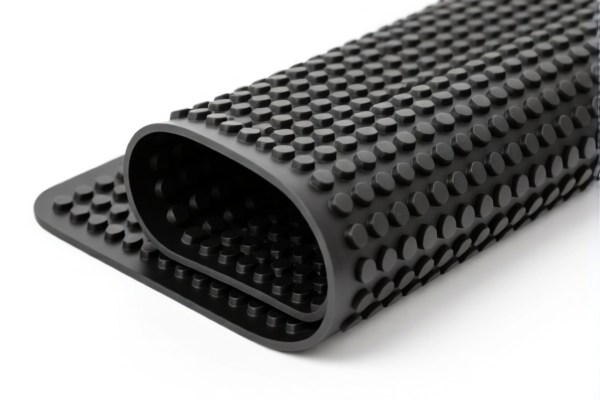
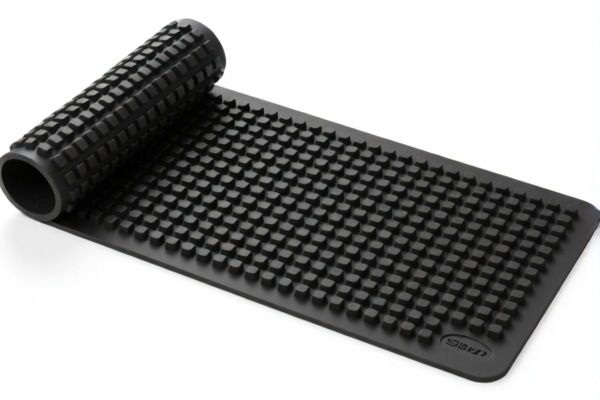
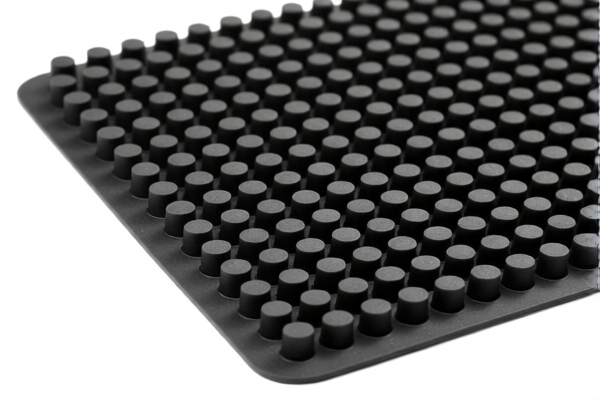
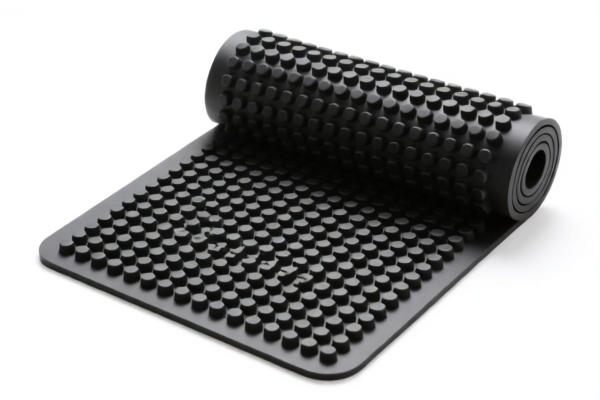
AI分析
🛑 Anti-Slip Strip Mat
🌐 HS Code Reference & Customs Clearance Guide | 2026 Latest Tariff Analysis | Professional Customs Strategy 📌 Part 1: Product Definition & Classification: What Exactly Is an "Anti-Slip Strip Mat"?
Anti-slip mats and strips are ubiquitous in households, hotels, and industrial settings. However, in international trade, they are not a single category. The classification depends entirely on the Material, Form, and Primary Function.
Based on the provided data, there are five potential HS Codes for this product, falling into three main material categories: 1. Rubber/Plastic Sheets (High Tax Risk) 2. Non-Woven Fabrics (Lower Base Tax, High Surcharge) 3. Self-Adhesive Plastic Tape (Highest Base Tax)
⚠️ Critical Distinction: * Rubber/PVC Mats: Usually solid sheets or strips. Classified under Chapter 40 (Rubber) or Chapter 39 (Plastics). * Fabric-Backed Mats: Often have a non-woven backing. Classified under Chapter 56 (Textiles). * Tape/Strips: If sold as a roll of adhesive tape for sticking to floors. Classified under Chapter 39.
📦 Part 2: HS Code Classification Details (Based on Provided Data)
| HS Code | Product Description & Logic | Material Inference | Key Attribute |
|---|---|---|---|
| 4016.91.00.00 | Other Vulcanized Rubber Articles | Vulcanized Rubber | Form: Mats/Rugs. Logic: Matches "Mat" usage, inferred vulcanized rubber material. |
| 4016.10.00.00 | Vulcanized Rubber Flooring/Plates | Rubber/Plastic | Shape: Articles. Logic: Inferred rubber/plastic material, fits general article description. |
| 5603.94.10.90 | Non-Woven Fabrics, Backing for Carpets | Non-Woven Fabric | Function: Anti-slip/Backing. Logic: Inferred non-woven carpet backing, no conflict with anti-slip use. |
| 5603.94.10.10 | Non-Woven Fabrics, Other | Non-Woven Fabric | Function: Carpet Backing. Logic: Inferred non-woven material, fits carpet backing attributes. |
| 3919.10.20.55 | Self-Adhesive Plates/Sheets of Plastic | Plastic | Form: Flat Strips/Tapes. Logic: Inferred plastic material, flat shape, anti-slip application. |
💰 Part 3: 2026 Latest Tariff Rate Breakdown (Detailed Tax Analysis)
✅ Applicable Country: United States (US) ✅ Origin: China (CN) ✅ Effective Time: Current Trade War Regulations (Section 301 + IEEPA)
🎯 1. Rubber Category: 4016.91.00.00 & 4016.10.00.00
These codes fall under Chapter 40 (Rubber). They face the highest combined tariff burden due to base rates and multiple surcharges.
| Item | Content |
|---|---|
| HS Code | 4016.91.00.00 (Mats) / 4016.10.00.00 (Flooring) |
| Base Tariff | 2.7% (for 4016.91) / 0.0% (for 4016.10) |
| Section 301 Surcharge (25%) | +25.0% (Applicable to Chinese rubber products) |
| IEEPA Section 122 Surcharge | +10.0% (Specific additional levy) |
| TOTAL EFFECTIVE RATE | 37.7% (for 4016.91) 35.0% (for 4016.10) |
| Tax Calculation | CIF Value × Total Rate |
| De Minimis Exemption? | ❌ NO (High risk of seizure or retroactive taxation) |
📌 Explanation: *
4016.91.00.00(37.7%): This is the most likely code for solid vulcanized rubber mats. It has a small base tariff (2.7%) but suffers from both the 25% Section 301 tax and the 10% IEEPA 122 tax. *4016.10.00.00(35.0%): If classified as "rubber flooring/plates," the base is 0%, resulting in a slightly lower total of 35%. * Warning: Both are subject to heavy dual surcharges. Do not assume "rubber" equals "low tax."
🎯 2. Non-Woven Fabric Category: 5603.94.10.90 & 5603.94.10.10
These codes fall under Chapter 56 (Textiles/Non-Wovens). They benefit from a 0% base tariff but still attract the full surcharge package.
| Item | Content |
|---|---|
| HS Code | 5603.94.10.90 / 5603.94.10.10 |
| Base Tariff | 0.0% |
| Section 301 Surcharge (25%) | +25.0% |
| IEEPA Section 122 Surcharge | +10.0% |
| TOTAL EFFECTIVE RATE | 35.0% |
| Tax Calculation | CIF Value × 35.0% |
| De Minimis Exemption? | ❌ NO |
📌 Explanation: * Same 35% Rate: Despite being textiles, Chinese non-woven fabrics are hit hard by the 25% + 10% surcharges. * Differentiation: *
5603.94.10.10: Likely for generic non-woven carpet backing. *5603.94.10.90: "Other" non-woven fabrics, potentially for specialized anti-slip backing. * Key Advantage: The base rate is 0%, making them slightly more predictable than the rubber mats (2.7% base), but the total burden is identical to the cheaper rubber option.
🎯 3. Plastic Self-Adhesive Category: 3919.10.20.55
This code falls under Chapter 39 (Plastics). It has the highest base tariff, making it the most expensive option.
| Item | Content |
|---|---|
| HS Code | 3919.10.20.55 |
| Base Tariff | 5.8% |
| Section 301 Surcharge (25%) | +25.0% |
| IEEPA Section 122 Surcharge | +10.0% |
| TOTAL EFFECTIVE RATE | 40.8% |
| Tax Calculation | CIF Value × 40.8% |
| De Minimis Exemption? | ❌ NO |
📌 Explanation: * Why so high? If your "strip mat" is actually a self-adhesive plastic tape (e.g., PVC grip tape for stairs), it is taxed as a plastic adhesive product. * Base Rate: 5.8% is significantly higher than the 0% for non-woven or 2.7% for rubber. * Total: 40.8% is the most expensive classification in this dataset.
🛠️ Part 4: Customs Clearance Practical Advice (Avoid Pitfalls)
✅ 1. Documentation Checklist (Essential)
| Document | Must Provide | Notes |
|---|---|---|
| ✅ Product Composition | ✔️ | Clearly state: "100% Vulcanized Rubber" OR "Non-Woven Fabric with Rubber Backing." |
| ✅ Product Photos | ✔️ | Show texture, backing, and adhesive side (if any). |
| ✅ Usage Declaration | ✔️ | "Floor Mat for Home Use" vs. "Industrial Anti-Slip Strip." |
| ✅ Invoice & Packing List | ✔️ | Must match HS Code description exactly. |
| ✅ Origin Certificate | ✔️ | Required for China origin verification. |
⚠️ Crucial Tip: Do not simply write "Mat." Write "Vulcanized Rubber Anti-Slip Mat" or "Non-Woven Fabric Anti-Slip Backing." Vague descriptions lead to customs delays and potential misclassification.
✅ 2. Classification Strategy & Cost Comparison
| Scenario | Recommended HS Code | Total Tax Rate | Cost Implication |
|---|---|---|---|
| Solid Rubber Mat | 4016.91.00.00 |
37.7% | Moderate-High Cost. |
| Fabric/Non-Woven Mat | 5603.94.10.10/90 |
35.0% | Lowest Cost (Base 0%). |
| Plastic Adhesive Strip | 3919.10.20.55 |
40.8% | Highest Cost. Avoid if possible. |
📌 Strategic Advice: * If your product is multi-material (e.g., fabric top, rubber back), classify based on the essential character (usually the rubber for grip). * If it is purely non-woven, it is the most tax-efficient option at 35%. * If it is a tape/stick-on strip, you are stuck with 40.8%.
✅ 3. Common Mistakes & Pitfalls
❌ Mistake 1: Classifying a Rubber Mat as a Carpet (Chapter 57)
👉 Consequence: Incorrect classification. Customs will reclassify to 4016, charging 37.7% + penalties.
❌ Mistake 2: Ignoring the 10% IEEPA Surcharge 👉 Consequence: Many brokers only account for the 25% Section 301 tax. You will be underpaid by 10%, leading to post-import audits and fines.
❌ Mistake 3: Confusing Plastic Tape (3919) with Rubber Sheets (4016)
👉 Consequence: A 3.1% tax difference (40.8% vs 37.7%) plus potential duty drawback issues.
🌍 Part 5: Global Market Comparison (2026 Outlook)
| Market | Recommended HS Code | Est. Duty Rate (China Origin) | Notes |
|---|---|---|---|
| 🇺🇸 USA | 4016.91.00.00 / 5603.94.10 |
35.0% - 40.8% | High due to 25% + 10% surcharges. |
| 🇨🇳 China | 4016.91.00.00 |
~5-8% | Standard import duty, no US surcharges. |
| 🇪🇺 EU | 4016.91.00.00 |
~3-6% | Lower base duties, no Section 301. |
| 🇬🇧 UK | 4016.91.00.00 |
~4-7% | Post-Brexit tariffs apply. |
📌 Conclusion: The USA market is the most expensive for Chinese anti-slip mats due to the dual-layer tariff structure (25% + 10%). * Total Cost Impact: A $10,000 shipment could incur $3,500 - $4,080 in duties alone.
📌 Part 6: Final Recommendations
- Verify Material: Check if your mat is Vulcanized Rubber (HS 4016) or Non-Woven Fabric (HS 5603).
- Non-Woven is cheaper to classify (0% base) but still hits 35% total.
- Rubber hits 37.7% total.
- Avoid Plastic Tape Classification: If possible, design the product as a mat or strip rather than an adhesive tape, as
3919.10.20.55carries a 40.8% rate. - Prepare for Audits: Keep samples and material safety data sheets (MSDS) ready. Customs may test for rubber content vs. plastic content.
- Pre-Arrival Ruling: Consider applying for an Advance Ruling from US CBP to lock in the HS Code and avoid disputes upon arrival.
🎯 Pro Tip:
"Material Defines the Code, Surcharge Defines the Cost." For US imports from China, expect 35% to 41% in duties. Plan your pricing strategy accordingly!
📣 Action Item:
Contact your supplier for the exact material composition and HS Code confirmation before shipping. Do not guess!
✨ Professional Customs Clearance Starts with Accurate Classification! 💼 Minimize Risk, Maximize Profit!
用户评价
关于 HS 编码归类
协调制度(HS)是由世界海关组织(WCO)制定的国际贸易商品分类标准。全球 200 多个国家采用 HS 系统作为海关关税、贸易统计和进出口监管的基础。
每个 HS 编码遵循以下层级结构:
- 章(2 位)——商品大类(例如:第 84 章:机器和机械设备)
- 品目(4 位)——章内的更具体分类
- 子目(6 位)——国际通用细分,所有 WCO 成员国统一使用
- 本国细分(8-10 位)——各国自行扩展的细分编码,如美国 HTSUS 10 位编码
正确的 HS 编码归类对于顺利通关、准确缴纳关税和遵守贸易法规至关重要。错误归类可能导致海关延误、多缴关税或罚款。
从CN进口到US时,适用的关税税率可能包括:
- 最惠国(MFN)税率——适用于 WTO 成员国的标准关税税率
- 普通税率——适用于无贸易协定国家
- 贸易救济关税——附加关税,如 301 条款(反倾销)、232 条款(国家安全)或反补贴税
本页内容仅供参考。如需正式归类,请咨询当地海关或持牌报关代理。