Apple Slicer
CN → US| HS编码 | 关税税率 | 原产国 | 目的国 | 文档 |
|---|---|---|---|---|
| 3924104000 | 13.4% | CN | US | 官方文档 |
| 3924103000 | 22.8% | CN | US | 官方文档 |
| 8205513030 | 38.7% | CN | US | 官方文档 |
| 8210000000 | 38.7% | CN | US | 官方文档 |
| 8205517500 | 38.7% | CN | US | 官方文档 |
商品图片
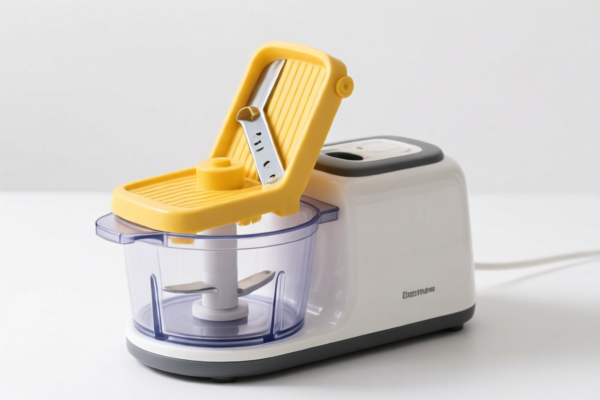
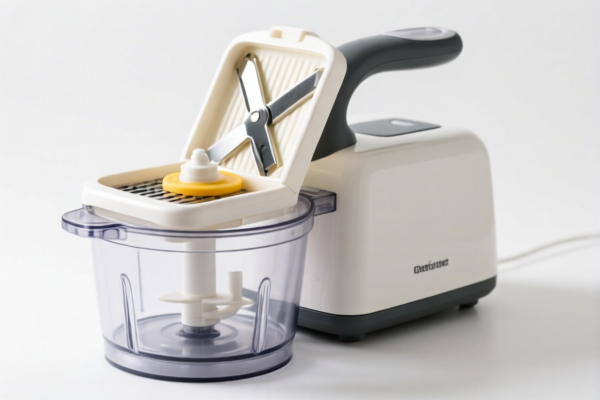
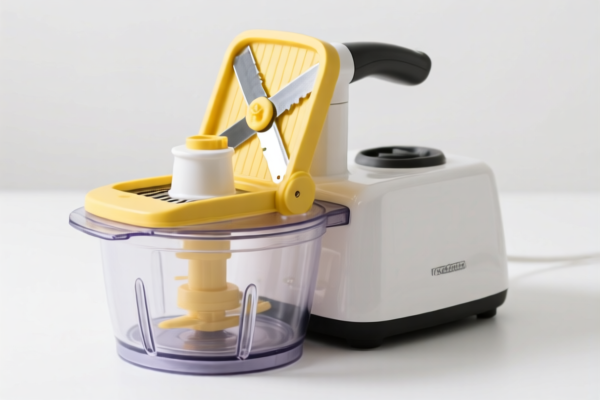
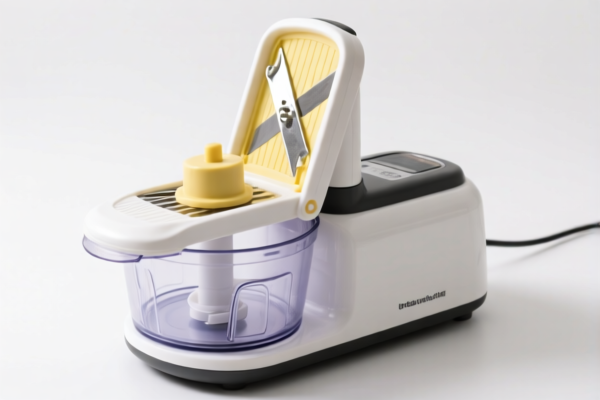
AI分析
🍎 Apple Slicer (Fruit Knives & Kitchen Gadgets)
🌐 HS Code Reference & Customs Clearance Guide | 2024-2025 Latest Tariff Structure | Professional Entry Strategy
📌 I. Product Definition & Classification: Do You Really Know What an "Apple Slicer" Is?
An Apple Slicer is a common kitchen gadget used to cut apples (and sometimes other round fruits like pears or tomatoes) into uniform wedges or slices. In international trade, its classification strictly depends on the material and functional design. Misclassification leads to significant tax differences (from 13.4% to 38.7%).
There are two main categories: 1. Plastic Apple Slicers: Typically a single-piece or two-piece plastic device with wire blades embedded. 2. Metal/Manual Tool Apple Slicers: Often made of stainless steel or aluminum, featuring manual handles, rotating mechanisms, or multi-functional designs.
⚠️ Key Distinction Point:
- If made of Plastic → Usually classified under Chapter 39 (Plastics).
- If made of Metal or functioning as a Manual Mechanical Tool → Classified under Chapter 82 (Base Metal Articles/Tools).
- Note: Even if it has metal wires, if the primary structure is plastic, it may still fall under plastics, but metal-dominant tools fall under Chapter 82.
📦 II. HS Code Classification Details (Based on Provided Data)
| HS Code | Product Description | Applicable Scenario | Material/Type |
|---|---|---|---|
3924.10.40.00 |
Plastic tableware/kitchenware | Simple plastic slicers, single-piece plastic gadgets | ✅ Plastic |
3924.10.30.00 |
Plastic tableware/kitchenware | Other plastic kitchen utensils (slightly broader category) | ✅ Plastic |
8205.51.30.30 |
Hand tools of base metal | Metal kitchen utensils, stainless steel slicers | ✅ Metal |
8210.00.00.00 |
Hand-operated mechanical appliances for food preparation | Mechanical apple slicers, rotating cutters | ✅ Mechanical/Metal |
8205.51.75.00 |
Household hand tools | Manual metal kitchen tools, non-electric cutters | ✅ Metal/Manual |
🔍 Critical Reminder:
- Plastic slicers attract the lowest additional duties (10% 122 Clause + base rates).
- Metal/Mechanical slicers attract highest additional duties (25% Section 301 + base rates).
- Do not mix materials in one HS Code declaration. If a product has a plastic handle and metal blades, consult a customs broker, but it often leans towards Chapter 82 if the cutting function is metal-dominated.
💰 III. 2024-2025 Latest Tariff Rate Breakdown (Including Additional Duties & Policy Add-ons)
✅ Applicable Country: USA (US)
✅ Origin: China (CN)
✅ Note: Rates include Base Tariff, Section 301 Additional Tariff, and 122 Clause Tariff (if applicable).
🎯 1. 3924.10.40.00 & 3924.10.30.00 —— Plastic Kitchen Utensils
| Item | Detail |
|---|---|
| Product | Plastic Apple Slicer |
| Base Tariff | 3.4% (3924.10.40) / 5.3% (3924.10.30) |
| Section 301 Additional Tariff | 0.0% (Note: Data shows 0% for these plastic codes in this specific dataset, likely due to specific exclusion or historical rate structure) |
| 122 Clause Tariff | +10% |
| Total Effective Tax Rate | 13.4% (Code .40) / 22.8% (Code .30) |
| Tax Calculation | CIF Value × 13.4% or 22.8% |
| De Minimis Exemption | ❌ Not Applicable for Section 301 items generally, but check current $800 threshold rules for de minimis shipments. However, high-value commercial shipments are not exempt. |
| Legal Basis Path | HTSUS 3924 → Section 301 List 3/4 (if applicable) → Section 122 (if applicable) |
📌 Interpretation:
-3924.10.40.00is the most cost-effective classification for plastic slicers.
-3924.10.30.00has a slightly higher base rate (5.3%) resulting in a total of 22.8%.
- Why the difference?3924.10.40is specifically for "Plastic tableware and kitchenware," often interpreted more precisely for slicers, while.30is a residual category for other plastic kitchen items. Always argue for.40if possible.
🎯 2. 8205.51.30.30, 8210.00.00.00, 8205.51.75.00 —— Metal & Manual Tools
| Item | Detail |
|---|---|
| Product | Metal/Manual Apple Slicer |
| Base Tariff | 3.7% |
| Section 301 Additional Tariff | +25.0% |
| 122 Clause Tariff | +10% |
| Total Effective Tax Rate | 38.7% |
| Tax Calculation | CIF Value × 38.7% |
| De Minimis Exemption | ❌ Not Exempt |
| Legal Basis Path | HTSUS 8205/8210 → Section 301 List 1/3 → Section 122 |
📌 Interpretation:
- All three metal-related codes share the same total rate of 38.7%.
- This is significantly higher than plastic slicers (38.7% vs 13.4-22.8%).
-8210.00.00.00is for "Hand-operated mechanical appliances," which fits rotating apple slicers well.
-8205codes are for "Hand tools," fitting simple manual press-style slicers.
🛠️ IV. Customs Clearance Practical Advice (Avoiding Pitfalls)
✅ 1. Documentation Checklist (Non-Negotiable)
| Document | Required | Description |
|---|---|---|
| Product Specification Sheet | ✔️ | Must clearly state: Material (Plastic vs. Metal), Dimensions, Weight, Usage (e.g., "For cutting apples"). |
| Material Composition Statement | ✔️ | Crucial for distinguishing between 3924 (Plastic) and 8205/8210 (Metal). |
| Commercial Invoice | ✔️ | Must match HS Code description exactly. Avoid vague terms like "Kitchen Item." Use "Plastic Apple Slicer" or "Stainless Steel Apple Corer & Slicer." |
| Product Photos | ✔️ | Clear images showing the product alone and in use. Highlight the material (e.g., "Plastic Body with Wire Blades"). |
| Certificate of Origin | ✔️ | Required for Section 301 duty calculation. |
| Packaging List | ✔️ | Show unit weight and carton dimensions. |
✅ 2. Declaration Tips (Key Strategy)
🔥 “Material Matters, Code Matches, Description Precise!”
| Scenario | Correct HS Code | Incorrect Action | Risk |
|---|---|---|---|
| Plastic Slicer | 3924.10.40.00 |
Declare as 8210 |
Overpay tax by ~25%! |
| Metal Slicer | 8210.00.00.00 or 8205.51.30.30 |
Declare as 3924 |
Under-declaration → Penalties + Back Taxes |
| Mixed Material | Consult Broker | Guessing | High risk of misclassification audit |
| Plastic Slicer with Metal Blades | Usually 3924.10.40.00 |
Declare as Metal | Higher tax rate |
📌 Note on Mixed Materials: If the slicer has a plastic handle and metal cutting wires, customs often classifies based on the principal character. For simple slicers, if the plastic body dominates,
3924is often accepted. However, if the metal part is significant,8205may apply. Always provide a material breakdown.
✅ 3. Special Cases
| Situation | Handling Suggestion |
|---|---|
| Set with Other Utensils | If the apple slicer is part of a set (e.g., with a peeler), declare the principal item. If the slicer is the main value, declare it as such. |
| New "Smart" Apple Slicer | If it has electronic components (e.g., motorized), it may fall under Chapter 85 (Electrical Machinery), not Chapter 39 or 82. |
| Sample Shipments | Even samples are subject to duties if declared as commercial. Use "Samples" status if eligible, but duties still apply based on HS Code. |
| 122 Clause Tariff | Verify if the 122 Clause applies to your specific shipment date and value. It is often a temporary measure. |
🌍 V. Global Market Clearance Comparison (2024-2025)
| Country/Region | Recommended HS Code | Tariff Rate (China Origin) | Notes |
|---|---|---|---|
| 🇺🇸 USA | 3924.10.40.00 (Plastic) 8210.00.00.00 (Metal) |
13.4% (Plastic) 38.7% (Metal) |
High Section 301 duties on metal tools. Plastic is cheaper. |
| 🇪🇺 EU | 8215.99.90 (Metal) 3924.10.00 (Plastic) |
4.2% (Metal) 1.7% (Plastic) |
No Section 301 equivalent. Much lower rates. |
| 🇨🇳 China | 8215.99.10 3924.10.90 |
7-8% | Moderate rates. No additional punitive tariffs. |
| 🇬🇧 UK | 8215.99.90 3924.10.00 |
4.2% (Metal) 1.7% (Plastic) |
Similar to EU post-Brexit. |
| 🇨🇦 Canada | 8215.99.90 3924.10.00 |
2.8-6.5% | No Section 301. |
📌 Conclusion:
- USA is the most expensive market due to Section 301 tariffs on metal kitchen tools.
- Plastic apple slicers are highly competitive in the US market due to lower duties (13.4%).
- Metal slicers face a 38.7% effective duty, making them less competitive unless branded/premium.
📌 VI. Common Errors & Pitfalls (Lessons Learned)
❌ Error 1: Declaring a Metal Slicer as 3924.10.40.00 (Plastic)
👉 Result: Customs detects metal content → Back taxes + Interest + Penalties (Total ~25% difference).
❌ Error 2: Using vague terms like "Kitchen Gadget" on the Invoice
👉 Result: Customs cannot determine material → Delay in release, possible examination, or forced reclassification.
❌ Error 3: Ignoring the 122 Clause
👉 Result: If the 122 Clause is active and you don't account for it, you may underpay duties by 10%.
✅ Correct Practice:
Product Description: "Plastic Apple Slicer, 2-inch diameter, with stainless steel wire blades, Model AS-100"
HS Code:3924.10.40.00
Material Statement: "Body: Plastic (Polypropylene), Blades: Stainless Steel"
🎯 VII. Conclusion: Strategic Sourcing & Declaration
🎯 Key Takeaways:
🔹 Plastic is King: For the US market, Plastic Apple Slicers (
3924.10.40.00) are the most tax-efficient choice at 13.4%.
🔹 Metal is Costly: Metal slicers incur 38.7% effective duties. Consider pricing strategies or sourcing from non-China origins to mitigate Section 301.
🔹 Be Precise: Clearly state material composition in all documents. Ambiguity leads to audits.
📌 Pro Tip:
If you are importing metal slicers, consider duty drawback programs if the goods are re-exported, or explore Section 301 exclusions if applicable. For plastic slicers, ensure the plastic content is clearly documented to justify
3924.10.40.00.
📣 Immediate Action:
📞 Engage a Customs Broker to review product samples.
📄 Prepare Material Breakdown Sheets.
🚀 Optimize HS Code Selection to minimize landed cost.
✨ Professional Customs Clearance Starts with Accurate Classification!
💼 Save 25%+ by Choosing the Right HS Code!
用户评价
关于 HS 编码归类
协调制度(HS)是由世界海关组织(WCO)制定的国际贸易商品分类标准。全球 200 多个国家采用 HS 系统作为海关关税、贸易统计和进出口监管的基础。
每个 HS 编码遵循以下层级结构:
- 章(2 位)——商品大类(例如:第 84 章:机器和机械设备)
- 品目(4 位)——章内的更具体分类
- 子目(6 位)——国际通用细分,所有 WCO 成员国统一使用
- 本国细分(8-10 位)——各国自行扩展的细分编码,如美国 HTSUS 10 位编码
正确的 HS 编码归类对于顺利通关、准确缴纳关税和遵守贸易法规至关重要。错误归类可能导致海关延误、多缴关税或罚款。
从CN进口到US时,适用的关税税率可能包括:
- 最惠国(MFN)税率——适用于 WTO 成员国的标准关税税率
- 普通税率——适用于无贸易协定国家
- 贸易救济关税——附加关税,如 301 条款(反倾销)、232 条款(国家安全)或反补贴税
本页内容仅供参考。如需正式归类,请咨询当地海关或持牌报关代理。