Aromatic Insecticide Preparation
CN → US| HS编码 | 关税税率 | 原产国 | 目的国 | 文档 |
|---|---|---|---|---|
| 3808611000 | 41.5% | CN | US | 官方文档 |
| 3808591000 | 16.5% | CN | US | 官方文档 |
| 3307490000 | 41.0% | CN | US | 官方文档 |
| 3808912501 | 41.5% | CN | US | 官方文档 |
| 3808911500 | 35.0% | CN | US | 官方文档 |
商品图片
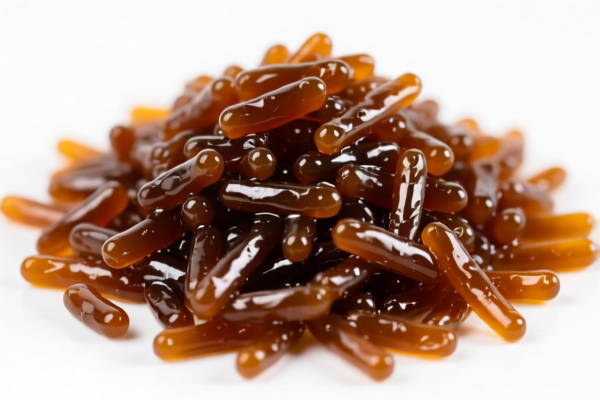
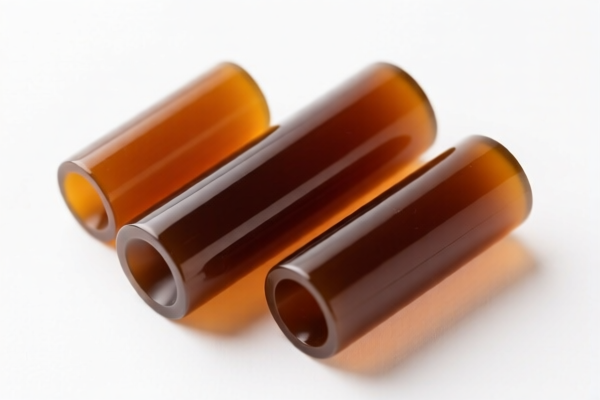
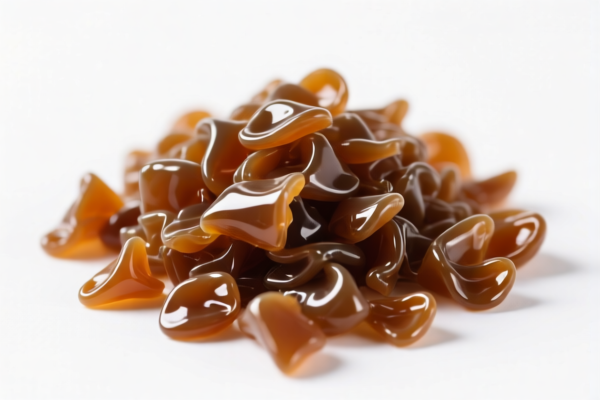
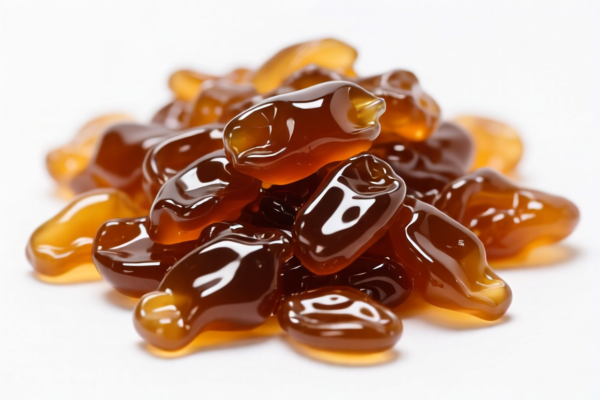
AI分析
🐜 Aromatic Insecticide Preparation (芳香型杀虫剂制剂)
🌐 HS Code Reference & Customs Clearance Guide | 2026 Latest Tariff Analysis | Professional Clearance Strategy
📌 I. Product Definition & Classification: What Exactly Is "Aromatic Insecticide"?
Aromatic insecticides are chemical preparations designed to repel or kill insects, characterized by the presence of aromatic compounds (such as pyrethroids, essential oils, or synthetic aromatics) that provide scent masking or additional biological efficacy. In international trade, these products are primarily classified under Chapter 38 (Miscellaneous Chemical Products) due to their pesticidal nature, or occasionally under Chapter 33 (Essential Oils and Perfumery) if they are marketed primarily as room fragrances with incidental insect-repelling properties.
Key Distinction: * Pesticidal Product (Insecticide): The primary function is pest control. Even if it smells good, it is regulated as a pesticide. → HS Code: 3808 Series * Fragrance/Deodorizer Product: The primary function is room scenting or deodorizing, with insect repellent as a minor or secondary claim. → HS Code: 3307 Series
⚠️ Critical Classification Point:
- If the product is registered as a pesticide or explicitly claims "insecticidal," "kill bugs," or "repel mosquitoes" → It MUST be classified under 3808.
- If the product is sold as a "room spray" or "air freshener" with no explicit pesticidal registration or claims, it may fall under 3307.
- Powder Form: Specific subheadings exist for powder formulations (e.g., 3808.61).
- Liquid/Spray Form: Classified under other subheadings (e.g., 3808.91 or 3808.59).
📦 II. HS Code Classification Details (2026 Latest Tariff Alignment)
Based on the provided data, here are the specific HS Codes and their corresponding tax structures for Aromatic Insecticides imported from China to the USA.
| HS Code | Product Description | Application Scenario | Tax Rate Structure |
|---|---|---|---|
3808.61.10.00 |
Aromatic Insecticide Powder | Powders containing aromatic components, used for insect control | 41.5% |
3808.59.10.00 |
Aromatic Insecticide (Other) | Powders or other forms, non-fumigation, aromatic | 16.5% |
3307.49.00.00 |
Household Aromatic Insecticide (Fragrance Focus) | Room fragrance or deodorizing preparations with incidental scent | 41.0% |
3808.91.25.01 |
Household Aromatic Insecticide (Liquid/Spray) | Containing aromatic components, used for insect control | 41.5% |
3808.91.15.00 |
Household Aromatic Insecticide (Alternative Form) | Containing aromatic components, used for insect control | 35.0% |
🔍 Key Observation:
- Powders vs. Liquids: The powder form (3808.61.10.00) carries a higher total tax (41.5%) compared to some liquid/spray alternatives (3808.91.15.00at 35.0%).
- Fragrance vs. Pesticide: The "Fragrance" classification (3307.49.00.00) has a slightly lower base tax (6.0% vs 6.5%) but still incurs the same surcharges, resulting in 41.0%.
- Tariff Breakdown: All 3808 codes (Pesticides) have a 6.5% Base Tariff, while 3307 has a 6.0% Base Tariff.
💰 III. 2026 Latest Tariff Rate Breakdown (Detailed Policy Explanation)
✅ Applicable Country: United States (US)
✅ Country of Origin: China (CN)
✅ Effective Date: Post-2025 (Based on current trade policies)
🎯 1. 3808.61.10.00 & 3808.91.25.01 — Standard Aromatic Insecticides
| Item | Content |
|---|---|
| Base Tariff | 6.5% |
| Section 301 Surcharge | +25.0% |
| Section 122 Surcharge | +10.0% |
| Total Effective Tax Rate | 41.5% |
| Calculation Method | CIF Value × 41.5% |
| De Minimis Exemption | ❌ NOT Eligible (High tax rate disqualifies from 80/81 provisions) |
| Legal Basis Path | Section 301: 8525.90 → Section 122: IEEPA → USITC: 3808.61/91 |
📌 Explanation:
- Section 301 (25%): Applied due to trade tensions and the "List 4A" classification for many chemical preparations from China.
- Section 122 (10%): Applied under the International Emergency Economic Powers Act (IEEPA) for specific national security or economic reasons.
- Combined Burden: These are high-cost imports. Profit margins must account for nearly half the product value in duties.
🎯 2. 3808.59.10.00 — Alternative Aromatic Insecticide Powder
| Item | Content |
|---|---|
| Base Tariff | 6.5% |
| Section 301 Surcharge | 0.0% (Exempted) |
| Section 122 Surcharge | +10.0% |
| Total Effective Tax Rate | 16.5% |
| Calculation Method | CIF Value × 16.5% |
| De Minimis Exemption | ❌ NOT Eligible |
| Legal Basis Path | Section 122: IEEPA → USITC: 3808.59 |
📌 Strategic Insight:
- This code is significantly cheaper (16.5% vs 41.5%).
- It likely falls under a different exclusion list or is not included in the primary Section 301 scope for this specific subheading.
- Verify Eligibility: Ensure the product description strictly matches "Powder" and does not trigger pesticide-specific Section 301 lists.
🎯 3. 3307.49.00.00 — Fragrance-Based Insect Repellent
| Item | Content |
|---|---|
| Base Tariff | 6.0% |
| Section 301 Surcharge | +25.0% |
| Section 122 Surcharge | +10.0% |
| Total Effective Tax Rate | 41.0% |
| Calculation Method | CIF Value × 41.0% |
| De Minimis Exemption | ❌ NOT Eligible |
| Legal Basis Path | Section 301: 3307.49 → Section 122: IEEPA |
📌 Caution:
- Even though it is classified as a "Fragrance," the presence of insecticidal properties often triggers stricter scrutiny.
- The tax is nearly identical to the pesticide codes. Misclassifying a pesticide as a fragrance to save costs is a major customs violation.
🎯 4. 3808.91.15.00 — Household Aromatic Insecticide (Specific Form)
| Item | Content |
|---|---|
| Base Tariff | 0.0% |
| Section 301 Surcharge | +25.0% |
| Section 122 Surcharge | +10.0% |
| Total Effective Tax Rate | 35.0% |
| Calculation Method | CIF Value × 35.0% |
| De Minimis Exemption | ❌ NOT Eligible |
| Legal Basis Path | Section 301: 3808.91 → Section 122: IEEPA |
📌 Opportunity:
- Zero base tariff reduces the overall burden.
- Suitable for specific liquid/spray formulations that do not fall under the higher-tariff powder or standard pesticide categories.
🛠️ IV. Customs Clearance Practical Advice (Avoiding Pitfalls)
✅ 1. Required Documentation Checklist
| Document | Mandatory? | Description |
|---|---|---|
| ✅ Product Specification Sheet | ✔️ | Must detail ingredients, active insecticidal agents, and aromatic components. |
| ✅ EPA Registration Proof (If Applicable) | ✔️ | For 3808 codes, the US EPA requires registration. Lack of registration can lead to seizure. |
| ✅ Safety Data Sheet (SDS) | ✔️ | Required for hazardous chemical classification. |
| ✅ Commercial Invoice | ✔️ | Clearly state "Aromatic Insecticide" and not just "Air Freshener" if it is 3808. |
| ✅ Packing List | ✔️ | Detail net/gross weight, quantity, and packaging type (powder vs. liquid). |
| ✅ Origin Certificate | ✔️ | To confirm China origin for Section 301/122 application. |
✅ 2. Declaration Strategy (Key Mantra)
🔥 "Function Defines Code, Fragrance Doesn't Lie!"
| Scenario | Correct Declaration | Incorrect Declaration | Consequence |
|---|---|---|---|
| Mosquito Powder with Scent | 3808.61.10.00 |
3307.49.00.00 (Fragrance) |
High Risk: Customs may reclassify, impose penalties, or seize goods. |
| Room Spray "Repels Bugs" | 3808.91.25.01 |
3307.49.00.00 |
High Risk: Same as above. The pesticidal claim dictates 3808. |
| Plain Air Freshener (No Bug Claims) | 3307.49.00.00 |
3808.91.25.01 |
Low Risk (if truly no pesticidal function), but verify EPA status. |
| Powder vs. Liquid | 3808.61 (Powder) |
3808.91 (Liquid) |
Audit Trigger: Wrong physical form leads to delays. |
✅ 3. Special Considerations
| Situation | Handling Advice |
|---|---|
| EPA Compliance | For 3808 codes, ensure the product has an EPA Registration Number. Without it, the shipment will be detained. |
| Section 122 Impact | The 10% S122 tariff is significant. Factor this into pricing models. It applies to almost all chemical imports from China. |
| De Minimis (Section 321) | With tax rates exceeding 30-40%, these products cannot use the $800 de minimis exemption efficiently. Large shipments are more cost-effective than individual packages. |
| Misclassification Risk | Do not try to classify insecticides as 3307 (Fragrance) to avoid the 25% S301 tariff. Customs uses ingredient analysis and labeling claims to catch this. |
🌍 V. Global Market Comparison (2026 Latest)
| Market | Recommended HS Code | Tariff Rate | Certification Requirement | Notes |
|---|---|---|---|---|
| 🇺🇸 USA | 3808.61.10.00 or 3808.91.25.01 |
41.5% | EPA Registration + SDS | High barrier due to S301 + S122. |
| 🇪🇺 EU | 3808.94 (General Pesticide) |
Varies | EU BPR Registration | Different classification system; stricter biocide laws. |
| 🇨🇳 China | 3808.94 |
6.5% | Pesticide Registration License | Lower base tariffs, but domestic registration is complex. |
| 🇬🇧 UK | 3808.94 |
Varies | UK BPR Registration | Post-Brexit rules align closely with EU but require separate licensing. |
📌 Conclusion:
- The US market is the most expensive for aromatic insecticides due to the combination of Section 301 (25%) and Section 122 (10%) tariffs.
- Compliance Cost is High: EPA registration and SDS preparation are non-negotiable.
📌 VI. Common Mistakes & Pitfalls (Lessons Learned)
❌ Mistake 1: Calling "Insecticide" an "Air Freshener" to avoid Section 301
👉 Consequence: Customs inspection reveals active insecticidal ingredients → Seizure + Penalty.
❌ Mistake 2: Using 3808.91 (Liquid) for Powder Products
👉 Consequence: 41.5% vs 41.5% (Same Rate) but leads to 10-15 day delay for reclassification and potential fines.
❌ Mistake 3: Ignoring Section 122 (10%) in Profit Calculations
👉 Consequence: Margins are eroded by the unexpected 10% surcharge. Always include S122 in quotes.
❌ Mistake 4: Assuming De Minimis Applies
👉 Consequence: Packages over $800 are subject to full taxation. Even small packages may be scrutinized for chemical compliance.
✅ Correct Approach:
"EPA-Registered Aromatic Insecticide Powder, Model XYZ, Net Weight 500g, Contains Pyrethroid and Essential Oils, HS Code: 3808.61.10.00"
🎯 VII. Conclusion: Professional Clearance, Cost Control, Efficiency!
🎯 Remember the Mantra:
🔹 "Pesticide is Pesticide, Fragrance is Fragrance. Don't Mix Codes!"
🔹 "301 is 25%, 122 is 10%. Total Burden is 41.5% or Less!"
🔹 "Check EPA First, Declare Second, Save Third!"
📌 Pro Tip:
If your product is manufactured in Vietnam, Thailand, or Malaysia, you may be eligible for Section 301 Exclusions or lower tariffs.
✅ Recommendation: Apply for Pre-Ruling (CBP Ruling) before shipping large volumes to lock in the correct HS Code and tax rate.
📣 Immediate Action Required:
📞 Consult a Customs Broker + Verify EPA Status + Apply for CBP Ruling
🚀 Ensure Your Aromatic Insecticides Clear Customs Smoothly, Avoid Penalties, and Maximize Profit Margins!
✨ Professional Clearance Starts with Precise Classification!
💼 Every Dollar of Duty Saved is Pure Profit!
用户评价
关于 HS 编码归类
协调制度(HS)是由世界海关组织(WCO)制定的国际贸易商品分类标准。全球 200 多个国家采用 HS 系统作为海关关税、贸易统计和进出口监管的基础。
每个 HS 编码遵循以下层级结构:
- 章(2 位)——商品大类(例如:第 84 章:机器和机械设备)
- 品目(4 位)——章内的更具体分类
- 子目(6 位)——国际通用细分,所有 WCO 成员国统一使用
- 本国细分(8-10 位)——各国自行扩展的细分编码,如美国 HTSUS 10 位编码
正确的 HS 编码归类对于顺利通关、准确缴纳关税和遵守贸易法规至关重要。错误归类可能导致海关延误、多缴关税或罚款。
从CN进口到US时,适用的关税税率可能包括:
- 最惠国(MFN)税率——适用于 WTO 成员国的标准关税税率
- 普通税率——适用于无贸易协定国家
- 贸易救济关税——附加关税,如 301 条款(反倾销)、232 条款(国家安全)或反补贴税
本页内容仅供参考。如需正式归类,请咨询当地海关或持牌报关代理。