Aromatic Insecticide Spray
CN → US| HS编码 | 关税税率 | 原产国 | 目的国 | 文档 |
|---|---|---|---|---|
| 3808912501 | 41.5% | CN | US | 官方文档 |
| 2933696021 | 21.0% | CN | US | 官方文档 |
| 3801105090 | 35.0% | CN | US | 官方文档 |
| 3808915001 | 40.0% | CN | US | 官方文档 |
| 2933991701 | 16.5% | CN | US | 官方文档 |
商品图片
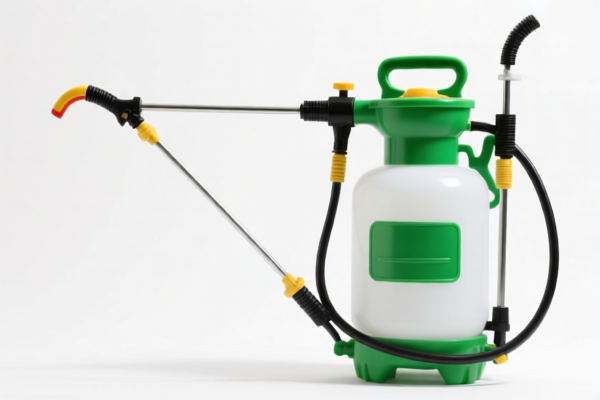
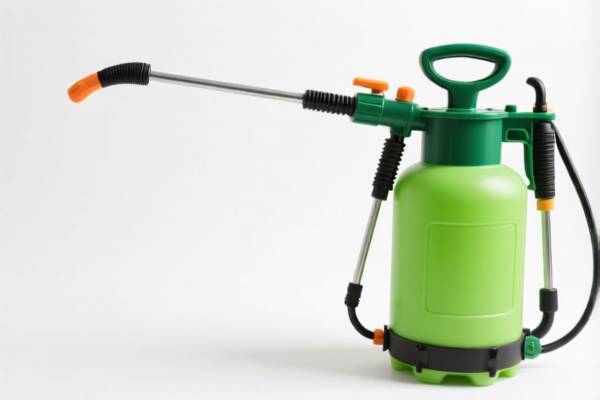
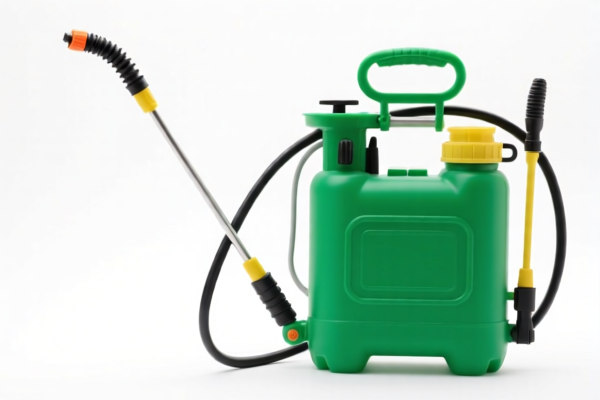
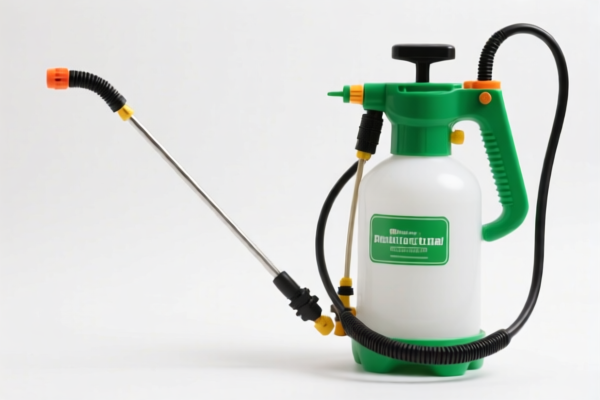
AI分析
🌿 Aromatic Insecticide Spray (家用除虫喷雾剂)
🌐 HS Code Reference & Customs Clearance Guide | 2026 Latest Tariff Analysis | Professional Strategy
📌 Part I: Product Definition & Classification: What Exactly is an "Aromatic Insecticide Spray"?
"Aromatic Insecticide Spray" typically refers to household pest control products where the active ingredients (often synthetic pyrethroids or other organic compounds) are formulated with essential oils (such as mint, citronella, eucalyptus, or lavender) to provide a pleasant scent while killing or repelling insects.
In international trade and customs classification, the primary identity of the product dictates the HS Code. The key debate is usually between: 1. Chemical Preparations (Chapter 38): If the product is defined by its function as an insecticide formulation. 2. Specific Organic Compounds (Chapter 29): If the customs authority determines the classification should be based on the specific chemical structure of the active ingredient alone, rather than the final formulation.
⚠️ Critical Distinction Point:
- If the product is a formulated mixture (liquid spray with solvents, propellants, and fragrances) primarily for pest control → It generally falls under Chapter 38 (Miscellaneous Chemical Products), specifically heading 3808 (Insecticides...).
- If declared as the pure active chemical ingredient (rare for retail "sprays" but possible for bulk industrial inputs) → It falls under Chapter 29 (Organic Chemicals).
- Note: The term "Aromatic" here refers to the scent/flavoring added to the spray, NOT that the chemical structure itself is an "aromatic compound" for tariff purposes (though many insecticides like pyrethroids contain aromatic rings, they are classified as insecticides first).
📦 Part II: HS Code Classification Details (Based on Provided Data)
The following HS Codes are derived strictly from the provided data <DATA>. They represent different interpretative approaches by customs authorities regarding the nature of the product (Formulation vs. Active Ingredient).
| HS Code | Product Description & Logic for Classification | Tax Rate (Total) | Tax Breakdown |
|---|---|---|---|
| 3808.91.25.01 | Formulated Insecticide Spray. Classified as a household insecticide spray. Contains insecticidal ingredients. Form: Spray. | 41.5% | Base: 6.5% Add-on: 25.0% Section 301/122 Clause: 10% |
| 2933.69.60.21 | Active Ingredient Classification. Classified as a pesticide-type insecticide. Focuses on the chemical nature (heteroatoms only nitrogen organic compounds) rather than the final spray formulation. | 21.0% | Base: 3.5% Add-on: 7.5% Section 301/122 Clause: 10% |
| 3801.10.50.90 | Chemical Preparation. Classified as a chemical preparation containing insecticidal ingredients. Broad category for chemical mixtures. | 35.0% | Base: 0.0% Add-on: 25.0% Section 301/122 Clause: 10% |
| 3808.91.50.01 | Formulated Insecticide (General). Classified as a household insecticide spray in制剂 (preparation/formulation) form. | 40.0% | Base: 5.0% Add-on: 25.0% Section 301/122 Clause: 10% |
| 2933.99.17.01 | Specific Organic Compound. Classified based on the active ingredient being an organic compound with heteroatoms only of nitrogen. | 16.5% | Base: 6.5% Add-on: 0.0% Section 301/122 Clause: 10% |
🔍 Key Insight:
- HS 3808.91.25.01 and 3808.91.50.01 are the most common for retail household sprays because they capture the "insecticide preparation" aspect. - HS 2933... codes apply if customs officials argue that the classification should follow the active chemical ingredient (e.g., a specific nitrogen-containing pyrethroid or analog) rather than the final commercial product. This often results in lower total tax (16.5% or 21.0%) but requires strict proof of the chemical composition. - Section 301/122 Clause (10%) appears to be a specific additional tariff layer mentioned in the data (likely referring to specific US trade actions or local regulatory fees).
💰 Part III: Tariff Rate Detailed Explanation (2026 Context)
✅ Applicable Country: United States (US)
✅ Origin: China (CN)
✅ Note: The "122 Clause" mentioned in the data likely refers to specific tariff line adjustments or enforcement directives (e.g., related to Section 301 enforcement or specific HTSUS notes).
🎯 1. 3808.91.25.01 – Household Insecticide Spray (Formulated)
| Item | Content |
|---|---|
| Base Duty | 6.5% |
| Section 301 Additional Duty | +25.0% |
| 122 Clause Duty | +10.0% |
| Total Effective Rate | 41.5% |
| Calculation | CIF Value × 41.5% |
| De Minimis Exemption | ❌ Not Eligible (Typically, chemical pesticides >$800 may face scrutiny, but structural rates usually apply to commercial shipments). |
| Legal Basis | HTSUS 3808.91.25 → USITC Section 301 Footnotes → 122 Clause Enforcement |
📌 Explanation:
- This is the standard classification for ready-to-use household insecticide sprays. - The high base (6.5%) + 25% Section 301 tariff makes this a high-cost classification. - The 10% "122 Clause" adds further cost, specific to certain chemical imports.
🎯 2. 2933.69.60.21 – Pesticide Chemical (Active Ingredient Focus)
| Item | Content |
|---|---|
| Base Duty | 3.5% |
| Section 301 Additional Duty | +7.5% |
| 122 Clause Duty | +10.0% |
| Total Effective Rate | 21.0% |
| Calculation | CIF Value × 21.0% |
| De Minimis Exemption | ❌ Not Eligible |
| Legal Basis | HTSUS 2933.69.60 → Organic Chemicals Classification |
📌 Explanation:
- This classification assumes the product is primarily a chemical product rather than a formulated consumer good. - Significantly lower tax (21.0% vs 41.5%). - Risk: Customs may reclassify if the product is clearly a finished consumer spray with propellants and fragrances. Must prove the "chemical identity" is dominant.
🎯 3. 2933.99.17.01 – Nitrogen Heteroatom Organic Compound (Lowest Tax)
| Item | Content |
|---|---|
| Base Duty | 6.5% |
| Section 301 Additional Duty | 0.0% |
| 122 Clause Duty | +10.0% |
| Total Effective Rate | 16.5% |
| Calculation | CIF Value × 16.5% |
| De Minimis Exemption | ❌ Not Eligible |
| Legal Basis | HTSUS 2933.99.17 → Specific Organic Compounds |
📌 Explanation:
- Lowest tax rate in the list (16.5%). - Applicable if the active ingredient is a specific nitrogen-based organic compound not elsewhere specified. - High Scrutiny Risk: Customs will closely examine the Chemical Abstracts Service (CAS) number and MSDS to ensure the product matches this specific chemical profile.
🛠️ Part IV: Customs Clearance Practical Advice
✅ 1. Documentation Checklist (Mandatory)
| Document | Required | Notes |
|---|---|---|
| Product Specification Sheet | ✔️ | Must list all active ingredients, percentages, and solvents. |
| MSDS/SDS (Safety Data Sheet) | ✔️ | Critical for classifying chemical nature. Must show CAS numbers. |
| Commercial Invoice | ✔️ | Clearly state: "Household Insecticide Spray" and list HS Code. |
| Label Images | ✔️ | Show front label with EPA registration number (if US market). |
| EPA Registration Certificate | ✔️ | Mandatory for US. Proof that the product is approved by the Environmental Protection Agency. |
| Composition Declaration | ✔️ | Detail the "aromatic" components (essential oils vs. synthetic fragrances). |
✅ 2. Classification Strategy & Tips
🔥 Key Principle: "Formulation vs. Active Ingredient"
| Scenario | Recommended HS Code | Reasoning |
|---|---|---|
| Retail Ready Spray (with propellant, nozzle, scent) | 3808.91.25.01 or 3808.91.50.01 | Best reflects the final consumer product. High tax but low dispute risk. |
| Bulk Active Ingredient (for mixing) | 2933.69.60.21 or 2933.99.17.01 | Lower tax. Requires proof that it's not a finished spray. |
| Product with High Essential Oil Content | 3808.91.25.01 | The "aromatic" nature does not change it from an insecticide. Do not try to classify as "perfume" (Chapter 33). |
📌 Warning:
- Do NOT classify as 3307 (Perfumes/Aftershaves) just because it is "aromatic." If it kills bugs, Chapter 38 or 29 takes precedence. - EPA Number is Key: For US imports, an EPA registration number is mandatory. Without it, the shipment may be seized.
✅ 3. Special Considerations
| Issue | Solution |
|---|---|
| "Aromatic" Confusion | Clearly state in the declaration: "Insecticide Spray with Mint/Citronella Fragrance." Do not imply it is a cosmetic or perfume. |
| Tax Optimization | If the active ingredient is a specific nitrogen compound, consult a customs broker to see if 2933.99.17.01 (16.5%) is defensible with your SDS. If not, stick to 3808 to avoid penalties. |
| Section 301/122 Clause | Ensure the "122 Clause" applies to your specific origin and product. If misapplied, you may face audits. |
🌍 Part V: Global Market Comparison (2026)
| Market | Recommended HS Code | Key Requirement | Note |
|---|---|---|---|
| 🇺🇸 USA | 3808.91.25.01 (Formulated) | EPA Registration | High tariffs (41.5%). Strict on chemical composition. |
| 🇨🇳 China | 3808.91.25.01 | Pesticide License | Lower base tax, no Section 301. |
| 🇪🇺 EU | 3808.91.25.01 | EU Biocidal Products Regulation (BPR) | No Section 301. BPR compliance is critical. |
| 🇬🇧 UK | 3808.91.25.01 | BPR (GB) | Post-Brexit rules apply. |
📌 Conclusion:
- USA has the highest tax burden due to Section 301 and additional clauses. - EPA Registration is the single most important document for US clearance. - "Aromatic" is a marketing term, not a customs classification term. Classify based on function (insecticide).
📌 Part VI: Common Mistakes & Pitfalls
❌ Mistake 1: Classifying as Perfume (3307) because of the scent.
👉 Consequence: Rejection by customs. Insecticides override perfumes in classification.
❌ Mistake 2: Using 2933 codes for a finished retail spray without strong chemical proof.
👉 Consequence: Customs reclassification to 3808, leading to back taxes + penalties (41.5% vs 21%).
❌ Mistake 3: Missing EPA Registration Number on the label.
👉 Consequence: Shipment held at border. Product deemed "unregistered pesticide."
❌ Mistake 4: Ignoring the 122 Clause tariff.
👉 Consequence: Underpayment of duties. Audit and interest charges.
✅ Correct Declaration Example:
"Household Insecticide Spray, EPA Reg. No. 12345-67, Active Ingredient: Transfluthrin 0.5%, with Citronella Fragrance. Net Weight: 300ml. HS Code: 3808.91.25.01"
🎯 Part VII: Conclusion & Action Plan
🎯 Remember:
🔹 "Function over Form": If it kills bugs, it’s an insecticide (Ch. 38/29), not a perfume.
🔹 "Check the CAS Number": For lower tax rates (2933), the chemical identity must be precise.
🔹 "EPA is Non-Negotiable": No EPA number = No entry to the US.
📌 Pro Tip:
If you are importing bulk active ingredients (not retail sprays), explore 2933.99.17.01 (16.5%). For finished retail sprays, expect 3808.91.25.01 (41.5%) but ensure flawless EPA compliance.
📣 Immediate Action:
📞 Engage a Licensed Customs Broker to review your SDS and EPA certificate.
🚀 Verify the "122 Clause" applicability for your specific supplier and origin.
💼 Accurate HS Code = Lower Risk = Faster Clearance.
✨ Precision in Classification Saves Thousands in Duties!
🌿 Safe, Effective, and Compliant Insecticide Export.
用户评价
关于 HS 编码归类
协调制度(HS)是由世界海关组织(WCO)制定的国际贸易商品分类标准。全球 200 多个国家采用 HS 系统作为海关关税、贸易统计和进出口监管的基础。
每个 HS 编码遵循以下层级结构:
- 章(2 位)——商品大类(例如:第 84 章:机器和机械设备)
- 品目(4 位)——章内的更具体分类
- 子目(6 位)——国际通用细分,所有 WCO 成员国统一使用
- 本国细分(8-10 位)——各国自行扩展的细分编码,如美国 HTSUS 10 位编码
正确的 HS 编码归类对于顺利通关、准确缴纳关税和遵守贸易法规至关重要。错误归类可能导致海关延误、多缴关税或罚款。
从CN进口到US时,适用的关税税率可能包括:
- 最惠国(MFN)税率——适用于 WTO 成员国的标准关税税率
- 普通税率——适用于无贸易协定国家
- 贸易救济关税——附加关税,如 301 条款(反倾销)、232 条款(国家安全)或反补贴税
本页内容仅供参考。如需正式归类,请咨询当地海关或持牌报关代理。