Aromatic Insecticide Wet Powder
CN → US| HS编码 | 关税税率 | 原产国 | 目的国 | 文档 |
|---|---|---|---|---|
| 3808915001 | 40.0% | CN | US | 官方文档 |
| 3808990800 | 41.5% | CN | US | 官方文档 |
| 3808611000 | 41.5% | CN | US | 官方文档 |
| 3808591000 | 16.5% | CN | US | 官方文档 |
商品图片
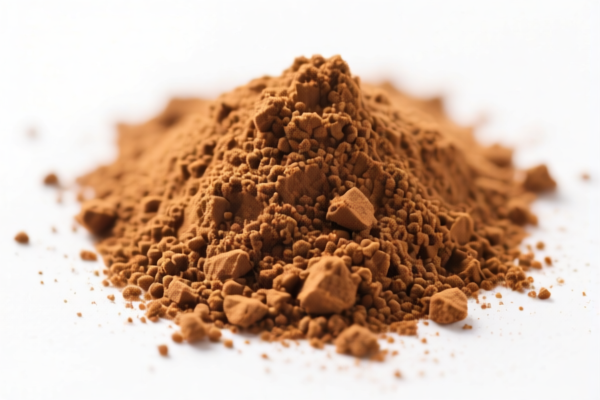
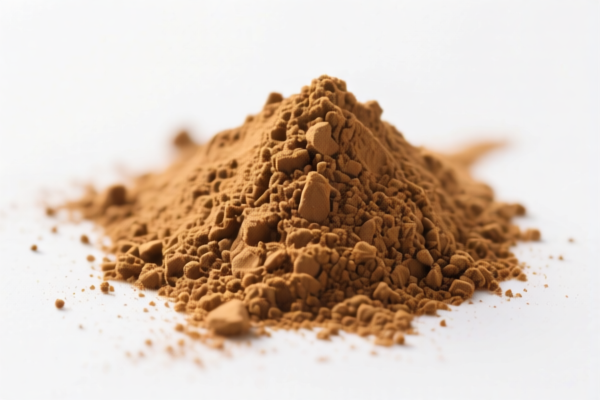
AI分析
🐛 Aromatic Insecticide Wet Powder (Aromatic Insecticidal Wettable Powder)
🌐 HS Code Reference & Customs Clearance Guide | 2026 Latest Tariff Analysis | Professional Entry Strategies
📌 1. Product Definition & Classification: Do You Truly Understand "Aromatic Insecticide Wet Powder"?
Aromatic Insecticide Wet Powder is a specialized agrochemical formulation designed for pest control. It consists of active ingredients derived from aromatic compounds (such as benzene derivatives, pyrethroids, or neonicotinoids) mixed with inert carriers, dispersants, and wetting agents. Its key physical characteristic is the "Wettable Powder" (WP) form— a dry, free-flowing powder that, when mixed with water, forms a stable suspension for spraying.
In international trade, the classification hinges on two critical factors: 1. Chemical Nature: Whether it is explicitly classified as an "aromatic" insecticide. 2. Physical Form: Whether it is a "wettable powder" or other dry formulations.
⚠️ Key Classification Distinction:
- If the product is an insecticide with aromatic chemical structures and is in wettable powder form → It falls under Chapter 38, specifically headings related to other insecticides or preparations.
- The specific HS Code varies based on the precise chemical sub-category and tariff notes (e.g., whether it fits under "other insecticides" vs. specific aromatic compound lists).
- Crucial Note: Due to US-China trade tensions, most pesticides of Chinese origin face significant Section 301 (122 Clause) additional tariffs, drastically affecting the total tax rate.
📦 2. HS Code Classification Details (2026 Latest Tariff Authority Comparison)
Based on the provided data, here are the applicable HS Codes for Aromatic Insecticide Wet Powder:
| HS Code | Product Description | Key Characteristics | Total Tax Rate (China to US) |
|---|---|---|---|
3808.91.50.01 |
Aromatic Insecticide Wettable Powder | Active ingredient is aromatic compound; Form is Wettable Powder; Classified under "Other Insecticides" | 40.0% |
3808.99.08.00 |
Aromatic Insecticide Wettable Powder | Contains aromatic pesticides; Powder form fits "Other" category requirements | 41.5% |
3808.61.10.00 |
Aromatic Type Insecticidal Powder | Aromatic material characteristic; Insecticidal use; Powder form fits formulation attributes | 41.5% |
3808.59.10.00 |
Aromatic Type Insecticidal Powder | Aromatic material characteristic; Insecticidal use; Powder form as preparation | 16.5% |
3808.91.50.01 |
Aromatic Insecticide Wettable Powder | Matches insecticide use & wettable powder form; No material conflict | 40.0% |
🔍 Important Reminder:
- The distinction between 40.0%, 41.5%, and 16.5% depends on the precise regulatory interpretation of the "aromatic" classification and the specific sub-heading under Chapter 38.
-3808.59.10.00offers a significantly lower rate (16.5%) but requires strict adherence to its specific definition.
- All rates include Section 301 (122 Clause) additional tariffs, reflecting current US trade policy against Chinese goods.
💰 3. 2026 Latest Tariff Rate Breakdown (Including Surcharge & Policy Additions)
✅ Applicable Country: United States (US)
✅ Country of Origin: China (CN)
✅ Effective Time: Current (Including imports post-2025)
🎯 1. 3808.91.50.01 & 3808.91.50.01 (Duplicate Entry in Data) —— Aromatic Insecticide Wettable Powder
| Item | Content |
|---|---|
| Base Tariff Rate | 5.0% |
| Additional Tariff (Section 301) | +25.0% |
| 122 Clause Tariff | +10.0% |
| Total Tariff Rate | 40.0% |
| Tax Calculation | CIF Value × 40% |
| De Minimis Exemption | ❌ Not Applicable (Pesticides generally excluded from de minimis relief under strict customs scrutiny) |
| Legal Basis Path | USITC:3808.91.50.01 → Section 301: 25% → 122 Clause: 10% |
📌 Explanation:
- The Base Tariff (5%) is the standard Most Favored Nation (MFN) rate for "Other insecticides."
- The 25% Section 301 Tariff applies to a wide range of Chinese industrial and agricultural products.
- The 10% 122 Clause Tariff is an additional surcharge targeting specific sectors, including chemicals.
- Total 40% is a high-cost barrier. Misclassification to avoid this is risky and can lead to severe penalties.
🎯 2. 3808.99.08.00 & 3808.61.10.00 —— Aromatic Insecticide/Powder (Other/Specific Sub-categories)
| Item | Content |
|---|---|
| Base Tariff Rate | 6.5% |
| Additional Tariff (Section 301) | +25.0% |
| 122 Clause Tariff | +10.0% |
| Total Tariff Rate | 41.5% |
| Tax Calculation | CIF Value × 41.5% |
| De Minimis Exemption | ❌ Not Applicable |
| Legal Basis Path | USITC:3808.99.08.00 / 3808.61.10.00 → Section 301: 25% → 122 Clause: 10% |
📌 Note:
- These codes fall under "Other" or specific aromatic insecticide sub-headings.
- The base rate is slightly higher (6.5% vs. 5%), leading to a 41.5% total rate.
- This is the highest cost scenario among the primary options. Exporters must verify if their product truly fits the "Other" category or if a more favorable code exists.
🎯 3. 3808.59.10.00 —— Aromatic Type Insecticidal Powder
| Item | Content |
|---|---|
| Base Tariff Rate | 6.5% |
| Additional Tariff (Section 301) | 0.0% |
| 122 Clause Tariff | +10.0% |
| Total Tariff Rate | 16.5% |
| Tax Calculation | CIF Value × 16.5% |
| De Minimis Exemption | ❌ Not Applicable |
| Legal Basis Path | USITC:3808.59.10.00 → 122 Clause: 10% |
📌 Critical Advantage:
- This code benefits from a 0% Section 301 Surcharge.
- This could be due to specific exclusions or a different classification within Chapter 38 that avoids the broader Section 301 list.
- Total 16.5% is significantly lower than the 40-41.5% rates.
- However, strict criteria apply: The product must precisely match the "Aromatic Type Insecticidal Powder" definition under3808.59.10.00. Misclassification here can result in back taxes, fines, and customs holds.
🛠️ 4. Customs Clearance Practical Advice (Real-World Pitfall Avoidance Guide)
✅ 1. Preparation Checklist (All Required)
| Document | Required | Description |
|---|---|---|
| ✅ Product Specification Sheet | ✔️ | Must detail active ingredients (specific aromatic compounds), concentration, and physical form (Wettable Powder). |
| ✅ Safety Data Sheet (SDS) | ✔️ | Essential for hazardous material handling; confirms chemical composition. |
| ✅ Certificate of Analysis (COA) | ✔️ | Proof of purity and composition, matching the declared HS Code characteristics. |
| ✅ Third-Party Test Report | ✔️ | EPA registration number (if for US market) or equivalent regulatory approval. |
| ✅ Commercial Invoice | ✔️ | Clearly state "Aromatic Insecticide Wettable Powder" and correct HS Code. |
| ✅ Packing List | ✔️ | Detail net/gross weight, carton dimensions, and packaging type. |
✅ 2. Declaration Tips (Key Mnemonics)
🔥 “Accuracy is Key: Aromatic? Wettable? Check the Clause!”
| Scenario | Correct Declaration Approach | Wrong Action |
|---|---|---|
Product fits 3808.91.50.01 |
Declare as "Aromatic Insecticide Wettable Powder" under 3808.91.50.01 |
Under-declaring to 3808.59.10.00 to save tax → Risk of Audit & Penalties |
Product fits 3808.59.10.00 |
Declare as "Aromatic Type Insecticidal Powder" under 3808.59.10.00 |
Over-declaring to 3808.99.08.00 → Unnecessary 25% Surcharge |
| Chemical Composition Unclear | Provide detailed Chemical Abstracts Service (CAS) numbers | Vague description like "Pesticide Powder" → Customs Detention |
| Section 301 Exemption Applicable? | Verify if specific exclusions apply (rare for pesticides) | Assuming exemption without documentation → Back Taxes + Interest |
✅ 3. Special Case Handling
| Situation | Recommendation |
|---|---|
| New Aromatic Compound | If the aromatic compound is novel, consult with a customs broker or file a Prior Ruling with US CBP to confirm the correct HS Code. |
| Blend of Aromatic & Non-Aromatic | If the product contains both, it may be classified under the more specific aromatic sub-heading or "Other," depending on the dominant ingredient. Provide detailed formulation. |
| EPA Registration Required | Ensure the product has a valid EPA registration number for import into the US. FDA/EPA compliance is separate from HS classification but critical for clearance. |
| Hazardous Material | Wettable powders may be classified as hazardous. Ensure proper IMDG/ IATA labeling if shipped by sea/air. |
🌍 5. Global Market Comparison for Pesticide Imports (2026 Latest)
| Country/Region | Recommended HS Code | Est. Tariff (China Origin) | Certification Requirements | Notes |
|---|---|---|---|---|
| 🇺🇸 United States | 3808.91.50.01 / 3808.59.10.00 |
16.5% - 41.5% (High) | EPA Registration, SDS | Section 301 & 122 Clause apply heavily. |
| 🇨🇳 China | 3808.91.00.00 |
0% - 5% (Export Rebate Available) | N/A (Domestic Use) | Export rebates may offset some costs. |
| 🇪🇺 European Union | 3808.94.00 |
6.5% + VAT | REACH, BPR Approval | No Section 301, but strict chemical regulations. |
| 🇦🇺 Australia | 3808.94.00 |
5% + GST | APVMA Approval | Similar to EU in regulatory strictness. |
📌 Conclusion:
- The US market is the most costly due to layered tariffs (Base + 301 + 122 Clause).
- EU and Australia have lower direct tariffs but impose stricter chemical safety regulations (REACH, APVMA), which can increase compliance costs.
- China Export Rebates may partially offset the high US tariffs for exporters, but end-users still bear the cost.
📌 6. Common Errors & Pitfall Guide (Lessons Learned)
❌ Mistake 1: Misclassifying "Wettable Powder" as "Liquid Formulation"
👉 Consequence: Wrong HS Code (e.g., 3808.93.00 for liquids) → Audit, Back Taxes, Penalties.
❌ Mistake 2: Ignoring the "Aromatic" Specification
👉 Consequence: Failing to distinguish between aromatic and non-aromatic insecticides → Wrong Surcharge Application (e.g., paying 25% when 0% might apply, or vice versa).
❌ Mistake 3: Under-declaring Value to Reduce Tax
👉 Consequence: Customs valuation dispute → Seizure, Fines, Blacklisting.
❌ Mistake 4: No EPA Registration for US Import
👉 Consequence: Import Denied, product returned or destroyed.
✅ Correct Approach:
"Aromatic Insecticide Wettable Powder, Active Ingredient: [Specific Compound, CAS No. XXXXX-XX-X], EPA Reg. No. [XXXXXX-XX-X], Form: WP, Origin: China"
🎯 7. Conclusion: Professional Declaration for Cost Optimization!
🎯 Remember These Tips:
🔹 “HS Code Determines Tariff, Classification Defines Cost.”
🔹 “Section 301 + 122 Clause = High Tax, Verify Eligibility!”
🔹 “Accurate Chemical Description Prevents Customs Delays!”
📌 Pro Tip:
- If your product fits 3808.59.10.00 (16.5% total), ensure your technical documentation strongly supports the "Aromatic Type" classification to justify the lower rate.
- If it falls under 3808.91.50.01 or 3808.99.08.00, factor in the 40-41.5% total cost into your pricing strategy.
- Consider pre-classification rulings with US CBP if the product is new or borderline.
📣 Immediate Action Required:
📞 Consult a licensed customs broker to verify the exact HS Code based on your product’s CAS numbers and formulation.
📄 Ensure EPA registration is valid for US import.
🚀 Optimize your supply chain to mitigate high tariff impacts.
✨ Professional Customs Clearance Starts with Precise Classification!
💼 Every Dollar Saved in Tariffs is Pure Profit!
用户评价
关于 HS 编码归类
协调制度(HS)是由世界海关组织(WCO)制定的国际贸易商品分类标准。全球 200 多个国家采用 HS 系统作为海关关税、贸易统计和进出口监管的基础。
每个 HS 编码遵循以下层级结构:
- 章(2 位)——商品大类(例如:第 84 章:机器和机械设备)
- 品目(4 位)——章内的更具体分类
- 子目(6 位)——国际通用细分,所有 WCO 成员国统一使用
- 本国细分(8-10 位)——各国自行扩展的细分编码,如美国 HTSUS 10 位编码
正确的 HS 编码归类对于顺利通关、准确缴纳关税和遵守贸易法规至关重要。错误归类可能导致海关延误、多缴关税或罚款。
从CN进口到US时,适用的关税税率可能包括:
- 最惠国(MFN)税率——适用于 WTO 成员国的标准关税税率
- 普通税率——适用于无贸易协定国家
- 贸易救济关税——附加关税,如 301 条款(反倾销)、232 条款(国家安全)或反补贴税
本页内容仅供参考。如需正式归类,请咨询当地海关或持牌报关代理。