Artificial Leather Tool Box
CN → US| HS编码 | 关税税率 | 原产国 | 目的国 | 文档 |
|---|---|---|---|---|
| 4202929336 | 52.6% | CN | US | 官方文档 |
| 4202929100 | 52.6% | CN | US | 官方文档 |
| 3926901000 | 20.9% | CN | US | 官方文档 |
| 3926909989 | 22.8% | CN | US | 官方文档 |
| 4202929336 | 52.6% | CN | US | 官方文档 |
商品图片
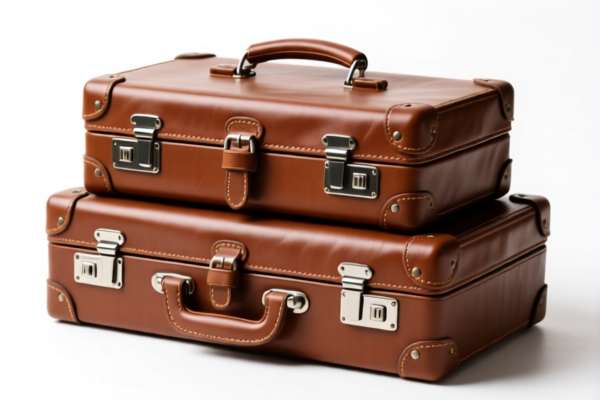
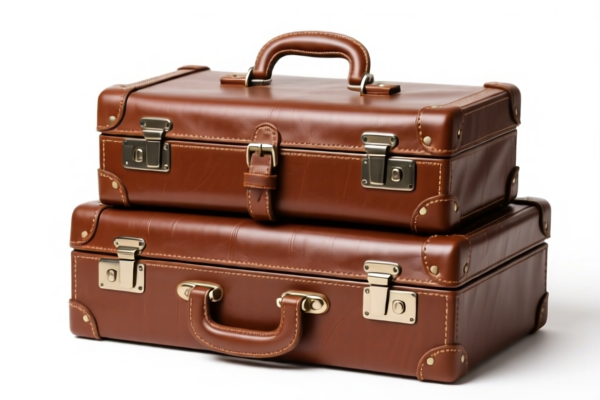
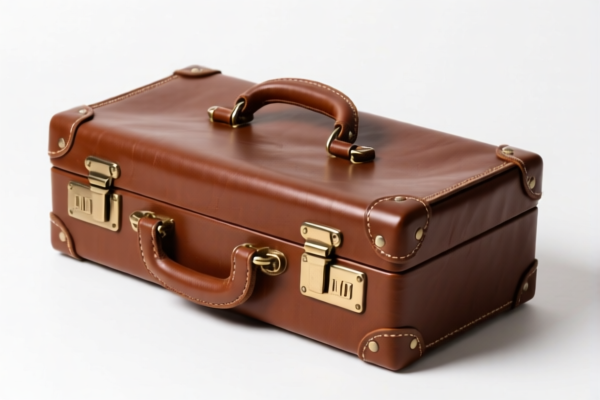
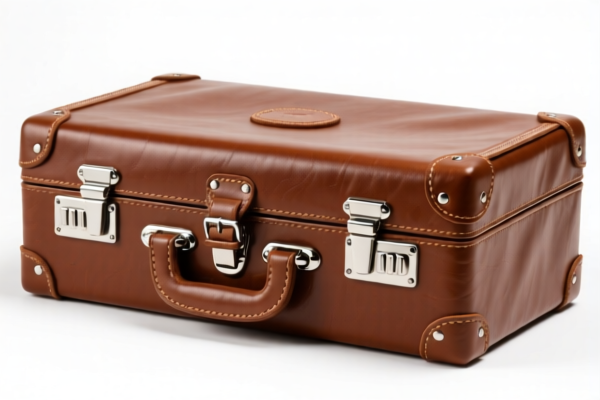
AI分析
🧰 Artificial Leather Tool Box: HS Code Classification & Tariff Deep Dive
🌐 HS Code Reference & Customs Clearance Guide | 2026 Latest Tariff Analysis | Professional Clearance Strategy
📌 1. Product Definition & Classification: What Exactly is an "Artificial Leather Tool Box"?
An Artificial Leather Tool Box is a portable container designed to store, organize, and transport tools. In international trade, its classification hinges on two critical factors: 1. Surface Material: Is the outer surface primarily composed of leather/substitutes, or is it considered a textile/plastic material? 2. Structure: Is it a rigid container, a soft case, or a molded item?
⚠️ Key Classification Logic:
- If the item is primarily viewed as a bag/case with a leather-like exterior → It falls under Chapter 42 (Articles of Leather; Saddle and Harness).
- If the item is viewed as a general plastic/chemical product container → It may fall under Chapter 39 (Articles of Plastics).
- The "Artificial Leather" Ambiguity: "Artificial Leather" can be classified as either "Substitutes for Leather" (Ch 42) or "Textile/Plastic Material" (Ch 39/42 depending on backing). This creates multiple valid HS codes with vastly different tax implications.
📦 2. HS Code Classification Details (Based on Provided Data)
The provided data identifies 4 distinct HS Codes for an Artificial Leather Tool Box, split into two main categories: Chapter 42 (Leather-like) and Chapter 39 (Plastic/General).
| HS Code | Classification Logic | Surface/Material Interpretation | Tax Rate Category |
|---|---|---|---|
4202.92.93.36 |
Leather-like Container | Outer surface made of leather or substitutes for leather. Fits the logic of bags/cases covered by leather. | High Tax (52.6%) |
4202.92.91.00 |
Textile Substitute | Considered a container where the outer surface is made of textile materials (often how artificial leather backed by fabric is interpreted). | High Tax (52.6%) |
3926.90.10.00 |
Plastic Consumer Good | Treated as a finished consumer product made of synthetic leather (polyurethane/PVC), falling under general plastic articles. | Medium Tax (20.9%) |
3926.90.99.89 |
General Plastic Article | Treated as a plastic/resin product with no specific "leather" classification. A "catch-all" for plastic articles. | Lowest Tax (22.8%) |
🔍 Critical Distinction:
- Ch 42 (Codes 4202.92.9x): Focuses on the form (bag/case/box) and surface (leather-like). These codes attract higher tariffs due to stricter trade measures.
- Ch 39 (Codes 3926.90.x): Focuses on the material (plastic/synthetic resin). These codes are often seen as more generic industrial/consumer goods and have lower tariffs.
💰 3. 2026 Latest Tariff Rate Breakdown (Detailed Tax Clauses)
✅ Applicable Country: United States (US)
✅ Origin: China (CN)
✅ Effective Date: 2025 onwards (Subject to current trade policies)
🎯 A. High Tariff Category: Chapter 42 (Leather-like/Textile Containers)
HS Codes: 4202.92.93.36 & 4202.92.91.00
Total Tax Rate: 52.6%
| Tax Component | Rate | Legal Basis/Description |
|---|---|---|
| Base Duty | 17.6% | Standard Most-Favored-Nation (MFN) rate for articles of leather/textile containers. |
| Section 301 Duty | 25.0% | Additional tariffs imposed on Chinese goods under the Trade Act of 1974, Section 301. |
| Section 122 Duty | 10.0% | Specific administrative tariff clause (referenced as "122条款" in data). |
| TOTAL | 52.6% | Sum: 17.6% + 25.0% + 10.0% |
📌 Explanation:
- The 25% Section 301 duty is the primary driver of the high cost.
- The 10% Section 122 duty is an additional surcharge often applied to specific consumer goods categories.
- No De Minimis Exemption: These items are significant consumer goods and do not qualify for low-value shipment exemptions.
🎯 B. Medium/Low Tariff Category: Chapter 39 (Plastic/Synthetic Products)
HS Codes: 3926.90.10.00 & 3926.90.99.89
1. 3926.90.10.00 — Plastic Consumer Goods
Total Tax Rate: 20.9%
| Tax Component | Rate | Legal Basis/Description |
|---|---|---|
| Base Duty | 3.4% | MFN rate for other plastic articles. |
| Section 301 Duty | 7.5% | Lower Section 301 rate applicable to certain plastic consumer goods. |
| Section 122 Duty | 10.0% | Same administrative surcharge as above. |
| TOTAL | 20.9% | Sum: 3.4% + 7.5% + 10.0% |
2. 3926.90.99.89 — General Plastic Articles
Total Tax Rate: 22.8%
| Tax Component | Rate | Legal Basis/Description |
|---|---|---|
| Base Duty | 5.3% | MFN rate for other plastic articles not specified elsewhere. |
| Section 301 Duty | 7.5% | Same Section 301 rate as 3926.90.10.00. |
| Section 122 Duty | 10.0% | Same administrative surcharge as above. |
| TOTAL | 22.8% | Sum: 5.3% + 7.5% + 10.0% |
📌 Comparison:
- Choosing Chapter 42 (Leather-like) costs 52.6%.
- Choosing Chapter 39 (Plastic) costs 20.9% - 22.8%.
- Potential Savings: Up to ~30% in total duty by successfully classifying the product as a plastic article rather than a leather article.
🛠️ 4. Customs Clearance Strategy & Practical Advice
✅ 1. Classification Strategy: How to Choose the Right Code?
The classification depends on material composition and customs interpretation of "Artificial Leather."
| Strategy | Recommended HS Code | Risk Level | Cost Impact |
|---|---|---|---|
| Aggressive (Low Cost) | 3926.90.10.00 or 3926.90.99.89 |
Medium | Saves ~30% |
| Conservative (Safe) | 4202.92.93.36 |
Low | High Cost |
💡 How to Justify Chapter 39 (Plastic):
- Argue that the "Artificial Leather" is actually PVC or PU Coated Fabric/Plastic Sheet.
- Provide Material Safety Data Sheets (MSDS) or Material Composition Certificates stating the outer layer is polyurethane (PU) or polyvinyl chloride (PVC), which are plastic polymers.
- Emphasize that the item lacks the structural characteristics of traditional leather goods (e.g., tanning process, natural fiber backing).
- Use terms like "Synthetic Plastic Case" or "Polymer-Coated Storage Container" in commercial invoices instead of "Leather Tool Box."⚠️ Risk of Chapter 42:
- If Customs inspectors determine the material resembles leather enough to be classified as "Substitutes for Leather" under HTSUS 4202, they will apply the 52.6% rate.
- Once classified as Ch 42, it is very difficult to reclassify without a Binding Ruling.
✅ 2. Documentation Checklist (Critical for Success)
| Document | Requirement | Purpose |
|---|---|---|
| Commercial Invoice | Describe as "Synthetic Polymer Tool Case" or "PVC-Coated Storage Box" | Avoid "Leather" terminology if aiming for Ch 39. |
| Material Certificate | Must specify PU/PVC content and lack of animal fiber. | Proves material is plastic, not leather substitute. |
| Product Photos | Close-ups of texture, seams, and interior. | Visual proof of synthetic nature. |
| Composition Statement | "100% Synthetic Polymer (PU) with Plastic Lining." | Official declaration of material. |
| Bill of Lading/Packing List | Consistent description with Invoice. | Prevents discrepancy flags. |
✅ 3. Clearance Tips (Pro Tips)
🔥 "Material is King, Description is Queen!"
- Avoid the Word "Leather": In all marketing materials and invoices, use "Artificial," "Synthetic," "PU," "PVC," or "Vinyl." Do not use "Genuine" or unqualified "Leather."
- Pre-Ruling Application: If the shipment value is high, apply for an Advance Ruling from US Customs (CBP). Submit samples and material specs to get a binding decision. This protects you from retroactive duty assessments.
- Section 301 Exclusions: Check if your specific HS Code (especially
3926.90.99.89) is on the Section 301 Exclusion List. Some plastic items have been excluded from the 25% tariff. Note: Data shows 7.5% for Ch 39, suggesting it may already be lower, but exclusions can remove even that. - Don't Split Shipment for Tax Avoidance: If you have multiple items, declare them accurately. Misclassification can lead to penalties, fines, and seizure.
🌍 5. Global Market Comparison (2026)
| Destination | Recommended HS Code | Est. Total Duty | Key Requirement |
|---|---|---|---|
| 🇺🇸 USA | 3926.90.10.00 (Ch 39) |
20.9% | Material Certs proving PU/PVC. |
| 🇺🇸 USA | 4202.92.93.36 (Ch 42) |
52.6% | High risk if material is ambiguous. |
| 🇪🇺 EU | 4202.92 or 3926.90 |
Varies | EU often favors Chapter 42 for "leather-like" bags. |
| 🇨🇳 China | 4202.92 |
Low/Zero | FTA benefits may apply if origin is eligible. |
📌 Conclusion:
- USA is the most critical market due to Section 301 and 122 duties.
- Classifying as Ch 39 (Plastic) saves ~30% compared to Ch 42.
- Success depends on material documentation.
📌 6. Common Pitfalls & Avoidance Guide
❌ Pitfall 1: Using "Leather Tool Box" on the Invoice while claiming Ch 39.
👉 Result: Customs will reject Ch 39 and assign Ch 42 → 52.6% Duty + Penalties.
❌ Pitfall 2: Ignoring Section 122 Duty.
👉 Result: Underpaying duty by 10% → Back Taxes + Interest.
❌ Pitfall 3: Assuming all "Artificial Leather" is the same.
👉 Result: Different backing materials (fabric vs. plastic sheet) can lead to different classifications. Always check the lining and structure.
✅ Best Practice:
"Synthetic PU-Coated Tool Case, Model T-100, 100% Polymer Exterior, No Animal Products."
🎯 7. Final Recommendation
🎯 For Maximum Savings & Compliance:
1. Aim for HS Code 3926.90.10.00 (20.9% Total Duty).
2. Justify it by proving the outer material is PVC/PU (Plastics).
3. Prepare a Material Composition Certificate and Product Photos.
4. Avoid the word "Leather" in official declarations.
💼 Remember:
"Classification is not just about looks; it's about chemistry. Prove it's plastic, save the tariff!"
📣 Immediate Action Items:
📞 Consult with your customs broker before shipping.
📄 Generate material test reports focusing on polymer content.
📝 Revise commercial invoices to reflect synthetic/plastic nature.
✨ Smart Classification = Smart Profits.
💼 Don't let ambiguity cost you 30%.
用户评价
关于 HS 编码归类
协调制度(HS)是由世界海关组织(WCO)制定的国际贸易商品分类标准。全球 200 多个国家采用 HS 系统作为海关关税、贸易统计和进出口监管的基础。
每个 HS 编码遵循以下层级结构:
- 章(2 位)——商品大类(例如:第 84 章:机器和机械设备)
- 品目(4 位)——章内的更具体分类
- 子目(6 位)——国际通用细分,所有 WCO 成员国统一使用
- 本国细分(8-10 位)——各国自行扩展的细分编码,如美国 HTSUS 10 位编码
正确的 HS 编码归类对于顺利通关、准确缴纳关税和遵守贸易法规至关重要。错误归类可能导致海关延误、多缴关税或罚款。
从CN进口到US时,适用的关税税率可能包括:
- 最惠国(MFN)税率——适用于 WTO 成员国的标准关税税率
- 普通税率——适用于无贸易协定国家
- 贸易救济关税——附加关税,如 301 条款(反倾销)、232 条款(国家安全)或反补贴税
本页内容仅供参考。如需正式归类,请咨询当地海关或持牌报关代理。