Artificial Short Fiber
CN → US| HS编码 | 关税税率 | 原产国 | 目的国 | 文档 |
|---|---|---|---|---|
| 5201001800 | 0.0% | CN | US | 官方文档 |
| 5503199000 | 39.3% | CN | US | 官方文档 |
| 5201001200 | 35.0% | CN | US | 官方文档 |
| 5516910090 | 47.0% | CN | US | 官方文档 |
| 5911900080 | 38.8% | CN | US | 官方文档 |
商品图片

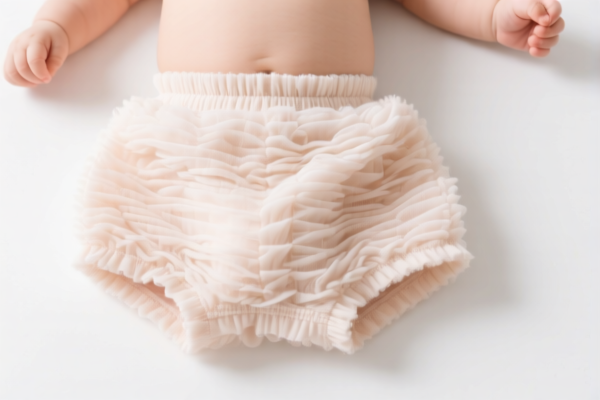
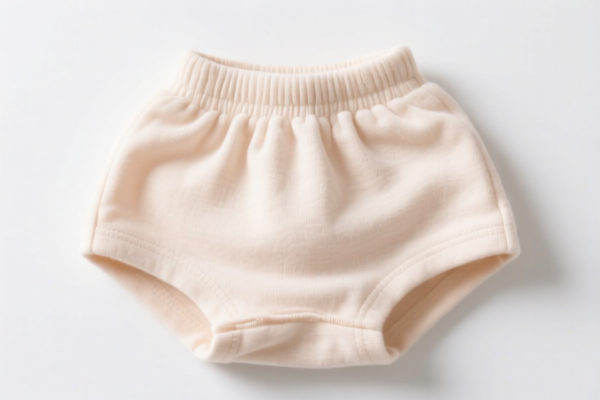
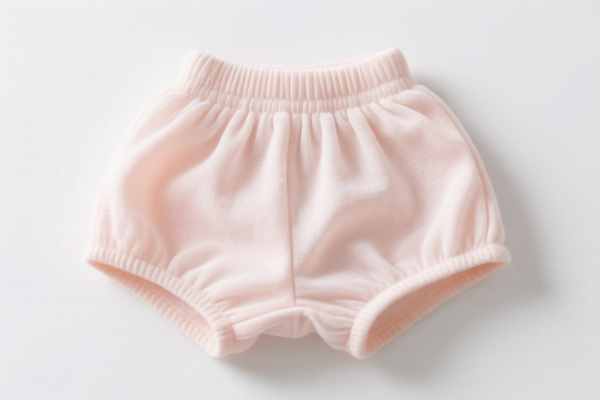
AI分析
🧵 Artificial Short Fiber (Man-Made Staple Fibers)
🌐 HS Code Reference & Customs Clearance Guide | 2026 Latest Tariff Analysis | Professional Clearance Strategy
📌 I. Product Definition: What is "Artificial Short Fiber"?
"Artificial Short Fiber" refers to synthetic or man-made staple fibers that have been cut into short lengths (typically similar to natural cotton or wool fibers) rather than kept in continuous filament form. In international trade, these are primarily classified based on their material composition (e.g., Cotton-like vs. Synthetic/PA) and state (uncombed/not further processed).
⚠️ Key Classification Distinction:
- If the fiber is synthetic/polyamide-based → Falls under Chapter 55 (Man-made Staple Fibers);
- If the fiber is cellulosic/cotton-like → Falls under Chapter 52 (Cotton);
- If the product is a fabric rather than raw fiber → Falls under Chapter 52/55/59 depending on weave and usage.
📦 II. HS Code Classification Details (2026 Latest Tariff Authority)
Based on the provided data, the following HS Codes are relevant for Artificial Short Fiber and related textile products:
| HS Code | Product Description | Material/State Match | Tax Summary |
|---|---|---|---|
5201.00.18.00 |
Short Staple Cotton (Uncombed) | Material Conflict? No. Based on common sense, "short fiber" fits the morphology of cotton (primary form). | 31.4¢/kg + 35.0% |
5503.19.90.00 |
Other Synthetic Staple Fibers (Uncombed) | Match: Morphology matches "uncombed staple fiber". Material inferred as polyamide/synthetic (common for "artificial" fibers). | 39.3% |
5201.00.12.00 |
Long Staple Cotton (Uncombed) | Match: Morphology matches "short fiber" (primary fiber form). No material conflict. | 35.0% |
5516.91.00.90 |
Artificial Short Fiber Fabrics (Woven) | Match: Explicitly mentions "fabric" and "artificial short fiber". Fits "other" category for non-specific weaves. | 47.0% |
5911.90.00.80 |
Technical Textile Products (Artificial Fiber) | Match: "Fabric" implies textile product. "Industrial use" matches "technical/textile product". Not excluded as industrial filler. | 38.8% |
🔍 Critical Note:
- The term "Artificial" is ambiguous. If it refers to synthetic polymers (nylon, polyester), use Chapter 55 (5503...or5516...).
- If it refers to regenerated cellulose mimicking cotton, customs may still classify it under Chapter 52 (5201...) if it resembles cotton in form and use.
- Fabric vs. Raw Fiber: Raw fibers go to Chapters 52/55; woven fabrics go to Chapter 55/60/63; technical fabrics go to Chapter 59.
💰 III. 2026 Latest Tariff Rate Breakdown (Including Surcharges)
✅ Applicable Country: United States (US)
✅ Origin: China (CN)
✅ Effective Date: November 10, 2025 (and subsequent imports)
🎯 1. 5201.00.18.00 – Short Staple Cotton (Uncombed)
(Note: Classified here due to morphological similarity to cotton, despite "artificial" label)
| Item | Content |
|---|---|
| Base Duty | 31.4¢/kg (Specific Duty) |
| USITC Surcharge (Section 301) | +25% (Ad Valorem) |
| IEEPA Surcharge (China-specific) | +10% (Ad Valorem) |
| Total Effective Tax | 31.4¢/kg + 35.0% |
| Tax Calculation | (31.4¢ × Weight in kg) + (CIF Value × 35%) |
| De Minimis Exemption? | ❌ No (High duty threshold) |
| Legal Path | USITC:5201.00.18.00 → FOOTNOTE:301 → IEEPA:9903.01.24 |
📌 Explanation:
- This code applies if the fiber is deemed functionally equivalent to cotton in form and use.
- The 35% total ad valorem rate is extremely high, significantly impacting profit margins.
🎯 2. 5503.19.90.00 – Other Synthetic Staple Fibers (Uncombed)
(Inferred as Polyamide/Synthetic)
| Item | Content |
|---|---|
| Base Duty | 4.3% (Ad Valorem) |
| USITC Surcharge (Section 301) | +25% (Ad Valorem) |
| IEEPA Surcharge (China-specific) | +10% (Ad Valorem) |
| Total Effective Tax | 39.3% |
| Tax Calculation | CIF Value × 39.3% |
| De Minimis Exemption? | ❌ No |
| Legal Path | USITC:5503.19.90.00 → FOOTNOTE:301 → IEEPA:9903.01.24 |
📌 Explanation:
- If the "artificial" fiber is clearly synthetic (e.g., nylon, polyester), this is the more likely classification.
- Base duty is low (4.3%), but the 39.3% total rate remains prohibitive.
🎯 3. 5201.00.12.00 – Long Staple Cotton (Uncombed)
| Item | Content |
|---|---|
| Base Duty | 0.0% |
| USITC Surcharge (Section 301) | +25% |
| IEEPA Surcharge (China-specific) | +10% |
| Total Effective Tax | 35.0% |
| Tax Calculation | CIF Value × 35.0% |
| De Minimis Exemption? | ❌ No |
| Legal Path | USITC:5201.00.12.00 → FOOTNOTE:301 → IEEPA:9903.01.24 |
📌 Explanation:
- Applies if the fiber is considered "cotton-like" but with longer staple length characteristics.
- Slightly lower than5201.00.18.00due to 0% base duty, but still high.
🎯 4. 5516.91.00.90 – Artificial Short Fiber Fabrics (Woven)
| Item | Content |
|---|---|
| Base Duty | 12.0% |
| USITC Surcharge (Section 301) | +25% |
| IEEPA Surcharge (China-specific) | +10% |
| Total Effective Tax | 47.0% |
| Tax Calculation | CIF Value × 47.0% |
| De Minimis Exemption? | ❌ No |
| Legal Path | USITC:5516.91.00.90 → FOOTNOTE:301 → IEEPA:9903.01.24 |
📌 Explanation:
- Only applicable if the product is a woven fabric, not raw fiber.
- Highest tax rate among the options (47%).
🎯 5. 5911.90.00.80 – Technical Textile Products (Artificial Fiber)
| Item | Content |
|---|---|
| Base Duty | 3.8% |
| USITC Surcharge (Section 301) | +25% |
| IEEPA Surcharge (China-specific) | +10% |
| Total Effective Tax | 38.8% |
| Tax Calculation | CIF Value × 38.8% |
| De Minimis Exemption? | ❌ No |
| Legal Path | USITC:5911.90.00.80 → FOOTNOTE:301 → IEEPA:9903.01.24 |
📌 Explanation:
- Applicable if the fabric is used for industrial/technical purposes (e.g., filtration, reinforcement).
- Low base duty (3.8%) makes this the lowest total rate (38.8%) among fabric options, but requires strict proof of "technical use".
🛠️ IV. Customs Clearance Practical Advice (Battle-Tested Pitfall Guide)
✅ 1. Documentation Checklist (Non-negotiable)
| Document | Required? | Description |
|---|---|---|
| ✅ Product Specification Sheet | ✔️ | Must clearly state: Fiber type (synthetic/cellulosic), length (mm/denier), staple form, and end-use. |
| ✅ Material Composition Report | ✔️ | Lab test confirming % of synthetic vs. regenerated cellulose. Critical for distinguishing Ch. 52 vs. Ch. 55. |
| ✅ Product Photos | ✔️ | Clear images showing fiber state (loose staple vs. fabric). |
| ✅ Commercial Invoice | ✔️ | Must accurately describe goods as "Artificial Staple Fibers" or "Technical Fabric". |
| ✅ Packing List | ✔️ | Weight and dimensions. |
| ✅ Proof of Technical Use (if 5911) | ✔️ | If claiming 5911.90.00.80, provide end-use certification (e.g., filtration, automotive reinforcement). |
✅ 2. Classification Strategy (Key Mnemonic)
🔥 “Material First, Morphology Second, End-Use Last!”
| Scenario | Correct HS Code | Risk if Incorrect |
|---|---|---|
| Raw Synthetic Staple Fiber | 5503.19.90.00 |
Misclassifying as cotton (5201...) may lead to audit if lab tests show synthetic. |
| Raw Cellulosic "Cotton-like" Fiber | 5201.00.12.00 or 5201.00.18.00 |
Misclassifying as synthetic may delay customs for material verification. |
| Woven Fabric (General) | 5516.91.00.90 |
High tax (47%). If misclassified as raw fiber, penalty for undervaluation. |
| Woven Fabric (Technical/Industrial) | 5911.90.00.80 |
Best Rate (38.8%) if proven. Requires strong end-use evidence. |
✅ 3. Special Circumstances Handling
| Situation | Recommendation |
|---|---|
| OEM Custom Fibers | Provide customer order + material spec sheet to avoid "generic" classification risks. |
| Mixed Blends | If fiber is a blend, classify according to major component by weight. Provide blend ratio. |
| Intended for Non-Industrial Use | Do not use 5911... unless it’s truly technical. Customs will reject "technical" claims for clothing/furnishing fabrics. |
| Pre-Certification | Apply for an Advance Ruling from CBP. With such high surcharges (35-47%), an advance ruling protects you from retroactive duty changes. |
🌍 V. Global Market Comparison (2026 Update)
| Country/Region | Recommended HS Code | Tariff Rate (China Origin) | Key Requirement |
|---|---|---|---|
| 🇺🇸 USA | 5503.19.90.00 (Fiber) / 5911.90.00.80 (Tech Fabric) |
39.3% (Fiber) / 38.8% (Tech Fabric) | FCC/RoHS not needed, but material proof is critical. |
| 🇨🇳 China | 5503.19.00.00 |
~5% (Import Duty) | CCC (if applicable), no surcharges. |
| 🇪🇺 EU | 5503.49.00 (Synthetic) |
~4.5% (Import Duty) | REACH compliance for chemicals. |
| 🇬🇧 UK | 5503.49.00 |
~4.5% | UKCA marking if finished goods. |
📌 Conclusion:
- USA imposes heavy surcharges (35-47%) on artificial short fibers and related fabrics.
- EU/UK/China have significantly lower base duties.
- Strategic Advice: If targeting the US market, consider duty optimization through supply chain restructuring (e.g., assembly in Vietnam/Mexico for IEEPA exemption) or accurate classification to avoid penalties.
📌 VI. Common Errors & Pitfall Guide (Blood & Tears Lessons)
❌ Error 1: Using "Artificial Fiber" as a generic description without specifying material.
👉 Consequence: Customs delays for material verification; potential misclassification penalty.
❌ Error 2: Claiming "Technical Use" for general-purpose fabrics to get 5911... rate.
👉 Consequence: Audit failure, retroactive duty of 47% (5516...) + penalties.
❌ Error 3: Ignoring the difference between Raw Fiber and Fabric.
👉 Consequence: Filing under 5503... for fabric results in underpayment; filing under 5516... for fiber results in overpayment and delays.
❌ Error 4: Assuming "Artificial" always means Synthetic (Ch. 55).
👉 Consequence: If it’s regenerated cellulose (Viscose/Rayon) but resembles cotton, customs may argue for Ch. 52 (5201...) based on morphology and use, leading to rate discrepancies.
✅ Correct Approach:
"Polyamide Staple Fiber, Uncombed, Length 38mm, Denier 15, for Non-Woven Industry. Material Test Report Attached."
🎯 VII. Conclusion: Precision Classification, Cost Control, Smooth Clearance!
🎯 Remember the Mnemonic:
🔹 "Synthetic is 55, Cotton-like is 52, Technical Fabric is 59 (if proven)!"
🔹 "Raw Fiber vs. Fabric changes everything – don’t mix them!"
🔹 "Surcharges are 35-47% – Plan Ahead or Pay Double!"
📌 Pro Tip:
If your product originates from Vietnam, Mexico, Thailand, or Malaysia, you may be eligible for IEEPA Exemptions, reducing the effective tax rate significantly.
Recommendation: File for an HS Code Advance Ruling with CBP before shipment to lock in the classification and avoid surprise duties.
📣 Immediate Action Required:
📞 Engage a licensed customs broker + Provide Material Test Report + Apply for Advance Ruling
🚀 Ensure your Artificial Short Fiber clears customs smoothly, controls costs, and maximizes profit margins!
✨ Professional Clearance Starts with Accurate Classification!
💼 Every percentage point of duty counts – let us calculate it for you!
用户评价
关于 HS 编码归类
协调制度(HS)是由世界海关组织(WCO)制定的国际贸易商品分类标准。全球 200 多个国家采用 HS 系统作为海关关税、贸易统计和进出口监管的基础。
每个 HS 编码遵循以下层级结构:
- 章(2 位)——商品大类(例如:第 84 章:机器和机械设备)
- 品目(4 位)——章内的更具体分类
- 子目(6 位)——国际通用细分,所有 WCO 成员国统一使用
- 本国细分(8-10 位)——各国自行扩展的细分编码,如美国 HTSUS 10 位编码
正确的 HS 编码归类对于顺利通关、准确缴纳关税和遵守贸易法规至关重要。错误归类可能导致海关延误、多缴关税或罚款。
从CN进口到US时,适用的关税税率可能包括:
- 最惠国(MFN)税率——适用于 WTO 成员国的标准关税税率
- 普通税率——适用于无贸易协定国家
- 贸易救济关税——附加关税,如 301 条款(反倾销)、232 条款(国家安全)或反补贴税
本页内容仅供参考。如需正式归类,请咨询当地海关或持牌报关代理。