Artificial Short Fiber Blended Fabric
CN → US| HS编码 | 关税税率 | 原产国 | 目的国 | 文档 |
|---|---|---|---|---|
| 5911900080 | 38.8% | CN | US | 官方文档 |
| 5911203000 | 35.0% | CN | US | 官方文档 |
| 5512110090 | 24.0% | CN | US | 官方文档 |
| 5516110090 | 49.9% | CN | US | 官方文档 |
| 5516910090 | 47.0% | CN | US | 官方文档 |
商品图片
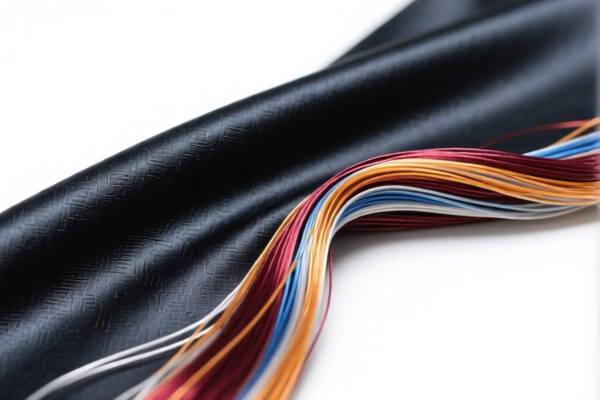
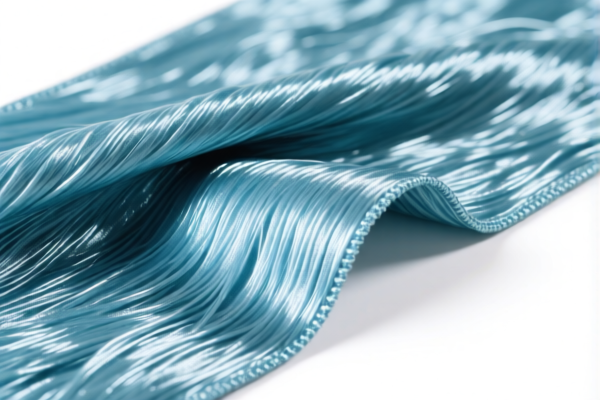
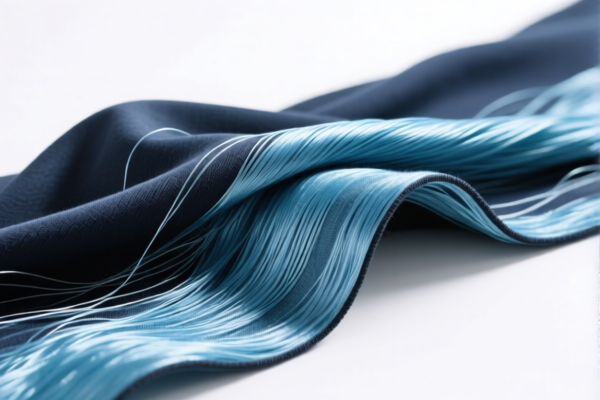
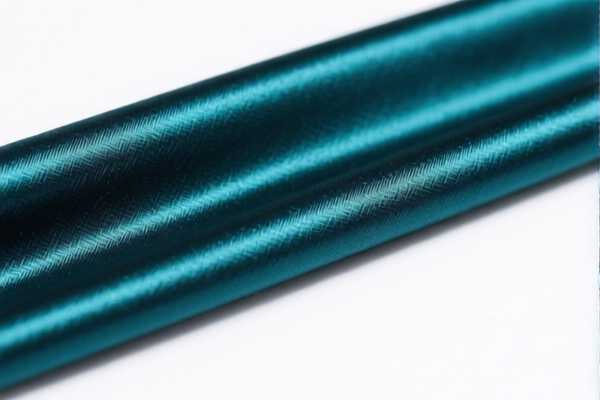
AI分析
🏭 Artificial Short Fiber Blended Fabric (Industrial Textiles)
🌐 HS Code Reference & Customs Clearance Guide | 2024/2025 Tariff Analysis | Strategic Classification for Importers
📌 I. Product Definition & Classification: Decoding "Artificial Short Fiber Blended Fabric"
Artificial Short Fiber Blended Fabric refers to woven or non-woven textile materials primarily composed of man-made staple fibers (such as polyester, nylon, or acrylic staples) mixed with other fibers. In international trade, these are distinct from continuous filament fabrics and are often categorized under "Technical Textiles" or general woven articles depending on their end-use and specific fiber composition.
⚠️ Key Classification Logic:
- If the fabric is non-woven and used for technical/industrial purposes → Look to Chapter 59 (Impregnated, Coated, Covered or Laminated Textile Products).
- If the fabric is woven and consists mainly of artificial staple fibers → Look to Chapter 55 (Man-made Staple Fibers).
- Critical Distinction: The presence of "Industrial Use" vs. "General Wear" significantly impacts the HS Code selection and resulting tax rates.
📦 II. HS Code Classification Details (Based on Provided Data)
| HS Code | Product Description & Logic | Total Tax Rate | Tax Composition (US Origin/China Source) |
|---|---|---|---|
| 5911.90.00.80 | Technical Industrial Fabric: Non-woven or specific technical textiles not elsewhere specified. Classified as "Other Technical Textiles." | 38.8% | Base: 3.8% + Section 301: 25.0% + IEEPA 122: 10% |
| 5911.20.30.00 | Industrial Short-Fiber Fabric: Woven fabric of man-made staple fibers for technical uses. Falls under "Other Textile Products" in Chapter 59. | 35.0% | Base: 0.0% + Section 301: 25.0% + IEEPA 122: 10% |
| 5512.11.00.90 | Woven Man-Made Staple Fabric: Woven fabric containing mainly synthetic staple fibers. Classified as "Other Type" (General Woven). | 24.0% | Base: 12.0% + Section 232/Other: 2.0% + IEEPA 122: 10% |
| 5516.11.00.90 | Woven Artificial Fiber Fabric: Woven fabric of man-made staple fibers. Classified under "Artificial Fiber Woven Fabrics." | 49.9% | Base: 14.9% + Section 301: 25.0% + IEEPA 122: 10% |
| 5516.91.00.90 | Woven Artificial Staple Fiber (Other): Fallback category for woven artificial short fiber fabrics not specified elsewhere. | 47.0% | Base: 12.0% + Section 301: 25.0% + IEEPA 122: 10% |
🔍 Critical Insight:
- Chapter 59 (5911.xxxx) items generally attract lower base tariffs but are subject to high additional duties due to "Technical/Industrial" classification nuances.
- Chapter 55 (5512/5516) items represent general woven fabrics. Their total tax burden varies heavily based on the specific fiber type (Synthetic vs. Artificial) and base rate.
- IEEPA Section 122 Tariff (10%) applies to all items listed above, significantly increasing the landed cost.
💰 III. 2024/2025 Tariff Rate Breakdown (Detailed Analysis)
✅ Context: Based on the provided data, all items incur a 10% IEEPA Tariff (referred to as "122条款关税" in the source).
✅ Applicable Markets: Likely US-China trade context given the "Section 301" (加征关税 25%) structure.
🎯 1. 5911.90.00.80 – Technical Industrial Fabric
| Item | Detail |
|---|---|
| Base Tariff | 3.8% |
| Additional Tariff (Sec 301) | +25.0% |
| IEEPA Tariff (Sec 122) | +10.0% |
| Total Effective Rate | 38.8% |
| Calculation | (CIF Value × 3.8%) + (CIF Value × 25%) + (CIF Value × 10%) |
| De Minimis Exemption | ❌ Not Applicable |
📌 Analysis:
- This code targets technical textiles. The base rate is low (3.8%), but the 25% Section 301 duty is standard for Chinese-origin goods.
- Strategy: If your fabric is truly "technical" (e.g., filtration, insulation), this may be the correct classification, but cost is higher than 5911.20.30.00.
🎯 2. 5911.20.30.00 – Industrial Woven Short-Fiber Fabric
| Item | Detail |
|---|---|
| Base Tariff | 0.0% |
| Additional Tariff (Sec 301) | +25.0% |
| IEEPA Tariff (Sec 122) | +10.0% |
| Total Effective Rate | 35.0% |
| Calculation | (CIF Value × 0%) + (CIF Value × 25%) + (CIF Value × 10%) |
| De Minimis Exemption | ❌ Not Applicable |
📌 Analysis:
- Best Option for Industrial Use: This is the lowest total tax rate (35%) among the Chapter 59 options because the base duty is 0%.
- Requirement: Must be demonstrably used for industrial/technical purposes (e.g., machine cloths, filtering fabrics) to qualify for 5911.20.30.00 rather than general wear clothing fabrics.
🎯 3. 5512.11.00.90 – Woven Synthetic Staple Fabric
| Item | Detail |
|---|---|
| Base Tariff | 12.0% |
| Additional Tariff | +2.0% |
| IEEPA Tariff (Sec 122) | +10.0% |
| Total Effective Rate | 24.0% |
| Calculation | (CIF Value × 12%) + (CIF Value × 2%) + (CIF Value × 10%) |
| De Minimis Exemption | ❌ Not Applicable |
📌 Analysis:
- Lowest Overall Rate: At 24.0%, this is the most cost-effective option if the fabric can be classified here.
- Constraint: This applies to woven fabrics primarily of synthetic staple fibers. If your product is "Artificial" (generic term) or non-woven, this code may not apply.
- Caution: Ensure the "Additional Tariff" is only 2% (not 25%). This suggests it might not be subject to full Section 301 scrutiny if classified under specific synthetic rules, or the data reflects a specific partial exemption scenario. Verify with Customs.
🎯 4. 5516.11.00.90 – Woven Artificial Fiber Fabric
| Item | Detail |
|---|---|
| Base Tariff | 14.9% |
| Additional Tariff (Sec 301) | +25.0% |
| IEEPA Tariff (Sec 122) | +10.0% |
| Total Effective Rate | 49.9% |
| Calculation | (CIF Value × 14.9%) + (CIF Value × 25%) + (CIF Value × 10%) |
| De Minimis Exemption | ❌ Not Applicable |
📌 Analysis:
- High Cost: This is the most expensive option.
- Usage: Use only if the fabric is strictly woven, made of artificial staple fibers (like viscose/rayon blends), and doesn't fit other technical categories.
🎯 5. 5516.91.00.90 – Woven Artificial Staple Fiber (Other)
| Item | Detail |
|---|---|
| Base Tariff | 12.0% |
| Additional Tariff (Sec 301) | +25.0% |
| IEEPA Tariff (Sec 122) | +10.0% |
| Total Effective Rate | 47.0% |
| Calculation | (CIF Value × 12%) + (CIF Value × 25%) + (CIF Value × 10%) |
| De Minimis Exemption | ❌ Not Applicable |
📌 Analysis:
- A "fallback" category for woven artificial fabrics. Similar tax burden to 5516.11.00.90 but with a slightly lower base rate (12% vs 14.9%).
- Use only if 5516.11.00.90 is not applicable due to specific fiber composition details.
🛠️ IV. Customs Clearance Practical Advice (Pitfall Avoidance)
✅ 1. Documentation Checklist (Essential)
| Document | Requirement | Purpose |
|---|---|---|
| Product Spec Sheet | ✔️ Mandatory | Detail fiber composition (% of artificial vs. natural), weave type (woven/non-woven), and GSM. |
| Intended Use Statement | ✔️ Critical | Define if the fabric is for Industrial/Technical use (to qualify for 5911) or General/Apparel use (Chapter 55). |
| Technical Data Sheet | ✔️ For 5911 Codes | Prove "Technical" nature (e.g., filtration efficiency, tensile strength for machinery). |
| Commercial Invoice | ✔️ Mandatory | Clearly state "Artificial Short Fiber Blended Fabric" and HS Code. |
| Packing List | ✔️ Mandatory | Ensure quantities and weights match invoice. |
✅ 2. Classification Strategy & Warnings
🔥 "Use Defines Code: Industrial vs. General"
| Scenario | Recommended HS Code | Reason |
|---|---|---|
| Fabric for Machine Parts, Filtration, Insulation | 5911.20.30.00 or 5911.90.00.80 | Chapter 59 is for "Technical Textiles." 5911.20.30.00 is cheaper (35%) if it's woven. |
| Fabric for Clothing, Curtains, General Use | 5512.11.00.90 | If it's woven synthetic staple, this offers the lowest rate (24%). |
| Non-Woven Industrial Mats | 5911.90.00.80 | Non-wovens often fall here if not specifically covered in 5911.20. |
| Viscose/Rayon Blends | 5516.xxxxx | "Artificial fibers" often refer to regenerated fibers like viscose. Use Chapter 55. |
⚠️ High-Risk Warning:
- Misclassification Risk: Declaring a general apparel fabric as "Industrial Technical Textile" (Chapter 59) to avoid higher base rates can lead to severe penalties if Customs audits prove the end-use is consumer goods.
- Section 301 Impact: Most of these codes include a 25% surcharge. Ensure you are calculating costs correctly. The 2% additional duty for 5512.11.00.90 is an anomaly in the provided data and must be verified with a licensed customs broker, as Section 301 duties are typically 25% for most Chinese textiles.
✅ 3. Special Handling Tips
| Situation | Action |
|---|---|
| Mixed Fibers | If the blend contains <85% artificial fiber, it might fall under different subheadings. Ensure the primary fiber is correctly identified. |
| Customs Audits | Keep samples and technical specifications ready. For 5911 codes, prove the "technical" function (e.g., lab tests for filtration). |
| Cost Optimization | If possible, aim for 5512.11.00.90 (24%) or 5911.20.30.00 (35%) by adjusting product design or marketing (e.g., emphasizing industrial application for 5911). |
🌍 V. Global Market Comparison (Contextual)
| Market | Likely HS Code | Estimated Duty (Base) | Additional Duties | Notes |
|---|---|---|---|---|
| 🇺🇸 United States | 5911/5516/5512 | 0% - 14.9% | +25% (Sec 301) + 10% (IEEPA) | High total cost. Classification is critical to minimize base rate. |
| 🇨🇳 China (Export) | Depends on Destination | N/A | N/A | China exports freely; duties are borne by importer. |
| 🇪🇺 EU | 5911/5516/5512 | 6.5% - 12% | No Sec 301/IEEPA | No additional punitive tariffs. Total duty ~12-18%. |
| 🇬🇧 UK | 5911/5516/5512 | 6.5% - 12% | No Sec 301/IEEPA | Post-Brexit tariffs apply, but no US-style surcharges. |
📌 Conclusion:
- The US market is the most challenging due to the 35-50% total tariff burden.
- EU/UK markets are more favorable, with no Section 301 or IEEPA penalties.
- Strategy: For US imports, precise classification is the only way to manage costs. Consider supply chain diversification if tariffs exceed profit margins.
📌 VI. Common Errors & Pitfalls
❌ Error 1: Using "Industrial" label to justify 5911 classification for consumer goods.
👉 Consequence: Customs rejects classification, reverts to higher base rates + penalties.
❌ Error 2: Confusing "Artificial" (Regenerated, e.g., Viscose) with "Synthetic" (e.g., Polyester).
👉 Consequence: Wrong Chapter (55 vs 60) or subheading, leading to incorrect duty calculation.
❌ Error 3: Ignoring the 10% IEEPA (122 Clause) in total cost calculations.
👉 Consequence: Underestimating landed cost by ~10%, eroding profit.
❌ Error 4: Assuming "De Minimis" ($800) applies.
👉 Consequence: Textiles are generally EXCLUDED from de minimis exemptions under Section 321 when subject to Section 301/IEEPA duties. Full duty applies.
✅ Best Practice:
Always request an Advance Ruling (Preliminary Determination) from CBP (U.S. Customs and Border Protection) before shipping large volumes. This provides legal certainty on the HS Code and associated duties.
🎯 VII. Final Recommendations
🎯 For Cost Optimization:
- Priority 1: Check if 5512.11.00.90 (24%) is applicable. This requires the fabric to be woven and synthetic staple.
- Priority 2: If industrial use is proven, 5911.20.30.00 (35%) is the next best option.
- Avoid: 5516 codes (47-50%) unless necessary, due to high base rates.
🎯 For Compliance:
- Document Everything: Keep technical data sheets proving end-use.
- Verify Base Rates: Confirm the 2% additional duty for 5512.11.00.90 with a broker, as it deviates from standard 25% Sec 301 expectations.
- Calculate Total Landed Cost: Include all duties (Base + 301 + IEEPA) + Freight + Insurance + Broker Fees.
📌 Disclaimer:
This guide is based on the provided data set. Tariff laws change frequently. Always consult a licensed customs broker or legal expert for final classification and duty calculation. The "IEEPA 122" and specific additional duty rates should be verified against the latest HTSUS and CBP memos.
✨ Smart Classification Saves Money!
💼 Accurate HS Codes = Predictable Costs + Smooth Clearance
用户评价
关于 HS 编码归类
协调制度(HS)是由世界海关组织(WCO)制定的国际贸易商品分类标准。全球 200 多个国家采用 HS 系统作为海关关税、贸易统计和进出口监管的基础。
每个 HS 编码遵循以下层级结构:
- 章(2 位)——商品大类(例如:第 84 章:机器和机械设备)
- 品目(4 位)——章内的更具体分类
- 子目(6 位)——国际通用细分,所有 WCO 成员国统一使用
- 本国细分(8-10 位)——各国自行扩展的细分编码,如美国 HTSUS 10 位编码
正确的 HS 编码归类对于顺利通关、准确缴纳关税和遵守贸易法规至关重要。错误归类可能导致海关延误、多缴关税或罚款。
从CN进口到US时,适用的关税税率可能包括:
- 最惠国(MFN)税率——适用于 WTO 成员国的标准关税税率
- 普通税率——适用于无贸易协定国家
- 贸易救济关税——附加关税,如 301 条款(反倾销)、232 条款(国家安全)或反补贴税
本页内容仅供参考。如需正式归类,请咨询当地海关或持牌报关代理。