Automatic Vegetable Stir fry Machine
CN → US| HS编码 | 关税税率 | 原产国 | 目的国 | 文档 |
|---|---|---|---|---|
| 8438909090 | 37.8% | CN | US | 官方文档 |
| 8419819040 | 17.5% | CN | US | 官方文档 |
| 8438800000 | 35.0% | CN | US | 官方文档 |
| 8419819080 | 17.5% | CN | US | 官方文档 |
| 8516606000 | 12.7% | CN | US | 官方文档 |
商品图片
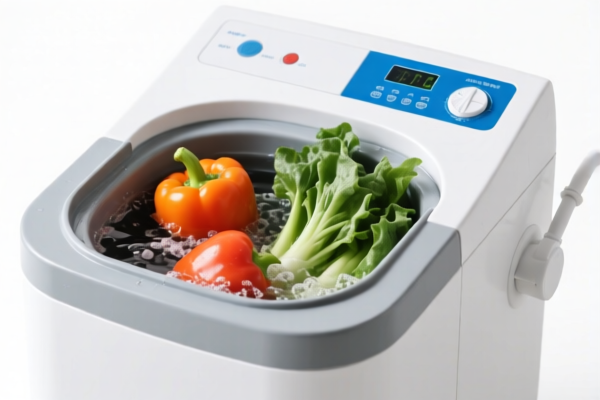
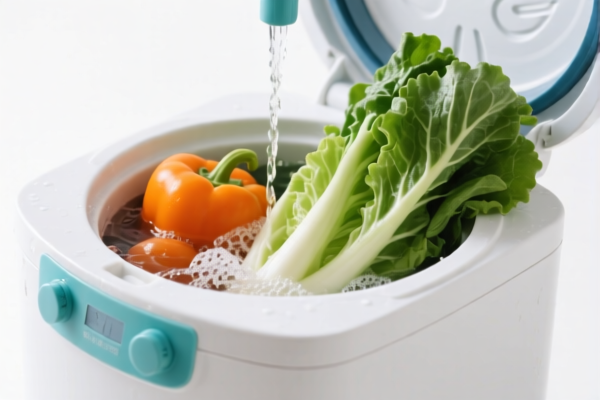
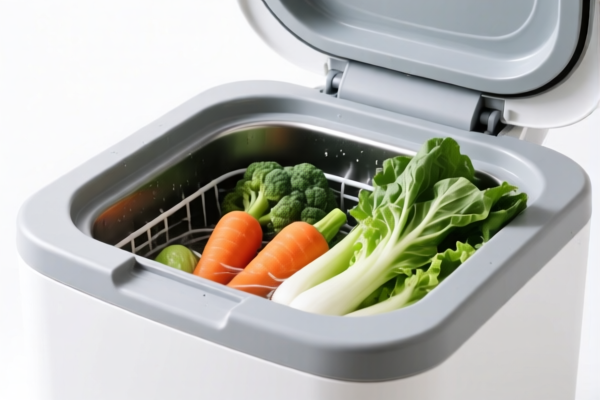
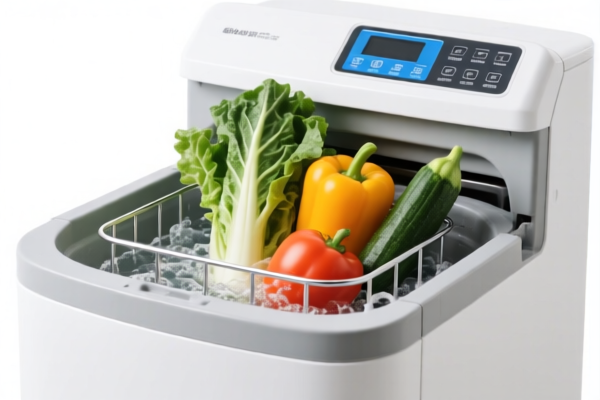
AI分析
🥘 Automatic Vegetable Stir-Fry Machine (AI Cooking Robots)
🌐 HS Code Reference & Customs Clearance Guide | 2026 Latest Tariff Analysis | Professional Clearance Strategy
📌 Part 1: Product Definition & Classification: What Exactly Is an "Automatic Stir-Fry Machine"?
An Automatic Vegetable Stir-Fry Machine is a high-tech kitchen appliance designed for industrial or commercial food preparation. It automates the processes of heating, stirring, and cooking vegetables or other ingredients. In international trade, the classification of this device is complex because it straddles the line between household appliances and industrial food processing machinery.
The classification depends heavily on how the machine is viewed functionally: 1. As a Food Preparation Machine (if it emphasizes the processing of ingredients into cooked food). 2. As a Heating/Cooking Appliance (if it emphasizes the electrical heating and cooking function similar to a stove).
⚠️ Critical Distinction:
- If the machine is marketed primarily as a complete unit for automated food production (e.g., in a central kitchen or restaurant chain), it leans towards Chapter 84 (Food/Drink Preparation Machinery).
- If the machine is marketed primarily as a consumer/home electric heating appliance (similar to a rice cooker or electric hot pot), it leans towards Chapter 85 (Electrical Heating Appliances).
📦 Part 2: HS Code Classification Matrix (2026 Latest Tariff Authority)
| HS Code | Product Description | Functional Logic | Tax Rate |
|---|---|---|---|
8438.80.00.00 |
Machinery for the industrial preparation or manufacture of food or饮料 | Treated as Food Preparation Machinery. The machine automates the creation of food. | 35.0% |
8419.81.90.80 |
Other mechanical, thermal process machinery | Treated as Heating Equipment. Focuses on the thermal process of cooking, not specific food prep logic. | 17.5% |
8516.60.60.00 |
Electrical instantaneous or storage water heaters; other electrical space heating appliances | Treated as Electric Cooking Equipment. Functionally identical to an electric stove or boiling plate. | 12.7% |
8438.90.90.90 |
Parts and accessories of machinery for the preparation of food | Treated as a Component/Part. Rarely used for the whole machine unless declared as a spare part kit. | 37.8% |
8419.81.90.40 |
Other mechanical machinery for cooking | Treated as Cooking Equipment. Similar to 8419.81.90.80 but specific to food cooking mechanisms. | 17.5% |
🔍 Key Insight:
- Cheapest Rate:8516.60.60.00at 12.7% (if classified as an electric heating appliance).
- Highest Rate:8438.90.90.90at 37.8% (if classified as a part/accessory or if customs deems it specialized machinery).
- Middle Ground:8438(Food Prep) at 35.0% and8419(Heating/Cooking) at 17.5%.
💰 Part 3: 2026 Detailed Tariff Breakdown (US Market - China Origin)
✅ Applicable Country: United States (US)
✅ Origin: China (CN)
✅ Effective Date: From Nov 10, 2025 onwards
🎯 1. 8438.80.00.00 – Machinery for Food Preparation
Classification Logic: The machine is seen as a tool for "industrial preparation or manufacture of food."
| Item | Detail |
|---|---|
| Base Tariff | 0.0% |
| Section 301 Add-on | +25.0% (25% additional duty under USITC Footnote 9903.88.01) |
| IEEPA Add-on | +10.0% (China-specific tariff under International Emergency Economic Powers Act) |
| Total Rate | 35.0% |
| De Minimis Exemption | ❌ Not Eligible (deny_de_minimis) |
| Legal Path | IEEPA:9903.01.25 → USITC:8438.80.00.00 → FOOTNOTE:9903.88.01 |
📌 Explanation:
- Even though the base duty is 0%, the Section 301 tariff (25%) and IEEPA (10%) apply because it is a Chinese-origin good.
- Total Impact: 35% of CIF value. This is a high-cost classification.
🎯 2. 8419.81.90.80 & 8419.81.90.40 – Mechanical Heating/Cooking Machinery
Classification Logic: The machine is viewed as a general heating or cooking device, not specifically "food manufacturing."
| Item | Detail |
|---|---|
| Base Tariff | 0.0% |
| Section 301 Add-on | +7.5% |
| IEEPA Add-on | +10.0% |
| Total Rate | 17.5% |
| De Minimis Exemption | ❌ Not Eligible (deny_de_minimis) |
| Legal Path | IEEPA:9903.01.24 → USITC:8419.81.90.80/40 → FOOTNOTE:9903.88.01 |
📌 Explanation:
- The Section 301 add-on is lower (7.5%) for these subheadings compared to8438or8516.
- Total Impact: 17.5%. This is a moderate cost, significantly cheaper than the food prep classification.
🎯 3. 8516.60.60.00 – Electrical Cooking Equipment
Classification Logic: The machine is an electric heater with cooking functions (like an electric stove).
| Item | Detail |
|---|---|
| Base Tariff | 2.7% |
| Section 301 Add-on | 0.0% (Note: This specific subheading may be exempt from Section 301 or has a different footnote) |
| IEEPA Add-on | +10.0% |
| Total Rate | 12.7% |
| De Minimis Exemption | ❌ Not Eligible (deny_de_minimis) |
| Legal Path | IEEPA:9903.01.24 → USITC:8516.60.60.00 |
📌 Explanation:
- This is the most cost-effective classification.
- Why? The base duty (2.7%) + IEEPA (10%) = 12.7%. It avoids the high Section 301 add-ons if the specific footnote allows it, or the add-on is zeroed out for this specific electrical heating category.
- Risk: Customs may challenge this if the machine has complex "automation" features that go beyond simple heating.
🎯 4. 8438.90.90.90 – Parts/Accessories
Classification Logic: Declared as a spare part or accessory rather than a complete machine.
| Item | Detail |
|---|---|
| Base Tariff | 2.8% |
| Section 301 Add-on | +25.0% |
| IEEPA Add-on | +10.0% |
| Total Rate | 37.8% |
| De Minimis Exemption | ❌ Not Eligible (deny_de_minimis) |
📌 Warning:
- This is the highest tax bracket.
- Only use this if you are importing a kit of parts, not a finished machine. Declaring a finished machine as a "part" is customs fraud and carries severe penalties.
🛠️ Part 4: Customs Clearance Practical Advice (Avoiding Pitfalls)
✅ 1. Documentation Checklist (Non-Negotiable)
| Document | Required? | Purpose |
|---|---|---|
| Product Datasheet | ✔️ | Must specify if it's "Industrial Food Prep" or "Commercial Cooking Appliance." |
| Circuit Schematic | ✔️ | Proves it's an electrical heating device (supports 8516) vs. mechanical processing (8438). |
| Product Photos | ✔️ | Show control panels, heating elements, and stirring mechanisms. |
| Third-Party Certifications | ✔️ | UL, ETL, NSF, or CE marks. NSF is critical for food contact surfaces. |
| Commercial Invoice | ✔️ | Clearly state: "Automatic Electric Stir-Fry Machine for Commercial Kitchen Use." |
| Origin Certificate | ✔️ | If shipped from Vietnam/Malaysia, apply for preferential tariffs (if applicable). |
✅ 2. Declaration Strategy (The "Secret" to Lower Taxes)
🔥 Golden Rule:
"Emphasize Heating, Minimize Processing."
| Scenario | Recommended HS Code | Why? |
|---|---|---|
| Machine has complex automation/recipe storage | 8438.80.00.00 |
Hard to argue it's just a heater. Expect 35%. |
| Machine is basically a hot plate with a stirrer | 8516.60.60.00 |
Argue it's an electric cooking appliance. Lowest rate 12.7%. |
| Machine is a standalone kitchen unit | 8419.81.90.80 |
A safe middle ground. 17.5%. |
| Importing only the pot/stirrer head | 8438.90.90.90 |
High tax (37.8%) but necessary if it's a genuine spare part. |
📌 Tip:
- For8516.60.60.00, describe the product as: "Electric Commercial Cooking Appliance with Automated Stirring Function."
- Avoid words like "Food Manufacturing Machine" or "Industrial Processor."
- Use terms like "Cooking Equipment," "Heating Appliance," "Kitchen Appliance."
✅ 3. Special Cases & Risk Management
| Situation | Advice |
|---|---|
| Smart/AI Features | If the machine has AI cameras or complex recipe software, Customs may push it to 8438. Be prepared to justify why it's still a "heater." |
| Food Contact Materials | Ensure the stirring arm and pot are made of FDA-approved materials. Provide Food Safety Compliance Docs. |
| Voltage/Frequency | US requires 110V/60Hz. If shipped with 220V, it will be rejected unless converted. |
| NSF Certification | Commercial kitchens in the US often require NSF/ANSI 4 certification. Without it, the product may not be legally usable, leading to customs seizure. |
🌍 Part 5: Global Market Comparison (2026)
| Region | Recommended HS Code | Est. Tariff (China Origin) | Key Requirement |
|---|---|---|---|
| 🇺🇸 USA | 8516.60.60.00 |
12.7% (Best Case) | UL/ETL + NSF + IEEPA Compliance |
| 🇪🇺 EU | 8516.60.60.00 |
0% - 4.5% | CE Mark + RoHS + WEEE |
| 🇨🇳 China | 8438.80.00.00 |
8% - 15% | CCC Certification |
| 🇯🇵 Japan | 8438.80.00.00 |
8% - 10% | PSE Mark + JET |
📌 Conclusion:
- USA is the most complex market due to IEEPA and Section 301 tariffs.
- Classification Strategy is critical. The difference between 12.7% and 35% is massive.
- EU and Japan are more straightforward, focusing on safety certifications (CE/PSE).
📌 Part 6: Common Mistakes & Pitfalls (Learn from Others' Errors)
❌ Mistake 1: Declaring the machine as "Home Appliance" (8516) when it's clearly for Industrial Commercial Use.
👉 Consequence: Customs may reclassify it to 8438, leading to back taxes + penalties.
❌ Mistake 2: Omitting NSF Certification for commercial food equipment.
👉 Consequence: The product cannot be sold in US commercial kitchens. Seizure or Return.
❌ Mistake 3: Using "Robot" in the description without technical justification.
👉 Consequence: Customs may classify it under robotics chapters or high-tech machinery, increasing scrutiny.
❌ Mistake 4: Assuming De Minimis ($800) applies.
👉 Consequence: Strictly No. IEEPA tariffs block de minimis for Chinese origin goods. Every shipment pays duty.
✅ Correct Approach:
"Commercial Electric Stir-Fry Machine, 220V/60Hz, Stainless Steel Pot, Automated Stirring, NSF Certified, Model XYZ"
🎯 Part 7: Final Recommendation
🎯 Strategy Summary:
1. Aim for 8516.60.60.00 (12.7%) by emphasizing electrical heating and cooking appliance status.
2. Fallback to 8419.81.90.80 (17.5%) if the heating argument is weak.
3. Avoid 8438 (35%) unless the machine is undeniably a "food processing" device.
4. NEVER declare a finished machine as a "part" (8438.90) to avoid taxes. It is fraudulent.
📌 Pro Tip:
If your machine is manufactured in Vietnam or Malaysia, you may still face Section 301 if it's deemed of Chinese origin. However, IEEPA tariffs might be lower or non-existent depending on the specific HTS and trade agreements.
👉 Always apply for a Customs Ruling before shipping. It’s worth the $1,000 fee to save thousands in duties.
📣 Immediate Action:
📞 Contact a Customs Broker: Provide them with the circuit diagram and marketing materials.
📄 Request a Pre-Ruling: Ask specifically for8516.60.60.00eligibility.
🚀 Certify Early: Start the NSF and UL process now. They take months!
✨ Smart Classification = High Profit Margin!
💼 Don't let 35% duties eat your profits. Optimize for 12.7%!
用户评价
关于 HS 编码归类
协调制度(HS)是由世界海关组织(WCO)制定的国际贸易商品分类标准。全球 200 多个国家采用 HS 系统作为海关关税、贸易统计和进出口监管的基础。
每个 HS 编码遵循以下层级结构:
- 章(2 位)——商品大类(例如:第 84 章:机器和机械设备)
- 品目(4 位)——章内的更具体分类
- 子目(6 位)——国际通用细分,所有 WCO 成员国统一使用
- 本国细分(8-10 位)——各国自行扩展的细分编码,如美国 HTSUS 10 位编码
正确的 HS 编码归类对于顺利通关、准确缴纳关税和遵守贸易法规至关重要。错误归类可能导致海关延误、多缴关税或罚款。
从CN进口到US时,适用的关税税率可能包括:
- 最惠国(MFN)税率——适用于 WTO 成员国的标准关税税率
- 普通税率——适用于无贸易协定国家
- 贸易救济关税——附加关税,如 301 条款(反倾销)、232 条款(国家安全)或反补贴税
本页内容仅供参考。如需正式归类,请咨询当地海关或持牌报关代理。