Automotive Brake Hose
CN → US| HS编码 | 关税税率 | 原产国 | 目的国 | 文档 |
|---|---|---|---|---|
| 3917390050 | 13.1% | CN | US | 官方文档 |
| 4009120050 | 20.0% | CN | US | 官方文档 |
| 4009110000 | 37.5% | CN | US | 官方文档 |
| 4009120050 | 20.0% | CN | US | 官方文档 |
| 3917320020 | 38.1% | CN | US | 官方文档 |
商品图片
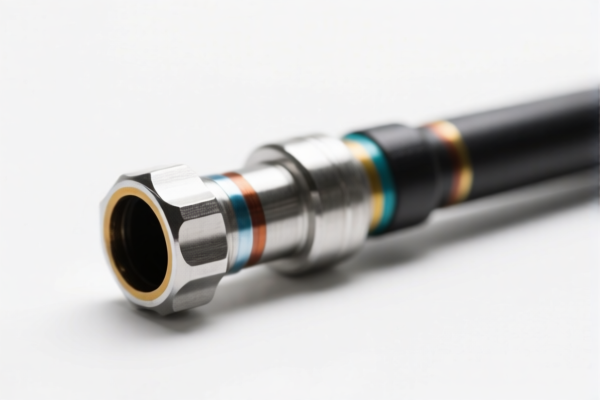
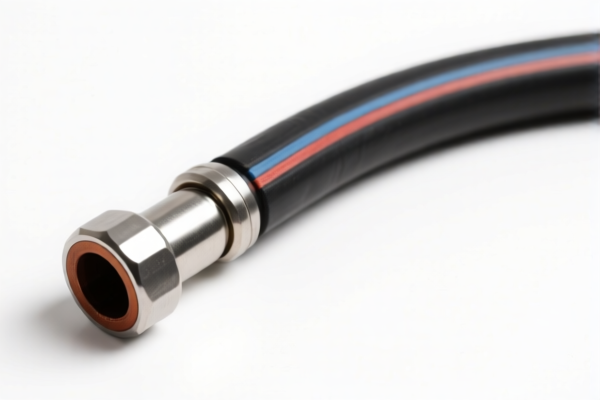
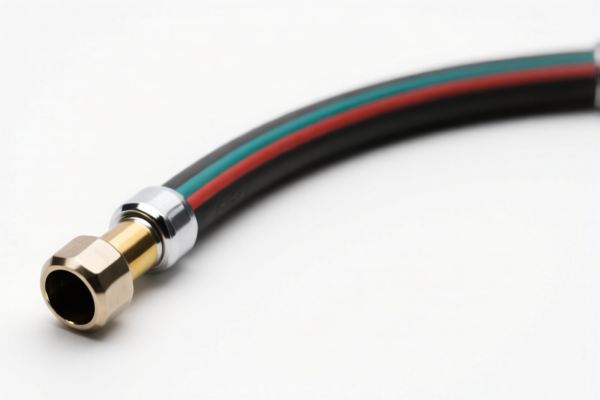
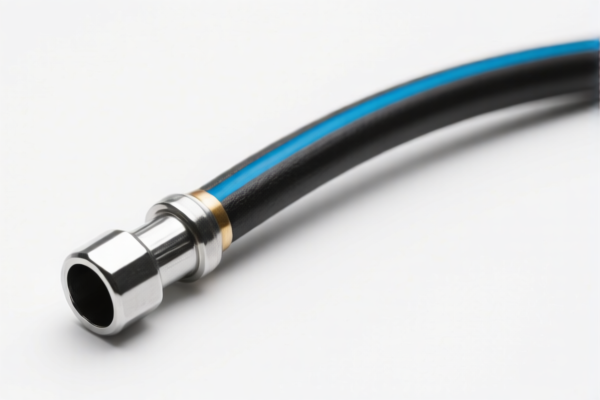
AI分析
🚗 Automotive Brake Hose (Automotive Brake Hose)
🌐 HS Code Reference & Clearance Guide | 2026 Latest Tariff Analysis | Professional Customs Strategy
📌 I. Product Definition & Classification: Do You Really Understand "Brake Hoses"?
An automotive brake hose is a critical safety component in a vehicle’s braking system, transmitting hydraulic fluid pressure from the master cylinder to the wheel cylinders or calipers. In international trade, these hoses are primarily classified based on their material composition and structure, as different materials fall under distinct Harmonized System (HS) chapters.
1. Plastic Hoses (Thermoplastics): Made from materials such as Polyethylene (PE), Polyamide (Nylon), or reinforced plastics. These are rigid or semi-rigid pipes/hoses. 2. Rubber Hoses (Vulcanized): Made from硫化橡胶 (Vulcanized Rubber) or rubber-plastic blends. These are flexible, fluid-transmission hoses.
⚠️ Key Distinction Point: - If the hose is rigid/plastic-based (e.g., Nylon brake lines common in modern cars) → Classified under Chapter 39 (Plastics). - If the hose is flexible/rubber-based → Classified under Chapter 40 (Rubber).
📦 II. HS Code Classification Details (2026 Latest Tariff Authority Comparison)
| HS Code | Product Description | Material Inference | Application Scenario |
|---|---|---|---|
3917.39.00.50 |
Plastic Hoses & Tubes, Other | Plastic (General) | Brake hoses made of non-specified plastics; general purpose plastic brake lines. |
4009.12.00.50 |
Rubber Hoses, Smooth Inner Surface | Vulcanized Rubber | Standard flexible rubber brake hoses with smooth inner lining. |
4009.11.00.00 |
Rubber Hoses, With Fittings | Rubber/Rubber-Plastic Blend | Brake hoses pre-assembled with metal fittings/end connectors. |
3917.32.00.20 |
Plastic Hoses, of Polyethylene | Polyethylene (PE) | Specific plastic brake hoses made from PE materials. |
🔍 Key Reminder: - Material is King: The single most important factor for classification is whether the primary material is Plastic (Chapter 39) or Rubber (Chapter 40). - Fittings Matter: Rubber hoses with attached metal fittings (
4009.11) often face different tax treatments compared to bare rubber hoses (4009.12). - Polyethylene Specifics: If the plastic is specifically Polyethylene, it has its own sub-heading (3917.32).
💰 III. 2026 Latest Tariff Rate Breakdown (Including Surcharges & Policy Add-ons)
✅ Applicable Country: United States (US)
✅ Country of Origin: China (CN)
✅ Effective Date: From November 10, 2025 onwards (for subsequent imports)
🎯 1. 3917.39.00.50 —— Plastic Hoses, Other
| Item | Content |
|---|---|
| Basic Tariff | 3.1% (ad valorem) |
| Section 301 Surcharge | 0.0% |
| Section 122 Surcharge | +10% (China-specific) |
| Total Tax Rate | 13.1% |
| Tax Calculation | CIF Value × 13.1% |
| De Minimis Exemption | ❌ Not Eligible (deny_de_minimis) |
| Legal Basis Path | Base: 3917.39.00.50 → S122: China |
📌 Explanation:
- This category benefits from zero Section 301 tariffs.
- However, it is still subject to the Section 122 10% surcharge.
- Total effective rate is only 13.1%, making this a highly cost-effective option if the product can be classified as a "plastic hose."
🎯 2. 4009.12.00.50 —— Rubber Hoses, Smooth Inner Surface
| Item | Content |
|---|---|
| Basic Tariff | 2.5% |
| Section 301 Surcharge | +7.5% |
| Section 122 Surcharge | +10% |
| Total Tax Rate | 20.0% |
| Tax Calculation | CIF Value × 20.0% |
| De Minimis Exemption | ❌ Not Eligible |
| Legal Basis Path | Base: 4009.12.00.50 → Sec301: 7.5% → S122: China |
📌 Note:
- This is the standard classification for flexible rubber brake hoses without pre-attached fittings.
- The total rate of 20.0% is moderate but higher than plastic alternatives.
🎯 3. 4009.11.00.00 —— Rubber Hoses, With Fittings
| Item | Content |
|---|---|
| Basic Tariff | 2.5% |
| Section 301 Surcharge | +25.0% |
| Section 122 Surcharge | +10% |
| Total Tax Rate | 37.5% |
| Tax Calculation | CIF Value × 37.5% |
| De Minimis Exemption | ❌ Not Eligible |
| Legal Basis Path | Base: 4009.11.00.00 → Sec301: 25% → S122: China |
📌 Critical Warning:
- Do NOT classify rubber brake hoses with metal fittings as this code if you want to avoid high tariffs.
- The Section 301 surcharge jumps to 25% for hoses "with fittings."
- Total rate of 37.5% is very high. This classification should be avoided if possible through product design (e.g., shipping hoses separately from fittings).
🎯 4. 3917.32.00.20 —— Plastic Hoses, of Polyethylene
| Item | Content |
|---|---|
| Basic Tariff | 3.1% |
| Section 301 Surcharge | +25.0% |
| Section 122 Surcharge | +10% |
| Total Tax Rate | 38.1% |
| Tax Calculation | CIF Value × 38.1% |
| De Minimis Exemption | ❌ Not Eligible |
| Legal Basis Path | Base: 3917.32.00.20 → Sec301: 25% → S122: China |
📌 Caution:
- While the basic tariff is low (3.1%), the Section 301 surcharge is 25% specifically for Polyethylene hoses.
- Total rate of 38.1% is the highest among all options.
- Avoid this classification if you can prove the material is not Polyethylene (e.g., Nylon/PA), which would fall under3917.39.00.50(13.1% tax).
🛠️ IV. Customs Clearance Practical Advice (Battle-Proven Pitfall Guide)
✅ 1. Documentation Checklist (Essential)
| Document | Required | Description |
|---|---|---|
| ✅ Product Specification Sheet | ✔️ | Must clearly state Material Composition (e.g., "Nylon PA12," "Vulcanized Rubber," "PE"). |
| ✅ Material Safety Data Sheet (MSDS) | ✔️ | Helps customs verify chemical composition and HS code accuracy. |
| ✅ Product Photos (Including Ends/Fittings) | ✔️ | Show whether metal fittings are attached or sold separately. |
| ✅ Commercial Invoice | ✔️ | Description must match HS code (e.g., "Plastic Brake Hose, Nylon" vs. "Rubber Brake Hose"). |
| ✅ Packing List | ✔️ | Detail contents, especially if fittings are packed separately. |
✅ 2. Declaration Tips (Key Mantras)
🔥 "Material First, Fittings Separate, Plastic Preferred, Tax Saved!"
| Scenario | Correct Declaration | Wrong Practice |
|---|---|---|
| Nylon Brake Hose | 3917.39.00.50 (13.1%) |
Misdeclare as Rubber → Penalty for false declaration |
| Rubber Hose (No Fittings) | 4009.12.00.50 (20.0%) |
Misdeclare as Plastic → Risk of audit/fine |
| Rubber Hose WITH Fittings | 4009.11.00.00 (37.5%) |
❌ Avoid if possible by shipping fittings separately |
| Polyethylene Hose | 3917.32.00.20 (38.1%) |
❌ Avoid if material is Nylon (PA) → Huge tax difference |
✅ 3. Special Case Handling
| Situation | Recommendation |
|---|---|
| OEM Custom Hoses | Provide design drawings and material certificates to prove non-Polyethylene plastic (to get 13.1% tax). |
| Hoses with Fittings | If possible, ship hoses and fittings separately. Declare hoses as 4009.12.00.50 (20%) and fittings under their own HS code. This avoids the 25% Section 301 on 4009.11.00.00. |
| Plastic vs. Rubber | If the hose contains both materials, ensure the essential character determines the chapter. For brake hoses, rubber flexibility often leads to Chapter 40, but rigid plastic lines go to Chapter 39. Be precise in description. |
| Polyethylene Claim | Do NOT claim "Polyethylene" unless you have lab test results. If it's Nylon, Polyamide, or PVC, use 3917.39.00.50 for significant tax savings. |
🌍 V. Global Market Comparison (2026 Latest)
| Country/Region | Recommended HS Code | Tariff (China Origin) | Certification | Notes |
|---|---|---|---|---|
| 🇺🇸 USA | 3917.39.00.50 (Plastic) |
13.1% | None | Lowest Tax Option |
| 🇺🇸 USA | 4009.12.00.50 (Rubber) |
20.0% | None | Moderate Tax |
| 🇺🇸 USA | 4009.11.00.00 (Rubber+Fitting) |
37.5% | None | Highest Tax |
| 🇨🇳 China | 4009.12.00.50 |
6.5% | CCC (if applicable) | No US Surcharges |
| 🇪🇺 EU | 4009.41.00 |
0% | ECE R6, ISO 3949 | No major surcharges |
📌 Conclusion:
- USA is the most challenging market due to Section 122 and Section 301 tariffs.
- Plastic hoses (Nylon/PA) offer the lowest tax burden (13.1%) in the US.
- Rubber hoses with fittings are the most expensive (37.5%).
📌 VI. Common Errors & Pitfall Guide (Lessons Learned)
❌ Error 1: Misidentifying Nylon (PA) hoses as Polyethylene (PE)
👉 Consequence: Tax jumps from 13.1% to 38.1%. Loss of ~25%!
❌ Error 2: Declaring Rubber Hoses with Fittings as Plain Rubber Hoses
👉 Consequence: Customs audits, 37.5% tax applied retroactively, plus penalties.
❌ Error 3: Using vague descriptions like "Auto Part"
👉 Consequence: Customs reclassifies based on suspicion, often to the highest possible tax rate.
❌ Error 4: Assuming all Plastic Hoses have low taxes
👉 Consequence: Polyethylene (3917.32.00.20) has a 25% Section 301 surcharge. Not all plastics are created equal!
✅ Correct Action:
"Automotive Brake Hose, Material: Nylon PA12, Length: 1.5m, No Metal Fittings Attached, Model: XYZ"
🎯 VII. Conclusion: Precision Declaration Saves Money!
🎯 Remember Mantras:
🔹 "Plastic Preferred, Nylon is King, 13% is the Goal!"
🔹 "Rubber Without Fittings, 20% is Fair, With Fittings, 37.5% is a Snare!"
🔹 "Check Material: PE = 38%, PA = 13%, Rubber = 20-37%!"
📌 Pro Tip:
If your brake hoses are originating from Vietnam, Mexico, or Thailand, you may qualify for IEEPA Exemptions or lower tariffs under USMCA.
Recommend pre-ruling (Advance Ruling) with CBP to confirm HS code and tax liability before shipment.
📣 Take Action Now:
📞 Contact Professional Customs Broker + Provide Material Spec + Apply for HS Code Pre-Ruling
🚀 Let your brake hoses pass smoothly, save costs, and boost profits!
✨ Professional Clearance Starts with Accurate Classification!
💼 Every Cent of Cost Deserves Precise Calculation!
用户评价
关于 HS 编码归类
协调制度(HS)是由世界海关组织(WCO)制定的国际贸易商品分类标准。全球 200 多个国家采用 HS 系统作为海关关税、贸易统计和进出口监管的基础。
每个 HS 编码遵循以下层级结构:
- 章(2 位)——商品大类(例如:第 84 章:机器和机械设备)
- 品目(4 位)——章内的更具体分类
- 子目(6 位)——国际通用细分,所有 WCO 成员国统一使用
- 本国细分(8-10 位)——各国自行扩展的细分编码,如美国 HTSUS 10 位编码
正确的 HS 编码归类对于顺利通关、准确缴纳关税和遵守贸易法规至关重要。错误归类可能导致海关延误、多缴关税或罚款。
从CN进口到US时,适用的关税税率可能包括:
- 最惠国(MFN)税率——适用于 WTO 成员国的标准关税税率
- 普通税率——适用于无贸易协定国家
- 贸易救济关税——附加关税,如 301 条款(反倾销)、232 条款(国家安全)或反补贴税
本页内容仅供参考。如需正式归类,请咨询当地海关或持牌报关代理。