Automotive Interior Leather Scrap
CN → US| HS编码 | 关税税率 | 原产国 | 目的国 | 文档 |
|---|---|---|---|---|
| 6309000010 | 17.5% | CN | US | 官方文档 |
| 4115200000 | 17.5% | CN | US | 官方文档 |
| 4115100000 | 35.0% | CN | US | 官方文档 |
| 6309000020 | 17.5% | CN | US | 官方文档 |
商品图片
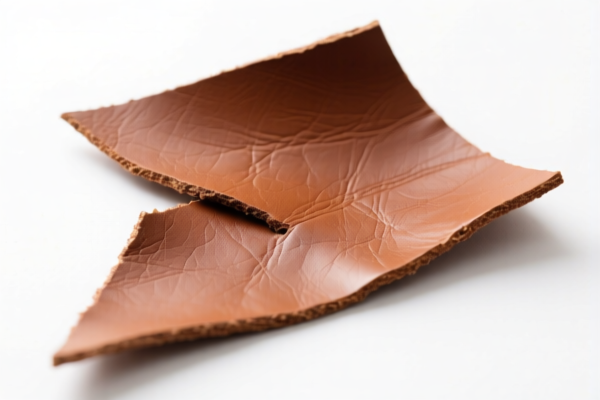
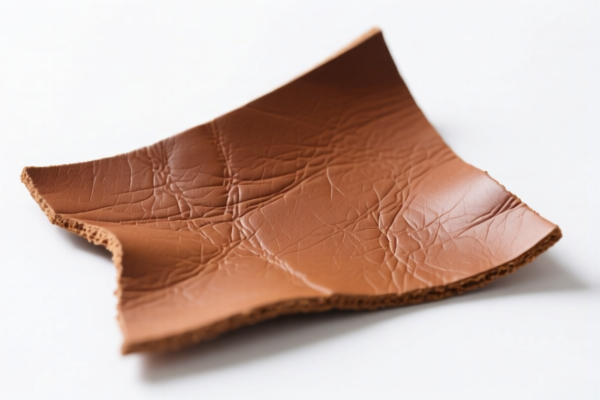
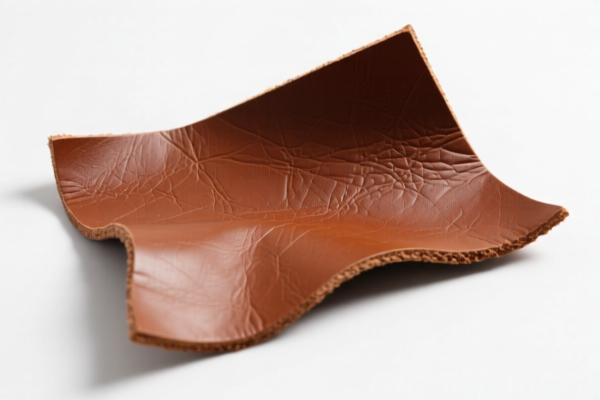

AI分析
🚗 Automotive Interior Leather Scrap (Leather Offcuts for Car Interiors)
🌐 HS Code Reference & Customs Clearance Guide | 2026 Latest Tariff Analysis | Professional Compliance Strategy
📌 I. Product Definition & Classification: Do You Really Understand "Leather Scrap"?
Leather scrap, specifically sourced for automotive interiors, refers to residual pieces of processed leather remaining from the manufacturing of car seats, dashboards, door panels, and steering wheels. In international trade, the classification hinges critically on two factors: Material Composition and Form/State.
Tanned Leather Offcuts (Raw Scrap): Pure leather pieces, not yet assembled into finished parts, but also not fully processed into new leather sheets. Composite Leather Scrap: Leather combined with other materials (e.g., fabric, plastic backing) in the scrap form. Used/Second-hand Leather: If the scrap is derived from dismantled used car interiors, it may be classified as "used goods."
⚠️ Key Distinction Point:
- Pure tanned leather offcuts without composite materials → Classify under Chapter 41 (Leather);
- Leather combined with other substrates → Classify under 4115.10 (Composite Leather);
- Scrap intended for recycling or raw material recovery → Classify under 6309.00 (Used Clothing/Textiles/Leather).
📦 II. HS Code Classification Details (2026 Latest Tariff Authority Comparison)
| HS Code | Product Description | Applicable Scenario | Material/State Requirement |
|---|---|---|---|
4115.20.00.00 |
Offcuts and other waste of leather (excluding leather of heading 41.13) | Primary Classification: Pure leather scraps from automotive interior manufacturing. Fits material and form requirements exactly. | ✅ Pure Leather Offcuts |
4115.10.00.00 |
Composite leather, in the sheet or rectilinear shape only, whether or not in rolls | Scrap consisting of composite leather (leather + other material). | ✅ Composite Material |
6309.00.00.10 |
Used articles of leather, classified as primary shapes or semi-finished products | Leather scraps that are used or recycled, categorized as semi-finished leather material. | ⚠️ Used/Semi-finished |
6309.00.00.20 |
Other used articles (including used leather goods) | General category for used leather scraps not fitting other specific subheadings. | ⚠️ Used Goods |
🔍 Key Reminder:
- New Manufacturing Scrap: If the leather offcuts are fresh from the production line (not used in vehicles), they must be classified under 4115 (Leather Waste), not 6309. Misclassification as "used goods" (6309) can lead to audits.
- Composite vs. Pure: If the scrap has a synthetic backing or fabric layer, it may fall under 4115.10 (Composite Leather) rather than standard leather waste.
- 6309 Applicability: Only applies if the material is explicitly used or second-hand. New offcuts should never be declared under 6309.
💰 III. 2026 Latest Tariff Rate Breakdown (Including Additional Duties & Policy Surcharges)
✅ Applicable Country: United States (US)
✅ Country of Origin: China (CN)
✅ Effective Date: November 10, 2025 onwards (including subsequent imports)
🎯 1. 4115.20.00.00 —— Pure Leather Offcuts/Waste
| Item | Detail |
|---|---|
| Base Duty Rate | 0.0% (ad valorem) |
| Section 301 Duty (Additional) | +7.5% |
| Section 122 Duty (IEEPA) | +10.0% |
| Total Tax Rate | 17.5% |
| Tax Calculation | CIF Value × 17.5% |
| De Minimis Eligibility | ❌ Not Applicable (de_minimis_denied) |
| Legal Basis Path | USITC:4115.20.00.00 → Section 301: 7.5% → IEEPA: Section 122: 10% |
📌 Explanation:
- Base Rate: 0% for leather waste under US HTSUS.
- Section 301: Standard 7.5% additional duty for Chinese-origin leather products.
- Section 122: Additional 10% duty imposed on specific Chinese goods under the International Emergency Economic Powers Act.
- Total: 17.5%. This is a moderate tariff, significantly lower than high-tech or consumer goods.
🎯 2. 4115.10.00.00 —— Composite Leather Scrap
| Item | Detail |
|---|---|
| Base Duty Rate | 0.0% |
| Section 301 Duty (Additional) | +25.0% |
| Section 122 Duty (IEEPA) | +10.0% |
| Total Tax Rate | 35.0% |
| Tax Calculation | CIF Value × 35.0% |
| De Minimis Eligibility | ❌ Not Applicable |
| Legal Basis Path | USITC:4115.10.00.00 → Section 301: 25% → IEEPA: Section 122: 10% |
📌 Note:
- Higher Section 301 Rate: Composite leather falls under a different subheading in Section 301 lists, attracting a 25% surcharge instead of 7.5%.
- Total: 35.0%. This is a high tariff rate. Importers must verify if the scrap is truly "composite" before declaring under 4115.10. If it is pure leather, misdeclaring as composite could lead to overpayment; however, underdeclaring pure leather as composite is risky if documentation proves otherwise.
🎯 3. 6309.00.00.10 & 6309.00.00.20 —— Used Leather Goods/Scrap
| Item | Detail |
|---|---|
| Base Duty Rate | 0.0% |
| Section 301 Duty (Additional) | +7.5% |
| Section 122 Duty (IEEPA) | +10.0% |
| Total Tax Rate | 17.5% |
| Tax Calculation | CIF Value × 17.5% |
| De Minimis Eligibility | ❌ Not Applicable |
| Legal Basis Path | USITC:6309.00.00.xx → Section 301: 7.5% → IEEPA: Section 122: 10% |
📌 Explanation:
- Same Rate as 4115.20: Despite being classified as "used goods," the total tariff remains 17.5% due to the same Section 301 (7.5%) and IEEPA (10%) application.
- Critical Distinction: Use 6309 only if the leather is genuinely used (e.g., from dismantled vehicles). Using 6309 for new manufacturing scraps is a violation of customs regulations and can result in penalties for misdeclaration.
🛠️ IV. Customs Clearance Practical Advice (Real-World Pitfall Avoidance)
✅ 1. Documentation Checklist (Mandatory)
| Document | Required | Description |
|---|---|---|
| ✅ Commercial Invoice | ✔️ | Must clearly state "Automotive Interior Leather Scrap," material type (pure vs. composite), and new vs. used status. |
| ✅ Packing List | ✔️ | Detail weight, dimensions, and packaging type. |
| ✅ Certificate of Origin (CO) | ✔️ | To prove origin as China (CN) for accurate Section 301/122 application. |
| ✅ Material Composition Statement | ✔️ | Crucial: Declare whether the scrap is 100% Tanned Leather or Composite. This determines 4115.20 vs. 4115.10. |
| ✅ Condition Statement | ✔️ | Explicitly state "New Manufacturing Offcuts" or "Used/Second-hand". Do not ambiguously label as "Leather Waste." |
| ✅ Photos of Goods | ✔️ | Show the actual state of the scrap (color, texture, backing if any) to support classification. |
✅ 2. Declaration Strategy (Key Mantras)
🔥 "Pure Leather = 4115.20 (17.5%), Composite = 4115.10 (35%), Used = 6309 (17.5%). New Scrap ≠ Used!"
| Scenario | Correct HS Code | Incorrect Practice | Consequence |
|---|---|---|---|
| New Pure Leather Offcuts | 4115.20.00.00 |
Declare as 6309 (Used) |
Misdeclaration Penalty: If inspected and proven new, fines and possible seizure. |
| New Pure Leather Offcuts | 4115.20.00.00 |
Declare as 4115.10 (Composite) |
Overpayment: Pay 35% instead of 17.5%. Hard to reclaim. |
| Composite Leather Scrap | 4115.10.00.00 |
Declare as 4115.20 (Pure) |
Underpayment Risk: If proven composite, customs will assess 35% + back taxes + penalties. |
| Used Dismantled Leather | 6309.00.00.20 |
Declare as 4115.20 (New) |
Import Ban/Refusal: Used leather may face sanitary or phytosanitary restrictions; new tariff rate doesn't apply. |
✅ 3. Special Cases & Handling
| Case | Handling Advice |
|---|---|
| Mixed Shipments (New + Used) | Do NOT mix. Ship separately with different HS codes. Mixed shipments lead to full inspection and potential rejection. |
| Composite Backing Unclear | Provide a Material Safety Data Sheet (MSDS) or Manufacturing Spec Sheet to prove whether it is pure leather or composite. |
| Small Samples | Even small samples of new leather scrap are subject to the 17.5% tariff if from China. De Minimis (Section 321) does not apply. |
| Recycling Claims | If claiming for recycling, provide a letter from the recycler confirming the end-use. However, this does not change the HS code or tariff rate. |
🌍 V. Global Market Comparison (2026 Latest)
| Country/Region | Recommended HS Code | Tariff Rate | Certification | Remarks |
|---|---|---|---|---|
| 🇺🇸 USA | 4115.20.00.00 |
17.5% (China) | None specific | 35% for composite. Section 301 & 122 apply. |
| 🇨🇳 China | 4115.20.00.00 |
0% - 5% | None | Low import duty for raw material recovery. |
| 🇪🇺 EU | 4115.20.00.00 |
0% | REACH | No Section 301 equivalent, but strict REACH compliance for chemical treatment. |
| 🇲🇽 Mexico | 4115.20.00.00 |
0% (under USMCA if eligible) | None | Check USMCA rules of origin if processed in Mexico. |
📌 Conclusion:
- USA is the most costly market for Chinese leather scrap due to Section 301 and 122 duties.
- EU and China offer lower tariff barriers, but EU requires strict environmental compliance (REACH).
- Composite leather attracts nearly double the duty in the US (35% vs 17.5%).
📌 VI. Common Errors & Pitfall Guide (Lessons Learned)
❌ Mistake 1: Declaring new leather offcuts as "Used" under 6309 to avoid scrutiny.
👉 Result: Customs inspection reveals manufacturing tags, dates, or newness. Fines for fraud + retroactive duties.
❌ Mistake 2: Ignoring composite backing and declaring pure leather under 4115.20.
👉 Result: If the backing is significant, customs may reclassify as 4115.10, leading to 17.5% underpayment penalty + interest.
❌ Mistake 3: Assuming "De Minimis" applies to small shipments.
👉 Result: Section 321 (De Minimis) excludes goods subject to Section 301 or IEEPA duties. Even small shipments of Chinese leather scrap are fully taxed.
✅ Correct Approach:
"Automotive Interior Leather Scrap, New, Pure Tanned Cowhide, 50kg, Baled, HTS 4115.20.00.00, Country of Origin: China"
🎯 VII. Conclusion: Precision in Classification, Savings in Duty
🎯 Remember the Mantra:
🔹 "New Pure = 4115.20 (17.5%), New Composite = 4115.10 (35%), Used = 6309 (17.5%). No De Minimis for China!"
🔹 "HS Code determines your cost. A 17.5% vs 35% difference can erase your profit margin."
📌 Pro Tip:
If your leather scrap is recycled into new leather sheets within China, ensure the export documentation clearly states "Recycled Leather Material" to avoid confusion at the US port. Consider applying for an HTSUS Ruling from US Customs and Border Protection (CBP) if your product is unique (e.g., complex composite structures).
📣 Immediate Action:
📞 Consult a licensed customs broker + Provide material specs + Verify "New vs. Used" status
🚀 Ensure smooth customs clearance, accurate taxation, and maximized profit for your leather scrap exports!
✨ Professional customs clearance starts with accurate classification!
💼 Every percentage point of duty counts!
用户评价
关于 HS 编码归类
协调制度(HS)是由世界海关组织(WCO)制定的国际贸易商品分类标准。全球 200 多个国家采用 HS 系统作为海关关税、贸易统计和进出口监管的基础。
每个 HS 编码遵循以下层级结构:
- 章(2 位)——商品大类(例如:第 84 章:机器和机械设备)
- 品目(4 位)——章内的更具体分类
- 子目(6 位)——国际通用细分,所有 WCO 成员国统一使用
- 本国细分(8-10 位)——各国自行扩展的细分编码,如美国 HTSUS 10 位编码
正确的 HS 编码归类对于顺利通关、准确缴纳关税和遵守贸易法规至关重要。错误归类可能导致海关延误、多缴关税或罚款。
从CN进口到US时,适用的关税税率可能包括:
- 最惠国(MFN)税率——适用于 WTO 成员国的标准关税税率
- 普通税率——适用于无贸易协定国家
- 贸易救济关税——附加关税,如 301 条款(反倾销)、232 条款(国家安全)或反补贴税
本页内容仅供参考。如需正式归类,请咨询当地海关或持牌报关代理。