Automotive Sealant Black
CN → US| HS编码 | 关税税率 | 原产国 | 目的国 | 文档 |
|---|---|---|---|---|
| 3926904510 | 38.5% | CN | US | 官方文档 |
| 3214100020 | 38.7% | CN | US | 官方文档 |
| 4016931020 | 37.5% | CN | US | 官方文档 |
| 3214100010 | 38.7% | CN | US | 官方文档 |
商品图片

AI分析
🚗 Automotive Sealant Black (Automotive Sealant)
🌐 HS Code Reference & Customs Clearance Guide | 2026 Latest Tariff Analysis | Professional Clearance Strategy
📌 Part 1: Product Definition & Classification – Do You Really Understand "Automotive Sealant"?
Automotive sealant is a critical material used in vehicle manufacturing, assembly, and maintenance. It serves three primary functions: sealing, bonding, and vibration damping. In international trade, the classification depends heavily on its physical state (liquid paste vs. solid gasket) and chemical composition (rubber-based vs. synthetic polymer).
For "Black Automotive Sealant," the key distinction is: * Is it a liquid/paste applied during assembly? → Likely classified under Chapter 32 (Prepared binders, sealants, caulking compounds). * Is it a solid pre-formed gasket or strip? → Likely classified under Chapter 39 (Plastics) or Chapter 40 (Rubber).
⚠️ Key Distinction Point:
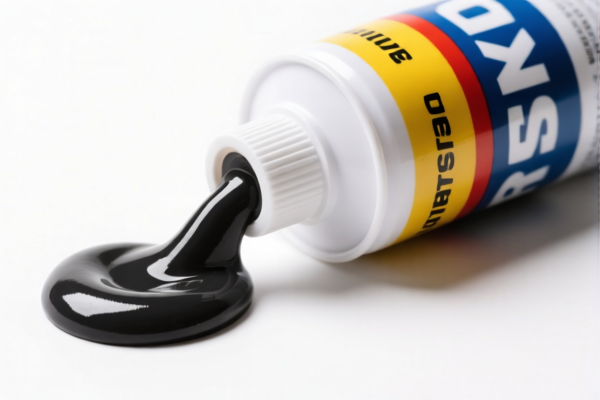
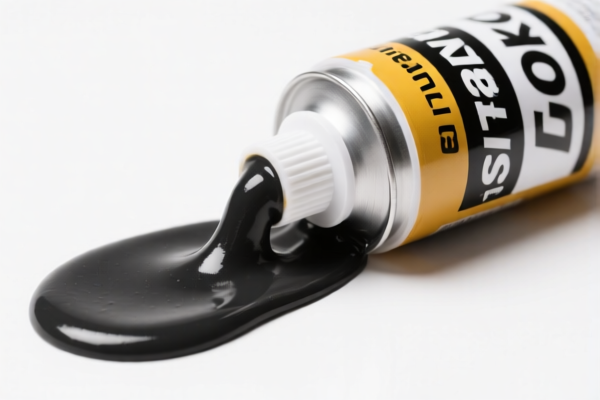
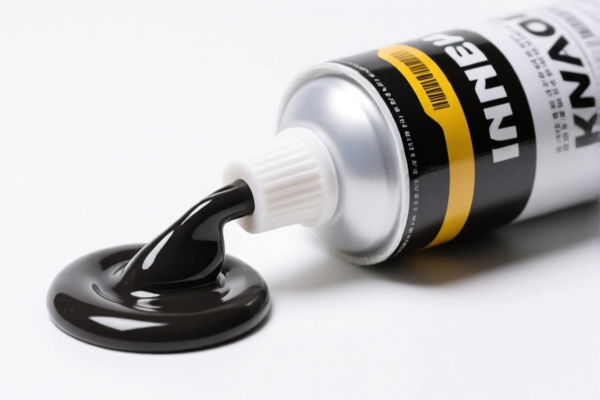
- If the product is a viscous paste/liquid dispensed from a cartridge or tube → HS Code 3214 (Sealants/Caulking Compounds).
- If the product is a solid gasket/ring (even if made of synthetic material) → HS Code 3926 (Plastic articles) or 4016 (Rubber articles).
📦 Part 2: HS Code Classification Details (2026 Latest Tariff Authoritative Comparison)
Based on the provided data, here are the four possible classifications for "Automotive Sealant Black" and the logic behind each.
| HS Code | Product Description | Application Scenario | Basis for Classification |
|---|---|---|---|
3214.10.00.20 |
Sealants (Mastics), Other | Liquid/Paste Sealant: General purpose black sealant for auto body sealing, window bonding, or gap filling. | Success. Matches "Sealants (Mastics)". Inferred chemical base aligns with "Other" sealants. |
3214.10.00.10 |
Caulking Compounds | Liquid/Paste Sealant: Specifically identified as "Caulking" due to its application in sealing joints. | Success. "Caulking compounds" perfectly matches the use case of "Sealant". "Black" is a visual attribute, not a chemical determinant. |
3926.90.45.10 |
Plastic Articles - Sealing Gaskets | Solid Gasket/Washer: If the "sealant" is actually a pre-formed plastic gasket or strip used for sealing. | Logic: Item is for sealing; material inferred as synthetic plastic/rubber; form fits "Gasket/Sealing Part". |
4016.93.10.20 |
Rubber Articles - Other Sealing Gaskets | Solid Rubber Gasket: If the "sealant" is a vulcanized rubber seal/gasket. | Logic: Auto sealing component; material inferred as vulcanized rubber; fits "Other sealing parts" logic. |
🔍 Critical Reminder:
- Liquid/Paste forms (tubes, cartridges) → Chapter 32 (3214).
- Solid/Pre-formed forms (gaskets, rings) → Chapter 39 (3926) or Chapter 40 (4016).
- Misclassifying a paste as a gasket (or vice versa) is a high-risk error leading to detention.
💰 Part 3: 2026 Latest Tariff Rate Breakdown (Including Surcharges & Policy Add-ons)
✅ Applicable Country: United States (US)
✅ Country of Origin: China (CN)
✅ Effective Date: 2025 Nov 10 onwards (for subsequent imports)
🎯 1. 3214.10.00.20 – Sealants (Mastics), Other
| Item | Details |
|---|---|
| Base Tariff | 3.7% |
| Section 301 Surtax | +25.0% |
| 122 Clause Tariff | +10.0% |
| Total Effective Rate | 38.7% |
| Tax Calculation | CIF Value × 38.7% |
| De Minimis Eligibility | ❌ No (Generally denied for chemical sealants from CN) |
| Legal Basis Path | Base:3214.10.00.20 → 301:25% → 122 Clause:10% |
📌 Explanation:
- This is a liquid/paste sealant.
- The 25% Section 301 tariff applies to most chemical products from China.
- The 10% 122 Clause tariff is an additional surcharge targeting specific industrial inputs.
- Total: 38.7%. This is a high-cost item for importers.
🎯 2. 3214.10.00.10 – Caulking Compounds
| Item | Details |
|---|---|
| Base Tariff | 3.7% |
| Section 301 Surtax | +25.0% |
| 122 Clause Tariff | +10.0% |
| Total Effective Rate | 38.7% |
| Tax Calculation | CIF Value × 38.7% |
| De Minimis Eligibility | ❌ No |
| Legal Basis Path | Base:3214.10.00.10 → 301:25% → 122 Clause:10% |
📌 Note:
- Technically almost identical to3214.10.00.20in terms of tax burden.
- The distinction between "Mastics" and "Caulking compounds" is often semantic in customs declaration if the product is a generic black auto sealant.
- Same 38.7% rate.
🎯 3. 3926.90.45.10 – Plastic Articles (Gaskets/Seals)
| Item | Details |
|---|---|
| Base Tariff | 3.5% |
| Section 301 Surtax | +25.0% |
| 122 Clause Tariff | +10.0% |
| Total Effective Rate | 38.5% |
| Tax Calculation | CIF Value × 38.5% |
| De Minimis Eligibility | ❌ No |
| Legal Basis Path | Base:3926.90.45.10 → 301:25% → 122 Clause:10% |
📌 Warning:
- This code is for solid plastic gaskets/seals, not liquid sealant.
- If you declare a liquid paste as this code, CBP will likely reject it.
- Rate: 38.5% (Slightly cheaper than 3214 due to 0.2% lower base rate, but risk of misclassification is severe).
🎯 4. 4016.93.10.20 – Rubber Articles (Gaskets/Seals)
| Item | Details |
|---|---|
| Base Tariff | 2.5% |
| Section 301 Surtax | +25.0% |
| 122 Clause Tariff | +10.0% |
| Total Effective Rate | 37.5% |
| Tax Calculation | CIF Value × 37.5% |
| De Minimis Eligibility | ❌ No |
| Legal Basis Path | Base:4016.93.10.20 → 301:25% → 122 Clause:10% |
📌 Note:
- This code is for solid rubber gaskets.
- It has the lowest base rate (2.5%) among the four options.
- Rate: 37.5%.
- Crucial: Only use this if the product is a pre-formed rubber seal, NOT a liquid sealant.
🛠️ Part 4: Customs Clearance Practical Advice (Real-World Pitfall Avoidance)
✅ 1. Preparation Checklist (Non-negotiable)
| Document | Required? | Explanation |
|---|---|---|
| ✅ Product Spec Sheet | ✔️ | Must detail: Physical State (Liquid/Solid), Chemical Composition (Silicone, Polyurethane, Rubber?), Curing Time. |
| ✅ Product Photos | ✔️ | Clear images of the packaging (tube, cartridge, box) AND the product itself. Crucial for distinguishing paste vs. solid gasket. |
| ✅ Commercial Invoice | ✔️ | Must accurately describe: "Black Automotive Sealant (Paste)" or "Black Rubber Gasket". |
| ✅ Safety Data Sheet (SDS) | ✔️ | Required for chemical imports. CBP will verify if it’s a hazardous material. |
| ✅ Packing List | ✔️ | Net/Gross weight, dimensions. |
✅ 2. Declaration Strategy (Key Mantras)
🔥 "Liquid is 3214, Solid is 3926/4016. Name it Right or Pay the Price!"
| Scenario | Correct Declaration | Wrong Action |
|---|---|---|
| Tube/Cartridge Paste | 3214.10.00.10 or .20 |
Declare as "Plastic Part" → Smuggling/Misclassification Risk |
| Pre-formed Rubber Ring | 4016.93.10.20 |
Declare as "Sealant" → CBP Questioning |
| Pre-formed Plastic Washer | 3926.90.45.10 |
Declare as "Chemical" → Unnecessary Inspection |
| Mix of Both | Separate Lines | Combined Declaration → Delay/Fines |
✅ 3. Special Handling Tips
| Situation | Advice |
|---|---|
| OEM Custom Sealant | Provide the OEM specification sheet showing it’s for automotive use. |
| Hazardous Content | If the sealant contains solvents, declare as HazMat to avoid port refusal. |
| Origin Marking | Ensure the product packaging is marked "Made in China" to avoid 301/122 clause disputes. |
| Value Declaration | Declare accurately. Low-balling leads to audits and penalty fees (Liquidated Damages). |
🌍 Part 5: Global Market Comparison (2026 Latest)
| Country/Region | Recommended HS Code | Tariff Rate (CN Origin) | Certification | Notes |
|---|---|---|---|---|
| 🇺🇸 USA | 3214.10.00.10/.20 |
38.7% | None specific | High tariff due to 301 + 122 Clause. |
| 🇪🇺 EU | 3214.10.00 |
6.8% (approx) | REACH | No 301/122. Standard MFN rate. |
| 🇨🇳 China | 3214.10.00 |
12% | CCC (if applicable) | Import tax only. |
| 🇲🇽 Mexico | 3214.10.00 |
0% (if USMCA) | NOM | Potential for duty-free if rules of origin met. |
📌 Conclusion:
- USA is the most expensive market for this product due to 38.7% total tariff.
- EU and others are significantly cheaper.
- For US imports, cost planning must include the full 38.7%.
📌 Part 6: Common Mistakes & Pitfall Guide (Lessons Learned)
❌ Mistake 1: Declaring a liquid paste as a plastic part (3926) to hide the chemical nature.
👉 Consequence: CBP detects chemical content via SDS inspection → Seizure + Penalty.
❌ Mistake 2: Using vague descriptions like "Auto Part" or "Glue".
👉 Consequence: CBP assigns highest possible duty or holds shipment for Classification Audit.
❌ Mistake 3: Ignoring the 122 Clause.
👉 Consequence: Underpayment of duties → Interest + Penalties.
✅ Correct Practice:
"Black Automotive Sealant, Polyurethane-based Paste, in Cartridge, For Window Sealing, Made in China"
🎯 Part 7: Conclusion – Professional Declaration Saves Money!
🎯 Remember the Mantras:
🔹 "Paste is Chemical (3214), Solid is Material (39/40)."
🔹 "38.7% is the US Reality for Sealants from China."
🔹 "122 Clause is 10% – Don’t Forget It!"
📌 Pro Tip:
If you are importing large volumes, consider applying for a Binding Tariff Ruling (BTR) from CBP. This provides legal certainty on your HS Code and protects you from future audit penalties.
📣 Immediate Action:
📞 Consult a licensed US Customs Broker.
📄 Provide Product Photos + SDS + Spec Sheet.
🚀 Accurate Classification is your first step to smooth clearance and cost control!
✨ Professional Customs Clearance Starts with Precision!
💼 Every Percent of Tariff Counts – Know Your HS Code!
用户评价
关于 HS 编码归类
协调制度(HS)是由世界海关组织(WCO)制定的国际贸易商品分类标准。全球 200 多个国家采用 HS 系统作为海关关税、贸易统计和进出口监管的基础。
每个 HS 编码遵循以下层级结构:
- 章(2 位)——商品大类(例如:第 84 章:机器和机械设备)
- 品目(4 位)——章内的更具体分类
- 子目(6 位)——国际通用细分,所有 WCO 成员国统一使用
- 本国细分(8-10 位)——各国自行扩展的细分编码,如美国 HTSUS 10 位编码
正确的 HS 编码归类对于顺利通关、准确缴纳关税和遵守贸易法规至关重要。错误归类可能导致海关延误、多缴关税或罚款。
从CN进口到US时,适用的关税税率可能包括:
- 最惠国(MFN)税率——适用于 WTO 成员国的标准关税税率
- 普通税率——适用于无贸易协定国家
- 贸易救济关税——附加关税,如 301 条款(反倾销)、232 条款(国家安全)或反补贴税
本页内容仅供参考。如需正式归类,请咨询当地海关或持牌报关代理。