Autumn Style Clothing
CN → US| HS编码 | 关税税率 | 原产国 | 目的国 | 文档 |
|---|---|---|---|---|
| 6202402020 | 45.2% | CN | US | 官方文档 |
| 6202302050 | 26.4% | CN | US | 官方文档 |
| 6203424518 | 34.1% | CN | US | 官方文档 |
| 6203490515 | 45.4% | CN | US | 官方文档 |
| 6201302050 | 26.9% | CN | US | 官方文档 |
商品图片
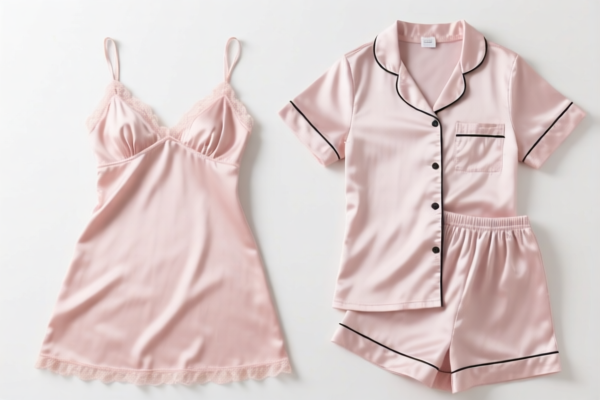
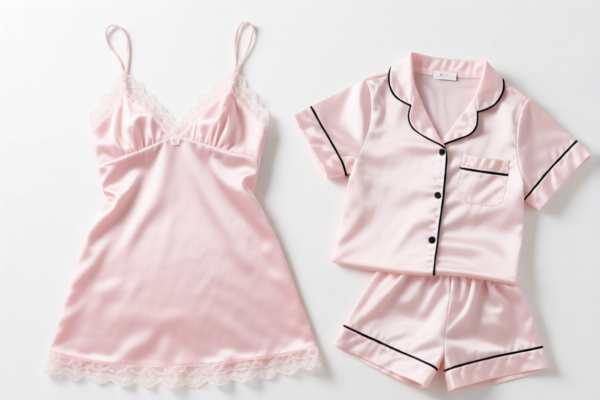
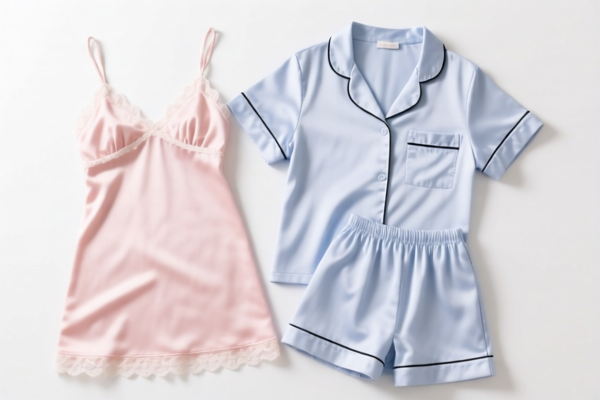
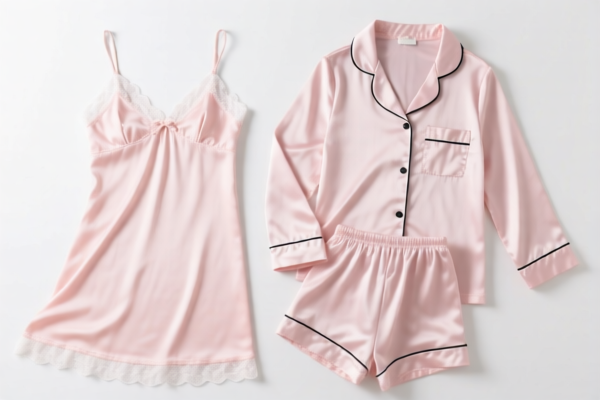
AI分析
👗 Autumn Style Clothing (Fall Fashion Apparel)
🌐 HS Code Reference & Clearance Guide | 2026 Latest Tariff Analysis | Strategic Customs Clearance Strategy
📌 I. Product Definition & Classification: What Exactly is "Autumn Clothing"?
"Autumn Style Clothing" is a broad commercial term used to describe garments suitable for cooler weather. In international trade, there is no single HS Code for "Autumn Clothing." Instead, classification depends entirely on gender, material, and garment type (e.g., coat, trousers, jacket).
Based on the provided data, these items are generally classified under Chapter 62 (Articles of Apparel and Clothing Accessories, not knitted or crocheted). The classification relies on "residual category" (catch-all) logic when specific materials or exact types aren't fully defined.
⚠️ Critical Distinction:
- Outerwear/Coats (Jackets, Parkas, Trench Coats) → Typically fall under 6201 (Men/Boys) or 6202 (Women/Girls).
- Trousers/Pants (Jeans, Chinos, Trousers) → Typically fall under 6203 (Men/Boys) or 6204 (Women/Girls).
- Material Matters: Cotton, Synthetic Fibers, or Other Textiles drastically change the tariff rate.
📦 II. HS Code Classification Details (Based on Provided Data)
The following HS Codes are inferred from the "Autumn Clothing" description based on common garment structures (Outerwear vs. Trousers) and material assumptions (Cotton vs. Others).
| HS Code | Product Description & Inference | Total Tax Rate | Tax Breakdown Details |
|---|---|---|---|
6202.40.20.20 |
Women’s/Girls’ Trench Coats & Similar Garments Inference: Classified as "Outerwear" based on residual category principles. High tariff implies specific fabric/composition restrictions. |
45.2% | Base: 27.7% Section 301: 7.5% Section 122: 10% |
6202.30.20.50 |
Women’s/Girls’ Anoraks, Windbreakers, & Similar Garments Inference: Fits outerwear morphology; inferred to contain Cotton or similar fibers without exclusion conflicts. |
26.4% | Base: 8.9% Section 301: 7.5% Section 122: 10% |
6203.42.45.18 |
Men’s/Boys’ Trousers & Breeches (Cotton) Inference: Matches purpose of men's pants/breeches; inferred to contain Cotton components. |
34.1% | Base: 16.6% Section 301: 7.5% Section 122: 10% |
6203.49.05.15 |
Men’s/Boys’ Trousers & Breechers (Other Textile Materials) Inference: Residual category for textile-made apparel, fitting men's pants/breeches logic. |
45.4% | Base: 27.9% Section 301: 7.5% Section 122: 10% |
6201.30.20.50 |
Men’s/Boys’ Trench Coats, Anoraks, & Windbreakers Inference: Matches men's outerwear usage; inferred to be Cotton or other fiber materials. |
26.9% | Base: 9.4% Section 301: 7.5% Section 122: 10% |
🔍 Key Observation:
- Section 122 Tariff (10%) applies to all listed items. This is a critical cost driver.
- Section 301 Tariff (7.5%) applies to all listed items.
- Base Tariffs vary significantly (8.9% to 27.9%) depending on the specific garment type and material.
- "Outerwear" (Coats/Jackets) tends to have higher base tariffs than "Windbreakers/Anoraks" or "Cotton Trousers" in this dataset.
💰 III. 2026 Latest Tariff Rate Analysis (Detailed Breakdown)
✅ Applicable Country: United States (US)
✅ Origin: China (CN)
✅ Effective Date: 2025/2026 (Current Trade Environment)
🎯 1. High-Tax Outerwear: 6202.40.20.20 & 6203.49.05.15
- Total Rate: ~45%
- Components:
- Base Duty: 27.7% - 27.9%
- Section 301: +7.5%
- Section 122: +10%
- Legal Basis: USITC Harmonized Tariff Schedule (HTSUS) + Executive Orders under Section 122 & 301.
- Analysis: These items face the highest duty burden. The high base duty suggests they are classified under less favorable subheadings, possibly due to material composition (e.g., specific synthetic blends or non-cotton fabrics) or lack of preferential trade status.
🎯 2. Mid-Tax Outerwear: 6201.30.20.50
- Total Rate: 26.9%
- Components:
- Base Duty: 9.4%
- Section 301: +7.5%
- Section 122: +10%
- Analysis: Men’s trench coats/anoraks have a lower base duty than women’s equivalent, resulting in a significantly lower total tax burden.
🎯 3. Low-Tax Outerwear & Trousers: 6202.30.20.50 & 6203.42.45.18
- Total Rate: 26.4% - 34.1%
- Components:
- Base Duty: 8.9% - 16.6%
- Section 301: +7.5%
- Section 122: +10%
- Analysis:
- Women’s Anoraks/Windbreakers (
6202.30...): Lowest total rate (26.4%) due to a very low base duty (8.9%). - Men’s Cotton Trousers (
6203.42...): Moderate rate (34.1%) due to higher base duty (16.6%) but still lower than high-tax coats.
- Women’s Anoraks/Windbreakers (
🛠️ IV. Customs Clearance Practical Advice (Pitfall Avoidance Guide)
✅ 1. Essential Documentation Checklist
| Document | Required? | Description |
|---|---|---|
| ✅ Commercial Invoice | ✔️ | Must clearly state "Garment for Men/Women," "Material Composition (e.g., 100% Cotton)," and "HS Code." |
| ✅ Packing List | ✔️ | Detail contents per box. Avoid mixing different HS Codes in one shipment if possible to simplify clearance. |
| ✅ Product Description | ✔️ | Specify: "Women's Cotton Trench Coat" or "Men's Synthetic Windbreaker." Vague terms like "Autumn Clothes" will cause delays. |
| ✅ Material Declaration | ✔️ | Crucial! Base duty varies by material. Misdeclaring "Cotton" as "Synthetic" can lead to false declaration penalties. |
| ✅ Origin Certificate | ❌ (Optional) | If applicable for other markets, but for US-China, origin is China, so no preference applies. |
✅ 2. Declaration Strategy (Key Mantras)
🔥 "Specify Gender, Specify Material, Specify Type!"
| Scenario | Correct Declaration | Incorrect Declaration |
|---|---|---|
| Women’s Coat | "Women's Cotton Trench Coat, HS 6202.40.20.20" | "Women's Autumn Jacket" |
| Men’s Pants | "Men's Cotton Trousers, HS 6203.42.45.18" | "Men's Fall Pants" |
| Windbreaker | "Men's Synthetic Windbreaker, HS 6201.30.20.50" | "Men's Outerwear" |
✅ 3. Special Considerations
| Issue | Advice |
|---|---|
| "Section 122 Tariff" (10%) | This is a non-negotiable surcharge for most Chinese apparel. Factor this into your cost model. |
| Material Mismatch | If the invoice says "Polyester" but the HS code implies "Cotton," customs will inspect and possibly reclassify, leading to delays and higher duties. |
| Kitting/Packaging | If selling "Autumn Sets" (Jacket + Pants), declare each item separately according to its own HS code. Do not bundle them into one generic code. |
| Pre-Arrival Review | For large shipments, consider CBP Prioritization or Advance Ruling to confirm the specific subheading, especially for borderline cases between 6202.30 and 6202.40. |
🌍 V. Global Market Comparison (2026 Overview)
| Market | Recommended HS Code (Example) | Estimated Duty | Notes |
|---|---|---|---|
| 🇺🇸 USA | 6202.40.20.20 |
45.2% | High duties due to Section 301 + Section 122. |
| 🇨🇳 China | 6202.40.20.20 |
~10-14% | Lower base duties, no Section 301/122. |
| 🇪🇺 EU | 6202.40.20.20 |
~12% | Standard MFN duty, no major US-style surcharges. |
| 🇬🇧 UK | 6202.40.20.20 |
~12% | Post-Brexit standard duties apply. |
📌 Conclusion:
The USA market is the most challenging for Chinese apparel due to the叠加 (stacking) of Section 301 and Section 122 tariffs.
Strategy: Optimize supply chain for non-US markets or focus on high-margin items to absorb the ~45% duty. For US shipments, precise HS classification is vital to avoid paying 45% when a 26% rate might apply (e.g., classifying a windbreaker as a trench coat).
📌 VI. Common Errors & Pitfalls (Lessons Learned)
❌ Error 1: Using generic terms like "Autumn Clothes" in the declaration.
👉 Consequence: Customs holds the shipment for classification review, causing delays and storage fees.
❌ Error 2: Misidentifying Material Composition.
👉 Consequence: A "Cotton Coat" declared as "Synthetic" may face a different base duty, leading to underpayment penalties or reclassification to a higher-duty code.
❌ Error 3: Ignoring Section 122.
👉 Consequence: Budgeting only for Base + 301 tariffs. Forgetting the additional 10% Section 122 leads to unexpected cash flow issues.
❌ Error 4: Assuming all Outerwear is the Same.
👉 Consequence: A "Trench Coat" (6202.40) has a much higher base duty than an "Anorak" (6202.30). Misclassification can cost 18%+ in extra duties.
✅ Correct Approach:
"Women's 100% Cotton Trench Coat, Autumn Collection, HS Code 6202.40.20.20, Origin: China"
🎯 VII. Conclusion: Precision in Classification Saves Money!
🎯 Remember the Golden Rules:
🔹 "Material is King, Gender is Queen, Type is the Crown."
🔹 "Section 122 is Always 10% for China Apparel – Budget for It!"
🔹 "Don't Guess the HS Code – Verify the Base Duty!"
✨ Professional Clearance Starts with Accurate Classification!
💼 Every Percentage Point Saved is Pure Profit!
📣 Immediate Action:
📞 Contact Your Customs Broker with detailed product specs (Material, Gender, Style)
🚀 Verify HS Codes against the latest HTSUS to avoid Section 122/301 surprises!
用户评价
关于 HS 编码归类
协调制度(HS)是由世界海关组织(WCO)制定的国际贸易商品分类标准。全球 200 多个国家采用 HS 系统作为海关关税、贸易统计和进出口监管的基础。
每个 HS 编码遵循以下层级结构:
- 章(2 位)——商品大类(例如:第 84 章:机器和机械设备)
- 品目(4 位)——章内的更具体分类
- 子目(6 位)——国际通用细分,所有 WCO 成员国统一使用
- 本国细分(8-10 位)——各国自行扩展的细分编码,如美国 HTSUS 10 位编码
正确的 HS 编码归类对于顺利通关、准确缴纳关税和遵守贸易法规至关重要。错误归类可能导致海关延误、多缴关税或罚款。
从CN进口到US时,适用的关税税率可能包括:
- 最惠国(MFN)税率——适用于 WTO 成员国的标准关税税率
- 普通税率——适用于无贸易协定国家
- 贸易救济关税——附加关税,如 301 条款(反倾销)、232 条款(国家安全)或反补贴税
本页内容仅供参考。如需正式归类,请咨询当地海关或持牌报关代理。