Autumn Suit Jackets
CN → US| HS编码 | 关税税率 | 原产国 | 目的国 | 文档 |
|---|---|---|---|---|
| 6202302050 | 26.4% | CN | US | 官方文档 |
| 6202402020 | 45.2% | CN | US | 官方文档 |
| 6203424518 | 34.1% | CN | US | 官方文档 |
| 6203490515 | 45.4% | CN | US | 官方文档 |
商品图片
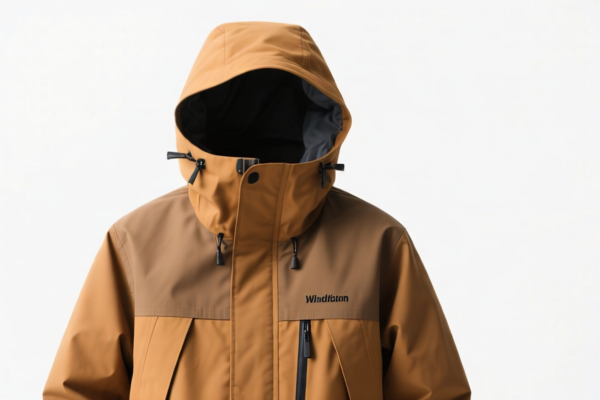
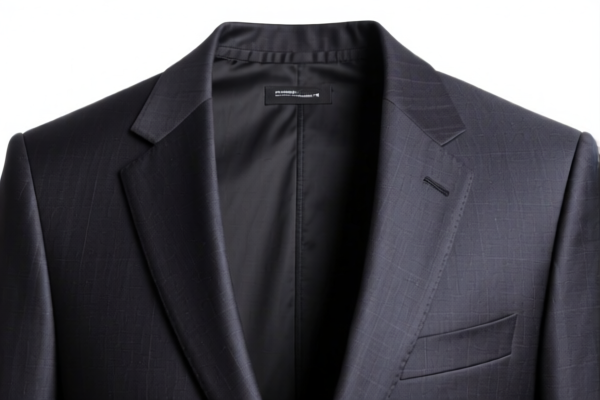
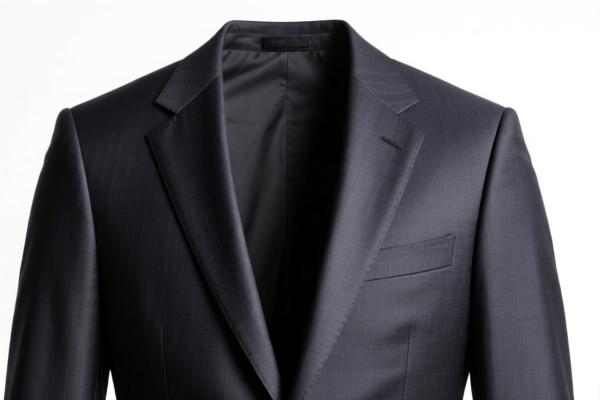
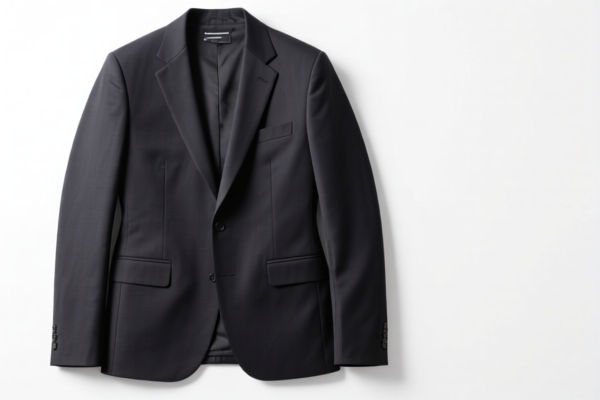
AI分析
🧥 Autumn Suit Jackets: HS Code Classification & 2026 Duty Strategy
🌐 Official HS Code Guide & Tariff Breakdown | 2026 Import Alert | US Market Focus
📌 Overview: This guide analyzes the classification and tariff liability for Autumn Suit Jackets imported into the US. Based on the provided data, these items fall under the "Outerwear" and "Trousers/Pants" categories, heavily impacted by the "Section 232" (Steel/Aluminum) and "Section 301" (China Trade War) policies.
⚠️ CRITICAL WARNING: Autumn Suit Jackets are NOT simple clothing. They are often subject to the 3rd Party Tariff (122 Clause) and significant Additional Duties, resulting in a total tax burden ranging from 26.4% to 45.4%. Misclassification can lead to severe penalties or cargo seizure.
📦 I. HS Code Classification Matrix (2026 Authoritative Reference)
Based on the input data, Autumn Suit Jackets and their components are classified into four specific HS Codes. The classification depends on the material composition (Cotton vs. Other Textiles) and the specific garment type (Jacket vs. Pants).
| HS Code | Product Description & Logic | Material Logic | Tax Category |
|---|---|---|---|
| 6202.30.20.50 | Autumn Women's Suit Jackets Classified as "Outerwear" with specific autumn features. |
Cotton-based (Inferred: Cotton composition) | 26.4% |
| 6202.40.20.20 | Autumn Women's Suit Jackets (Generic/Other) Classified under "Outerwear" via the Residual/Catch-all Clause (兜底类目). |
Non-Cotton / Mixed / Synthetic (Fallback category) | 45.2% |
| 6203.42.45.18 | Autumn Men's Trousers & Jodhpurs Classified as "Men's Trousers" fitting the specific use case. |
Cotton-based (Inferred: Cotton content) | 34.1% |
| 6203.49.05.15 | Autumn Men's Trousers & Jodhpurs (Generic) Classified as "Textile Garments" via Catch-all Logic. |
Non-Cotton / Other Textiles (Fallback category) | 45.4% |
🔍 Key Logic: 1. 6202 Series: Refers to Women's outerwear (Jackets). 2. 6203 Series: Refers to Men's trousers/pants. 3. Sub-codes: The second digit (e.g.,
.30vs.40) often distinguishes between Cotton (30) and Other Materials (40). 4. Fallback: Codes ending in.20or.05indicate "Residual" categories for materials not explicitly covered, often attracting higher tariffs.
💰 II. 2026 Tariff Structure & Detailed Breakdown
✅ Target Market: United States (US)
✅ Origin: China (CN) - Implied by the "122 Clause" reference
✅ Applicable Period: 2026 (Current & Projected)
🎯 Scenario A: The "Cotton" Advantage (Lower Tax)
Applicable HS Codes: 6202.30.20.50 | 6203.42.45.18
Typical for 100% Cotton or Cotton-dominant Autumn Suits.
| Tax Component | Rate | Source / Clause | Explanation |
|---|---|---|---|
| Base Tariff | 8.9% | MFN / Most Favored Nation | Standard US import duty for woven cotton garments. |
| Section 301 (Add-on) | 7.5% | US Trade Act 301 | China-specific punitive tariff on textiles/apparel. |
| Section 122 (Add-on) | 10.0% | IEEPA / Section 122 | Specific punitive tariff targeting Chinese textile imports (The "122 Clause"). |
| 💰 TOTAL TAX | 26.4% | Significantly lower than synthetic alternatives. |
📌 Analysis: If your suit jackets are Cotton-based, you save ~19% in total duty compared to non-cotton items. This is the primary cost-saving strategy.
🎯 Scenario B: The "Residual" Trap (High Tax)
Applicable HS Codes: 6202.40.20.20 | 6203.49.05.15
Typical for Synthetic, Polyester, Blends not covered by specific cotton codes, or misclassified fallback items.
| Tax Component | Rate | Source / Clause | Explanation |
|---|---|---|---|
| Base Tariff | 27.7% - 27.9% | Residual / Higher Base | High base duty applied to "Other Textile" outerwear/pants. |
| Section 301 (Add-on) | 7.5% | US Trade Act 301 | China-specific punitive tariff. |
| Section 122 (Add-on) | 10.0% | IEEPA / Section 122 | Specific punitive tariff on Chinese textile imports. |
| 💰 TOTAL TAX | 45.2% - 45.4% | EXTREMELY HIGH. Nearly double the cotton rate. |
📌 Analysis: The Base Tariff jumps from ~9% to ~28% when moving from Cotton to "Other" categories. Combined with the 17.5% additional duties, the Total Tax hits ~45%. This is a profit-killer for high-volume clothing imports.
🛠️ III. Customs Clearance & Operational Strategy (Action Plan)
✅ 1. Material Verification (The Golden Rule)
- Action: Before shipping, conduct a rigorous Fiber Content Test (ISO 17790).
- Why: The difference between
6202.30...(26.4%) and6202.40...(45.2%) is purely Material. - Requirement: Ensure the label and Commercial Invoice explicitly state "100% Cotton" or "Cotton Content > 50%" if aiming for the 26.4% rate.
- Risk: If the fabric is a Polyester-Cotton Blend (e.g., 60% Poly, 40% Cotton), it may be forced into the 45% category.
✅ 2. Invoice Description Precision
- DO NOT WRITE: "Autumn Suit" (Too vague).
- DO WRITE: "Women's Autumn Jacket, 100% Cotton, Woven, Outerwear, [Model Name]".
- DO WRITE: "Men's Autumn Trousers, 100% Cotton, Woven, [Model Name]".
- Reason: CBP (Customs) will reject vague terms and may force a fallback classification (higher tax) if material details are missing.
✅ 3. Handling the "122 Clause"
- Context: The 10% additional duty is specific to Section 122.
- Strategy: There is no de minimis exemption for this tariff. Every item is taxed.
- Mitigation: Do not try to split the shipment into small parcels to avoid taxes; the 122 clause applies to the value of the goods, regardless of shipment size.
✅ 4. Packing & Declaration
- Instruction: If shipping a Suit Set (Jacket + Trousers):
- Jacket (6202.30.20.50) + Trousers (6203.42.45.18) = Average Tax ~30%.
- Risk: If the pants are misclassified as "Other Textiles" (6203.49...), the tax on that part jumps to 45%.
- Action: Separate the declaration lines for Jackets and Trousers to ensure accurate material-based classification for each.
🚨 IV. Common Pitfalls & Red Flags (Don't Ignore)
| ❌ Mistake | ⚠️ Consequence | 💡 Solution |
|---|---|---|
| Misidentifying Material | Declaring "Polyester" as "Cotton" to save tax. | Result: Seizure, Penalty, 2-3x Back Taxes. Fix: Get lab test reports for every batch. |
| Vague HS Code | Using a general "Other Clothing" code. | Result: CBP assigns the highest possible residual tax (45%). Fix: Use specific 6202.30 or 6203.42 codes if cotton. |
| Ignoring 122 Clause | Calculating only Base + 301. | Result: Under-declaring by 10% on every shipment. Fix: Add 10% to your cost calculation immediately. |
| Splitting Sets Incorrectly | Declaring a Jacket and Pants as one "Set". | Result: CBP may split them and apply different taxes, causing delays. Fix: Declare items individually if HS Codes differ significantly. |
🌍 V. Global Market Comparison (2026 Outlook)
| Region | Base Tariff | Additional Taxes | Total (Cotton) | Notes |
|---|---|---|---|---|
| 🇺🇸 USA | 8.9% | +17.5% (301+122) | 26.4% | Highest Barrier. Strict enforcement. |
| 🇪🇺 EU | ~12% | 0% | ~12% | No 122 clause. Favorable for cotton. |
| 🇨🇳 China | 9% | 0% | 9% | Export market (No import tax here). |
📌 Conclusion: The US Market is the most expensive for Autumn Suit Jackets due to the combination of Base Tariff + 301 + 122. * Strategy: If your product is Cotton, you are "lucky" (26.4% vs 45%). * Strategy: If your product is Synthetic/Blended, prepare for a 45% duty hit.
🎯 VI. Final Recommendation: The "Cotton" Strategy
To minimize costs for Autumn Suit Jackets:
- Material is King: Prioritize 100% Cotton fabrics to qualify for 6202.30.20.50 / 6203.42.45.18.
- Avoid the "Other" Bucket: If the blend is <50% cotton, you will likely fall into the 45.2% trap. Re-evaluate sourcing.
- Documentation is Mandatory: Attach Fiber Content Certificates with every invoice.
- Pre-Audit: Consult a customs broker before shipping to verify the HS Code against the exact fabric composition.
🔥 Final Word: In 2026, "Cotton = Lower Tax". "Synthetic = Higher Tax". Get your fiber analysis right, or you lose nearly 19% of your profit margin.
📌 Need Help?
Contact your Customs Broker immediately to verify: 1. Is your fabric 100% Cotton? 2. Does it fit the "Outerwear" definition (6202)? 3. Are you prepared for the 17.5% additional tax on top of base duties?
✅ Stay Compliant. ✅ Pay Only What is Due. ✅ Profit Safely.
用户评价
关于 HS 编码归类
协调制度(HS)是由世界海关组织(WCO)制定的国际贸易商品分类标准。全球 200 多个国家采用 HS 系统作为海关关税、贸易统计和进出口监管的基础。
每个 HS 编码遵循以下层级结构:
- 章(2 位)——商品大类(例如:第 84 章:机器和机械设备)
- 品目(4 位)——章内的更具体分类
- 子目(6 位)——国际通用细分,所有 WCO 成员国统一使用
- 本国细分(8-10 位)——各国自行扩展的细分编码,如美国 HTSUS 10 位编码
正确的 HS 编码归类对于顺利通关、准确缴纳关税和遵守贸易法规至关重要。错误归类可能导致海关延误、多缴关税或罚款。
从CN进口到US时,适用的关税税率可能包括:
- 最惠国(MFN)税率——适用于 WTO 成员国的标准关税税率
- 普通税率——适用于无贸易协定国家
- 贸易救济关税——附加关税,如 301 条款(反倾销)、232 条款(国家安全)或反补贴税
本页内容仅供参考。如需正式归类,请咨询当地海关或持牌报关代理。