Ayu Single Board for Plywood
CN → US商品图片
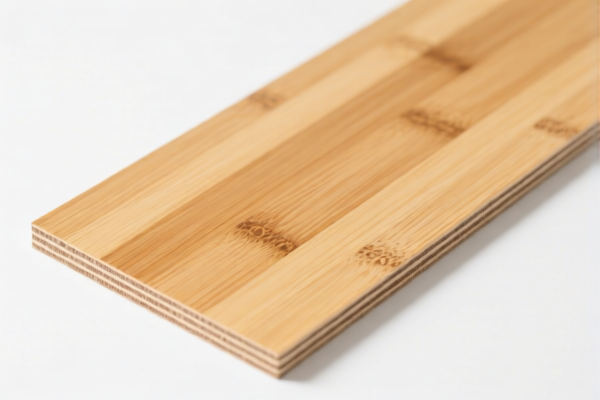
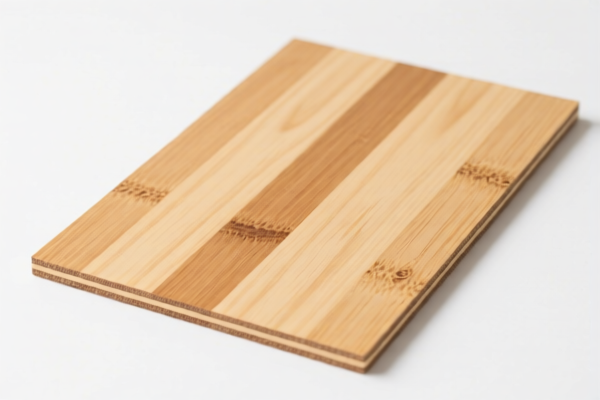
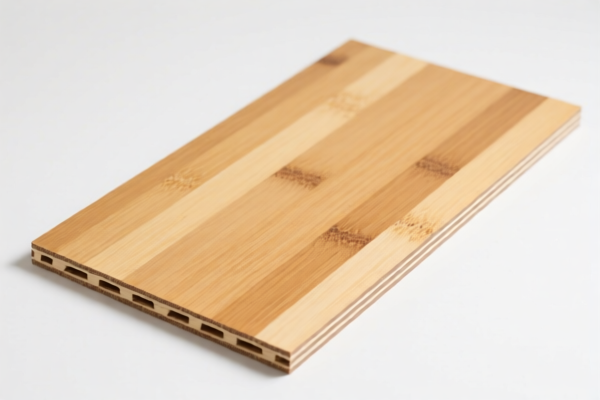
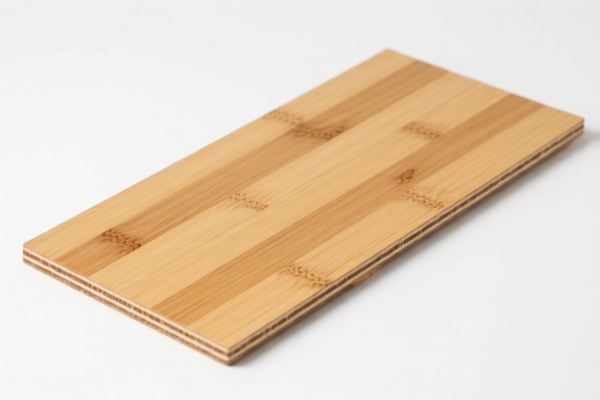
AI分析
🪵 Ayu Single Board for Plywood
🌐 HS Code Reference & Customs Clearance Guide | 2026 Latest Tariff Analysis | Professional Strategy for Wood Products
📌 I. Product Definition & Classification: What is "Ayu Single Board"?
Ayu Single Board refers to high-quality, decorative veneer sheets (single layers of wood) peeled or sliced from Ayu wood (commonly known as Ayu or Ayu Wood, scientifically often associated with Toona sinensis or similar fine-grained tropical/temperate hardwoods depending on the region, but generally categorized as tropical hardwood veneer or deciduous wood veneer in international trade).
In international trade, it is critical to distinguish between:
- Veneer Sheets (Single Wood Sheets): Thin slices of wood (typically <6mm thick), used for plywood facing, furniture decoration, or musical instruments.
- Logs or Lumber: Raw or processed solid wood, not intended as thin decorative layers.
⚠️ Key Distinction:
- If the product is a thin slice of wood (veneer) used for plywood manufacturing →归入 Chapter 44, specifically 4408.90.
- If it is solid wood not sliced thin → It may fall under 4407 (Sawn wood) or 4409 (Profiled wood), but "Single Board for Plywood" strongly implies Veneer.
📦 II. HS Code Classification Details (2026 Latest Tariff Authority Comparison)
| HS Code | Product Description | Application Scenario | Thickness/Type |
|---|---|---|---|
| 4408.90.90.00 | Veneer sheets and other wood for veneering (e.g., plywood facing), of other wood (tropical/deciduous) | Ayu wood veneer, decorative plywood core/facing | <6mm, sliced/peeled |
| 4408.90.10.00 | Veneer sheets of tropical wood species | If Ayu is classified as "tropical" in destination country | <6mm, tropical classification |
| 4407.99.00.00 | Wood sawn lengthwise, containing wood chips, etc., of other wood | Incorrect – only for solid sawn wood, not veneer | >6mm, solid |
| 4409.99.00.00 | Wood continuously shaped along any edge... of other wood | Incorrect – unless profiled (e.g., tongue-and-groove), plain veneer is not profiled | Profiled |
🔍 Critical Reminder:
- "Ayu Single Board" is almost always classified as Veneer (4408).
- Do NOT classify as sawn wood (4407) unless it is thick solid planks.
- Do NOT classify as finished products (4421) unless it is a finished furniture component.
- If the wood is tropical, some countries may require specific FLEGT or timber legality certificates.
💰 III. 2026 Latest Tariff Rate Details (Including Surcharge & Policy Surcharges)
✅ Applicable Country: United States (US)
✅ Country of Origin: China (CN)
✅ Effective Time: November 10, 2025 onwards
🎯 1. 4408.90.90.00 – Veneer of Other Wood (Non-Tropical or General)
| Item | Content |
|---|---|
| Base Tariff Rate | 5.5% (Ad Valorem) |
| USITC Surcharge | +10% (Under Section 301, if applicable to specific wood products) |
| IEEPA Surcharge | +10% (China/Hong Kong products, effective from Nov 10, 2025) |
| Total Tariff Rate | ~25.5% (5.5% + 10% + 10%) |
| Tax Calculation | CIF Value × 25.5% |
| De Minimis Eligible? | ❌ No (deny_de_minimis) |
| Legal Basis Path | IEEPA:9901.25 → IEEPA:9903.01.24 → USITC:4408.90.90.00 → FOOTNOTE:301-4408 |
📌 Explanation:
- Base 5.5%: Standard MFN rate for wood veneer of "other wood."
- 301 Surcharge 10%: Many wood products from China are subject to Section 301 tariffs.
- IEEPA 10%: New 2025 surcharge on Chinese wood products.
- Total ~25.5%: High cost for raw wood materials. Early planning is essential.
🎯 2. 4408.90.10.00 – Veneer of Tropical Wood
| Item | Content |
|---|---|
| Base Tariff Rate | 5.5% |
| USITC Surcharge | +10% |
| IEEPA Surcharge | +10% |
| Total Tariff Rate | ~25.5% |
| Tax Calculation | CIF × 25.5% |
| De Minimis Eligible? | ❌ No |
| Legal Basis Path | IEEPA:9901.25 → IEEPA:9903.01.24 → USITC:4408.90.10.00 |
📌 Note:
- If Ayu wood is deemed tropical, the classification changes slightly, but the tariff burden remains similar.
- Additional Risk: Tropical wood may require Lacey Act compliance (US) or CITES documentation if endangered.
🛠️ IV. Customs Clearance Practical Advice (Real-World Pitfall Avoidance)
✅ 1. Required Documentation List (None Can Be Missing)
| Document | Must Provide | Description |
|---|---|---|
| ✅ Product Specification | ✔️ | Wood species (Scientific name), thickness, dimensions, grade |
| ✅ Commercial Invoice | ✔️ | Clearly state "Wood Veneer Sheets for Plywood," not "Furniture" |
| ✅ Packing List | ✔️ | Weight, volume, number of sheets, palletization details |
| ✅ Fumigation Certificate | ✔️ | ISPM 15 compliant if packed in wooden pallets/containers |
| ✅ Phytosanitary Certificate | ✔️ | Required by US CBP for wood products to prevent pests |
| ✅ Bill of Lading/Air Waybill | ✔️ | Standard shipping document |
| ✅ Lacey Act Declaration | ✔️ | If required, declare plant family and country of harvest |
✅ 2. Declaration Tips (Key Mantra)
🔥 “Specify Species, Declare Thickness, Fumigate Pallets, Avoid Misclassification!”
| Scenario | Correct Declaration | Wrong Practice |
|---|---|---|
| Ayu wood veneer | 4408.90.90.00 – "Veneer sheets of Ayu wood" |
Declare as "Furniture Parts" → Higher Tax + Penalty |
| Solid wood planks | 4407.99.00.00 – "Sawn wood" |
Declare as "Veneer" → Misclassification |
| Plywood with veneer facing | 4412.31.00.00 – "Plywood" |
Declare as "Veneer" alone → Inaccurate |
| Unprocessed logs | 4403.49.00.00 – "Wood in the rough" |
Declare as "Veneer" → Illegal if raw |
✅ 3. Special Situation Handling
| Situation | Handling Advice |
|---|---|
| OEM Custom Veneer | Provide buyer’s design specs; ensure wood species matches invoice |
| Mixed Species Veneer | Declare highest tariff rate among species or split shipment |
| Fumigation Needed | If using wooden pallets, ensure ISPM 15 mark is visible |
| Lacey Act Compliance | For US imports, submit Plant and Plant Product Entry Summary if required |
🌍 V. Global Market Customs Clearance Comparison (2026 Latest)
| Country/Region | Recommended HS Code | Tariff | Certification Requirements | Notes |
|---|---|---|---|---|
| 🇺🇸 USA | 4408.90.90.00 |
~25.5% (China origin) | Lacey Act + Phytosanitary | High compliance risk |
| 🇨🇳 China | 4408.90.90.00 |
0% (Import) | N/A | Wood veneer is raw material |
| 🇪🇺 EU | 4408.90.90 |
0% (If EBA/GSP) | FLEGT/Lacey if tropical | Strict timber legality |
| 🇦🇺 Australia | 4408.90.90 |
5% | Biosecurity Permit | High biosecurity standards |
| 🇯🇵 Japan | 4408.90.90 |
0% | Phytosanitary | Standard inspection |
📌 Conclusion:
- USA is the most challenging market due to Lacey Act and high tariffs.
- EU requires strict timber legality proof for tropical species.
- China and Japan are more lenient for non-tropical wood.
📌 VI. Common Mistakes & Pitfall Guide (Blood & Tears Lessons)
❌ Mistake 1: Declaring "Wood Veneer" as "Furniture Parts"
👉 Consequence: Misclassification, fines, and potential Lacey Act violations.
❌ Mistake 2: Ignoring Fumigation for Wooden Pallets
👉 Consequence: Detention, re-export, or destruction at destination port.
❌ Mistake 3: Not Specifying Wood Species
👉 Consequence: Customs clearance delay, additional testing fees, or tariff misapplication.
❌ Mistake 4: Mixing Veneer with Finished Goods Without Separation
👉 Consequence: Higher overall tax rate, complex customs auditing.
✅ Correct Practice:
"Wood Veneer Sheets, Ayu Wood (Toona sinensis), Thickness 0.6mm, Dimensions 2400x1200mm, Fumigated Pallet Packaging, For Plywood Manufacturing"
🎯 VII. Conclusion: Professional Declaration, Cost Control, Compliance First!
🎯 Remember the Mantra:
🔹 “Species Matters, Thickness Defines, Fumigation Prevents, Lacey Compliance Saves!”
🔹 “HS Code 4408 is Key, Tariff 25.5% is Pain, Declaration Must Be Clean!”
📌 Pro Tip:
If your Ayu wood veneer is sourced from Vietnam, Thailand, or Malaysia, you may qualify for lower tariffs or exemptions under local trade agreements.
Apply for Advance Ruling with US CBP if unsure about species classification.
📣 Take Action Now:
📞 Contact a licensed customs broker + Provide wood species certificate + Ensure Lacey Act compliance
🚀 Ensure your Ayu Single Board clears customs smoothly, legally, and cost-effectively!
✨ Professional Customs Clearance Starts with Accurate Classification!
💼 Every dollar saved on tariffs counts!
用户评价
关于 HS 编码归类
协调制度(HS)是由世界海关组织(WCO)制定的国际贸易商品分类标准。全球 200 多个国家采用 HS 系统作为海关关税、贸易统计和进出口监管的基础。
每个 HS 编码遵循以下层级结构:
- 章(2 位)——商品大类(例如:第 84 章:机器和机械设备)
- 品目(4 位)——章内的更具体分类
- 子目(6 位)——国际通用细分,所有 WCO 成员国统一使用
- 本国细分(8-10 位)——各国自行扩展的细分编码,如美国 HTSUS 10 位编码
正确的 HS 编码归类对于顺利通关、准确缴纳关税和遵守贸易法规至关重要。错误归类可能导致海关延误、多缴关税或罚款。
从CN进口到US时,适用的关税税率可能包括:
- 最惠国(MFN)税率——适用于 WTO 成员国的标准关税税率
- 普通税率——适用于无贸易协定国家
- 贸易救济关税——附加关税,如 301 条款(反倾销)、232 条款(国家安全)或反补贴税
本页内容仅供参考。如需正式归类,请咨询当地海关或持牌报关代理。