Baby Romper
CN → US| HS编码 | 关税税率 | 原产国 | 目的国 | 文档 |
|---|---|---|---|---|
| 6209303010 | 33.5% | CN | US | 官方文档 |
| 6111206010 | 25.6% | CN | US | 官方文档 |
| 6110909071 | 23.5% | CN | US | 官方文档 |
| 6110909073 | 23.5% | CN | US | 官方文档 |
| 6209205030 | 26.8% | CN | US | 官方文档 |
商品图片
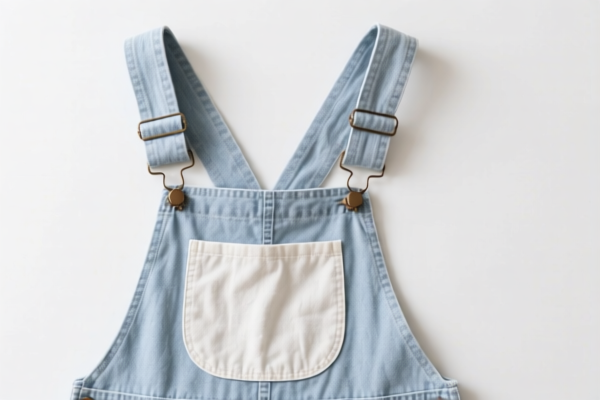
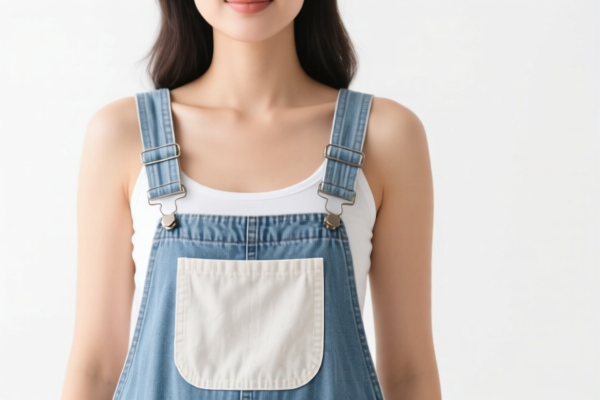
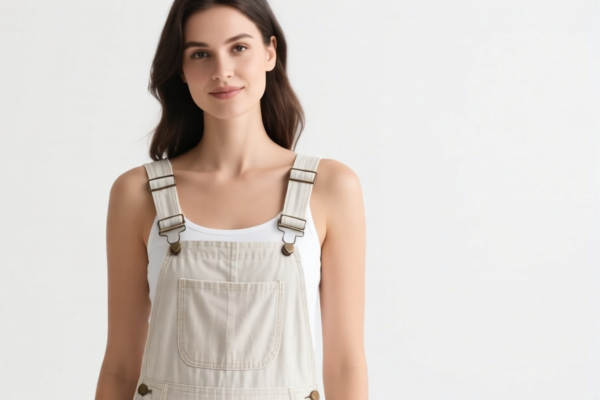
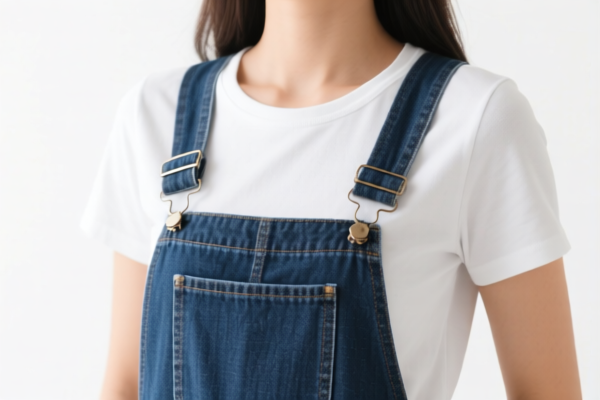
AI分析
👶 Baby Romper (Infant Bodysuit/Onesie)
🌐 HS Code Reference & Clearance Guide | 2026 Latest Tariff Analysis | Professional Customs Strategy
📌 I. Product Definition & Classification: What Exactly is a "Baby Romper"?
A Baby Romper is a one-piece garment for infants, typically covering the torso and legs, often with snaps at the crotch for diaper changes. In international trade, its classification hinges on three critical factors: 1. Material: Knitted/Crocheted (Chapter 61) vs. Woven (Chapter 62). 2. Specific Use: Is it classified specifically as "Baby Clothing" (Heading 6209 or 6111) or general "Other Clothing" (Heading 6110)? 3. Form: Is it a complete garment or a component?
⚠️ Key Distinction:
- If it is Knitted/Crocheted and specifically for infants → Heading 6111 (Chapter 61).
- If it is Woven and specifically for infants → Heading 6209 (Chapter 62).
- If material is synthetic vs. cotton, the base duty rate changes significantly.
📦 II. HS Code Classification Details (2026 Latest Tariff Authority Comparison)
Based on the provided data, here are the five most likely HS Codes for a Baby Romper, ranked by total tax burden and classification logic.
| HS Code | Product Description | Material/Type Logic | Total Tax Rate | Why This Code? |
|---|---|---|---|---|
6209.30.30.10 |
Woven Baby Garments (Other) | Woven + Synthetic Fiber (Inferred) | 33.5% | Matches "Infant Clothing" form. Inferred synthetic material due to lack of "Cotton" label. High base duty (16%). |
6111.20.60.10 |
Knitted/Crocheted Baby Cotton Clothing | Knitted + Cotton (Inferred) | 25.6% | Matches "Infant Clothing" form. Inferred cotton (common for babies). Lower base duty (8.1%). |
6209.20.50.30 |
Woven Baby Garments (Other) | Woven + Cotton (Inferred) | 26.8% | Matches "Infant Clothing" form. Inferred cotton. Moderate base duty (9.3%). |
6110.90.90.71 |
Knitted/Crocheted Other Clothing | Knitted + Other Textile | 23.5% | Matches "Knitted Garment" form. Generic "Other" category (not specific to infants in heading, but covers them). Lowest base duty (6%). |
6110.90.90.73 |
Knitted/Crocheted Other Clothing | Knitted + Other Textile | 23.5% | Similar to above, specific subtype for "Other" knitted articles. Lowest base duty (6%). |
🔍 Critical Insight:
- Chapter 61 (Knitted) generally has lower base tariffs (6-8%) compared to Chapter 62 (Woven) (9-16%). - Cotton items often have lower base duties than Synthetic items in the infant clothing category. - "122 Clause" Tariffs and Section 301 (Section 122) apply uniformly across all these codes as additional surcharges.
💰 III. 2026 Latest Tariff Rate Breakdown (Including Surcharges & Policy Add-ons)
✅ Applicable Country: United States (US)
✅ Origin: China (CN)
✅ Effective Date: 2025/2026 Tariff Schedule
🎯 1. 6209.30.30.10 — Woven Baby Garments (Synthetic Inferred)
| Item | Detail |
|---|---|
| Base Tariff | 16.0% |
| Section 301 Add-on | 7.5% |
| "122 Clause" Surcharge | 10.0% |
| Total Tax Rate | 33.5% |
| Calculation | CIF Value × 33.5% |
| De Minimis Exemption | ❌ Not Eligible (High-duty goods usually excluded from $800 de minimis if classified strictly, though small packages may slip; check current CBP enforcement trends). |
| Legal Basis | HTSUS 6209.30.30.10 + Trade Act Section 301 + Executive Order 14013 (122 Clause). |
📌 Explanation:
- 16.0% Base: High because it’s woven synthetic infant wear. - 7.5% + 10%: Standard penalties on Chinese goods. - Total 33.5%: Significant cost driver.
🎯 2. 6111.20.60.10 — Knitted/Crocheted Baby Cotton Clothing
| Item | Detail |
|---|---|
| Base Tariff | 8.1% |
| Section 301 Add-on | 7.5% |
| "122 Clause" Surcharge | 10.0% |
| Total Tax Rate | 25.6% |
| Calculation | CIF Value × 25.6% |
| De Minimis Exemption | ❌ Not Eligible (Generally restricted for textiles from China). |
| Legal Basis | HTSUS 6111.20.60.10 + Trade Act Section 301 + Executive Order 14013. |
📌 Explanation:
- 8.1% Base: Lower due to cotton content and knitted structure. - Total 25.6%: Still high, but ~8% cheaper than synthetic woven options.
🎯 3. 6209.20.50.30 — Woven Baby Garments (Cotton Inferred)
| Item | Detail |
|---|---|
| Base Tariff | 9.3% |
| Section 301 Add-on | 7.5% |
| "122 Clause" Surcharge | 10.0% |
| Total Tax Rate | 26.8% |
| Calculation | CIF Value × 26.8% |
| De Minimis Exemption | ❌ Not Eligible. |
| Legal Basis | HTSUS 6209.20.50.30 + Trade Act Section 301 + Executive Order 14013. |
📌 Explanation:
- 9.3% Base: Woven but cotton. More expensive than knitted cotton (8.1%) but cheaper than synthetic (16%).
🎯 4 & 5. 6110.90.90.71 & 6110.90.90.73 — Knitted/Crocheted Other Clothing
| Item | Detail |
|---|---|
| Base Tariff | 6.0% |
| Section 301 Add-on | 7.5% |
| "122 Clause" Surcharge | 10.0% |
| Total Tax Rate | 23.5% |
| Calculation | CIF Value × 23.5% |
| De Minimis Exemption | ❌ Not Eligible. |
| Legal Basis | HTSUS 6110.90.90.71/73 + Trade Act Section 301 + Executive Order 14013. |
📌 Explanation:
- 6.0% Base: Lowest base duty because it falls under "Other" knitted garments, not specific infant headings. - Total 23.5%: Cheapest option among the five. - Risk: Customs may reclassify as infant clothing (6111 or 6209) if packaging/marketing clearly indicates "Baby," leading to back taxes.
🛠️ IV. Clearance Practical Advice (Real-World Pitfall Avoidance)
✅ 1. Documentation Checklist (Non-Negotiable)
| Document | Required? | Notes |
|---|---|---|
| ✅ Product Specification Sheet | ✔️ | Must specify: Material Composition (e.g., 100% Cotton), Construction (Knitted vs. Woven), Age Group (0-24 months). |
| ✅ High-Res Product Photos | ✔️ | Show snaps at crotch, overall shape, and fabric texture (to prove knitted vs. woven). |
| ✅ Commercial Invoice | ✔️ | Clearly state: "Baby Romper, Knitted Cotton, for Infants 6-12M." Avoid vague terms like "Clothing." |
| ✅ Packing List | ✔️ | List item counts, weights, and dimensions. |
| ✅ Certificate of Origin (CO) | ✔️ | Proof of Chinese origin (triggers 17.5% additional tariffs). |
✅ 2. Declaration Strategy (Key Mantra)
🔥 "Material is King, Knit is Light, 'Baby' is Specific, Accuracy Saves Money!"
| Scenario | Recommended HS Code | Reason |
|---|---|---|
| Knitted, 100% Cotton, for Babies | 6111.20.60.10 |
Specific infant heading + low base duty. |
| Woven, 100% Cotton, for Babies | 6209.20.50.30 |
Specific infant heading. |
| Knitted, Synthetic, for Babies | 6111.20.60.10 (if misc) or specific synthetic infant code |
Check if synthetic infant heading exists; if not, use generic. Note: Data implies 6111.20 is cotton-focused; check synthetic infant codes if applicable. |
| Generic Knitted Bodysuit (Not explicitly "Baby") | 6110.90.90.71 |
Lowest base duty (6%), but risky if marketed to babies. |
| Woven Synthetic Romper | 6209.30.30.10 |
Highest base duty (16%). |
⚠️ Warning:
- If you declare a Cotton Knitted Romper as6110.90.90.71(6% base) to save money, but the CBP inspector sees "Baby" branding, they will reclassify it to6111.20.60.10(8.1% base) and issue a Bill of Revision. - If you declare a Synthetic Woven Romper as6110..., it will be rejected immediately (Chapter 61 vs 62 mismatch).
✅ 3. Special Circumstances
| Situation | Recommendation |
|---|---|
| Mixed Materials (e.g., 80% Cotton, 20% Polyester) | Classify based on the material that gives the garment its essential character. For rompers, usually the main body fabric. |
| OEM/White Label | Even if no brand, if size charts indicate "Infant," customs may apply infant duties. Declare accurately based on physical attributes. |
| Sets (Romper + Hat) | If sold as a set, classify the entire set based on the principal item (the Romper). Do not split the hat and romper. |
| De Minimis ($800) | High Risk: Due to the 17.5% added tariffs (7.5% + 10%) and textile sensitivity, many small shipments of Chinese baby clothes are flagged for inspection. Assume they are not exempt from additional duties. |
🌍 V. Global Market Clearance Comparison (2026)
| Country/Region | Recommended HS Code (Example) | Base Duty | Additional Taxes (China Origin) | Total Estimated Duty | Notes |
|---|---|---|---|---|---|
| 🇺🇸 USA | 6111.20.60.10 |
8.1% | +17.5% (301 + 122) | 25.6% | Strict enforcement on "Baby" labeling. |
| 🇨🇳 China | 6111.20.60.10 |
8.1% | None | 8.1% | No Section 301 tariffs. |
| 🇪🇺 EU | 6111.20.60.10 |
12% | None (WTO rate) | 12% | No US-style add-ons. |
| 🇬🇧 UK | 6111.20.60.10 |
12% | None | 12% | Post-Brexit rules align closely with EU. |
| 🇨🇦 Canada | 6111.20.60.10 |
17.5% | None | 17.5% | CUSMA benefits may apply if produced in North America. |
📌 Conclusion:
- USA is the most expensive market due to the combination of standard MFN tariffs and political surcharges (Section 301 + 122 Clause). - EU/UK/Canada have higher base duties but no political surcharges, making them potentially more predictable for cost calculation.
📌 VI. Common Errors & Pitfall Guide (Lessons Learned)
❌ Error 1: Declaring a Knitted romper as Woven (6209...)
👉 Consequence: Customs inspector checks fabric under microscope → Finds knitting → Reclassifies to 6111 → Potential penalty for misdeclaration.
❌ Error 2: Using vague description "Baby Clothes" without material
👉 Consequence: Customs assigns highest possible duty based on uncertainty → May result in 6209.30.30.10 (33.5%) instead of 25.6%.
❌ Error 3: Assuming "De Minimis" exemption for small packages
👉 Consequence: Textiles from China are highly scrutinized. Even under $800, shipments are often opened, duties assessed, and delayed. Do not rely on de minimis for Chinese baby clothes.
❌ Error 4: Ignoring the "122 Clause"
👉 Consequence: Forgetting the 10% surcharge leads to underpayment and subsequent CBSA/CPB audits.
✅ Correct Approach:
"Baby Romper, Knitted, 100% Cotton, for Infants 0-12 Months, Model XYZ, Made in China"
🎯 VII. Conclusion: Professional Declaration, Cost Savings!
🎯 Remember the Mantra:
🔹 "Knit is Lower Duty, Cotton is Cheaper than Synth, 'Baby' Title Changes the Chapter, Accuracy Prevents Audit!"
🔹 "USA Tariffs are High (23-34%), EU is Moderate (12%), China is Low (8%)."
📌 Pro Tip:
- If you are shipping small quantities for testing, budget for the 25.6% tax. Do not assume it will slip through.
- Consider pre-classification rulings from CBP if you are launching a new line of baby rompers to ensure the correct HS Code (6111 vs 6110) is locked in.
📣 Immediate Action:
📞 Consult a licensed customs broker.
📸 Provide fabric swatches and product photos with size labels.
🚀 Clear Customs Smoothly, Maximize Profit Margins!
✨ Professional Clearance Starts with Precise Classification!
💼 Every Percent of Duty Saved is Pure Profit!
用户评价
关于 HS 编码归类
协调制度(HS)是由世界海关组织(WCO)制定的国际贸易商品分类标准。全球 200 多个国家采用 HS 系统作为海关关税、贸易统计和进出口监管的基础。
每个 HS 编码遵循以下层级结构:
- 章(2 位)——商品大类(例如:第 84 章:机器和机械设备)
- 品目(4 位)——章内的更具体分类
- 子目(6 位)——国际通用细分,所有 WCO 成员国统一使用
- 本国细分(8-10 位)——各国自行扩展的细分编码,如美国 HTSUS 10 位编码
正确的 HS 编码归类对于顺利通关、准确缴纳关税和遵守贸易法规至关重要。错误归类可能导致海关延误、多缴关税或罚款。
从CN进口到US时,适用的关税税率可能包括:
- 最惠国(MFN)税率——适用于 WTO 成员国的标准关税税率
- 普通税率——适用于无贸易协定国家
- 贸易救济关税——附加关税,如 301 条款(反倾销)、232 条款(国家安全)或反补贴税
本页内容仅供参考。如需正式归类,请咨询当地海关或持牌报关代理。