Background Cloth Set
CN → US| HS编码 | 关税税率 | 原产国 | 目的国 | 文档 |
|---|---|---|---|---|
| 5903902000 | 35.0% | CN | US | 官方文档 |
| 5903102010 | 35.0% | CN | US | 官方文档 |
| 6307908500 | 23.3% | CN | US | 官方文档 |
| 6307909891 | 24.5% | CN | US | 官方文档 |
商品图片
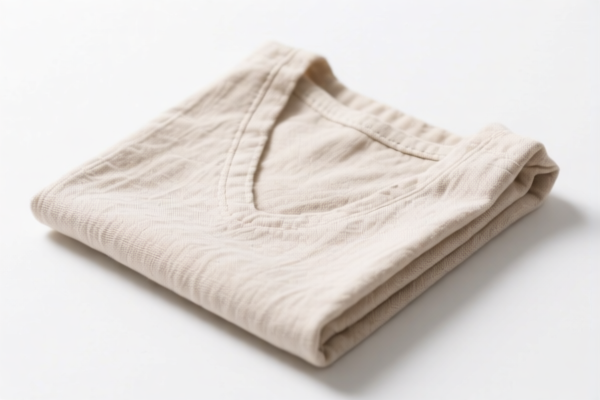
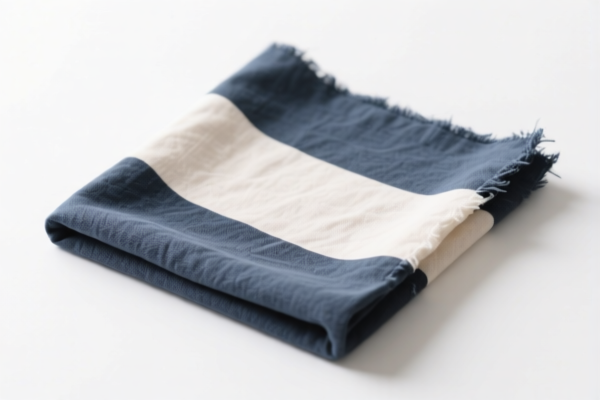
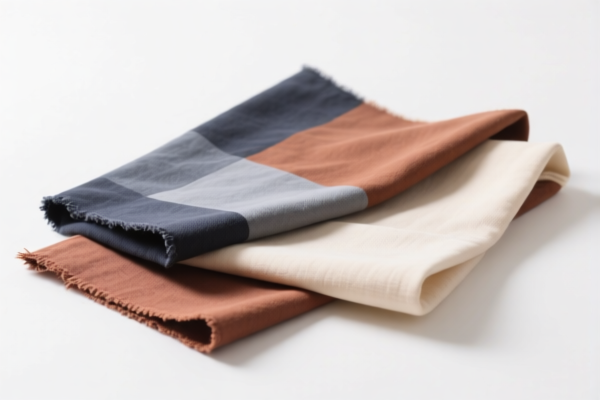
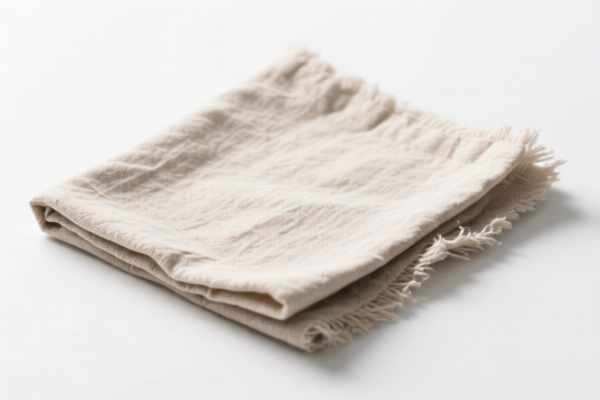
AI分析
🎨 Background Cloth Set (Studio Backdrops)
🌐 HS Code Reference & Customs Clearance Guide | 2024 Latest Tariff Analysis | Professional Clearance Strategy
📌 I. Product Definition & Classification: Do You Truly Understand "Background Cloth"?
A Background Cloth Set is an essential accessory for photography, videography, live streaming, and stage events. In international trade, its classification depends heavily on its material composition, surface treatment, and functional purpose. It is generally categorized into two main types:
1. Coated/Impregnated Textiles (Plastic-Laminated): Fabric treated with plastic coatings (PVC, PU, etc.) for waterproofing, wrinkle resistance, or specific lighting effects. These fall under Chapter 59. 2. Finished Textile Goods (Decorative/Functional): Simple woven or knitted fabrics, often used as decorative wall hangings or plain backdrops without heavy plastic impregnation. These fall under Chapter 63.
⚠️ Key Distinction Point:
- If the cloth is heavily coated, laminated, or impregnated with plastic to achieve specific technical features (e.g., seamless, non-wrinkle, waterproof) →归类 to Chapter 59 (Impregnated Textiles).
- If the cloth is plain fabric, woven, or used primarily for decorative/visual purposes without significant plastic lamination →归类 to Chapter 63 (Other Made-up Textile Articles).
📦 II. HS Code Classification Details (Latest Tariff Code Mapping)
| HS Code | Product Description | Application Scenario | Key Characteristic |
|---|---|---|---|
5903.90.20.00 |
Textile fabrics impregnated, coated, covered or laminated with plastics, other than those of heading 59.02 | High-end studio backdrops, vinyl-backed cloth, PVC-coated seamless backdrops | ✅ Heavy Plastic Impregnation/Coating |
5903.10.20.10 |
Textile fabrics impregnated, coated, covered or laminated with polyvinyl chloride (PVC) | PVC-backed backdrops, durable outdoor/event backdrops | ✅ PVC Specific Coating |
6307.90.85.00 |
Other made up textile articles, other than those of heading 63.09 | Decorative wall hangings, flag-like backdrops, synthetic fiber backdrops without heavy lamination | ❌ No heavy plastic lamination; Decorative/Functional |
6307.90.98.91 |
Other made up textile articles, other (Other textile articles) | General purpose background cloths, cotton/blend fabrics, "catch-all" category | ❌ Generic textile finished good |
🔍 Critical Reminder:
- Chapter 59 codes (5903.xx.xx) apply when the plastic coating is the dominant feature determining the product's character. These are subject to higher additional tariffs.
- Chapter 63 codes (6307.xx.xx) apply when the product is considered a finished article (like a flag or decorative cloth) where the textile nature prevails. These generally have lower base tariffs but may still incur additional duties.
💰 III. 2024 Latest Tariff Rate Breakdown (Including Additional Duties & Policy Surcharges)
✅ Applicable Country: United States (US)
✅ Country of Origin: China (CN)
✅ Effective Time: Current tariffs apply (Post-Section 301 & Section 122)
🎯 1. 5903.90.20.00 & 5903.10.20.10 —— Plastic-Impregnated Background Cloths
| Item | Details |
|---|---|
| Base Tariff Rate | 0.0% (ad valorem) |
| Section 301 Additional Duty | +25% (From USITC Footnote 9903.88.01) |
| Section 122 Duty | +10% (Specific tariff for certain textile/apparel imports from China) |
| Total Tariff Rate | 35.0% |
| Tax Calculation | CIF Value × 35% |
| De Minimis Exemption Available? | ❌ No (deny_de_minimis) |
| Legal Basis Path | Section 301 → Section 122 → HS 5903.xx.xx |
📌 Explanation:
- The 25% Section 301 duty is the standard penalty for Chinese goods under trade war tariffs.
- The 10% Section 122 duty is a specific additional tariff applied to certain textile products.
- Total 35% is a very high tariff burden. Importers must carefully verify if the product truly qualifies for Chapter 59. If it can be classified under Chapter 63, significant savings may be possible.
🎯 2. 6307.90.85.00 —— Decorative/Functional Textile Backgrounds
| Item | Details |
|---|---|
| Base Tariff Rate | 5.8% |
| Section 301 Additional Duty | +7.5% (Reduced/Modified Section 301 application for some textile subcategories or specific rulings) |
| Section 122 Duty | +10% |
| Total Tariff Rate | 23.3% |
| Tax Calculation | CIF Value × 23.3% |
| De Minimis Exemption Available? | ❌ Likely No (Check specific ruling, but generally taxable) |
| Legal Basis Path | Section 301 (Modified) → Section 122 → HS 6307.90.85.00 |
📌 Note:
- This code represents a lower tax burden (23.3%) compared to Chapter 59 (35%).
- It applies if the background cloth is deemed a "flag-like" or "decorative" textile article without the defining characteristic of plastic impregnation.
- Savings Potential: 11.7% lower than the Chapter 59 classification.
🎯 3. 6307.90.98.91 —— Other Made-Up Textile Articles (Catch-All)
| Item | Details |
|---|---|
| Base Tariff Rate | 7.0% |
| Section 301 Additional Duty | +7.5% |
| Section 122 Duty | +10% |
| Total Tariff Rate | 24.5% |
| Tax Calculation | CIF Value × 24.5% |
| De Minimis Exemption Available? | ❌ Likely No |
| Legal Basis Path | Section 301 → Section 122 → HS 6307.90.98.91 |
📌 Note:
- This is a general catch-all for textile articles not specified elsewhere.
- The rate is 24.5%, slightly higher than6307.90.85.00due to the higher base rate, but still significantly lower than Chapter 59 (35%).
- Use this only if the product does not fit the specific description of6307.90.85.00.
🛠️ IV. Customs Clearance Practical Advice (Real-World Pitfall Guide)
✅ 1. Required Documentation Checklist (Mandatory)
| Document | Must Provide | Description |
|---|---|---|
| ✅ Product Specification Sheet | ✔️ | Must detail material (e.g., polyester, cotton, PVC coating), weight, and treatment process. |
| ✅ Material Composition Breakdown | ✔️ | Exact percentage of fibers vs. plastic coating (if any). |
| ✅ Product Photos (Clear & Detailed) | ✔️ | Show the texture, edge finishing, and any labels. Close-up of the fabric weave/coating is crucial. |
| ✅ Commercial Invoice | ✔️ | Clearly state "Background Cloth for Photography/Video" and HS Code. |
| ✅ Packing List | ✔️ | List dimensions, weight, and package count. |
| ✅ Certificate of Origin (CO) | ✔️ | Essential for verifying Chinese origin and applying additional duties. |
| ✅ Third-Party Test Report | ✔️ | Optional but helpful: Test report confirming fabric type or coating absence/presence. |
✅ 2. Declaration Strategy (Critical Tips)
🔥 "Know Your Material, Declare Your Function!"
| Scenario | Correct Declaration | Incorrect Action |
|---|---|---|
| PVC/Vinyl-Backed Cloth | 5903.90.20.00 or 5903.10.20.10 |
Misdeclare as "Cotton Cloth" → Risk of penalty & back taxes |
| Plain Woven Polyester/Canvas | 6307.90.85.00 or 6307.90.98.91 |
Misdeclare as "Plastic Fabric" → Pay 35% instead of ~23-24% |
| Set with Mounts/Stands | Declare Background Cloth Only | Include mounts in textile HS code → Misclassification |
| Custom Printed Background | 6307.90.85.00 |
Use generic code without specifying "printed" if required by broker |
📌 Pro Tip:
If your background cloth is 100% fabric with no plastic coating, fight for Chapter 63 to save ~11% in duties.
If it has a plastic backing for durability/wrinkle resistance, Chapter 59 is likely correct, but ensure accurate material breakdown.
✅ 3. Special Circumstances Handling
| Situation | Handling Advice |
|---|---|
| OEM Custom Prints | Provide design files and print specifications. Ensure "Printing" does not change the base material classification. |
| Seamless vs. Seamed | Both can fall under the same HS if material composition is identical. Focus on material, not construction. |
| Mixed Materials (e.g., Fabric + Plastic Frame) | Declare background cloth separately from metal/plastic frames. Frames may have different HS codes (e.g., 7610 or 6307). |
| Sample vs. Bulk | Samples under $800 may qualify for de minimis (Section 321) if shipped via courier, but commercial imports are taxed. |
🌍 V. Global Market Comparison (2024 Overview)
| Country/Region | Recommended HS Code | Tariff (China Origin) | Certification | Notes |
|---|---|---|---|---|
| 🇺🇸 USA | 5903.90.20.00 or 6307.90.85.00 |
23.3% – 35.0% | No specific | Highest tariffs due to Sec 301 & 122 |
| 🇨🇳 China | 5903.90.20.00 |
0% - 5% | N/A | Low import tax for domestic consumption |
| 🇪🇺 EU | 5903.20 or 6307.90 |
4% - 6% | CE (if electronic props) | No Section 301 equivalents |
| 🇬🇧 UK | 5903.20 or 6307.90 |
4% - 6% | UKCA (if applicable) | Post-Brexit tariffs similar to EU |
| 🇨🇦 Canada | 5903.20 or 6307.90 |
4% - 6% | Health Canada (if fire retardant) | No Section 301 equivalents |
📌 Conclusion:
- The US market is the most challenging for textile imports due to layered additional tariffs.
- Accurate classification is critical to avoid overpaying 11%+ in duties.
- Consider diversifying supply chains (e.g., Vietnam, Cambodia) if possible to mitigate US tariff risks.
📌 VI. Common Mistakes & Pitfalls (Lessons Learned)
❌ Mistake 1: Declaring PVC-backed cloth as "Cotton Towel"
👉 Consequence: Customs may classify as textile, but material test reveals plastic → Penalty + Back Taxes.
❌ Mistake 2: Ignoring Section 122 Duty
👉 Consequence: Even if base tariff is low, 10% Section 122 duty is automatically applied to Chinese textiles. Budget for 35% total.
❌ Mistake 3: Not Providing Material Breakdown
👉 Consequence: Customs cannot determine if it’s Chapter 59 or 63 → Delay in Release.
❌ Mistake 4: Misidentifying "Background Cloth" as "Flag"
👉 Consequence: Flags (6307.10) have different duty rates. If it’s not a flag, misdeclaration leads to incorrect tax assessment.
✅ Correct Practice:
"Polyester Background Cloth, 100x120 inches, Plain White, No Coating, for Photography Studio Use, Model BG-01"
vs.
"PVC-Laminated Polyester Background Cloth, 100x120 inches, Grey, Waterproof, Model BG-PVC-01"
🎯 VII. Conclusion: Precision in Classification Saves Money!
🎯 Key Takeaways:
🔹 "Check the Coating: Plastic = 35%, Fabric = 23-24%"
🔹 "Section 122 is Mandatory for Chinese Textiles in the US"
🔹 "Documentation is Key: Photos + Material Specs Prevent Delays"
📌 Pro Tip:
If your background cloth is imported in large volumes, consider applying for a Binding Ruling from US Customs and Border Protection (CBP) to confirm the HS code and avoid disputes.
📣 Immediate Action Steps:
📞 Contact Your Freight Forwarder: Provide detailed product specs and photos.
📄 Request a Pre-Shipment Inspection: Verify material composition before shipping.
💡 Optimize Packaging: Ensure clear labeling to facilitate quick customs clearance.
✨ Professional Customs Clearance Starts with Accurate Classification!
💼 Every Percentage Point Saved is Pure Profit!
用户评价
关于 HS 编码归类
协调制度(HS)是由世界海关组织(WCO)制定的国际贸易商品分类标准。全球 200 多个国家采用 HS 系统作为海关关税、贸易统计和进出口监管的基础。
每个 HS 编码遵循以下层级结构:
- 章(2 位)——商品大类(例如:第 84 章:机器和机械设备)
- 品目(4 位)——章内的更具体分类
- 子目(6 位)——国际通用细分,所有 WCO 成员国统一使用
- 本国细分(8-10 位)——各国自行扩展的细分编码,如美国 HTSUS 10 位编码
正确的 HS 编码归类对于顺利通关、准确缴纳关税和遵守贸易法规至关重要。错误归类可能导致海关延误、多缴关税或罚款。
从CN进口到US时,适用的关税税率可能包括:
- 最惠国(MFN)税率——适用于 WTO 成员国的标准关税税率
- 普通税率——适用于无贸易协定国家
- 贸易救济关税——附加关税,如 301 条款(反倾销)、232 条款(国家安全)或反补贴税
本页内容仅供参考。如需正式归类,请咨询当地海关或持牌报关代理。