Bags
CN → US| HS编码 | 关税税率 | 原产国 | 目的国 | 文档 |
|---|---|---|---|---|
| 6305330080 | 25.9% | CN | US | 官方文档 |
| 3923290000 | 38.0% | CN | US | 官方文档 |
| 4819300040 | 35.0% | CN | US | 官方文档 |
| 3923210095 | 38.0% | CN | US | 官方文档 |
| 6305330060 | 25.9% | CN | US | 官方文档 |
| 4819400040 | 35.0% | CN | US | 官方文档 |
商品图片
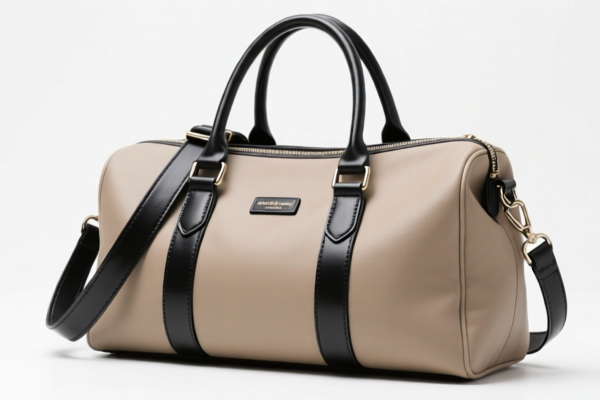
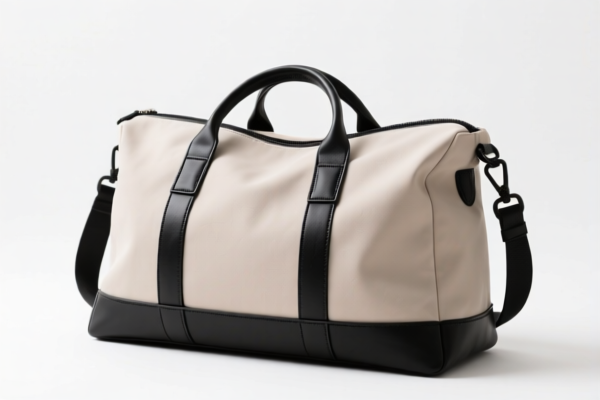
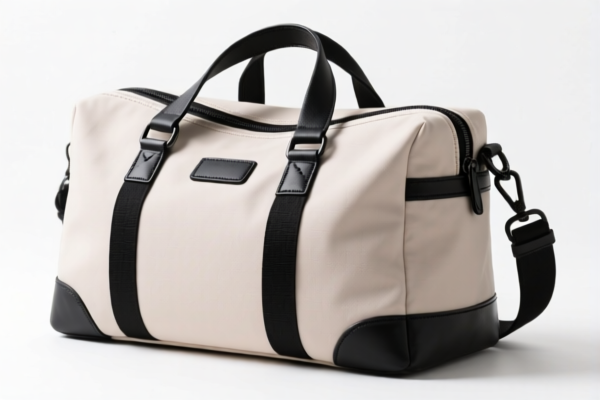
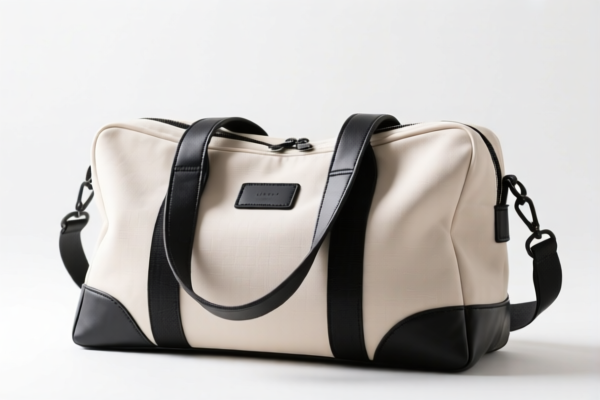
AI分析
🛍️ Bags (Generic Classification Analysis)
🌐 HS Code Reference & Customs Clearance Guide | Material-Based Classification Logic | Strategic Duty Optimization
📌 I. Product Definition: Why "Bag" is Not a Single HS Code
In international trade, "Bags" is a generic term, not a specific HS Code. The correct classification depends entirely on Material and Function. Misclassification leads to massive duty differences (e.g., 20.2% vs. 38.0%) and customs delays.
Based on the provided data, "Bags" fall into four primary categories: 1. Textile/Plastic Bags for Bread: Synthetic packaging. 2. Plastic Bags (Sacks/Pouches): General plastic packaging. 3. Paper Bags: E-commerce or retail packaging. 4. Rubber/Plastic Covers/Cases: Protective gear (e.g., device cases, wheel covers).
⚠️ Critical Distinction:
- Is it for packaging goods (consumable/disposable) → Look at Chapters 39, 48, 63.
- Is it for protecting an item (reusable/semi-permanent) → Look at Chapters 40, 39, 63.
📦 II. HS Code Classification Breakdown (2026 Latest Tariff Logic)
| HS Code | Product Description | Material Inference | Primary Use Case |
|---|---|---|---|
6305.33.00.80 |
Sacks and Bags, for Packaging | PE/PP (Plastic Textiles) | Bread bags, produce bags, retail packaging |
3923.29.00.00 |
Articles for the Conveyance or Packing of Goods (Plastic) | Plastic (Pure Plastic Film) | Plastic pouches, shrink wrap, general plastic bags |
4819.30.00.40 |
Cartons, Boxes, Cases, Bags, etc. (Paper) | Paper/Cardboard | Bakery paper bags, e-commerce mailers, kraft bags |
4016.99.15.00 |
Other Articles of Rubber (Lids/Seals/Covers) | Rubber | Wheel covers, protective rubber sleeves, seal caps |
3926.90.99.89 |
Other Plastic Articles | Plastic/Rubber/Fabric | General protective cases, miscellaneous plastic covers |
🔍 Key Logic:
-6305is for textile-like plastic bags (woven PE/PP), commonly used for bread/vegetables.
-3923is for non-woven/pure plastic packaging (films, sacks).
-4016is specifically for rubber items that act as seals, lids, or protective covers.
-3926is a "catch-all" for plastic articles not specified elsewhere (e.g., hard plastic cases).
💰 III. 2026 Tariff Rate Detail (US Import from China)
✅ Country of Origin: China (CN)
✅ Destination: United States (US)
✅ Effective Date: Post-2025 policies (including Section 301 & IEEPA)
🎯 1. 6305.33.00.80 — Sacks & Bags (Plastic Textiles)
Best for: Bread bags, woven plastic produce bags.
| Item | Detail |
|---|---|
| Base Tariff | 8.4% |
| Section 301 Tariff | +7.5% |
| IEEPA (Section 122) Tariff | +10% |
| Total Effective Rate | 25.9% |
| Duty Calculation | CIF Value × 25.9% |
| De Minimis Eligibility | ❌ No (High duty rate excludes $800 exemption) |
| Legal Path | HTSUS:6305.33.00 → USITC Footnote → IEEPA:9903.01.24 |
📌 Explanation:
- This category assumes the bag is made of woven polyethylene/polypropylene (textile-like).
- Lower base duty (8.4%) compared to pure plastic, but still subject to significant add-ons.
🎯 2. 3923.29.00.00 — Plastic Packing Articles
Best for: Pure plastic film bags, non-woven plastic sacks.
| Item | Detail |
|---|---|
| Base Tariff | 3.0% |
| Section 301 Tariff | +25.0% |
| IEEPA (Section 122) Tariff | +10% |
| Total Effective Rate | 38.0% |
| Duty Calculation | CIF Value × 38.0% |
| De Minimis Eligibility | ❌ No |
| Legal Path | HTSUS:3923.29.00 → USITC Footnote → IEEPA:9903.01.24 |
📌 Warning:
- Despite a low base duty (3%), the 25% Section 301 tariff makes this significantly more expensive than textile-like bags (6305).
- Common mistake: Declaring PE bags as3923when they should be6305(if woven).
🎯 3. 4819.30.00.40 — Paper Bags
Best for: Paper bakery bags, kraft paper bags.
| Item | Detail |
|---|---|
| Base Tariff | 0.0% |
| Section 301 Tariff | +25.0% |
| IEEPA (Section 122) Tariff | +10% |
| Total Effective Rate | 35.0% |
| Duty Calculation | CIF Value × 35.0% |
| De Minimis Eligibility | ❌ No |
| Legal Path | HTSUS:4819.30.00 → USITC Footnote → IEEPA:9903.01.24 |
📌 Note:
- Paper benefits from 0% base duty, but the 301 tariff hits hard.
- Competitive against pure plastic (3923) due to lower base rate, but still expensive.
🎯 4. 4016.99.15.00 — Other Rubber Articles (Covers/Seals)
Best for: Rubber wheel covers, protective rubber sleeves, silicone-like cases.
| Item | Detail |
|---|---|
| Base Tariff | 2.7% |
| Section 301 Tariff | +7.5% |
| IEEPA (Section 122) Tariff | +10% |
| Total Effective Rate | 20.2% |
| Duty Calculation | CIF Value × 20.2% |
| De Minimis Eligibility | ❌ No |
| Legal Path | HTSUS:4016.99.15 → USITC Footnote → IEEPA:9903.01.24 |
📌 Opportunity:
- Lowest total duty (20.2%) among protective items.
- Critical to prove the item is Rubber (not hard plastic) and functions as a cover/seal.
🎯 5. 3926.90.99.89 — Other Plastic Articles
Best for: General plastic cases, non-specific plastic covers.
| Item | Detail |
|---|---|
| Base Tariff | 5.3% |
| Section 301 Tariff | +7.5% |
| IEEPA (Section 122) Tariff | +10% |
| Total Effective Rate | 22.8% |
| Duty Calculation | CIF Value × 22.8% |
| De Minimis Eligibility | ❌ No |
| Legal Path | HTSUS:3926.90.99 → USITC Footnote → IEEPA:9903.01.24 |
📌 Catch-All Risk:
- If the item doesn't fit4016(rubber) or3923(packaging), it falls here.
- Moderate duty (22.8%) but carries higher scrutiny for "miscellaneous" classification.
🛠️ IV. Customs Clearance Practical Advice
✅ 1. Documentation Checklist (Mandatory)
| Document | Requirement | Reason |
|---|---|---|
| ✅ Product Specification Sheet | ✔️ Must detail Material (e.g., "100% HDPE", "Woven PP", "Natural Rubber") | Determines HS Code accuracy |
| ✅ Material Safety Data Sheet (MSDS) | ✔️ If chemical/rubber content >5% | Proof of material composition |
| ✅ Product Photos (Internal/External) | ✔️ Show texture, thickness, and any labels | Distinguish between "Packaging Bag" and "Protective Case" |
| ✅ Commercial Invoice | ✔️ Describe item as: "Polyethylene Bread Bags" NOT just "Bags" | Avoids ambiguity |
| ✅ Packing List | ✔️ Net/Gross weight, unit count | Ensures duty calculation accuracy |
✅ 2. Declaration Strategy (Avoid Audits)
🔥 "Material is King, Function is Queen"
| Scenario | Correct Declaration | Risk if Wrong |
|---|---|---|
| Bread Bags (Woven) | 6305.33.00.80 - "Woven Polyethylene Bags" |
If declared as Plastic (3923), duty jumps from 25.9% to 38.0% |
| Pure Plastic Bag | 3923.29.00.00 - "Plastic Sacks for Packing" |
If declared as Paper, rejected; if Rubber, audit risk |
| Rubber Wheel Cover | 4016.99.15.00 - "Rubber Protective Covers" |
If declared as Plastic (3926), duty increases from 20.2% to 22.8% + scrutiny |
| Paper Bag | 4819.30.00.40 - "Paper Bags for Packaging" |
If declared as Plastic, high duty penalty |
✅ 3. Special Handling Tips
| Situation | Advice |
|---|---|
| Mixed Materials (e.g., Plastic bag with Paper label) | Declare based on Principal Material. If >50% plastic by weight/value, use 3923 or 6305. |
| Reusable vs. Disposable | Disposable = Packaging (Ch 39/48/63). Reusable = Articles (Ch 39/40). |
| OEM/White Label | Ensure supplier certifies material composition. Custom declarations may trigger random inspections. |
| Section 122 Impact | All listed HS Codes include a 10% IEEPA tariff. Do not plan for duty-free entry under these codes. |
🌍 V. Global Market Comparison (2026)
| Market | Recommended HS Code | Estimated Total Duty | Key Certification |
|---|---|---|---|
| 🇺🇸 USA | 6305.33.00.80 (Textile) or 4016.99.15.00 (Rubber) |
20.2% - 25.9% | None specific, but accurate material proof required |
| 🇨🇳 China | 6305.33.00.80 |
~5-10% (Import Duty) | None |
| 🇪🇺 EU | 6305.33.00 |
~0-4% (VAT + Duty) | REACH (Chemicals), LFGB (Food Contact) |
| 🇬🇧 UK | 6305.33.00 |
~4-6% | UKCA Marking |
| 🇦🇺 AU | 6305.33.00 |
~5-10% | None specific |
📌 Conclusion:
- The US market is the most punitive due to Section 301 + IEEPA tariffs.
- Rubber Covers (4016) offer the lowest duty rate (20.2%) if the product can be classified as rubber.
- Plastic Packaging (3923) is the most expensive (38.0%) due to the high 25% Section 301 tariff.
📌 VI. Common Mistakes & Pitfalls
❌ Mistake 1: Using generic term "Bag" in invoice
👉 Result: Customs holds shipment for material verification → Delays + Storage Fees.
❌ Mistake 2: Misclassifying Woven PE as Plastic (3923) instead of Textile (6305)
👉 Result: Overpaying 12.1% in duties (38.0% vs 25.9%).
❌ Mistake 3: Classifying Rubber Cases as Plastic (3926)
👉 Result: Overpaying 2.6% and risking classification audit.
❌ Mistake 4: Ignoring IEEPA 10% Tariff
👉 Result: Under-quoting landed cost → Profit margin erosion.
✅ Correct Action:
"Specify: 'Woven Polyethylene Bread Bags' or 'Natural Rubber Protective Covers'."
"Provide: Material Composition Certificate from manufacturer."
🎯 VII. Conclusion: Optimize Classification for Cost Savings
🎯 Key Takeaway:
🔹 "Check the weave: Woven? Use 6305 (25.9%). Pure Plastic? 3923 (38.0%)."
🔹 "Rubber Covers? 4016 (20.2%) is the cheapest protective option."
🔹 "Always declare specific material, never just 'Bags'."
📌 Pro Tip:
If your "Bags" are food-contact (e.g., bread bags), ensure they meet FDA/USDA standards. While not a tariff issue, non-compliance leads to refusal of entry, which is costlier than duty.
📣 Immediate Action:
📞 Contact your supplier for a Material Test Report.
🚀 Select HS Code based on actual material, not marketing name.
💼 Calculate Landed Cost using Total Duty Rates (Base + 301 + 122).
✨ Precision Classification Saves Dollars!
💼 One HS Code Difference = 12%+ Cost Savings!
用户评价
关于 HS 编码归类
协调制度(HS)是由世界海关组织(WCO)制定的国际贸易商品分类标准。全球 200 多个国家采用 HS 系统作为海关关税、贸易统计和进出口监管的基础。
每个 HS 编码遵循以下层级结构:
- 章(2 位)——商品大类(例如:第 84 章:机器和机械设备)
- 品目(4 位)——章内的更具体分类
- 子目(6 位)——国际通用细分,所有 WCO 成员国统一使用
- 本国细分(8-10 位)——各国自行扩展的细分编码,如美国 HTSUS 10 位编码
正确的 HS 编码归类对于顺利通关、准确缴纳关税和遵守贸易法规至关重要。错误归类可能导致海关延误、多缴关税或罚款。
从CN进口到US时,适用的关税税率可能包括:
- 最惠国(MFN)税率——适用于 WTO 成员国的标准关税税率
- 普通税率——适用于无贸易协定国家
- 贸易救济关税——附加关税,如 301 条款(反倾销)、232 条款(国家安全)或反补贴税
本页内容仅供参考。如需正式归类,请咨询当地海关或持牌报关代理。