Balance Support Foot
CN → US| HS编码 | 关税税率 | 原产国 | 目的国 | 文档 |
|---|---|---|---|---|
| 9021908100 | 10.0% | CN | US | 官方文档 |
| 6406909000 | 17.5% | CN | US | 官方文档 |
| 9021100090 | 10.0% | CN | US | 官方文档 |
| 6406901580 | 32.4% | CN | US | 官方文档 |
商品图片
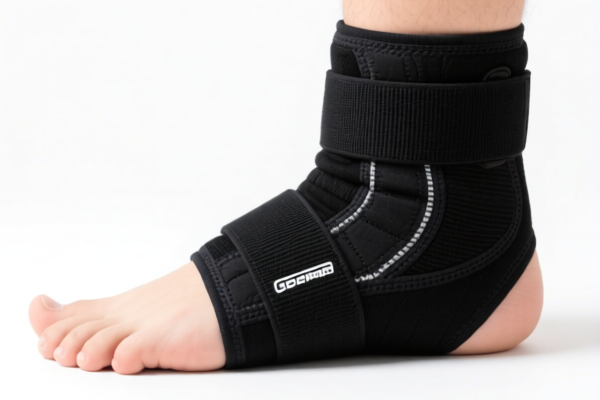
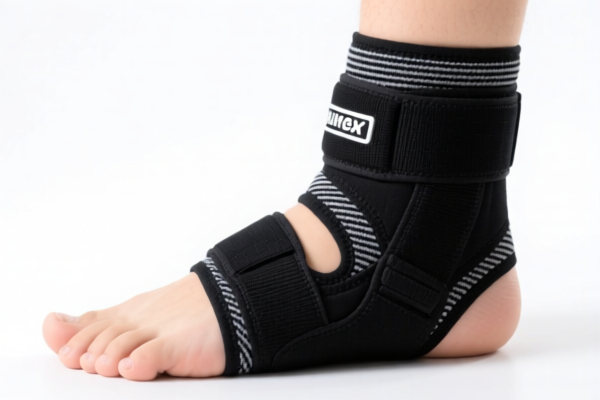
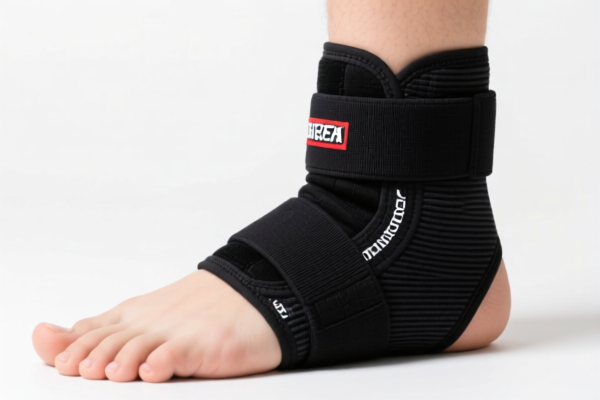
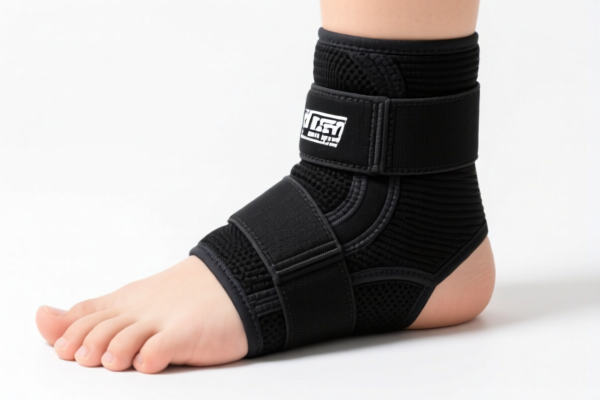
AI分析
👟 Balance Support Foot (Orthopedic Insoles & Shoe Accessories)
🌐 HS Code Reference & Customs Clearance Guide | 2026 Latest Tariff Analysis | Professional Clearance Strategy
📌 I. Product Definition & Classification: What Exactly is a "Balance Support Foot"?
"Balance Support Foot" typically refers to orthopedic insoles, foot pads, or heel cups designed to improve posture, alleviate pain, or support the arch. In international trade, the classification depends heavily on material composition and primary function:
- Orthopedic Appliances (Medical/Functional): If the item is designed to correct deformities, provide therapeutic support, or is classified as a surgical appliance, it falls under Chapter 90.
- Shoe Parts (General Use): If the item is a standard removable insole, heel pad, or liner primarily used for comfort or standard shoe fitting, it falls under Chapter 64 (Footwear parts).
⚠️ Key Distinction Point:
- If it claims therapeutic/corrective benefits (e.g., "orthopedic," "surgical appliance," "arch support for flat feet") → Likely 9021.
- If it is a standard insole/shoe part made of textile, rubber, or plastic → Likely 6406.
📦 II. HS Code Classification Details (2026 Latest Tariff Reference)
Based on the provided data, here are the four possible classifications for "Balance Support Foot":
| HS Code | Product Description | Classification Logic | Applicable Scenario |
|---|---|---|---|
9021.90.81.00 |
Orthopedic Accessories | Classified as a support material for feet, deemed an orthopedic auxiliary function. Fits the logic of "medical device accessories/auxiliary parts." | Therapeutic insoles, prescription orthotics, devices for correcting foot deformities. |
6406.90.90.00 |
Shoe Parts (Non-Metal) | Classified as a shoe part, specifically removable insoles. Material inferred as non-metallic other materials (e.g., foam, rubber, plastic). | General comfort insoles, gel pads, standard shoe liners. |
9021.10.00.90 |
Orthopedic Surgical Appliances | Foot support material falling under orthopedic surgical appliances. Classified as a non-internal fixation auxiliary device. | Custom-made orthotics, corrective braces for feet, medical-grade supports. |
6406.90.15.80 |
Shoe Parts (Textile) | Classified as a similar article/removable insole/foot pad. Material inferred as textile materials. | Fabric-covered insoles, wool felt pads, textile-based heel cups. |
🔍 Key Reminder:
- Medical vs. General Use: If the product marketing emphasizes medical correction (e.g., "treats plantar fasciitis"), customs may push for 9021. If it’s just for comfort, 6406 is more common.
- Material Matters: The base material (textile vs. foam/plastic) determines the subheading within Chapter 64.
💰 III. 2026 Latest Tariff Rate Breakdown (Including Additional Taxes & Policy Surcharges)
✅ Applicable Country: United States (US)
✅ Country of Origin: China (CN)
✅ Effective Date: November 10, 2025 (for subsequent imports)
🎯 1. 9021.90.81.00 & 9021.10.00.90 —— Orthopedic Foot Supports
| Item | Content |
|---|---|
| Base Tariff | 0.0% |
| Section 301 Surcharge | 0.0% |
| Section 122 Tariff | +10.0% |
| Total Tariff Rate | 10.0% |
| Tax Calculation | CIF Value × 10% |
| De Minimis Exemption | ❌ Not Eligible (Section 122 applies) |
| Legal Basis Path | Section 122: 10% → HTS: 9021.90.81.00 / 9021.10.00.90 |
📌 Explanation:
- These codes are classified as medical/orthopedic appliances.
- They are exempt from the higher Section 301 tariffs (25%) but still subject to the Section 122 tariff (10%) applicable to certain Chinese-origin goods.
- Total burden is relatively low at 10%, making this the most cost-effective classification if the product qualifies as a medical/orthopedic aid.
🎯 2. 6406.90.90.00 —— Shoe Parts (Non-Metal, Other Materials)
| Item | Content |
|---|---|
| Base Tariff | 0.0% |
| Section 301 Surcharge | +7.5% |
| Section 122 Tariff | +10.0% |
| Total Tariff Rate | 17.5% |
| Tax Calculation | CIF Value × 17.5% |
| De Minimis Exemption | ❌ Not Eligible |
| Legal Basis Path | Section 301: 7.5% → Section 122: 10% → HTS: 6406.90.90.00 |
📌 Explanation:
- Classified as general shoe parts.
- Subject to Section 301 (7.5%) (Note: Some categories may have different 301 rates, but data specifies 7.5%) and Section 122 (10%).
- Higher than orthopedic codes due to Section 301 application.
🎯 3. 6406.90.15.80 —— Shoe Parts (Textile Materials)
| Item | Content |
|---|---|
| Base Tariff | 14.9% |
| Section 301 Surcharge | +7.5% |
| Section 122 Tariff | +10.0% |
| Total Tariff Rate | 32.4% |
| Tax Calculation | CIF Value × 32.4% |
| De Minimis Exemption | ❌ Not Eligible |
| Legal Basis Path | Base: 14.9% → Section 301: 7.5% → Section 122: 10% → HTS: 6406.90.15.80 |
📌 Explanation:
- If the insole is made of textile (e.g., fabric, wool, felt), the base tariff is significantly higher (14.9%).
- Combined with Section 301 (7.5%) and Section 122 (10%), this results in the highest total tariff (32.4%).
- Avoid this classification if possible; consider reclassifying as non-textile or orthopedic.
🛠️ IV. Customs Clearance Practical Advice (Pitfall Avoidance Guide)
✅ 1. Documentation Checklist (Essential)
| Document | Required | Notes |
|---|---|---|
| ✅ Product Specification Sheet | ✔️ | Include material composition, dimensions, and intended use (medical vs. comfort). |
| ✅ Material Declaration | ✔️ | Clearly state if the material is textile, foam, rubber, or plastic. |
| ✅ Medical Certification (if applicable) | ✔️ | If claiming 9021 (orthopedic), provide FDA registration or medical device classification documents. |
| ✅ Commercial Invoice | ✔️ | Describe product as "Orthopedic Foot Support" or "Removable Shoe Insole" accurately. |
| ✅ Packing List | ✔️ | Detail units per box, net/gross weight. |
| ✅ Country of Origin Certificate | ✔️ | Essential for applying correct tariff rates. |
✅ 2. Declaration Tips (Key Strategy)
🔥 “Medical Claims? Go 9021. Textile? Avoid 6406.15. Declare Material!”
| Scenario | Correct HS Code | Incorrect Approach | Consequence |
|---|---|---|---|
| Therapeutic/Corrective Insole | 9021.90.81.00 / 9021.10.00.90 |
Declaring as "Shoe Part" | Risk of misclassification, but 9021 is cheaper (10%) if medically justified. |
| Standard Comfort Insole (Foam/Rubber) | 6406.90.90.00 |
Declaring as "Textile" | Avoid 32.4% tax; use 17.5% instead. |
| Textile/Fabric Insole | 6406.90.15.80 |
None (Inevitable) | High tax (32.4%); consider if product can be made from non-textile materials. |
| Mixed Materials | Consult Customs | Vague description | Delays, inspections, potential penalty. |
✅ 3. Special Case Handling
| Situation | Recommendation |
|---|---|
| Product has Medical Benefits | Provide doctor’s prescription or medical device list to support 9021 classification. |
| Product is Fashion/Comfort Only | Clearly state "Non-medical," "General Use," "Shoe Accessory" to avoid unnecessary medical device scrutiny. |
| Textile-Based Insole | Explore if the product can be made from non-textile materials (e.g., EVA foam) to shift to 6406.90.90.00 (17.5%) or 9021 (10%). |
| Section 122 Applicability | Confirm if the product origin and type are subject to Section 122 (currently 10% for many Chinese goods). |
🌍 V. Global Market Comparison (2026 Latest)
| Country/Region | Recommended HS Code | Tariff Rate | Certification Requirements | Notes |
|---|---|---|---|---|
| 🇺🇸 USA | 9021.90.81.00 |
10% (with Sec 122) | FDA (if medical) | Best option for orthopedic items. |
| 🇺🇸 USA | 6406.90.90.00 |
17.5% | None | Best for general shoe parts. |
| 🇺🇸 USA | 6406.90.15.80 |
32.4% | None | Avoid if possible due to high base rate. |
| 🇨🇳 China | 9021 / 6406 |
0-10% | CCC (if medical) | Lower export taxes. |
| 🇪🇺 EU | 9021 / 6406 |
0-4.5% | CE (if medical) | No Section 122/301 surcharges. |
📌 Conclusion:
- USA Market: Prioritize9021classification for medical/orthopedic claims to minimize tax to 10%.
- Avoid Textile (6406.90.15.80) unless necessary, as the 32.4% total tariff is burdensome.
- Documentation is Key: Clear material declaration and medical justification (if applicable) are crucial for smooth clearance.
📌 VI. Common Mistakes & Pitfalls (Lessons Learned)
❌ Mistake 1: Declaring a medical orthotic as a general shoe part (6406)
👉 Consequence: While tax might be higher (17.5%), it’s still cheaper than textile. However, if it fails medical scrutiny, it’s not a problem. The real risk is declaring a general insole as medical to get 10% tax, but lacking proof → Penalties!
❌ Mistake 2: Using "Insole" without specifying material
👉 Consequence: Customs may default to the highest applicable rate (e.g., textile) or hold the shipment for inspection.
❌ Mistake 3: Ignoring Section 122 Tariff
👉 Consequence: Surprises with an unexpected 10% charge on top of other duties.
❌ Mistake 4: Misclassifying textile insoles as non-textile
👉 Consequence: Significant tax underpayment (32.4% vs 17.5% or 10%), leading to duties owed + penalties.
✅ Correct Approach:
"Orthopedic Foot Support, EVA Foam Core, Medical Grade, FDA Registered" →
9021.90.81.00
"Removable Shoe Insole, Non-Textile, General Use" →6406.90.90.00
"Fabric Heel Pad, Textile Material" →6406.90.15.80
🎯 VII. Conclusion: Precise Classification Saves Money!
🎯 Remember the Key Takeaways:
🔹 "Medical = 9021 (10%) | Non-Medical/Shoe Part = 6406 (17.5% | 32.4%)"
🔹 "Textile is Expensive (32.4%) | Foam/Rubber is Cheaper (17.5%) | Medical is Best (10%)"
🔹 "Always declare material and function clearly to avoid delays!"
📌 Pro Tip:
If your product is primarily for medical/orthopedic use, invest in medical device certification to qualify for the lower 10% tariff under 9021.
If it’s a general consumer good, ensure the material is not textile to avoid the 32.4% hit.
📣 Action Plan:
📞 Consult a Customs Broker: Confirm the exact material and function.
📄 Prepare Medical Docs: If claiming orthopedic status.
🏷️ Label Accurately: "Orthopedic Insole" vs. "Shoe Insole."
🚀 Optimize for 10%: Make it a medical device if possible!
✨ Professional clearance starts with accurate classification!
💼 Every percentage point matters in your profit margin!
用户评价
关于 HS 编码归类
协调制度(HS)是由世界海关组织(WCO)制定的国际贸易商品分类标准。全球 200 多个国家采用 HS 系统作为海关关税、贸易统计和进出口监管的基础。
每个 HS 编码遵循以下层级结构:
- 章(2 位)——商品大类(例如:第 84 章:机器和机械设备)
- 品目(4 位)——章内的更具体分类
- 子目(6 位)——国际通用细分,所有 WCO 成员国统一使用
- 本国细分(8-10 位)——各国自行扩展的细分编码,如美国 HTSUS 10 位编码
正确的 HS 编码归类对于顺利通关、准确缴纳关税和遵守贸易法规至关重要。错误归类可能导致海关延误、多缴关税或罚款。
从CN进口到US时,适用的关税税率可能包括:
- 最惠国(MFN)税率——适用于 WTO 成员国的标准关税税率
- 普通税率——适用于无贸易协定国家
- 贸易救济关税——附加关税,如 301 条款(反倾销)、232 条款(国家安全)或反补贴税
本页内容仅供参考。如需正式归类,请咨询当地海关或持牌报关代理。