Bamboo Dinner Plate
CN → US| HS编码 | 关税税率 | 原产国 | 目的国 | 文档 |
|---|---|---|---|---|
| 4419110000 | 13.2% | CN | US | 官方文档 |
| 4419199000 | 13.2% | CN | US | 官方文档 |
| 4602114500 | 41.6% | CN | US | 官方文档 |
| 4420110010 | 13.2% | CN | US | 官方文档 |
商品图片
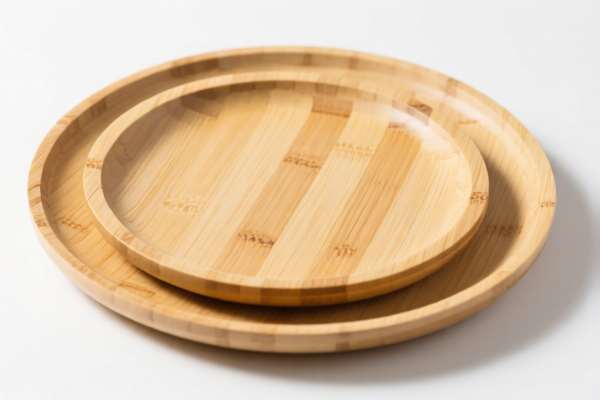
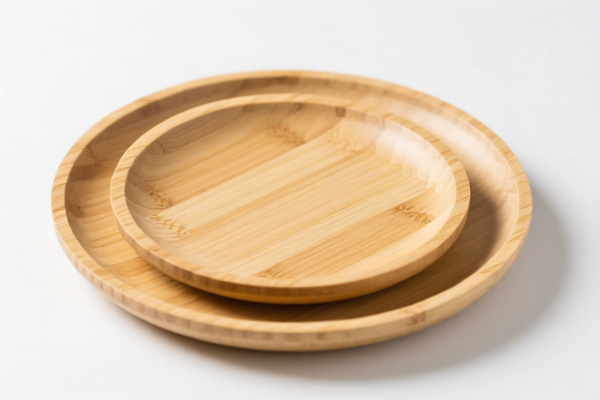
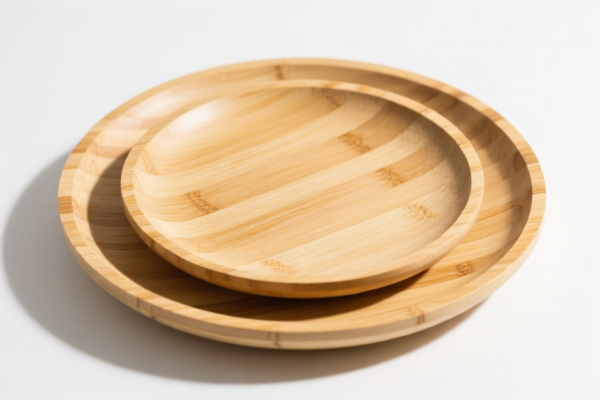
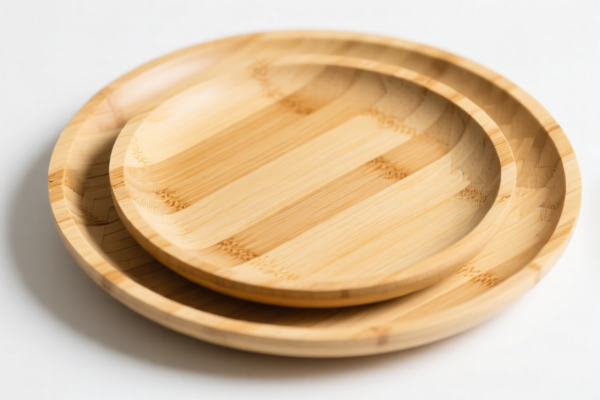
AI分析
🎋 Bamboo Dinner Plates (Bamboo Tableware)
🌐 HS Code Reference & Customs Clearance Guide | 2026 Latest Tariff Analysis | Professional Clearance Strategy
📌 I. Product Definition & Classification: Do You Really Understand "Bamboo Dinner Plates"?
Bamboo dinner plates are eco-friendly, sustainable tableware made from processed bamboo fibers or solid bamboo strips. In international trade, the classification depends heavily on the manufacturing process (molded vs. woven) and specific usage.
Solid/Molded Bamboo Items: Plates made from compressed bamboo powder or solid slices, molded into shapes. These generally fall under Chapter 44 (Wood and Articles of Wood).
Woven/Plaited Bamboo Items: Plates or containers made from interlaced bamboo strips or plant materials. These fall under Chapter 46 (Vegetable Plaiting Materials).
⚠️ Key Distinction Point:
- If the item is a molded plate or a solid accessory →归入 4419.11.00.00 or 4419.19.90.00
- If the item is woven, plaited, or basket-like in structure → 归入 4602.11.45.00
- If it is a decorative/structural accessory rather than a functional plate → 归入 4420.11.00.10
📦 II. HS Code Classification Details (2026 Latest Tariff Authority Comparison)
| HS Code | Product Description | Applicable Scenario | Manufacturing Process |
|---|---|---|---|
4419.11.00.00 |
Table and kitchenware of bamboo | Bamboo dinner plates (Molded or solid) | Molded/Solid Bamboo |
4419.19.90.00 |
Other table and kitchenware of bamboo | Bamboo dinner plates (if not specifically listed in 4419.11) | Molded/Solid Bamboo |
4602.11.45.00 |
Articles of bamboo, cane, or other plaiting materials | Woven bamboo plates or basket-like containers | Woven/Plaited |
4420.11.00.10 |
Other articles of bamboo | Bamboo plate accessories, decorative holders, or non-functional parts | Solid Bamboo/Accessory |
🔍 Critical Reminder:
- "Dinner Plate" usually implies a functional eating surface. If it is a standard molded plate,4419.11.00.00is the primary classification.
- If the plate is made by weaving strips (like a mat), it MUST be classified under4602.11.45.00, which carries a significantly higher tariff burden.
- Do not misclassify woven items as molded items to avoid tariff evasion penalties.
💰 III. 2026 Latest Tariff Rate Details (Including Surtaxes & Policy Add-ons)
✅ Applicable Country: United States (US)
✅ Country of Origin: China (CN)
✅ Effective Time: From November 10, 2025 (including subsequent imports)
🎯 1. 4419.11.00.00 —— Bamboo Tableware (Molded/Solid Plates)
| Item | Content |
|---|---|
| Basic Tariff | 3.2% (Ad Valorem) |
| Section 301 Surcharge | 0.0% |
| Section 122 Surcharge | 10% |
| Total Tax Rate | 13.2% |
| Tax Calculation | CIF Value × 13.2% |
| De Minimis Eligibility | ❌ No (Subject to scrutiny under Section 122) |
| Legal Basis Path | HTSUS:4419.11.00.00 → Section 122 Surcharge 10% |
📌 Explanation:
- Base Tariff (3.2%): Standard MFN rate for bamboo tableware.
- Section 122 Tariff (10%): This is a critical addition. Section 122 imposes a 10% surcharge on imports from countries where the US has a significant trade deficit (including China). This applies to most consumer goods, including bamboo products.
- Section 301 (0%): Note that in this specific dataset, the Section 301 surcharge is listed as 0.0% for this code, which is favorable compared to other categories. However, always verify current ITA exclusions.
- Total: 13.2%. This is a moderate tariff level but still significant for low-margin goods.
🎯 2. 4419.19.90.00 —— Other Bamboo Tableware
| Item | Content |
|---|---|
| Basic Tariff | 3.2% |
| Section 301 Surcharge | 0.0% |
| Section 122 Surcharge | 10% |
| Total Tax Rate | 13.2% |
| Tax Calculation | CIF Value × 13.2% |
| De Minimis Eligibility | ❌ No |
| Legal Basis Path | HTSUS:4419.19.90.00 → Section 122 Surcharge 10% |
📌 Note:
- Similar to4419.11.00.00, this code carries the same 13.2% total tariff.
- Use this code if the plate does not fit the specific definition of 4419.11 (e.g., specific shape or size exclusions).
- The tax burden is identical; ensure the description matches the physical product accurately.
🎯 3. 4602.11.45.00 —— Woven Bamboo Articles (Woven Plates)
| Item | Content |
|---|---|
| Basic Tariff | 6.6% |
| Section 301 Surcharge | 25.0% |
| Section 122 Surcharge | 10% |
| Total Tax Rate | 41.6% |
| Tax Calculation | CIF Value × 41.6% |
| De Minimis Eligibility | ❌ No |
| Legal Basis Path | HTSUS:4602.11.45.00 → Section 301 Footnote + Section 122 Surcharge |
📌 Warning:
- High Tariff Alert: If your "plate" is actually woven or plaited, the tariff jumps to 41.6%.
- The 25% Section 301 tariff is the main driver here. This code is heavily penalized.
- Do not attempt to misclassify woven items as molded items (4419) to save 28.4%. Customs audits are strict on material structure.
🎯 4. 4420.11.00.10 —— Other Bamboo Articles (Accessories)
| Item | Content |
|---|---|
| Basic Tariff | 3.2% |
| Section 301 Surcharge | 0.0% |
| Section 122 Surcharge | 10% |
| Total Tax Rate | 13.2% |
| Tax Calculation | CIF Value × 13.2% |
| De Minimis Eligibility | ❌ No |
| Legal Basis Path | HTSUS:4420.11.00.10 → Section 122 Surcharge |
📌 Note:
- This code is for accessories or non-functional bamboo items (e.g., plate stands, decorative bamboo frames).
- If you are shipping actual dinner plates, do not use this code. Misclassification as "accessory" for a main product will lead to penalties.
- The tariff is 13.2%, same as the main tableware codes, but the product definition is strictly different.
🛠️ IV. Customs Clearance Practical Advice (Avoiding Pitfalls)
✅ 1. Documentation Checklist (Mandatory)
| Document | Required | Description |
|---|---|---|
| ✅ Product Specification Sheet | ✔️ | Detail material (100% bamboo vs. bamboo composite), manufacturing method (molded vs. woven). |
| ✅ Product Photos | ✔️ | Clear images showing the plate's structure, any coatings, and packaging. |
| ✅ Commercial Invoice | ✔️ | Must state "Bamboo Dinner Plates" and HS Code. Avoid vague terms like "Kitchen Items." |
| ✅ Packing List | ✔️ | Itemize counts and weights. |
| ✅ Certificate of Origin (CO) | ✔️ | Essential for proving Chinese origin (which triggers Section 122). |
| ✅ Food Contact Safety Declaration | ✔️ | FDA compliance statement for bamboo products intended for food use. |
✅ 2. Declaration Tips (Key Mantra)
🔥 "Molded is 4419, Woven is 4602. 122 Applies, 301 Varies!"
| Scenario | Correct Declaration | Incorrect Practice |
|---|---|---|
| Standard Molded Plate | 4419.11.00.00 |
Misclassifying as 4602 → 41.6% Tariff |
| Woven Plate | 4602.11.45.00 |
Misclassifying as 4419 → 13.2% Tariff (High Risk) |
| Bamboo Stand/Holder | 4420.11.00.10 |
Declaring as "Plate" → Misclassification |
| Mixed Container | List all items separately | Bundling all as "Bamboo Goods" → Valuation Issues |
✅ 3. Special Circumstances Handling
| Situation | Handling Advice |
|---|---|
| Bamboo Composite (with Resin) | If >95% bamboo, still 4419. If mostly resin/plastic with bamboo veneer, it may shift to 3926 (Plastics). Check material composition! |
| Laminated Bamboo | Still considered "Bamboo" under 4419. Ensure it is not classified as "Wood" under a different code if it loses its bamboo identity. |
| Packaging Waste | If bamboo plates are used as filler/padding, they are not "tableware" but "packaging materials." Different HS code applies. |
| Section 122 Impact | Since Section 122 adds 10%, ensure your pricing model accounts for this mandatory surcharge. It is not negotiable. |
🌍 V. Global Market Customs Comparison (2026 Latest)
| Country/Region | Recommended HS Code | Tariff Rate | Certification Requirements | Notes |
|---|---|---|---|---|
| 🇺🇸 USA | 4419.11.00.00 |
13.2% | FDA Food Contact | Section 122 adds 10%. High scrutiny on woven vs. molded. |
| 🇨🇳 China | 4419.11.00.00 |
5-10% | No special import tax for export | Domestic standard applies. |
| 🇪🇺 EU | 4602.11.00 / 4419 |
0-5% | FSC/PEFC Certification (Sustainability) | No Section 122. Focus on eco-certification. |
| 🇬🇧 UK | 4419.11.00 |
0-5% | Post-Brexit Rules of Origin | Similar to EU, but verify UK-specific tariffs. |
| 🇦🇺 Australia | 4419.11.00 |
5% | Biosecurity Quarantine | Strict biosecurity checks for raw bamboo. |
📌 Conclusion:
- USA has the most complex tariff structure due to Section 122 (10%) and potential Section 301 (25% for woven items).
- EU/UK are more favorable on base tariffs but require sustainability certifications (FSC).
- Cost Strategy: For US market, ensure molded plates are clearly declared as4419.11.00.00to avoid the 41.6% woven tariff trap.
📌 VI. Common Errors & Pitfall Guide (Lessons Learned)
❌ Mistake 1: Calling woven bamboo plates "Dinner Plates" and classifying as 4419
👉 Consequence: Customs detects woven structure → Re-classification to 4602 + 28.4% retroactive tax + penalties!
❌ Mistake 2: Ignoring Section 122 Surcharge
👉 Consequence: Underpaying tariffs by 10%. Customs will demand back payment + interest.
❌ Mistake 3: Vague Description ("Bamboo Items")
👉 Consequence: Customs assessment delay, potential higher duty assessment due to uncertainty.
❌ Mistake 4: Misclassifying Bamboo Composite as Pure Bamboo
👉 Consequence: If resin content is high, it may be classified as Plastic (3926), which has different regulations and tariffs.
✅ Correct Practice:
"Molded Bamboo Dinner Plate, 100% Bamboo Fiber, Food Grade Coating, Model XYZ, FDA Compliant"
HS Code:4419.11.00.00
🎯 VII. Conclusion: Professional Declaration, Save Money, Ensure Compliance!
🎯 Remember the Mantra:
🔹 "Molded 13.2%, Woven 41.6%. Section 122 is 10%. Don't Guess, Classify Right!"
🔹 "Woven is NOT Tableware of Wood. Check Structure, Check Tariff!"
📌 Pro Tip:
If your bamboo products are sourced from Vietnam, Cambodia, or Laos, you may avoid Section 122 and Section 301 surcharges entirely, potentially reducing the tariff to 6.6% (Base only) or even 0% under certain FTAs.
✅ Recommendation:
📞 Consult a licensed customs broker + Provide material composition report + Apply for Advance Ruling if unsure about woven vs. molded status.
📣 Take Action Now:
🚀 Verify your product structure (Molded vs. Woven)
💰 Calculate landed cost with 13.2% (Molded) or 41.6% (Woven)
📦 Ensure accurate HS Code declaration to avoid detention
✨ Professional Clearance Starts with Accurate Classification!
💼 Every percentage point counts in your profit margin!
用户评价
关于 HS 编码归类
协调制度(HS)是由世界海关组织(WCO)制定的国际贸易商品分类标准。全球 200 多个国家采用 HS 系统作为海关关税、贸易统计和进出口监管的基础。
每个 HS 编码遵循以下层级结构:
- 章(2 位)——商品大类(例如:第 84 章:机器和机械设备)
- 品目(4 位)——章内的更具体分类
- 子目(6 位)——国际通用细分,所有 WCO 成员国统一使用
- 本国细分(8-10 位)——各国自行扩展的细分编码,如美国 HTSUS 10 位编码
正确的 HS 编码归类对于顺利通关、准确缴纳关税和遵守贸易法规至关重要。错误归类可能导致海关延误、多缴关税或罚款。
从CN进口到US时,适用的关税税率可能包括:
- 最惠国(MFN)税率——适用于 WTO 成员国的标准关税税率
- 普通税率——适用于无贸易协定国家
- 贸易救济关税——附加关税,如 301 条款(反倾销)、232 条款(国家安全)或反补贴税
本页内容仅供参考。如需正式归类,请咨询当地海关或持牌报关代理。