Bamboo Plate Divider
CN → US| HS编码 | 关税税率 | 原产国 | 目的国 | 文档 |
|---|---|---|---|---|
| 4419199000 | 13.2% | CN | US | 官方文档 |
| 4414900000 | 21.4% | CN | US | 官方文档 |
| 4419110000 | 13.2% | CN | US | 官方文档 |
| 4602110900 | 45.0% | CN | US | 官方文档 |
| 4602110700 | 35.0% | CN | US | 官方文档 |
商品图片
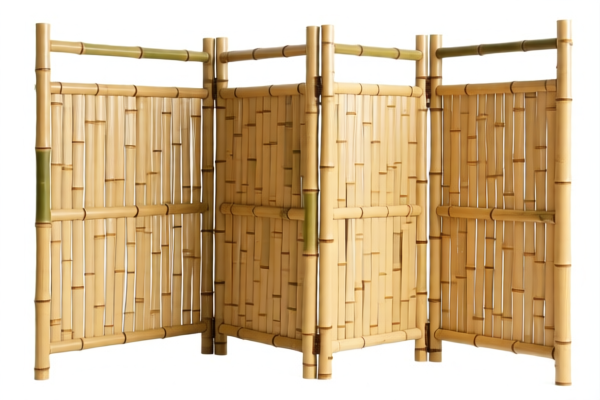
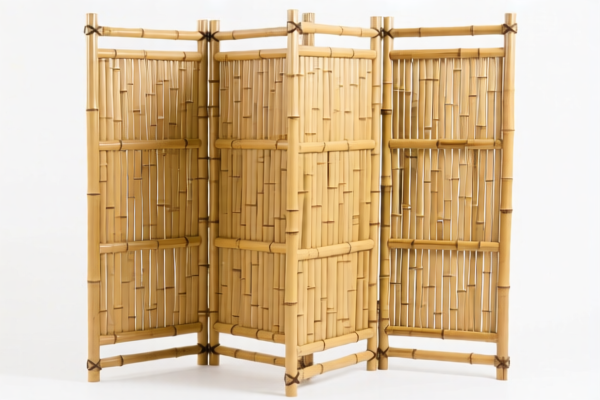


AI分析
🎋 Bamboo Plate Divider (Bamboo Divided Tray)
🌐 HS Code Reference & Customs Clearance Guide | 2026 Latest Tariff Analysis | Professional Clearance Strategy
📌 I. Product Definition & Classification: What Exactly Is a "Bamboo Plate Divider"?
A Bamboo Plate Divider (often called a divided tray or sectioned platter) is a household utensil made primarily of bamboo, designed to separate different types of food on a single plate. In international trade, its classification is critical because bamboo is legally treated as wood in many customs jurisdictions, but its function (kitchenware vs. woven basket) dictates the specific HS Code.
The core classification dilemma lies in distinguishing between: 1. Kitchenware/Tableware (Chapter 44.19): If it is rigid, carved, or assembled to serve food directly. 2. Woven Articles (Chapter 46.02): If it is constructed from woven strips, resembling a basket or mat.
⚠️ Key Distinction Point:
- If the tray is carved, molded, or assembled from solid bamboo slats for direct food contact → It is Tableware/Kitchenware.
- If the tray is woven from bamboo strips like a basket → It falls under Woven Articles.
📦 II. HS Code Classification Details (Based on Provided Data)
The following data reflects specific classifications for "Bamboo Divided Trays" with varying tax burdens. Note that China-origin goods importing into the US face significant additional tariffs.
| HS Code | Product Description & Logic | Tax Profile |
|---|---|---|
4419.19.90.00 |
Bamboo Tableware (Other): Divided trays categorized as general bamboo kitchenware/tableware, not specifically other listed sub-categories. | Total Tax: 13.2% (Base 3.2% + Section 122 10%) |
4414.90.00.00 |
Wooden Frames/Mounts: Classified oddly as "other wooden frames," treating the tray structure as a frame-like object. | Total Tax: 21.4% (Base 3.9% + Section 301 7.5% + Section 122 10%) |
4419.11.00.00 |
Bamboo Tableware (Plates/Platters): Specifically classified as bamboo plates or similar board-like tableware. | Total Tax: 13.2% (Base 3.2% + Section 122 10%) |
4602.11.09.00 |
Woven Bamboo Baskets/Containers: Classified as woven bamboo goods (baskets/bags), implying a woven construction method. | Total Tax: 45.0% (Base 10% + Section 301 25% + Section 122 10%) |
4602.11.07.00 |
Woven Bamboo Articles: Specific sub-category for woven bamboo containers/trays. | Total Tax: 35.0% (Base 0% + Section 301 25% + Section 122 10%) |
🔍 Critical Insight:
- Chapter 44 (Wood/Bamboo Tableware) generally offers lower tariffs (13.2%) for rigid trays.
- Chapter 46 (Woven Articles) attracts significantly higher tariffs (35%-45%) due to the "woven" classification triggering higher Section 301 duties (25% or 7.5%).
- Misclassification Risk: Declaring a rigid tray as "woven" (4602.xx) will result in unnecessary extra tax. Declaring a woven basket as "tableware" (4419.xx) may lead to customs rejection.
💰 III. 2026 Latest Tariff Rate Breakdown (Detailed Analysis)
✅ Applicable Country: USA (US)
✅ Country of Origin: China (CN)
✅ Effective Date: 2025/2026 (Current Trade Policies)
🎯 1. 4419.11.00.00 & 4419.19.90.00 — Bamboo Tableware (Recommended for Rigid Trays)
| Item | Detail |
|---|---|
| Base Tariff | 3.2% (Ad Valorem) |
| Section 301 (Trade War) Tariff | 0.0% (No additional 7.5% or 25% applied to these specific sub-heads in this dataset) |
| Section 122 Tariff | +10.0% (Specific surcharge for certain bamboo/wood products) |
| Total Effective Tax Rate | 13.2% |
| Calculation | CIF Value × 13.2% |
| De Minimis Exemption | ❌ No (High value threshold usually applies; Section 122 often excludes de minimis) |
📌 Explanation:
- This is the most cost-effective classification for rigid bamboo divided trays.
- The "Section 122" tariff is a specific US measure on certain bamboo products.
- Why 0% Section 301? In this specific data set, these HS codes do not carry the standard 7.5% or 25% Section 301 add-on, making them significantly cheaper than woven alternatives.
🎯 2. 4414.90.00.00 — Wooden Frames (Intermediate Cost)
| Item | Detail |
|---|---|
| Base Tariff | 3.9% |
| Section 301 (Trade War) Tariff | +7.5% |
| Section 122 Tariff | +10.0% |
| Total Effective Tax Rate | 21.4% |
| Calculation | CIF Value × 21.4% |
📌 Explanation:
- Classifying a tray as a "frame" is unusual but results in a moderate tax burden.
- It avoids the high 25% Section 301 rate but incurs a 7.5% surcharge, which Tableware (4419.xx) avoids.
🎯 3. 4602.11.07.00 — Woven Bamboo Articles (High Cost)
| Item | Detail |
|---|---|
| Base Tariff | 0.0% |
| Section 301 (Trade War) Tariff | +25.0% |
| Section 122 Tariff | +10.0% |
| Total Effective Tax Rate | 35.0% |
| Calculation | CIF Value × 35.0% |
📌 Explanation:
- Even with a 0% base tariff, the 25% Section 301 tariff makes this category expensive.
- Only applicable if the product is genuinely woven (not carved/solid).
🎯 4. 4602.11.09.00 — Woven Bamboo Baskets (Highest Cost)
| Item | Detail |
|---|---|
| Base Tariff | 10.0% |
| Section 301 (Trade War) Tariff | +25.0% |
| Section 122 Tariff | +10.0% |
| Total Effective Tax Rate | 45.0% |
| Calculation | CIF Value × 45.0% |
📌 Explanation:
- Avoid this classification for tableware unless the item is structurally a basket.
- The combination of a high base rate (10%) and full Section 301 (25%) plus Section 122 (10%) creates a 45% tax burden, drastically reducing profit margins.
🛠️ IV. Customs Clearance Practical Advice (Actionable Steps)
✅ 1. Documentation Checklist (Essential for Smooth Clearance)
| Document | Requirement | Why It Matters |
|---|---|---|
| Product Photos | ✔️ Clear images of the tray, showing construction (carved vs. woven). | Customs officers visually verify if it’s Chapter 44 (Wood) or 46 (Woven). |
| Specification Sheet | ✔️ List materials (100% Bamboo), dimensions, and usage (Food Contact). | Confirms "Tableware" status under HS 4419. |
| Commercial Invoice | ✔️ Must describe as "Bamboo Divided Tray for Food Service," NOT "Bamboo Basket." | Prevents misclassification into Chapter 46 (higher tax). |
| Origin Certificate | ✔️ Proof of Origin (China). | Required to assess Section 301 and Section 122 applicability. |
| Structure Diagram | ✔️ If possible, show assembly (solid vs. woven strips). | Critical for distinguishing HS 4419 (13.2%) from HS 4602 (35-45%). |
✅ 2. Classification Strategy & Tips
🔥 "Solid is Tableware (13.2%), Woven is Basket (35-45%)!"
| Scenario | Recommended HS Code | Tax Rate | Reasoning |
|---|---|---|---|
| Rigid, Carved, or Molded Tray | 4419.11.00.00 or 4419.19.90.00 |
13.2% | Fits definition of bamboo tableware. Lowest tax. |
| Assembled Slats (Not Woven) | 4419.11.00.00 or 4419.19.90.00 |
13.2% | Even if slatted, if not "woven," it’s tableware. |
| Genuinely Woven Strip Tray | 4602.11.07.00 |
35.0% | Must be woven. Accept the higher tax. |
| Basket-like Woven Tray | 4602.11.09.00 |
45.0% | Highest tax. Avoid if possible. |
📌 Warning:
- Do NOT declare a rigid tray as4602(Woven) to save time; the 35-45% tax will hurt profits.
- Do NOT declare a woven basket as4419(Tableware); customs may audit and levy penalties for misclassification.
✅ 3. Special Considerations
| Situation | Advice |
|---|---|
| Mixed Packaging | If trays are packed with bamboo baskets, declare separately. Mixed declarations can trigger full audits. |
| OEM/White Label | Ensure the invoice clearly states the product name. Generic names like "Bamboo Item" raise red flags. Use "Bamboo Divided Serving Tray." |
| Food Safety Certifications | While not a tariff issue, having FDA/LFGB compliance docs helps clear customs faster, proving it’s legitimate tableware. |
🌍 V. Global Market Comparison (2026 Outlook)
| Market | Recommended HS Code | Estimated Total Tax (China Origin) | Key Notes |
|---|---|---|---|
| 🇺🇸 USA | 4419.11.00.00 / 4419.19.90.00 |
13.2% | Best option for rigid trays. Avoid Chapter 46. |
| 🇨🇳 China (Export) | 4419.11.00.00 |
0% - 9% (VAT/Duty varies) | Check local export rebates. |
| 🇪🇺 EU | 4419.11.00.00 |
4% - 6% | No Section 122/301 equivalent. Standard tariff applies. |
| 🇬🇧 UK | 4419.11.00.00 |
5% | Post-Brexit standard tariffs apply. |
📌 Conclusion:
- The USA is the most complex market due to Section 122 and Section 301 tariffs.
- Chapter 44 (Tableware) is the strategic choice for bamboo trays to minimize duty to 13.2%.
- Chapter 46 (Woven) should only be used if the product is genuinely woven, accepting the 35-45% duty.
📌 VI. Common Errors & Pitfalls (Lessons Learned)
❌ Error 1: Declaring a rigid bamboo tray as "Woven Bamboo Basket" (4602.11.09.00).
👉 Result: Paying 45% tax instead of 13.2%. Unnecessary cost increase.
❌ Error 2: Declaring a woven bamboo tray as "Bamboo Tableware" (4419.11.00.00).
👉 Result: Customs inspection reveals weaving structure. Penalties, back-taxes, and shipment delays.
❌ Error 3: Vague description "Bamboo Product."
👉 Result: Customs assigns highest possible duty rate or holds shipment for further classification.
✅ Correct Declaration:
"Bamboo Divided Food Tray, Rigid Construction, for Kitchen/Table Use, HS 4419.11.00.00"
🎯 VII. Conclusion: Optimize Cost with Correct Classification
🎯 Key Takeaway:
🔹 "Rigid = 4419 (13.2%) | Woven = 4602 (35-45%)"
🔹 "Section 122 hits Bamboo, but Chapter 44 is lighter than Chapter 46."
🔹 "Choose4419.11.00.00or4419.19.90.00for maximum savings on rigid trays."
📌 Pro Tip:
If your product is woven, consider if it can be re-engineered into a rigid/carved form to qualify for HS 4419 and save 22-32% in duties.
For rigid trays, stick to HS 4419 and avoid any mention of "weaving" in your documentation.
📣 Immediate Action:
📞 Consult your customs broker to confirm if your specific tray design (carved vs. woven) qualifies for HS 4419.
🚀 Accurate classification saves thousands in duties per container.
✨ Precision in Classification, Profit in Your Pocket!
💼 Your Bamboo Tray, Optimized for Global Trade!
用户评价
关于 HS 编码归类
协调制度(HS)是由世界海关组织(WCO)制定的国际贸易商品分类标准。全球 200 多个国家采用 HS 系统作为海关关税、贸易统计和进出口监管的基础。
每个 HS 编码遵循以下层级结构:
- 章(2 位)——商品大类(例如:第 84 章:机器和机械设备)
- 品目(4 位)——章内的更具体分类
- 子目(6 位)——国际通用细分,所有 WCO 成员国统一使用
- 本国细分(8-10 位)——各国自行扩展的细分编码,如美国 HTSUS 10 位编码
正确的 HS 编码归类对于顺利通关、准确缴纳关税和遵守贸易法规至关重要。错误归类可能导致海关延误、多缴关税或罚款。
从CN进口到US时,适用的关税税率可能包括:
- 最惠国(MFN)税率——适用于 WTO 成员国的标准关税税率
- 普通税率——适用于无贸易协定国家
- 贸易救济关税——附加关税,如 301 条款(反倾销)、232 条款(国家安全)或反补贴税
本页内容仅供参考。如需正式归类,请咨询当地海关或持牌报关代理。