Bamboo Pulp Paper
CN → US| HS编码 | 关税税率 | 原产国 | 目的国 | 文档 |
|---|---|---|---|---|
| 4706300000 | 35.0% | CN | US | 官方文档 |
| 4706920100 | 35.0% | CN | US | 官方文档 |
| 4805121000 | 35.0% | CN | US | 官方文档 |
| 4805122000 | 35.0% | CN | US | 官方文档 |
| 4802546100 | 35.0% | CN | US | 官方文档 |
| 4802554000 | 35.0% | CN | US | 官方文档 |
商品图片
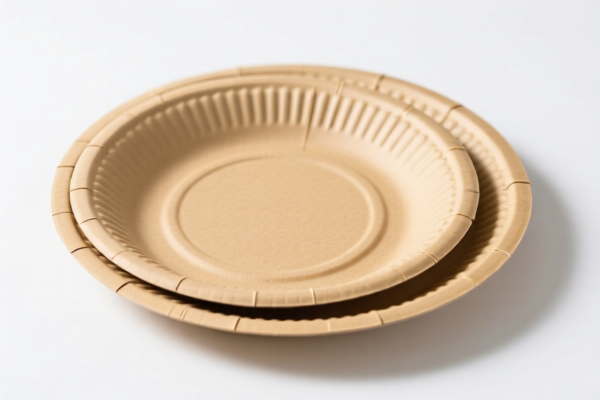
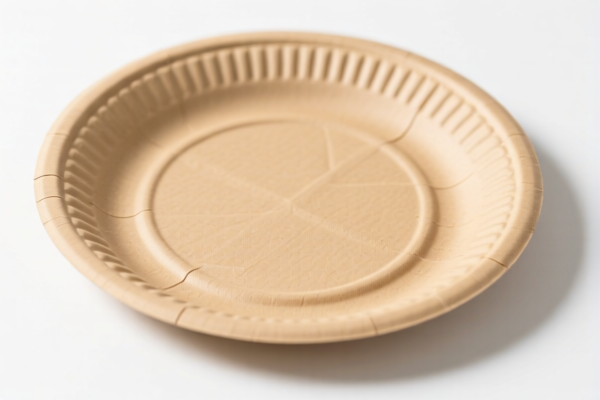
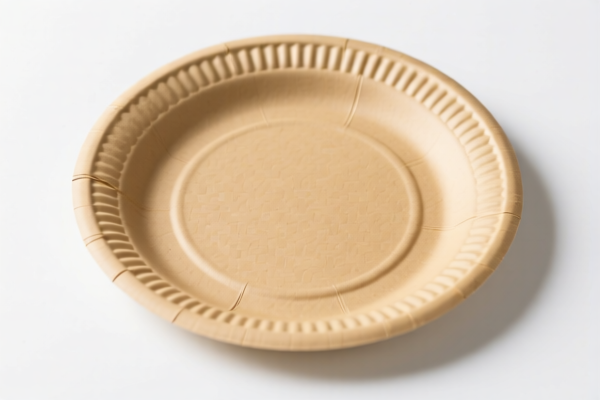
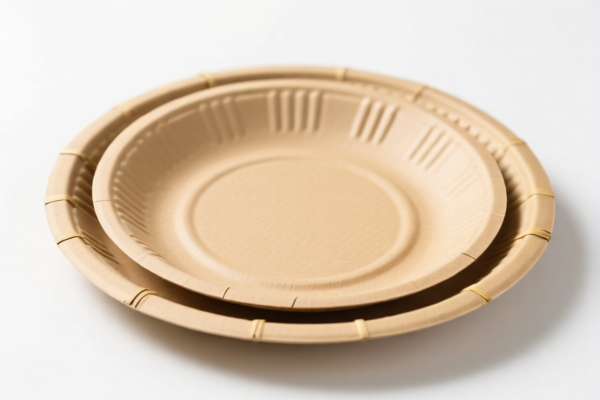
AI分析
🎋 Bamboo Pulp Paper: The Green Fiber Revolution
🌐 HS Code Reference & Customs Clearance Guide | 2026 Latest Tariff Analysis | Professional Strategy for Eco-Friendly Paper Imports
📌 I. Product Definition & Classification: What is "Bamboo Pulp Paper"?
Bamboo pulp paper is a sustainable, wood-free paper product derived from bamboo fibers. In international trade, its classification is critical because it sits at the intersection of paper products, cellulose pulp, and biomaterials. Misclassification can lead to massive tariff penalties, especially under current US-China trade policies.
The key to classification lies in three factors: 1. Material: Bamboo (Plant fiber). 2. Form: Pulp, uncoated paper, or cardboard. 3. Processing: Bleached, unbleached, machine-made.
⚠️ Key Distinction:
- If the product is raw pulp (fiber mass, not yet formed into sheets) → It falls under Chapter 47 (Cellulose Pulp).
- If the product is finished paper sheets/board (ready for printing/cutting) → It falls under Chapter 48 (Paper and Paperboard).
- Most commercial "Bamboo Pulp Paper" sold to consumers is finished paper, but industrial bulk shipments might be pulp. You must check the physical state!
📦 II. HS Code Classification Details (2026 Latest Tariff Authority Cross-Reference)
Based on the provided data, here are the 6 potential HS Codes, ranked by likelihood and logic:
| HS Code | Product Description | Application Scenario | Logic Match |
|---|---|---|---|
4706.30.00.00 |
Pulp of other vegetable fibers (Bamboo) | Raw bamboo pulp, not yet formed into paper sheets | ✅ High Match if it's pulp (fiber mass) |
4706.92.01.00 |
Pulp of cellulose fibers from other vegetable materials | Generic vegetable pulp (including bamboo) used in paper manufacturing | ✅ High Match if classified as generic pulp |
4805.12.10.00 |
Uncoated kraft paper/nex (Weight > 150g/m²) | Uncoated paper, inferred as paper type from "bamboo pulp paper" | ⚠️ Moderate if it is uncoated board |
4805.12.20.00 |
Uncoated paper & paperboard, other | Uncoated paper products, no coating conflict | ⚠️ Moderate if it is uncoated paper |
4802.54.61.00 |
Other paper, for writing/printing (Uncoated) | Writing/printing paper, inferred use | ⚠️ Low/Moderate if it is writing paper |
4802.55.40.00 |
Other paper, for writing/printing (Uncoated, other) | Generic uncoated writing paper, "other" category | ⚠️ Low if generic writing paper |
🔍 Critical Note:
- Raw Pulp: Use4706.30.00.00or4706.92.01.00.
- Finished Paper: Use4805.xxor4802.xxseries.
- Do NOT mix pulp and paper codes during customs declaration!
💰 III. 2026 Latest Tariff Rate Breakdown (Including Surtaxes & Policy Surcharges)
✅ Applicable Country: United States (US)
✅ Origin: China (CN)
✅ Effective Date: November 10, 2025 (including subsequent imports)
🎯 1. 4706.30.00.00 & 4706.92.01.00 —— Bamboo Pulp (Raw Material)
| Item | Content |
|---|---|
| Base Tariff | 0.0% (ad valorem) |
| Section 301 Surtax | +25.0% (USITC Footnote: China-specific) |
| IEEPA Surtax | +10.0% (Targeting China/HK products, effective Nov 10, 2025) |
| Total Rate | 35.0% |
| Tax Calculation | CIF Value × 35% |
| De Minimis Eligible | ❌ No (deny_de_minimis) |
| Legal Basis Path | IEEPA:9903.01.25 → IEEPA:9903.01.24 → USITC:4706.30.00.00 / 4706.92.01.00 → FOOTNOTE:9903.88.01 |
📌 Explanation:
- 25% is the standard Section 301 tariff on Chinese goods.
- 10% is the IEEPA surcharge specific to certain Chinese-origin imports.
- Total: 35%. This is a high tariff for raw materials.
🎯 2. 4805.12.10.00 & 4805.12.20.00 —— Uncoated Bamboo Paper/Board
| Item | Content |
|---|---|
| Base Tariff | 0.0% |
| Section 301 Surtax | +25.0% |
| IEEPA Surtax | +10.0% |
| Total Rate | 35.0% |
| Tax Calculation | CIF × 35% |
| De Minimis Eligible | ❌ No |
| Legal Basis Path | IEEPA:9903.01.24 → USITC:4805.12.xx.xx → FOOTNOTE:9903.88.01 |
📌 Note:
- Even though it is "paper," if it is made in China, it inherits the 35% total rate.
- No lower rate available for bamboo paper under current US-China trade rules.
🎯 3. 4802.54.61.00 & 4802.55.40.00 —— Bamboo Writing/Printing Paper
| Item | Content |
|---|---|
| Base Tariff | 0.0% |
| Section 301 Surtax | +25.0% |
| IEEPA Surtax | +10.0% |
| Total Rate | 35.0% |
| Tax Calculation | CIF × 35% |
| De Minimis Eligible | ❌ No |
| Legal Basis Path | IEEPA:9903.01.24 → USITC:4802.5x.xx.xx → FOOTNOTE:9903.88.01 |
📌 Note:
- All 6 HS Codes share the same 35% total tariff rate due to the unified Section 301 + IEEPA policy on Chinese goods.
- The difference lies only in customs documentation and product description accuracy, not in tax rate reduction.
🛠️ IV. Customs Clearance Practical Advice (Real-World Pitfall Avoidance)
✅ 1. Required Documentation List (Non-Negotiable)
| Document | Required? | Description |
|---|---|---|
| ✅ Product Specification Sheet | ✔️ | Must state: Fiber type (Bamboo), Pulp Process (Chemical/Mechanical), Weight, Finish (Coated/Uncoated). |
| ✅ Material Composition Statement | ✔️ | Explicitly declare 100% Bamboo Fiber or % blend. Avoid vague "vegetable fiber" if bamboo is the main component. |
| ✅ Product Photos (Label & Structure) | ✔️ | Show packaging, brand, model, and any certification marks (FSC, PEFC). |
| ✅ Commercial Invoice | ✔️ | Must match HS Code description. Use terms like "Bamboo Pulp Paper" or "Unbleached Bamboo Kraft Paper." |
| ✅ Packing List | ✔️ | Detail net/gross weight, pallets, and carton count. |
| ✅ Certificate of Origin (CO) | ✔️ | Essential for proving Chinese origin (which triggers the 35% tax). |
| ✅ Third-Party Test Report | ✔️ | If claiming "Eco-friendly" or "Biodegradable," provide lab reports. |
✅ 2. Declaration Tips (Key Mnemonics)
🔥 "State the Material, Declare the Form, Avoid Ambiguity!"
| Scenario | Correct Declaration | Wrong Practice |
|---|---|---|
| Raw Bamboo Pulp | 4706.30.00.00: "Bamboo Pulp, Chemical, Unbleached" |
Calling it "Paper" → Misclassification |
| Uncoated Bamboo Paper | 4805.12.10.00: "Uncoated Bamboo Kraft Paper, >150g/m²" |
Calling it "Pulp" → Wrong chapter |
| Bamboo Writing Paper | 4802.54.61.00: "Uncoated Bamboo Paper for Writing" |
Calling it "Cardboard" → Wrong weight/category |
| Mixed Bundle (Pulp + Paper) | Separate Lines on Invoice | Combining → Customs rejection |
✅ 3. Special Case Handling
| Situation | Handling Advice |
|---|---|
| OEM Bamboo Paper | Provide client order + design specs. Ensure "Bamboo" is clearly stated in material section. |
| Bamboo + Wood Mix | Declare the primary fiber. If bamboo >50%, still use bamboo codes but specify blend. |
| Eco-Certified Products | Highlight FSC/PEFC certification to aid customs verification of origin and sustainability. |
| Small Sample Shipments | Still subject to 35% tax. No de minimis exemption for China-origin goods. |
🌍 V. Global Market Customs Comparison (2026 Latest)
| Country/Region | Recommended HS Code | Tariff (China Origin) | Certification Requirements | Notes |
|---|---|---|---|---|
| 🇺🇸 USA | 4706.30.00.00 / 4805.12.10.00 |
35% | FCC (if electronic paper), RoHS (if coated) | Highest burden: 25% + 10% surcharge. |
| 🇨🇳 China | 4706.30.00.00 / 4805.12.10.00 |
0% ~ 5% | CCC (if applicable) | No surtaxes. |
| 🇪🇺 EU | 4706.30.00 / 4805.12.10 |
0% ~ 6.5% | CE, REACH | No Section 301. FSC preferred for eco-markets. |
| 🇦🇺 Australia | 4706.30.00 / 4805.12.10 |
0% ~ 5% | AS/NZS Standards | No surtaxes. |
| 🇯🇵 Japan | 4706.30.00 / 4805.12.10 |
0% ~ 3% | JIS Standards | No surtaxes. |
📌 Conclusion:
- USA is the only market imposing the 35% combined tariff on Chinese bamboo pulp/paper.
- EU, AU, JP, CN have much lower or zero tariffs, making them more cost-effective for bamboo paper exports from China.
📌 VI. Common Errors & Pitfall Guide (Lessons Learned)
❌ Error 1: Declaring Bamboo Pulp as "Wood Pulp"
👉 Consequence: Customs may flag it for misdeclaration. While tax rate might be similar, sustainability claims (e.g., FSC) become invalid.
❌ Error 2: Declaring Finished Paper as "Pulp"
👉 Consequence: HS Code mismatch → Customs Hold. Paper is Chapter 48, Pulp is Chapter 47. Different duties, different regulations.
❌ Error 3: Omitting "Bamboo" from the Description
👉 Consequence: Customs may classify under generic "Other Paper" or "Other Pulp," leading to audits or penalties for inaccurate description.
❌ Error 4: Assuming De Minimis applies
👉 Consequence: Small packages under $800 from China still pay 35% tax. Do not use de minimis loophole.
✅ Correct Practice:
"Bamboo Pulp Paper, Uncoated, 100% Bamboo Fiber, FSC Certified, Model XYZ, 500 Sheets/Ream"
🎯 VII. Conclusion: Precision in Classification, Savings in Compliance
🎯 Remember the Mnemonic:
🔹 "Pulp is Ch 47, Paper is Ch 48, China Origin 35%, No De Minimis!"
🔹 "Bamboo is Green, Tariffs are Red, Accurate HS Code Saves Red Tape!"
📌 Pro Tip:
If your bamboo paper is made in Vietnam, Thailand, or Malaysia, you may qualify for lower tariffs or IEEPA exemptions.
✅ Recommendation: Apply for an Advance Ruling from US Customs (CBP) before shipping to confirm the HS Code and tariff rate.
📣 Immediate Action:
📞 Contact a Licensed Customs Broker
📄 Provide Product Specs + Photos
🚀 Ensure Smooth Customs Clearance, Avoid 35% Shock!
✨ Professional Clearance Starts with Accurate Classification!
💼 Your Cost Efficiency Depends on Every Digit in the HS Code!
用户评价
关于 HS 编码归类
协调制度(HS)是由世界海关组织(WCO)制定的国际贸易商品分类标准。全球 200 多个国家采用 HS 系统作为海关关税、贸易统计和进出口监管的基础。
每个 HS 编码遵循以下层级结构:
- 章(2 位)——商品大类(例如:第 84 章:机器和机械设备)
- 品目(4 位)——章内的更具体分类
- 子目(6 位)——国际通用细分,所有 WCO 成员国统一使用
- 本国细分(8-10 位)——各国自行扩展的细分编码,如美国 HTSUS 10 位编码
正确的 HS 编码归类对于顺利通关、准确缴纳关税和遵守贸易法规至关重要。错误归类可能导致海关延误、多缴关税或罚款。
从CN进口到US时,适用的关税税率可能包括:
- 最惠国(MFN)税率——适用于 WTO 成员国的标准关税税率
- 普通税率——适用于无贸易协定国家
- 贸易救济关税——附加关税,如 301 条款(反倾销)、232 条款(国家安全)或反补贴税
本页内容仅供参考。如需正式归类,请咨询当地海关或持牌报关代理。