Bamboo Stackable Tableware
CN → US| HS编码 | 关税税率 | 原产国 | 目的国 | 文档 |
|---|---|---|---|---|
| 4419199000 | 13.2% | CN | US | 官方文档 |
| 4419110000 | 13.2% | CN | US | 官方文档 |
| 4602114500 | 41.6% | CN | US | 官方文档 |
| 4419191000 | 15.3% | CN | US | 官方文档 |
| 4419120000 | 13.2% | CN | US | 官方文档 |
商品图片
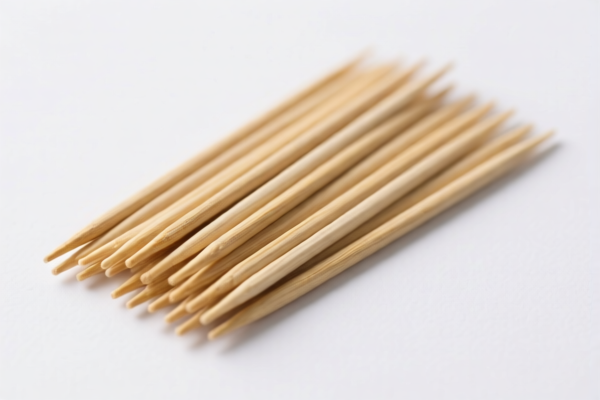
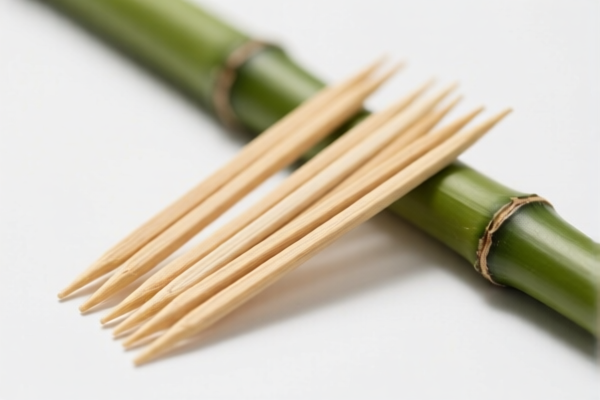
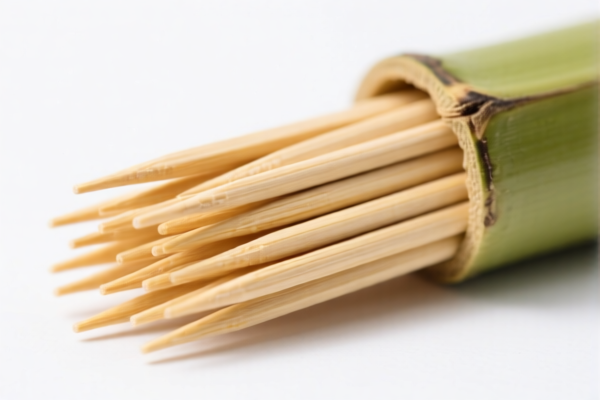
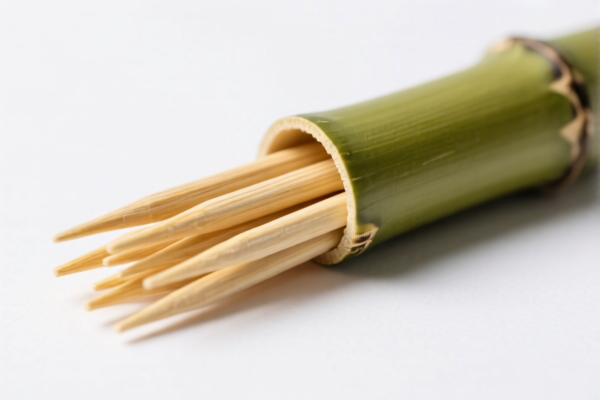
AI分析
🎋 Bamboo Stackable Tableware: HS Code Classification & US Import Strategy | 2026 Tax Analysis
🌐 HS Code Reference & Customs Clearance Guide | 2026 Latest Tariff Breakdown | Strategic Clearance Strategy
📌 I. Product Definition & Classification: Is Your "Bamboo Tableware" Really Just One Thing?
Bamboo stackable tableware is a broad category that encompasses everything from simple chopsticks to complex, woven serving baskets. In international trade, precision in description determines the tax rate. The key differentiator is not just the material (bamboo) but the manufacturing process (cutting/carving vs. weaving) and the specific use (dining utensil vs. general container).
Two Main Categories:
-
Cut/Carved Bamboo Items (Tableware/Kitchenware):
- Includes: Plates, bowls, chopsticks, spoons, spatulas.
- Key Feature: Shaped by cutting, carving, or turning; not woven.
- Primary HS Chapter: 4419 (Bamboo tableware and kitchenware).
-
Woven Bamboo/Plant Fiber Items (Articles):
- Includes: Woven placemats, baskets, decorative bowls, coiled containers.
- Key Feature: Made by weaving, plaiting, or braiding strips of bamboo or other vegetable materials.
- Primary HS Chapter: 4602 (Articles of bamboo, wickerwork, cork, or other plaiting materials).
⚠️ Critical Distinction Point: * If the item is a solid, carved plate or bowl → Go to Chapter 4419. * If the item is woven, braided, or coiled → Go to Chapter 4602. * Misclassification here can lead to a massive tax difference (13.2% vs. 41.6%).
📦 II. HS Code Classification Details (2026 Latest Tariff Authority Comparison)
| HS Code | Product Description | Application Scenario | Manufacturing Process | Tax Rate (Total) |
|---|---|---|---|---|
4419.19.90.00 |
Bamboo tableware and kitchenware other than that of subheadings 4419.11, 4419.12, 4419.19.10 | Bamboo serving plates, non-standard shaped bowls | Carved/Cut | 13.2% |
4419.11.00.00 |
Chopsticks and spoons of bamboo | Bamboo chopsticks, bamboo spoons | Carved/Cut | 13.2% |
4602.11.45.00 |
Articles of bamboo or other vegetable materials of a kind used for plaiting; woven bamboo articles | Woven bamboo baskets, coiled placemats, woven trays | Woven/Plaited | 41.6% |
4419.19.10.00 |
Bamboo tableware and kitchenware other than that of subheading 4419.11 or 4419.12 | Standard bamboo plates, bowls, cutting boards | Carved/Cut | 15.3% |
4419.12.00.00 |
Plates and dishes of bamboo | Standard bamboo plates and flat dishes | Carved/Cut | 13.2% |
🔍 Key Reminder: * Chopsticks/Spoons (
4419.11.00.00) and Plates/Dishes (4419.12.00.00) generally share the 13.2% rate. * Woven items (4602.11.45.00) are subject to the 41.6% rate due to the "Section 301" additional tariffs applied to wicker/plaiting goods. Do not classify woven items as "tableware" (4419) to avoid audits.
💰 III. 2026 Latest Tariff Rate Breakdown (Including Additional Taxes & Policy Add-ons)
✅ Applicable Country: United States (US)
✅ Origin: China (CN)
✅ Effective Time: Current rates as per 2026 trade policy
🎯 1. Category A: Standard Carved Bamboo Tableware (4419.11.00, 4419.12.00, 4419.19.90)
| Item | Content |
|---|---|
| Base Tariff Rate | 3.2% |
| USITC Additional Tariff (Section 301) | 0.0% |
| IEEPA Additional Tariff (Section 122/301) | +10.0% |
| Total Tax Rate | 13.2% |
| Tax Calculation | CIF Value × 13.2% |
| De Minimis Eligibility | ❌ Not Eligible (Deny De Minimis for bamboo tableware from CN) |
| Legal Basis Path | IEEPA:9903.01.24 → USITC:4419.xx.xx.xx → FOOTNOTE:301 |
📌 Explanation: * Base 3.2%: Standard Most Favored Nation (MFN) rate for bamboo tableware. * IEEPA 10%: The 10% tariff under the International Emergency Economic Powers Act (often grouped with Section 301 lists for certain categories) is applied. * Total 13.2%: This is the effective duty rate for most carved bamboo dining sets.
🎯 2. Category B: Premium/Specific Carved Items (4419.19.10)
| Item | Content |
|---|---|
| Base Tariff Rate | 5.3% |
| USITC Additional Tariff (Section 301) | 0.0% |
| IEEPA Additional Tariff | +10.0% |
| Total Tax Rate | 15.3% |
| Tax Calculation | CIF Value × 15.3% |
| De Minimis Eligibility | ❌ Not Eligible |
| Legal Basis Path | IEEPA:9903.01.24 → USITC:4419.19.10.00 |
📌 Note: * Subheading
4419.19.10covers "other" bamboo tableware not specifically listed as plates or chopsticks. It has a slightly higher base rate (5.3%), leading to a 15.3% total.
🎯 3. Category C: Woven Bamboo Articles (4602.11.45)
| Item | Content |
|---|---|
| Base Tariff Rate | 6.6% |
| USITC Additional Tariff (Section 301) | +25.0% |
| IEEPA Additional Tariff | +10.0% |
| Total Tax Rate | 41.6% |
| Tax Calculation | CIF Value × 41.6% |
| De Minimis Eligibility | ❌ Not Eligible |
| Legal Basis Path | IEEPA:9903.01.24 → USITC:4602.11.45.00 → FOOTNOTE:301 |
📌 Warning: * This is the highest risk category. * The 25% USITC tariff is a standard Section 301 penalty. * Plus 10% IEEPA. * Plus 6.6% base. * Total: 41.6%. If your "stackable tableware" is actually a woven tray or coiled basket, this is the rate you face.
🛠️ IV. Customs Clearance Practical Advice (Avoid Pitfalls)
✅ 1. Documentation Checklist (Must-Haves)
| Document | Required? | Description |
|---|---|---|
| ✅ Product Specification Sheet | ✔️ | Must clearly state: Material (100% Bamboo), Manufacturing Process (Carved vs. Woven), Use (Tableware). |
| ✅ High-Resolution Photos | ✔️ | Show cross-sections to prove it's solid wood/bamboo, not composite. Show weave pattern if applicable. |
| ✅ Commercial Invoice | ✔️ | Describe as "Bamboo Tableware" or "Woven Bamboo Basket". Do not use vague terms like "Kitchen Supplies". |
| ✅ Packing List | ✔️ | Ensure weights and dimensions match the invoice. |
| ✅ Certificate of Origin (CO) | ✔️ | Required to prove Chinese origin for tariff calculation. |
| ✅ FSC Certification (Optional but Recommended) | ✔️ | For buyers in Europe or sustainable-focused US retailers. Not required for US customs but helps with buyer compliance. |
✅ 2. Declaration Tips (Key Mnemonics)
🔥 "Carved is 13%, Woven is 41%, Be Specific or Pay More!"
| Scenario | Correct Declaration | Incorrect Declaration | Consequence of Error |
|---|---|---|---|
| Bamboo Plates/Bowls | 4419.12.00.00 (Plates) or 4419.19.90.00 |
"Bamboo Kitchenware" | Vague description → Audit risk → Possible misclassification penalty |
| Bamboo Chopsticks | 4419.11.00.00 |
"Wooden Utensils" | Misclassification → Delay in clearance |
| Woven Bamboo Tray | 4602.11.45.00 |
"Bamboo Plate" | Severe Penalty: Under-declaration of duties. Tax jumps from 13.2% to 41.6%. |
| Laminated Bamboo Board | May be 4421 (Not in list) |
"Bamboo Tableware" | Wrong Chapter: Bamboo tableware must be finished articles, not raw boards. |
✅ 3. Special Cases
| Situation | Handling Advice |
|---|---|
| Mixed Sets (Chopsticks + Bowl) | Declare separately if possible. If packed together, the principal use determines the HS code. Usually, tableware sets follow the tableware code (4419), but ensure the woven parts are not misclassified as tableware if they are separate accessories. |
| Bamboo + Plastic Handles | If the plastic is minor, it may still be classified under 4419. However, if the plastic handle is significant, it might be classified under Chapter 39 or 44 depending on the "essential character" rule. Consult a customs broker. |
| Sample vs. Commercial | Both are subject to the same tariffs if entering commerce. Do not mark as "Sample" to avoid duties; it will be flagged. |
🌍 V. Global Market Comparison (2026)
| Country/Region | Recommended HS Code | Tariff (China Origin) | Certification | Notes |
|---|---|---|---|---|
| 🇺🇸 USA | 4419.xx.xx (Carved) |
13.2% - 15.3% | FDA (Food Contact) | High scrutiny on "woven" items (41.6%). |
| 🇺🇸 USA | 4602.xx.xx (Woven) |
41.6% | FDA | Avoid if possible; tax is prohibitive. |
| 🇪🇺 EU | 4419.10 |
~4.5% | CE + LFGB | No Section 301 equivalent. Lower taxes. |
| 🇨🇳 China | 4419.10 |
5% - 10% | GB Standards | Export duty may apply depending on policy. |
📌 Conclusion: * The US market is the most expensive for bamboo products due to Section 301 and IEEPA tariffs. * Woven items are 3x more expensive to import than carved items. * Design Strategy: If possible, design products as carved/molded rather than woven to save ~28% in duties.
📌 VI. Common Mistakes & Pitfalls (Lessons Learned)
❌ Mistake 1: Calling a woven bamboo tray a "Bamboo Plate" to get the 13.2% rate.
👉 Consequence: CBP audit reveals it's woven. You owe the difference (~28.4% back-taxes) + interest + penalties.
❌ Mistake 2: Not distinguishing between Solid Bamboo and Bamboo Fiber/Composite.
👉 Consequence: If it's composite, it might fall under different subheadings with different rules. Mislabeling as "100% Bamboo" when it's not can lead to fraud allegations.
❌ Mistake 3: Ignoring the FDA Food Contact Notification requirement.
👉 Consequence: Even if duties are paid, the goods may be refused entry if not registered with FDA for food contact surfaces.
✅ Correct Approach:
"Bamboo Dining Plate, Carved, Solid, Food-Grade Finish, Model XYZ, FDA Compliant"
"Woven Bamboo Storage Basket, Natural, Coated, Non-Food Grade, Model ABC"
🎯 VII. Conclusion: Smart Classification, Profitable Clearance!
🎯 Remember the Rules:
🔹 "Carved = 13%, Woven = 41%. Know the difference!"
🔹 "Bamboo Tableware is not Tax-Free. Factor in the 13.2% - 41.6% duty."
🔹 "Accuracy in Description prevents CBP Audits."
📌 Pro Tip:
If you are importing large volumes, consider applying for a Section 301 Exclusion if available for your specific product line (though rare for bamboo tableware in 2026). Alternatively, explore Third-Country Transshipment (e.g., Vietnam, Malaysia) for woven items to potentially avoid US-China tariffs, but ensure substantial transformation rules are met to avoid "circumvention" penalties.
📣 Immediate Action:
📞 Verify your product type: Is it Carved or Woven?
📄 Check your supplier's documentation: Does it match the HS code?
💡 Consult a customs broker before shipping to confirm the final classification.
✨ Professional Clearance Starts with Precise Classification!
💼 Save 28% on duties by choosing the right design or declaring correctly!
用户评价
关于 HS 编码归类
协调制度(HS)是由世界海关组织(WCO)制定的国际贸易商品分类标准。全球 200 多个国家采用 HS 系统作为海关关税、贸易统计和进出口监管的基础。
每个 HS 编码遵循以下层级结构:
- 章(2 位)——商品大类(例如:第 84 章:机器和机械设备)
- 品目(4 位)——章内的更具体分类
- 子目(6 位)——国际通用细分,所有 WCO 成员国统一使用
- 本国细分(8-10 位)——各国自行扩展的细分编码,如美国 HTSUS 10 位编码
正确的 HS 编码归类对于顺利通关、准确缴纳关税和遵守贸易法规至关重要。错误归类可能导致海关延误、多缴关税或罚款。
从CN进口到US时,适用的关税税率可能包括:
- 最惠国(MFN)税率——适用于 WTO 成员国的标准关税税率
- 普通税率——适用于无贸易协定国家
- 贸易救济关税——附加关税,如 301 条款(反倾销)、232 条款(国家安全)或反补贴税
本页内容仅供参考。如需正式归类,请咨询当地海关或持牌报关代理。