Bank Card Pocket
CN → US| HS编码 | 关税税率 | 原产国 | 目的国 | 文档 |
|---|---|---|---|---|
| 3926903300 | 16.5% | CN | US | 官方文档 |
| 4820900000 | 35.0% | CN | US | 官方文档 |
| 4202399000 | 55.0% | CN | US | 官方文档 |
| 4820300040 | 35.0% | CN | US | 官方文档 |
| 3926909989 | 22.8% | CN | US | 官方文档 |
商品图片
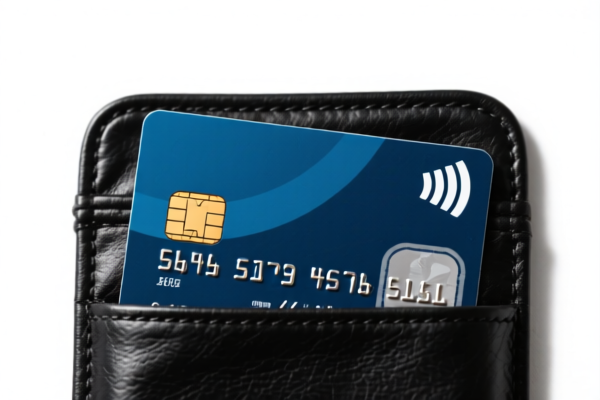
AI分析
🎫 Bank Card Pocket (Card Holder)
🌐 HS Code Reference & Customs Clearance Guide | 2026 Latest Tariff Analysis | Professional Strategy
📌 I. Product Definition: What is a "Bank Card Pocket"?
A Bank Card Pocket (commonly known as a Card Holder) is a small accessory designed to store identification cards, credit/debit cards, business cards, or small amounts of cash. In international trade, its classification depends entirely on its material composition and specific design intent.
⚠️ Key Distinction:
- Plastic/Resin: Treated as a manufactured plastic article → Chapter 39
- Paper/Cardboard: Treated as office stationery → Chapter 48
- Leather/Fabric/Synthetic: Treated as a personal carrying accessory → Chapter 42
📦 II. HS Code Classification Matrix (2026 Latest Tariff Standards)
| HS Code | Product Description | Material | Category |
|---|---|---|---|
3926.90.33.00 |
Card pocket, plastic material, classified as other plastic articles (bags/pouches) | Plastic | Plastic Articles |
4820.90.00.00 |
Card pocket, paper/cardboard, classified as file covers/folders | Paper/Cardboard | Stationery |
4202.39.90.00 |
Card pocket, leather/plastic/textile, classified as articles for personal use (pocket/handbag items) | Leather/Fabric/Synthetic | Personal Accessories |
4820.30.00.40 |
Card pocket, paper/cardboard, classified as file covers/folder accessories | Paper/Cardboard | Stationery Accessory |
3926.90.99.89 |
Card pocket, plastic/leather/synthetic mix, classified as other plastic articles | Mixed/Plastic | Plastic Articles |
🔍 Critical Note:
- Material is King: The single most important factor for customs classification is the primary material. - Chapter 42 vs. Chapter 39: If the card holder is designed to be carried in a pocket or handbag (like a mini-wallet), it may fall under Chapter 42 if made of leather or textile. However, if it is purely plastic and small, it often falls under 3926 (Other plastic articles) or 4202 (Travel goods) depending on specific national interpretations. - Paper Products: Any card holder made primarily of paper/cardboard is classified under Chapter 48 (Stationery).
💰 III. 2026 Tariff Rate Breakdown (China to US)
✅ Applicable Country: United States (US)
✅ Origin: China (CN)
✅ Effective Date: Post-November 2025 (Current Enforcement)
🎯 1. 3926.90.33.00 – Plastic Card Pocket (Bag/Pouch Type)
| Item | Detail |
|---|---|
| Base Tariff | 6.5% |
| Section 301 Surcharge | 0.0% (Specific subheading exemption or low rate) |
| Section 122 Surcharge | 10.0% |
| Total Effective Rate | 16.5% |
| Calculation Basis | CIF Value × 16.5% |
| De Minimis Exemption? | ❌ No (Subject to full duties) |
| Legal Reference | Section 301: 9903.88.01 → Section 122: IEEPA |
📌 Analysis:
- This is the most competitive option among plastic card holders due to the lower base tariff (6.5%). - Section 122 (10%) applies to certain Chinese imports. - Total 16.5% is relatively low compared to leather goods.
🎯 2. 4820.90.00.00 & 4820.30.00.40 – Paper/Cardboard Card Pocket
| Item | Detail |
|---|---|
| Base Tariff | 0.0% |
| Section 301 Surcharge | 25.0% |
| Section 122 Surcharge | 10.0% |
| Total Effective Rate | 35.0% |
| Calculation Basis | CIF Value × 35.0% |
| De Minimis Exemption? | ❌ No |
| Legal Reference | Section 301: 9903.88.01 → Section 122: IEEPA |
📌 Analysis:
- Although the base tariff is 0%, the 25% Section 301 tariff significantly increases the cost. - Total 35% is moderate but higher than the plastic option (16.5%). - Paper/cardboard materials are often used for promotional or disposable card holders.
🎯 3. 4202.39.90.00 – Leather/Fabric/Synthetic Card Pocket (Personal Accessory)
| Item | Detail |
|---|---|
| Base Tariff | 20.0% |
| Section 301 Surcharge | 25.0% |
| Section 122 Surcharge | 10.0% |
| Total Effective Rate | 55.0% |
| Calculation Basis | CIF Value × 55.0% |
| De Minimis Exemption? | ❌ No |
| Legal Reference | Section 301: 9903.88.01 → Section 122: IEEPA |
📌 Analysis:
- Highest Tax Burden: This category carries the heaviest tax load. - Why? Leather and textile products are heavily scrutinized and taxed to protect domestic industries. - 55% Total makes this the least cost-effective option for importing from China to the US.
🎯 4. 3926.90.99.89 – Other Plastic/Mixed Card Pocket
| Item | Detail |
|---|---|
| Base Tariff | 5.3% |
| Section 301 Surcharge | 7.5% |
| Section 122 Surcharge | 10.0% |
| Total Effective Rate | 22.8% |
| Calculation Basis | CIF Value × 22.8% |
| De Minimis Exemption? | ❌ No |
| Legal Reference | Section 301: 9903.88.01 → Section 122: IEEPA |
📌 Analysis:
- This is a "catch-all" for plastic articles not specifically listed elsewhere. - Total 22.8% is higher than3926.90.33.00(16.5%) due to the higher Section 301 surcharge (7.5% vs 0%). - Recommendation: Always try to classify under3926.90.33.00if the product is specifically a "bag/pouch" style.
🛠️ IV. Customs Clearance Practical Advice (Avoid Pitfalls)
✅ 1. Documentation Checklist
| Document | Required | Purpose |
|---|---|---|
| Product Photos | ✔️ | Must clearly show material (plastic vs. paper vs. leather) |
| Commercial Invoice | ✔️ | State material composition precisely (e.g., "100% PVC Plastic") |
| Material Spec Sheet | ✔️ | Confirm primary material for HS Code verification |
| Origin Certificate | ✔️ | To prove China origin (triggers Section 301/122) |
| Packaging Label | ✔️ | Ensure no misleading terms like "Leather" if it's synthetic |
✅ 2. Classification Strategy (Key Tips)
🔥 "Material First, Design Second!"
| Scenario | Correct HS Code | Risk if Misclassified |
|---|---|---|
| Pure Plastic Card Holder | 3926.90.33.00 (16.5%) |
Misclassified as 3926.90.99.89 (22.8%) → 6.3% extra tax |
| Paper/Cardboard Holder | 4820.90.00.00 (35.0%) |
N/A (Only one main category for paper) |
| Leather/Fabric Holder | 4202.39.90.00 (55.0%) |
Misclassified as Plastic (16.5%) → SEIZURE & FINE |
| Mixed Material (e.g., Plastic + Fabric) | Depends on "Essential Character" | If plastic dominates → 3926.90.33.00; If fabric dominates → 4202.39.90.00 |
⚠️ Critical Warning:
- Do NOT mislabel a leather card holder as "plastic" to save on taxes. Customs can inspect and reclassify, leading to penalties, delays, and back-taxes. - Section 122 (10%) applies to most Chinese-origin goods. Ensure your supplier provides accurate origin documentation.
✅ 3. Special Cases
| Case | Advice |
|---|---|
| OEM Custom Card Holder | Provide design files to prove "essential character" of material. |
| Promotional Paper Card Holder | Clearly label as "Paper/Cardboard" to avoid confusion with plastic. |
| Gift Sets (Card Holder + Pen) | Classify as the item that gives the set its essential character (usually the card holder). |
🌍 V. Global Market Comparison (2026)
| Market | Recommended HS Code | Est. Total Tax (China Origin) | Notes |
|---|---|---|---|
| 🇺🇸 USA | 3926.90.33.00 (Plastic) |
16.5% | Lowest duty among options |
| 🇺🇸 USA | 4820.90.00.00 (Paper) |
35.0% | High Section 301 |
| 🇺🇸 USA | 4202.39.90.00 (Leather) |
55.0% | Highest duty |
| 🇨🇳 China | 3926.90.33.00 |
5.3% | Low export duty |
| 🇪🇺 EU | 3926.90.99 |
6.5% | No Section 301 equivalent |
| 🇬🇧 UK | 3926.90.99 |
6.5% | Post-Brexit tariffs apply |
📌 Conclusion:
- For US imports, Plastic Card Holders (3926.90.33.00) are the most cost-effective due to the low base tariff and minimal Section 301 surcharge. - Leather/Fabric items are significantly more expensive due to higher base tariffs and full Section 301/122 application.
📌 VI. Common Mistakes & Pitfalls
❌ Mistake 1: Calling a leather card holder "synthetic leather" without proof.
👉 Result: Customs may classify it as leather (55%) if the material analysis shows high leather content.
❌ Mistake 2: Using "Plastic" for a paper card holder to avoid the 25% Section 301.
👉 Result: Seizure for fraud. Paper and plastic are easily distinguishable.
❌ Mistake 3: Ignoring Section 122 (10%).
👉 Result: Underpayment of duties. Section 122 applies to most Chinese imports regardless of Section 301 status.
🎯 VII. Conclusion: Smart Classification Saves Money!
🎯 Remember:
🔹 "Plastic First, 16.5% Best!"
🔹 "Paper Next, 35.0% Moderate!"
🔹 "Leather Last, 55.0% Expensive!"💡 Pro Tip:
If you are importing mixed-material card holders (e.g., plastic shell with fabric lining), ensure the plastic component provides the essential character. This allows you to classify under Chapter 39 (Plastic) instead of Chapter 42 (Textile/Leather), saving you 38.5% in duties!
📣 Action Item:
📞 Consult a Customs Broker to verify the "Essential Character" of mixed-material products.
📄 Request Material Test Reports from suppliers to support your HS Code classification.
🚀 Optimize Your Supply Chain by choosing plastic or paper-based card holders for US exports to maximize profit margins!
✨ Precision in Classification, Profit in Customs!
💼 Every Percentage Point of Duty Saved is Pure Profit!
用户评价
关于 HS 编码归类
协调制度(HS)是由世界海关组织(WCO)制定的国际贸易商品分类标准。全球 200 多个国家采用 HS 系统作为海关关税、贸易统计和进出口监管的基础。
每个 HS 编码遵循以下层级结构:
- 章(2 位)——商品大类(例如:第 84 章:机器和机械设备)
- 品目(4 位)——章内的更具体分类
- 子目(6 位)——国际通用细分,所有 WCO 成员国统一使用
- 本国细分(8-10 位)——各国自行扩展的细分编码,如美国 HTSUS 10 位编码
正确的 HS 编码归类对于顺利通关、准确缴纳关税和遵守贸易法规至关重要。错误归类可能导致海关延误、多缴关税或罚款。
从CN进口到US时,适用的关税税率可能包括:
- 最惠国(MFN)税率——适用于 WTO 成员国的标准关税税率
- 普通税率——适用于无贸易协定国家
- 贸易救济关税——附加关税,如 301 条款(反倾销)、232 条款(国家安全)或反补贴税
本页内容仅供参考。如需正式归类,请咨询当地海关或持牌报关代理。