Battery
CN → US| HS编码 | 关税税率 | 原产国 | 目的国 | 文档 |
|---|---|---|---|---|
| 8507100090 | 38.5% | CN | US | 官方文档 |
| 8507100060 | 38.5% | CN | US | 官方文档 |
| 8714998000 | 27.5% | CN | US | 官方文档 |
| 8507600010 | 20.9% | CN | US | 官方文档 |
| 8507204000 | 38.5% | CN | US | 官方文档 |
商品图片

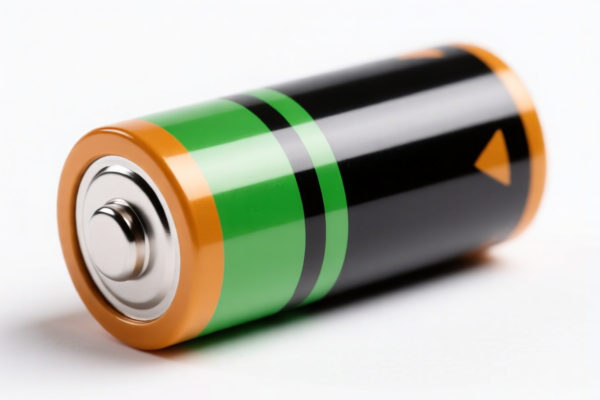
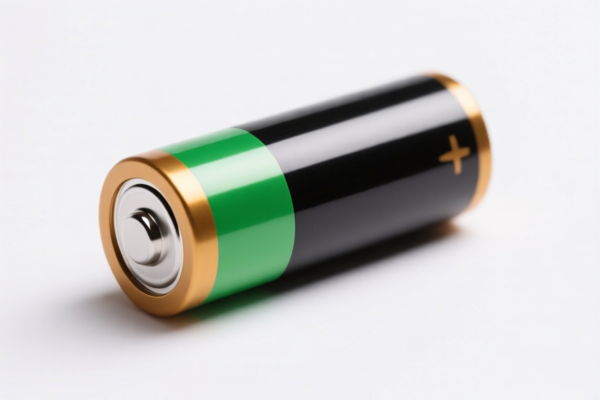
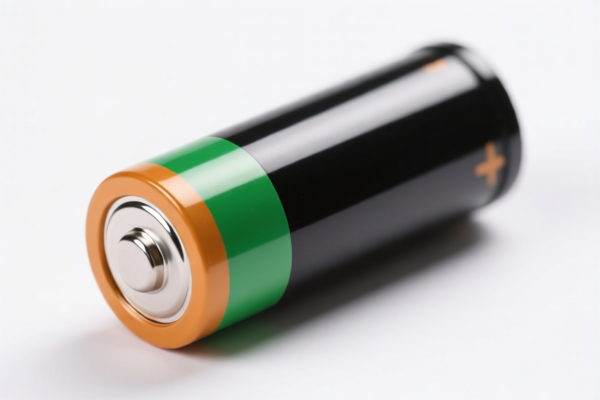
AI分析
🔋 Batteries for Vehicles & Electric Mobility
🌐 HS Code Reference & Customs Clearance Guide | 2026 Latest Tariff Analysis | Professional Clearance Strategy
📌 I. Product Definition & Classification: Do You Really Understand "Battery"?
In international trade, "Battery" is a broad term. For customs purposes, it is strictly differentiated by chemistry, application, and voltage/weight specifications. Misclassification leads to severe tariff discrepancies (from 20.9% to 38.5%).
1. Lead-Acid Batteries (Pb-Acid) * Starting Batteries: Used for internal combustion engines (ICE). High current, short duration. * Traction Batteries: Used for slow-moving vehicles like e-bikes or golf carts. Lower current, long duration.
2. Lithium-Ion Batteries (Li-Ion) * Primary Power Source: The main energy storage unit for electric vehicles (EVs) and e-bikes. * Characteristics: High energy density, lighter weight, complex management systems (BMS).
⚠️ Key Distinction Point: - If it is a Lead-Acid Battery for starting an engine →归入 8507.10 (Starting Battery). - If it is a Lead-Acid Battery for traction (e.g., e-bike) →归入 8507.20 (Traction Battery). - If it is a Lithium-Ion Battery for traction →归入 8507.60 (Other Accumulators). - If it is an E-bike battery treated as a vehicle part (non-standard classification risk) →归入 8714.99.
📦 II. HS Code Classification Details (2026 Latest Tariff Authority Comparison)
Based on the provided data context (US Imports from China), here is the precise breakdown:
| HS Code | Product Description | Application Scenario | Chemistry Type | Key Classification Feature |
|---|---|---|---|---|
8507.10.00.90 |
Electric Storage Batteries: Starting Batteries for Piston Internal-Combustion Engines | Car Starter Batteries (Lead-Acid) | Lead-Acid | Specifically for starting ICE vehicles. |
8507.10.00.60 |
Electric Storage Batteries: Starting Batteries for Piston Internal-Combustion Engines | Car Starter Batteries (12V/Weight Specific) | Lead-Acid | Specific weight/voltage specs for starting. |
8714.99.80.00 |
Parts and Accessories of Vehicles: Other | E-bike Battery (Classified as Part) | Any | Classified as a vehicle part/accessory, not a battery per se. |
8507.60.00.10 |
Electric Storage Batteries: Other: Other | E-bike/EV Battery (Lithium-Ion) | Lithium-Ion | Primary power source, distinct from starting batteries. |
8507.20.40.00 |
Electric Storage Batteries: Traction | E-bike Battery (Lead-Acid) | Lead-Acid | Traction battery, specifically Lead-Acid. |
🔍 Critical Reminder: - 8507.10 is for STARTING batteries (ICE cars). Do not confuse with traction batteries. - 8507.20 is for TRACTION batteries (Lead-Acid). - 8507.60 is for OTHER accumulators, primarily Lithium-Ion for traction/power. - 8714.99 is a parts classification. Using this for an e-bike battery is possible but may attract different tariff treatment than the battery-specific code. Note: In the provided data, this specific HS Code has a higher total tax (27.5%) compared to the lithium battery (20.9%), suggesting a potential tariff arbitrage or specific policy difference.
💰 III. 2026 Latest Tariff Rate Breakdown (Including Surcharges)
✅ Applicable Country: United States (US)
✅ Origin: China (CN)
✅ Effective Date: Current 2026 Tariff Structure
🎯 1. 8507.10.00.90 & 8507.10.00.60 —— Lead-Acid Starting Batteries
| Item | Content |
|---|---|
| Base Duty Rate | 3.5% (General Rate) |
| Section 301 Surcharge | +25.0% (USITC Footnote 9903.88.01) |
| Section 122 Duty | +10.0% (Bipartisan Policy on China) |
| Total Tax Rate | 38.5% |
| Tax Calculation | CIF Value × 38.5% |
| De Minimis Eligibility | ❌ Denied (Section 301 & 122 goods are excluded from de minimis) |
| Legal Basis | USITC:8507.10.00.90 → FOOTNOTE:9903.88.01 + Section 122 |
📌 Explanation:
- These are classic Lead-Acid Starter Batteries. - The 38.5% rate is composed of Base (3.5%) + 301 (25%) + 122 (10%). - High Risk: Lead-acid batteries are heavy and often subject to strict hazardous material regulations. The tariff impact is significant.
🎯 2. 8714.99.80.00 —— E-bike Battery (As Vehicle Part)
| Item | Content |
|---|---|
| Base Duty Rate | 10.0% |
| Section 301 Surcharge | +7.5% |
| Section 122 Duty | +10.0% |
| Total Tax Rate | 27.5% |
| Tax Calculation | CIF Value × 27.5% |
| De Minimis Eligibility | ❌ Denied (Section 301 goods excluded) |
| Legal Basis | USITC:8714.99.80.00 → FOOTNOTE:9903.88.01 + Section 122 |
📌 Explanation:
- This classification treats the battery as a part of the vehicle, not a standalone battery. - Surcharge Difference: The 301 surcharge is 7.5% instead of 25%. This is a crucial strategic point. - Why? Certain parts listed in Section 301 have different surcharge rates. Verify if the specific e-bike battery model qualifies for this lower surcharge under8714.99.80.00.
🎯 3. 8507.60.00.10 —— Lithium-Ion Battery (Traction/Power)
| Item | Content |
|---|---|
| Base Duty Rate | 3.4% |
| Section 301 Surcharge | +7.5% |
| Section 122 Duty | +10.0% |
| Total Tax Rate | 20.9% |
| Tax Calculation | CIF Value × 20.9% |
| De Minimis Eligibility | ❌ Denied (Section 301 goods excluded) |
| Legal Basis | USITC:8507.60.00.10 → FOOTNOTE:9903.88.01 + Section 122 |
📌 Explanation:
- This is the Lithium-Ion category for traction/power. - Lowest Total Rate: 20.9%. - Advantage: The base duty (3.4%) is lower than lead-acid, and the 301 surcharge is only 7.5%. - Strategic Tip: If you are shipping Li-Ion batteries, ensure they are declared as 8507.60 and not 8507.10 to benefit from the lower rate.
🎯 4. 8507.20.40.00 —— Lead-Acid Traction Battery
| Item | Content |
|---|---|
| Base Duty Rate | 3.5% |
| Section 301 Surcharge | +25.0% |
| Section 122 Duty | +10.0% |
| Total Tax Rate | 38.5% |
| Tax Calculation | CIF Value × 38.5% |
| De Minimis Eligibility | ❌ Denied |
| Legal Basis | USITC:8507.20.40.00 → FOOTNOTE:9903.88.01 + Section 122 |
📌 Explanation:
- Lead-acid batteries for traction (e.g., large e-bikes, forklifts) are hit with the highest surcharge (25%). - Avoid if possible: Compared to Li-Ion (20.9%) or E-bike Parts (27.5%), this is the most expensive classification.
🛠️ IV. Customs Clearance Practical Advice (Battle-Tested Pitfall Guide)
✅ 1. Required Documentation Checklist (No Exceptions)
| Document | Mandatory? | Description |
|---|---|---|
| ✅ Product Specification Sheet | ✔️ | Must include: Chemistry (Li-Ion vs. Pb-Acid), Voltage, Capacity (Ah), Weight, Application (Starter vs. Traction). |
| ✅ MSDS (Material Safety Data Sheet) | ✔️ | Critical for Lithium Batteries. Must comply with UN 38.3 standards. |
| ✅ UN 38.3 Test Report | ✔️ | Mandatory for all Lithium-Ion/Lithium Metal batteries. |
| ✅ Certificate of Compliance | ✔️ | FCC (for electronic parts), UL/CE safety standards. |
| ✅ Commercial Invoice | ✔️ | Clearly state "Lithium Ion Battery" or "Lead-Acid Battery" + HS Code. |
| ✅ Packing List | ✔️ | Detail net/gross weight. Batteries are heavy; weight affects freight and duty. |
| ✅ Airway Bill / Bill of Lading | ✔️ | Must include "Battery" label and UN number (e.g., UN 3480). |
✅ 2. Declaration Strategy (Key Mnemonics)
🔥 "Starter is 38.5%, Li-Ion is 20.9%, Parts are 27.5%, Lead-Traction is 38.5%!"
| Scenario | Correct HS Code | Risk/Error |
|---|---|---|
| Car Starter Battery (Lead-Acid) | 8507.10.00.90 / .60 |
Misdeclaring as "Part" can lead to audit. |
| E-bike Battery (Lithium) | 8507.60.00.10 |
Best Rate (20.9%). Ensure it's not declared as a "Part" if it's the primary power source. |
| E-bike Battery (Lead-Acid) | 8507.20.40.00 |
High Rate (38.5%). Consider if Li-Ion is a viable alternative for logistics. |
| E-bike Battery (Any, as Part) | 8714.99.80.00 |
Mid Rate (27.5%). Use if the battery is sold separately as a "replacement part" for the bike, not the main unit. |
| Generic "Battery" | ❌ Forbidden | Must specify chemistry and use case. Generic terms cause delays. |
✅ 3. Special Situation Handling
| Situation | Handling Advice |
|---|---|
| Hybrid Vehicles (EV + ICE) | Batteries for hybrid start-stop may still fall under 8507.10. Confirm with customs broker. |
| Battery Packs vs. Cells | Packed batteries (with BMS, casing) are classified under 8507. Raw cells might be different (8507.30), but not in the provided data. Stick to the provided codes. |
| Section 122 Impact | All items above include a 10% Section 122 duty. This is currently applied to many Chinese imports. Verify if any exemptions apply (e.g., specific product exclusions). |
| Hazardous Material (Hazmat) | Lithium batteries are Class 9 Hazmat. Ensure proper labeling (Lithium Battery Mark) on all packages. |
🌍 V. Global Main Market Clearance Comparison (2026 Latest)
| Country/Region | Recommended HS Code (Example) | Total Tariff (China Origin) | Certification Requirements | Notes |
|---|---|---|---|---|
| 🇺🇸 USA | 8507.60.00.10 (Li-Ion) |
20.9% | FCC, UN 38.3, DOT | High surcharges (301 + 122). |
| 🇺🇸 USA | 8507.10.00.90 (Lead-Acid) |
38.5% | FCC, UN 38.3 (if Li) | Lead-acid faces highest duty. |
| 🇨🇳 China | 8507.60.00.10 |
~3.4% (Import) | CCC (if applicable) | Export from China has no export duty for batteries usually. |
| 🇪🇺 EU | 8507.60.00 |
0% - 4% (Varies) | CE, UN 38.3, EU Battery Directive | No Section 301/122 equivalent, but strict environmental rules. |
📌 Conclusion:
- USA is the most expensive market due to Section 301 (25% or 7.5%) and Section 122 (10%). - Lithium-Ion (8507.60) is the most cost-effective classification (20.9%) compared to Lead-Acid (38.5%). - E-bike Parts (8714.99) offers a middle ground (27.5%) but requires careful classification as a "part" not a "battery."
📌 VI. Common Errors & Pitfall Guide (Blood & Tears Lessons)
❌ Error 1: Declaring "Lithium Battery" as "Lead-Acid Battery"
👉 Consequence: Underpayment. Customs will reclassify and charge 38.5% instead of 20.9%, plus penalties.
❌ Error 2: Missing UN 38.3 Test Report for Lithium Batteries
👉 Consequence: Seizure or Return by CBP. Lithium batteries are strictly regulated. No report = No clearance.
❌ Error 3: Using Generic Description "Battery"
👉 Consequence: Audits and Delays. Customs will ask for detailed specs, causing storage fees and demurrage.
❌ Error 4: Misclassifying Traction Battery as Starter Battery
👉 Consequence: Wrong Tariff. 8507.20 (38.5%) vs 8507.10 (38.5%) might seem similar, but legal descriptions differ. Accuracy is key for compliance.
✅ Correct Practice:
"Lithium Ion Battery Pack, 48V, 20Ah, for Electric Bicycle, UN 3480, DOT Compliant, Model XYZ"
🎯 VII. Conclusion: Professional Declaration, Cost Optimization
🎯 Remember the Mnemonic:
🔹 "Lead-Starter: 38.5%, Li-Traction: 20.9%, E-bike Part: 27.5%, Lead-Traction: 38.5%!"
🔹 "Chemistry Matters, Application Defines, Surcharges Destroy Margins!"
📌 Pro Tip:
If your batteries are shipped as parts of a complete vehicle, consider the 8714.99.80.00 classification (27.5%) if legally applicable, as it has a lower 301 surcharge (7.5%) compared to standalone lead-acid batteries (25%). However, for standalone Li-Ion batteries, 8507.60 (20.9%) remains the best option.
📣 Immediate Action:
📞 Contact your Customs Broker + Provide UN 38.3 Report + Verify HS Code Pre-Ruling
🚀 Ensure your batteries clear customs smoothly, comply with 301/122 duties, and maximize profit margins!
✨ Professional Clearance Starts with Accurate Classification!
💼 Every Percent of Duty Saved is Pure Profit!
用户评价
关于 HS 编码归类
协调制度(HS)是由世界海关组织(WCO)制定的国际贸易商品分类标准。全球 200 多个国家采用 HS 系统作为海关关税、贸易统计和进出口监管的基础。
每个 HS 编码遵循以下层级结构:
- 章(2 位)——商品大类(例如:第 84 章:机器和机械设备)
- 品目(4 位)——章内的更具体分类
- 子目(6 位)——国际通用细分,所有 WCO 成员国统一使用
- 本国细分(8-10 位)——各国自行扩展的细分编码,如美国 HTSUS 10 位编码
正确的 HS 编码归类对于顺利通关、准确缴纳关税和遵守贸易法规至关重要。错误归类可能导致海关延误、多缴关税或罚款。
从CN进口到US时,适用的关税税率可能包括:
- 最惠国(MFN)税率——适用于 WTO 成员国的标准关税税率
- 普通税率——适用于无贸易协定国家
- 贸易救济关税——附加关税,如 301 条款(反倾销)、232 条款(国家安全)或反补贴税
本页内容仅供参考。如需正式归类,请咨询当地海关或持牌报关代理。