Battery Bracket
CN → US| HS编码 | 关税税率 | 原产国 | 目的国 | 文档 |
|---|---|---|---|---|
| 3926902500 | 24.0% | CN | US | 官方文档 |
| 3926909989 | 22.8% | CN | US | 官方文档 |
| 7326908688 | 87.9% | CN | US | 官方文档 |
| 7326200090 | 88.9% | CN | US | 官方文档 |
| 8529909800 | 35.0% | CN | US | 官方文档 |
商品图片
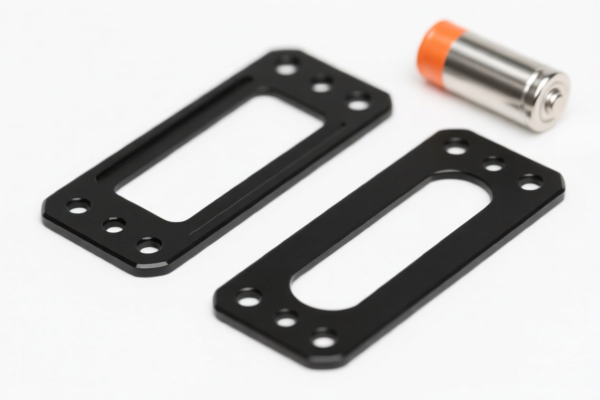
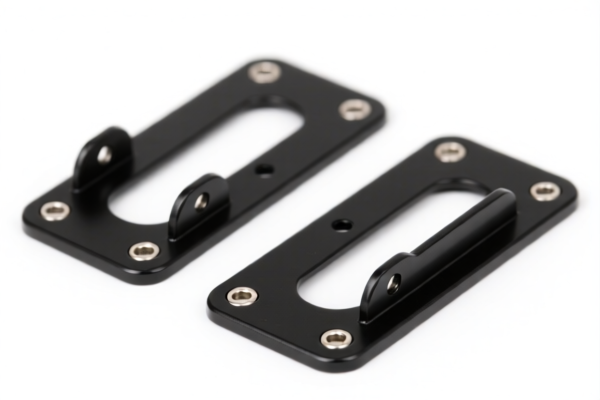
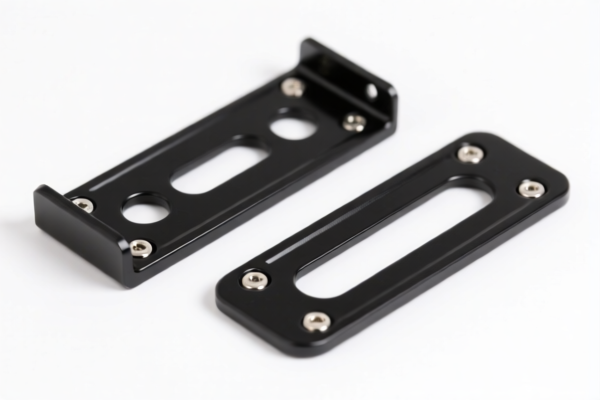
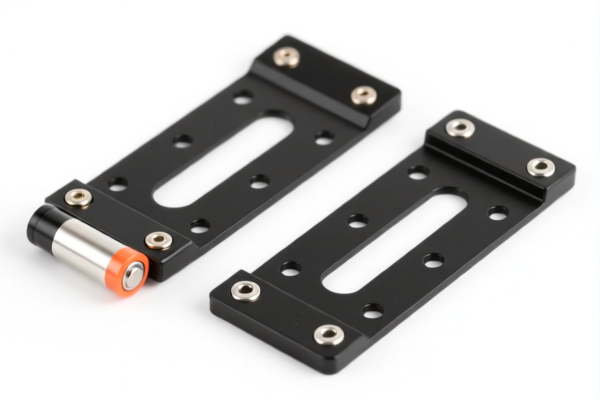
AI分析
🔋 Battery Bracket (Battery Support/Stand)
🌐 HS Code Reference & Customs Clearance Guide | 2026 Latest Tariff Analysis | Professional Compliance Strategy
📌 I. Product Definition & Classification: What Exactly Is a "Battery Bracket"?
A Battery Bracket is a structural component designed to hold, support, or secure batteries within larger equipment (such as electric vehicles, industrial machinery, UPS systems, or consumer electronics). In international trade, its classification depends heavily on two critical factors: 1. Material: Is it made of Plastic, Iron/Steel, or Mixed Materials? 2. Function: Is it classified as a "General Plastic/Metal Good" or a "Specific Part of Machinery/Equipment"?
⚠️ Key Distinction: - If it is a generic holder made of plastic/steel without specific integration into a complex machine part, it often falls under Chapter 39 (Plastics) or Chapter 73 (Iron/Steel). - If it is recognized as a specific spare part for a machine (e.g., EV battery housing), it may fall under Chapter 85 (Electrical Machinery Parts). - Misclassification Risk: Declaring a steel bracket as plastic to avoid high tariffs, or vice versa, leads to severe penalties.
📦 II. HS Code Classification Details (2026 Latest Tariff Data)
Based on the provided data, here are the specific HS Codes and their corresponding tax structures for importing Battery Brackets into the US (assuming China origin based on tariff details):
| HS Code | Product Description | Material | Classification Logic |
|---|---|---|---|
| 3926.90.25.00 | Plastic Battery Bracket | Plastic | Classified as "Other articles of plastics." This is a specific sub-category for plastic articles not elsewhere specified. |
| 3926.90.99.89 | Plastic Battery Bracket (Fallback) | Plastic | Classified as "Other plastic articles" (General Fallback/Residual Category). Used if 3926.90.25.00 is deemed inapplicable. |
| 7326.90.86.88 | Metal (Iron/Steel) Battery Bracket | Iron/Steel | Classified as "Other articles of iron or steel." Specifically targets non-specified metal articles. |
| 7326.20.00.90 | Iron/Steel Battery Bracket (Fallback) | Iron/Steel | Classified as "Other articles of iron or steel" (General Fallback/Residual Category). |
| 8529.90.98.00 | Battery Bracket as Equipment Part | Metal or Plastic | Classified as "Other parts of electrical machinery/equipment." Applied when the bracket is deemed an integral part of a specific device. |
🔍 Critical Note: - Plastic Brackets: Tariffs range from 22.8% to 24.0%. - Metal Brackets: Tariffs skyrocket to 87.9% - 88.9% due to Section 232 (Steel/Aluminum) and Section 301 tariffs. - Equipment Parts: Offers a middle ground at 35.0%, but requires proof that it is a "part of equipment" rather than a standalone good.
💰 III. 2026 Latest Tariff Rate Breakdown (Including Surcharges)
✅ Applicable Country: United States (US)
✅ Country of Origin: China (CN)
✅ Effective Time: Current rates include Section 301 and Section 232 add-ons.
🎯 1. 3926.90.25.00 — Plastic Battery Bracket (Specific)
| Item | Content |
|---|---|
| Base Duty | 6.5% |
| Section 301 (421/201) Surcharge | 7.5% |
| Section 122 Tariff | 10% |
| Total Tax Rate | 24.0% |
| Tax Calculation | CIF Value × 24.0% |
| De Minimis Exemption | ❌ No (Deny De Minimis) |
| Legal Basis | Section 301 + Section 122 |
📌 Explanation:
- The 6.5% is the standard MFN (Most Favored Nation) duty for plastic articles. - The 7.5% is the standard Section 301 punitive tariff on Chinese goods. - The 10% is the Section 122 tariff (National Security), which was re-imposed/adjusted in recent years. - Total 24.0% is relatively moderate compared to metal counterparts.
🎯 2. 3926.90.99.89 — Plastic Battery Bracket (Fallback/General)
| Item | Content |
|---|---|
| Base Duty | 5.3% |
| Section 301 (421/201) Surcharge | 7.5% |
| Section 122 Tariff | 10% |
| Total Tax Rate | 22.8% |
| Tax Calculation | CIF Value × 22.8% |
| De Minimis Exemption | ❌ No (Deny De Minimis) |
| Legal Basis | Section 301 + Section 122 |
📌 Explanation:
- Slightly lower base duty (5.3%) because it is a "general" plastic category rather than a "specific" one. - However, the total tax is still high (22.8%) due to the same punitive surcharges. - Strategy: Choose this only if3926.90.25.00is ruled out by CBP.
🎯 3. 7326.90.86.88 — Metal (Iron/Steel) Battery Bracket
| Item | Content |
|---|---|
| Base Duty | 2.9% |
| Section 301 Surcharge | 25.0% |
| Section 122 Tariff | 10% |
| Section 232 (Steel/Aluminum) Surcharge | 50% |
| Total Tax Rate | 87.9% |
| Tax Calculation | CIF Value × 87.9% |
| De Minimis Exemption | ❌ No (Deny De Minimis) |
| Legal Basis | Section 301 + Section 232 + Section 122 |
📌 Explanation:
- CRITICAL WARNING: This is an EXTREMELY HIGH tax bracket. - The 50% is the Section 232 Tariff applied specifically to steel and aluminum products for national security reasons. - Combined with 2.9% base + 25% Section 301 + 10% Section 122, the total hits 87.9%. - Impact: This makes importing steel brackets from China economically unviable for many businesses.
🎯 4. 7326.20.00.90 — Iron/Steel Battery Bracket (Fallback)
| Item | Content |
|---|---|
| Base Duty | 3.9% |
| Section 301 Surcharge | 25.0% |
| Section 122 Tariff | 10% |
| Section 232 (Steel/Aluminum) Surcharge | 50% |
| Total Tax Rate | 88.9% |
| Tax Calculation | CIF Value × 88.9% |
| De Minimis Exemption | ❌ No (Deny De Minimis) |
| Legal Basis | Section 301 + Section 232 + Section 122 |
📌 Explanation:
- Even higher total rate (88.9%) due to a slightly higher base duty (3.9%). - Same Pitfalls: The 50% Section 232 tariff applies. Avoid this classification if possible.
🎯 5. 8529.90.98.00 — Battery Bracket as Equipment Part
| Item | Content |
|---|---|
| Base Duty | 0.0% |
| Section 301 Surcharge | 25.0% |
| Section 122 Tariff | 10% |
| Section 232 (Steel/Aluminum) Surcharge | 0% (Note: Parts may be exempt if not "steel articles" per se, but data shows 35% total) |
| Total Tax Rate | 35.0% |
| Tax Calculation | CIF Value × 35.0% |
| De Minimis Exemption | ❌ No (Deny De Minimis) |
| Legal Basis | Section 301 + Section 122 |
📌 Explanation:
- Best of Both Worlds? If your bracket is truly a "part of machinery" (e.g., part of an EV battery system), the base duty is 0%. - The 50% Section 232 tax does not apply to "parts" in the same way it applies to raw steel/aluminum articles, hence the total is only 35.0% (0% + 25% + 10%). - Requirement: You must prove the bracket is a specific part of a machine (e.g., "Part of Electric Vehicle Battery Housing") rather than a generic shelf component.
🛠️ IV. Customs Clearance Practical Advice (Battle-Tested Guide)
✅ 1. Documentation Checklist (Non-Negotiable)
| Document | Required | Purpose |
|---|---|---|
| ✅ Product Specification Sheet | ✔️ | Must detail material (Plastic vs. Steel), dimensions, and mounting method. |
| ✅ Intended Use Statement | ✔️ | Crucial for HS 8529: Declare if it is a "part of [Specific Machine]." |
| ✅ Material Certificate | ✔️ | Proof of composition (e.g., ABS Plastic, Stainless Steel 304). |
| ✅ Commercial Invoice | ✔️ | Must explicitly state "Battery Bracket, Model XYZ." Do NOT use vague terms like "Holder." |
| ✅ Photos of Product | ✔️ | Clear shots of the bracket, including any branding or part numbers. |
| ✅ Bill of Lading / Packing List | ✔️ | Ensure weight and dimensions match the declaration. |
✅ 2. Declaration Strategy (Key Mantras)
🔥 “Material Determines Duty, Function Determines HS, Don’t Split, Don’t Hide!”
| Scenario | Correct Declaration | Wrong Practice |
|---|---|---|
| Plastic Bracket | Declare as Plastic Article (HS 3926) | Declare as "Part of Machine" to avoid tax → Audit Risk |
| Steel Bracket | Declare as Steel Article (HS 7326) | Try to hide steel content → Smuggling Penalty |
| Part of EV Battery | Declare as Equipment Part (HS 8529) | Declare as "Plastic Part" if it’s metal → Misclassification |
| Mixed Material | Declare based on Principal Material | Split into multiple invoices → Customs Flag |
📌 Strategic Insight:
- If your bracket is metal, try to argue for HS 8529.90.98.00 (35% tax) instead of HS 7326 (88% tax).
- To succeed with HS 8529, provide a technical diagram showing how the bracket integrates into the larger electrical equipment.
✅ 3. Special Cases Handling
| Scenario | Handling Advice |
|---|---|
| OEM Custom Bracket | Provide the end-user’s specification showing it is integral to their equipment. |
| Generic Shelf Bracket | Must be classified under 3926 or 7326. Cannot claim "part of equipment" status. |
| Coated Steel Bracket | If coated with plastic, CBP may rule it as a plastic article (HS 3926) if the coating is predominant. |
| Origin Tracing | Ensure the steel/aluminum itself is not from China if you are trying to avoid Section 232 (but note: the article itself is still subject to 301/122). |
🌍 V. Global Market Comparison (2026 Update)
| Country/Region | Recommended HS Code | Estimated Duty (China Origin) | Certification | Notes |
|---|---|---|---|---|
| 🇺🇸 USA | 8529.90.98.00 (if part) or 3926.90.25.00 |
35.0% (Part) / 24.0% (Plastic) / 88.9% (Steel) | FCC, UL (if applicable) | High Risk: Section 232 on steel. |
| 🇨🇳 China | 7326.90.86.88 |
~2.9% (Import Duty) | CCC (if part of device) | Lower base duties, no Section 301. |
| 🇪🇺 EU | 3926.90.97 or 7326.90.89 |
~3.5% - 4.5% | CE, RoHS | No Section 232 equivalent. |
| 🇦🇺 Australia | 7326.90.90 |
~5% | RCM | Standard MFN rates. |
📌 Conclusion:
- The US is the most hostile market for steel battery brackets due to Section 232.
- Plastic brackets are significantly cheaper to import into the US (24%).
- Parts classification (HS 8529) is the best loophole for metal brackets, but requires strong technical justification.
📌 VI. Common Mistakes & Pitfalls (Lessons from Blood and Tears)
❌ Mistake 1: Declaring a Steel Bracket as "Plastic" to avoid Section 232.
👉 Consequence: CBP conducts physical inspections. If found, penalties up to 3x the duty, plus seizure.
❌ Mistake 2: Using HS 8529 for a generic shelf bracket.
👉 Consequence: CBP rejects the "part of equipment" claim. Retroactive application of 88.9% duty + interest.
❌ Mistake 3: Ignoring Section 122 Tariffs.
👉 Consequence: Even if Section 232 is avoided, the 10% Section 122 tax still applies to most Chinese imports.
❌ Mistake 4: Vague Invoice Description ("Bracket").
👉 Consequence: Customs hold for classification review. Delayed clearance, storage fees.
✅ Correct Approach:
"Battery Support Bracket, Material: ABS Plastic, Model: BRK-100, Intended Use: Mounting for Electric Vehicle Battery Module"
🎯 VII. Conclusion: Precision in Classification Saves Millions!
🎯 Remember the Mantra:
🔹 "Plastic? 24%. Steel Part? 35%. Steel Good? 88%. Don't Guess, Prove It!"
🔹 "HS Code is King, Tariff is Queen, Documentation is the Crown."
📌 Pro Tip:
If you are importing metal brackets, consider:
1. Re-engineering: Switch to plastic or composite materials if structurally possible (drops tax from 88% to 24%).
2. Parts Classification: Work with engineers to document the bracket as an integral part of the equipment (HS 8529, 35% tax).
3. Pre-Ruling: Apply for a CBP Binding Ruling before shipment to lock in the 35% rate.
📣 Immediate Action Required:
📞 Consult a Customs Broker + Provide Technical Drawings + Request HS Code Binding Ruling
🚀 Avoid 88.9% Tax Traps, Optimize Supply Chain, Maximize Profit!
✨ Professional Clearance Starts with Accurate Classification!
💼 Every Percentage Point of Duty is Money in Your Pocket!
用户评价
关于 HS 编码归类
协调制度(HS)是由世界海关组织(WCO)制定的国际贸易商品分类标准。全球 200 多个国家采用 HS 系统作为海关关税、贸易统计和进出口监管的基础。
每个 HS 编码遵循以下层级结构:
- 章(2 位)——商品大类(例如:第 84 章:机器和机械设备)
- 品目(4 位)——章内的更具体分类
- 子目(6 位)——国际通用细分,所有 WCO 成员国统一使用
- 本国细分(8-10 位)——各国自行扩展的细分编码,如美国 HTSUS 10 位编码
正确的 HS 编码归类对于顺利通关、准确缴纳关税和遵守贸易法规至关重要。错误归类可能导致海关延误、多缴关税或罚款。
从CN进口到US时,适用的关税税率可能包括:
- 最惠国(MFN)税率——适用于 WTO 成员国的标准关税税率
- 普通税率——适用于无贸易协定国家
- 贸易救济关税——附加关税,如 301 条款(反倾销)、232 条款(国家安全)或反补贴税
本页内容仅供参考。如需正式归类,请咨询当地海关或持牌报关代理。