Bean Paste Color Air Column Bag
CN → US| HS编码 | 关税税率 | 原产国 | 目的国 | 文档 |
|---|---|---|---|---|
| 3923210030 | 38.0% | CN | US | 官方文档 |
| 6307909891 | 24.5% | CN | US | 官方文档 |
| 3923210080 | 38.0% | CN | US | 官方文档 |
| 6307908985 | 17.0% | CN | US | 官方文档 |
商品图片
AI分析
📦 Bean Paste Color Air Column Bag (Stand-up Pouches with Air Cushions)
🌐 HS Code Reference & Customs Clearance Guide | 2026 Latest Tariff Analysis | Professional Compliance Strategy
📌 I. Product Definition & Classification: What Exactly Is a "Bean Paste Color Air Column Bag"?
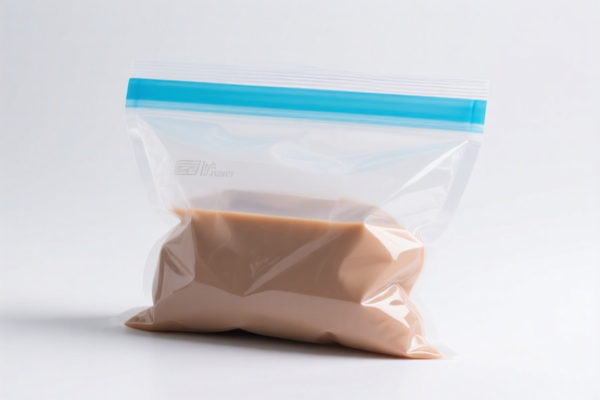
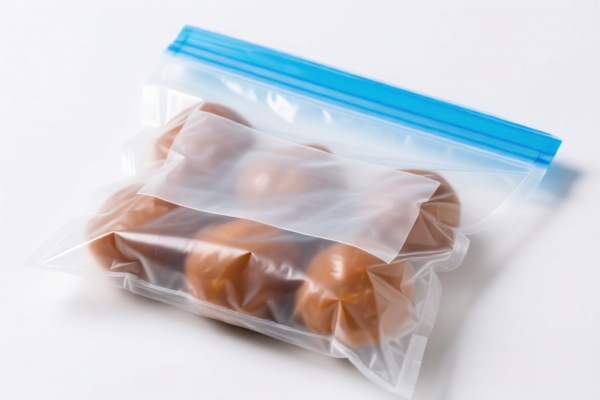
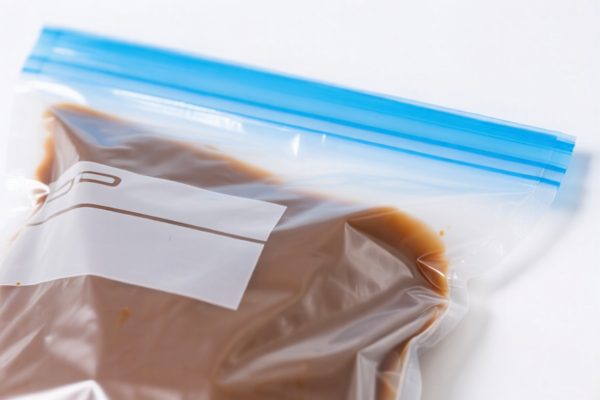
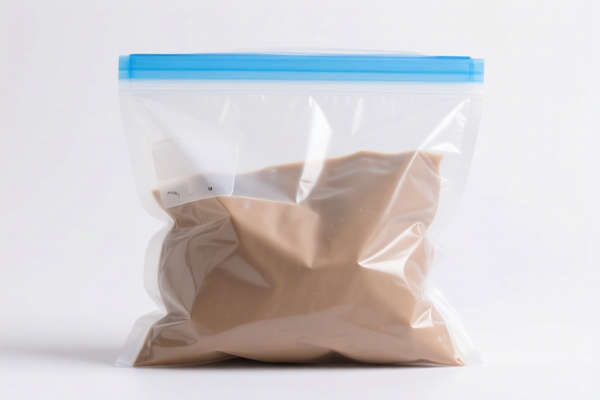
The "Bean Paste Color Air Column Bag" refers to flexible packaging bags featuring a distinctive rose-beige (dusty pink) hue. The key structural feature is the presence of air columns (pouches filled with air), which serve as shock-absorbing buffers for fragile goods (e.g., cosmetics, glassware, electronics).
In international trade, these are categorized based on their material composition and functional structure:
- Plastic-Based Air Column Bags: Made primarily from PE (Polyethylene) or composite plastic films. These are the most common type, used for general industrial packaging.
- Fabric/Textile-Based Air Column Bags: Less common, made from cotton, polyester, or blended fabrics with laminated air pockets. These are often used for decorative, retail, or reusable gift packaging.
⚠️ Key Distinction Point:
- If the material is plastic/polymers (standard industrial packaging) → Classified under Chapter 39 (Plastics) or Chapter 63 (Other Made-up Articles) based on specific sub-categories.
- If the material is textile/fabric (e.g., cotton blend) → Classified under Chapter 63 (Other Made-up Textile Articles).
- Note: The color "Bean Paste" is a descriptive attribute and does not affect the HS Code classification, which is determined by material and function.
📦 II. HS Code Classification Details (2026 Latest Tariff Authority对照)
Based on the provided data, there are four potential HS Codes for this product, depending on the specific material and structural interpretation by customs:
| HS Code | Product Description | Application Scenario | Material Assumption |
|---|---|---|---|
3923.21.00.30 |
Other plastic sacks and bags, with closed top, made of polymers of ethylene | Industrial packaging, flexible plastic bags with air columns | ✅ Plastic (Polymer) |
6307.90.98.91 |
Other made-up articles, n.e.c. (Not Elsewhere Classified) | Finished packaging goods, composite material bags | ✅ Composite/Flexible |
3923.21.00.80 |
Other plastic sacks and bags, with closed top, made of polymers of ethylene | General plastic packaging supplies | ✅ Plastic (Polymer) |
6307.90.89.85 |
Other made-up cotton or blended fabric articles | Decorative/reusable fabric bags with air cushioning | ✅ Textile (Cotton/Blend) |
🔍 Critical Warning:
- The majority of "Air Column Bags" are made of plastic (PE). Therefore,3923.21.00.30and3923.21.00.80are the most likely classifications.
- If the bag is a finished product with specific printing or composite layers not strictly defined as "plastic sacks," customs may classify it under6307.90.98.91as a "made-up article."
- If the bag is explicitly made of cotton or blended fabric (rare for industrial air columns but possible for retail), it falls under6307.90.89.85.
- Do not assume all air column bags are the same; the material declaration is crucial.
💰 III. 2026 Latest Tariff Rate Breakdown (Including Additional Taxes & Policy Surcharges)
✅ Applicable Country: USA (US)
✅ Country of Origin: China (CN)
✅ Effective Date: 2025/2026 Import Period
🎯 1. 3923.21.00.30 & 3923.21.00.80 —— Plastic Sacks/Bags (Polymer Based)
These two codes share identical tariff structures in the provided data.
| Item | Content |
|---|---|
| Base Tariff Rate | 3.0% (ad valorem) |
| Section 301 Additional Tariff | +25.0% |
| Section 122 Tariff (Specific) | +10.0% |
| Total Effective Tariff | 38.0% |
| Tax Calculation | CIF Value × 38.0% |
| De Minimis Exemption Eligible? | ❌ No (High tariff rates disqualify it from standard low-value exemptions) |
| Legal Basis Path | Section 301: 9903.88.01 → Section 122: Specific Provision → USITC: 3923.21.00.30/80 |
📌 Explanation:
- The 3.0% is the standard MFN (Most Favored Nation) tariff for plastic sacks.
- The 25.0% is the standard "Section 301" tariff on many Chinese plastic goods.
- The 10% is a specific "Section 122" tariff (likely a special trade measure or specific duty adjustment mentioned in the data).
- Total 38% is a significant cost factor. Importers must budget accordingly.
🎯 2. 6307.90.98.91 —— Other Made-Up Articles (Composite/Flexible)
This code is often used when the product is considered a "finished made-up article" rather than a simple plastic sack.
| Item | Content |
|---|---|
| Base Tariff Rate | 7.0% (ad valorem) |
| Section 301 Additional Tariff | +7.5% |
| Section 122 Tariff (Specific) | +10.0% |
| Total Effective Tariff | 24.5% |
| Tax Calculation | CIF Value × 24.5% |
| De Minimis Exemption Eligible? | ❌ No (Still subject to substantial additional tariffs) |
| Legal Basis Path | Section 301: 9903.88.01 → Section 122: Specific Provision → USITC: 6307.90.98.91 |
📌 Explanation:
- The base rate is higher (7.0%) than plastic sacks, but the Section 301 rate is lower (7.5% vs 25%).
- Total 24.5% is significantly cheaper than the 38% for plastic classification.
- Strategy: If the product can be legally classified under this code (e.g., as a composite "made-up article" rather than a simple plastic sack), it saves 13.5% in tariffs. However, customs may challenge this if the product is clearly just a plastic bag.
🎯 3. 6307.90.89.85 —— Textile/Fabric Made-Up Articles
This applies only if the bag is made of cotton or blended fabrics.
| Item | Content |
|---|---|
| Base Tariff Rate | 7.0% (ad valorem) |
| Section 301 Additional Tariff | +0.0% |
| Section 122 Tariff (Specific) | +10.0% |
| Total Effective Tariff | 17.0% |
| Tax Calculation | CIF Value × 17.0% |
| De Minimis Exemption Eligible? | ❌ No (Due to Section 122) |
| Legal Basis Path | Section 122: Specific Provision → USITC: 6307.90.89.85 |
📌 Explanation:
- This is the most cost-effective option if the product is indeed textile-based.
- The Section 301 tariff is 0%, which is rare for Chinese goods.
- Only the 10% Section 122 tariff applies.
- Caution: Misclassifying a plastic bag as textile to achieve this rate is customs fraud. Only use if the material is genuinely cotton/fabric.
🛠️ IV. Customs Clearance Practical Advice (Real-World Pitfall Avoidance)
✅ 1. Documentation Checklist (Must-Have)
| Document | Required | Purpose |
|---|---|---|
| ✅ Product Specification Sheet | ✔️ | Detail material composition (e.g., "100% PE," "Cotton Blend"), dimensions, air column count. |
| ✅ Product Photos | ✔️ | Clear images showing the "air column" structure and the "bean paste color." |
| ✅ Bill of Lading / Air Waybill | ✔️ | Ensure description matches commercial invoice. |
| ✅ Commercial Invoice | ✔️ | Clearly state: "Air Column Bag, Material: [Plastic/Fabric], Color: Bean Paste." |
| ✅ Certificate of Origin | ✔️ | Confirm China origin to calculate correct tariffs. |
| ✅ Material Declaration Letter | ✔️ | If using 6307 codes, provide a letter from the manufacturer confirming the material is not primarily plastic. |
✅ 2. Classification Strategy (Key Tips)
🔥 "Material First, Function Second. Plastic is 38%, Composite is 24.5%, Fabric is 17%."
| Scenario | Recommended HS Code | Reason |
|---|---|---|
| Standard Plastic Air Bag | 3923.21.00.30 or 3923.21.00.80 |
Most common. High tax (38%). |
| Composite Bag with Heavy Printing/Lamination | 6307.90.98.91 |
May qualify for lower Section 301 rate (24.5%). Requires strong evidence of "made-up article" status. |
| Cotton/Blend Fabric Bag | 6307.90.89.85 |
Lowest tax (17%). Must be genuine textile. |
✅ 3. Special Considerations
| Issue | Advice |
|---|---|
| Color "Bean Paste" | Does not affect HS Code. Ensure color is accurately described in the invoice to avoid description mismatches. |
| Air Column Structure | This is a functional feature. Do not try to hide it. Describe it as "Air Cushion Packaging" or "Stand-up Pouch with Air Columns." |
| Section 122 Tariff | This 10% tax applies to all four codes. It is a non-negotiable addition for Chinese-origin goods in this category. |
| De Minimis (Section 321) | Not Applicable. Due to the high total tariff (17%-38%), these goods cannot enter under the $800 de minimis exemption. Full duty payment is required. |
🌍 V. Global Market Comparison (2026)
| Country/Region | Recommended HS Code | Total Tariff (China Origin) | Notes |
|---|---|---|---|
| 🇺🇸 USA | 3923.21.00.30 / 6307.90.98.91 |
24.5% - 38.0% | High tariffs due to Section 301 & 122. |
| 🇨🇳 China (Import) | 3923.21.00.30 |
~7.0% | Lower base rate, no Section 301. |
| 🇪🇺 EU | 3923.29.39 |
~3.0% | No Section 301. Check for anti-dumping duties. |
| 🇬🇧 UK | 3923.29.39 |
~3.0% | Post-Brexit tariffs similar to EU. |
| 🇨🇦 Canada | 3923.21.00 |
~0.0% - 3.5% | Check CUSMA eligibility. |
📌 Conclusion:
- The US market is the most expensive due to the combination of Section 301 and Section 122 tariffs.
- Optimization Tip: If your product is a composite made-up article (not just a simple plastic sack), arguing for6307.90.98.91can save 13.5% in tariffs.
- Never misclassify plastic as textile (6307.90.89.85) unless it is actually fabric. The penalty for fraud is severe.
📌 VI. Common Errors & Pitfalls (Lessons Learned)
❌ Error 1: Classifying all air column bags under 6307.90.98.91 to save tax.
👉 Consequence: Customs may reject if the product is clearly 100% plastic. Result: Back taxes + penalties.
❌ Error 2: Ignoring the "Section 122" 10% tariff.
👉 Consequence: Underpayment of duties. Result: Customs hold and interest charges.
❌ Error 3: Using "Bag" as the only description.
👉 Consequence: Vague descriptions lead to higher scrutiny.
✅ Correct Practice: Use "Air Column Packaging Bag, PE Material, Bean Paste Color" to provide clarity.
🎯 VII. Conclusion: Professional Classification, Cost Efficiency!
🎯 Key Takeaways:
🔹 Plastic Bags: Expect 38% total tariff (
3923.21.00.30/80).
🔹 Composite Bags: Aim for 24.5% tariff (6307.90.98.91) if structurally complex.
🔹 Textile Bags: Lowest at 17% (6307.90.89.85), but only if genuinely fabric.
🔹 Section 122 (10%) is universal for these codes from China.
📌 Action Plan:
1. Verify Material: Is it 100% plastic, composite, or fabric?
2. Choose Code: Select the code that matches the material and offers the best legal rate.
3. Prepare Docs: Have spec sheets and photos ready to justify the classification.
4. Calculate Cost: Include the 38% (plastic) or 24.5% (composite) in your pricing model.
📣 Immediate Action:
📞 Consult with a licensed customs broker for a Pre-Ruling if you are unsure about the material classification.
🚀 Ensure your invoice description is precise to avoid delays.
✨ Professional Clearance Starts with Accurate Classification!
💼 Every Percent of Tariff Saved is Pure Profit!
用户评价
关于 HS 编码归类
协调制度(HS)是由世界海关组织(WCO)制定的国际贸易商品分类标准。全球 200 多个国家采用 HS 系统作为海关关税、贸易统计和进出口监管的基础。
每个 HS 编码遵循以下层级结构:
- 章(2 位)——商品大类(例如:第 84 章:机器和机械设备)
- 品目(4 位)——章内的更具体分类
- 子目(6 位)——国际通用细分,所有 WCO 成员国统一使用
- 本国细分(8-10 位)——各国自行扩展的细分编码,如美国 HTSUS 10 位编码
正确的 HS 编码归类对于顺利通关、准确缴纳关税和遵守贸易法规至关重要。错误归类可能导致海关延误、多缴关税或罚款。
从CN进口到US时,适用的关税税率可能包括:
- 最惠国(MFN)税率——适用于 WTO 成员国的标准关税税率
- 普通税率——适用于无贸易协定国家
- 贸易救济关税——附加关税,如 301 条款(反倾销)、232 条款(国家安全)或反补贴税
本页内容仅供参考。如需正式归类,请咨询当地海关或持牌报关代理。