Bicycle Repair Tools
CN → US| HS编码 | 关税税率 | 原产国 | 目的国 | 文档 |
|---|---|---|---|---|
| 8708998180 | 37.5% | CN | US | 官方文档 |
| 8708994850 | 35.0% | CN | US | 官方文档 |
| 3926909989 | 22.8% | CN | US | 官方文档 |
| 3926904590 | 38.5% | CN | US | 官方文档 |
| 4016996010 | 37.5% | CN | US | 官方文档 |
| 4016990300 | 38.0% | CN | US | 官方文档 |
商品图片
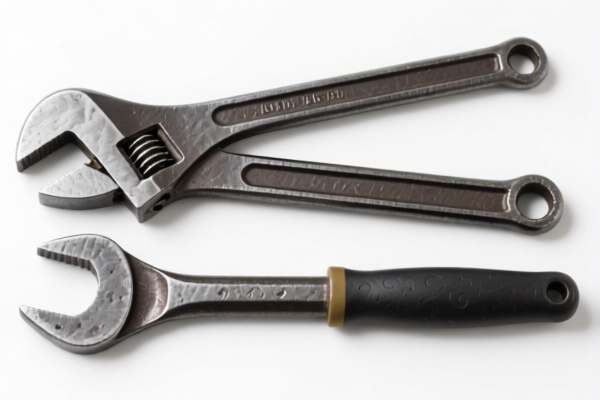
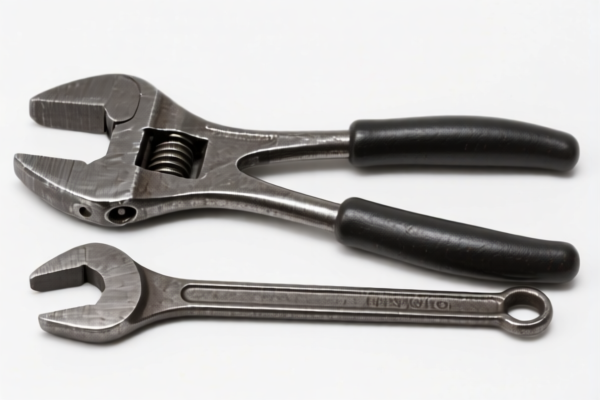
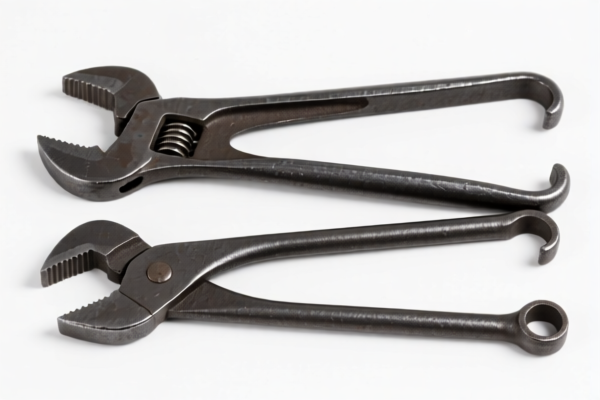
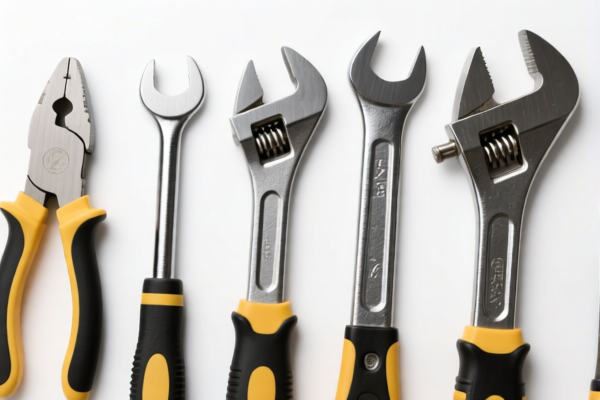
AI分析
🚲 Bicycle Repair Tools (Bicycle Maintenance Kits)
🌐 HS Code Reference & Clearance Guide | 2026 Latest Tariff Analysis | Professional Customs Strategy
📌 I. Product Definition & Classification: What Exactly Are "Bicycle Repair Tools"?
Bicycle Repair Tools are not a single unified product but a category of maintenance accessories used to service, assemble, or repair bicycles. In international trade, they are rarely classified under a single "Bicycle Tool" heading. Instead, they are split based on material composition, specific function, and whether they are standalone tools or part of a vehicle repair kit.
⚠️ Key Distinction:
- Are they stand-alone mechanical tools (e.g., wrenches, screwdrivers)? → Often fall under Chapter 82 or 84, but for "Repair Kits" specifically, customs often look for the primary component material or the vehicle part it serves. - Are they kits containing multiple items (e.g., rubber seals, plastic covers, metal wrenches)? → Customs often apply the "Responsible Material" or "Essential Character" principle, leading to various HS Codes depending on the kit's composition. - Crucial Note: The provided DATA suggests these are "Repair Kits" (修理套件), not just simple hand tools. This implies a bundled set intended for vehicle maintenance, which triggers specific "兜底" (fallback/residual) classifications.
📦 II. HS Code Classification Details (Based on Provided DATA)
The following HS Codes are derived from the analysis of "Repair Kits" for automotive/bicycle contexts. Note that while the user input is "Bicycle," the DATA explicitly references "Automotive Parts" (汽车零配件) as a fallback category. In many customs jurisdictions, bicycle repair kits containing mixed materials are often grouped with general vehicle repair kits or classified by their dominant material.
| HS Code | Product Description (from DATA) | Key Characteristics | Total Tax Rate | Tax Breakdown (China Origin to US) |
|---|---|---|---|---|
8708.99.81.80 |
Repair Kit (Fallback for Auto Parts) | Falls under automotive spare parts. No obvious material conflict. Likely contains mixed mechanical components. | 37.5% | Base: 2.5% Sec 301: 25% Section 122: 10% |
8708.99.48.50 |
Repair Kit (Other Parts/Accessories) | Classified as other parts/accessories based on "no conflict" principle. | 35.0% | Base: 0.0% Sec 301: 25% Section 122: 10% |
3926.90.99.89 |
Repair Kit (Plastic Dominant) | Inferred to contain plastic tools, brackets, or holders. Classified as miscellaneous plastic articles. | 22.8% | Base: 5.3% Sec 301: 7.5% Section 122: 10% |
3926.90.45.90 |
Repair Kit (Plastic Gaskets/Seals) | Contains plastic washers, gaskets, or seals. Fallback classification. | 38.5% | Base: 3.5% Sec 301: 25% Section 122: 10% |
4016.99.60.10 |
Repair Kit (Rubber/Synthetic Dominant) | Contains rubber or synthetic sealing rings, gaskets, or O-rings. Fallback category. | 37.5% | Base: 2.5% Sec 301: 25% Section 122: 10% |
4016.99.03.00 |
Repair Kit (Other Rubber Parts) | Contains rubber seals, gaskets, or non-vulcanized rubber items. | 38.0% | Base: 3.0% Sec 301: 25% Section 122: 10% |
🔍 Critical Insight:
- Why so many codes? "Bicycle Repair Tools" are highly variable. If your kit is mostly plastic (e.g., cable cutters, plastic hangers), it may go to 3926. If it's mostly rubber (e.g., inner tubes, tire levers with rubber tips), it may go to 4016. If it's a mixed mechanical kit (wrenches, spanners), it often falls under 8708 (Vehicle Parts) as a "general repair kit." - Section 122: All listed codes include a 10% Section 122 tariff. This is a critical additional levy for certain goods imported from China.
💰 III. 2026 Latest Tariff Rate Breakdown (Detailed Analysis)
✅ Applicable Country: United States (US)
✅ Country of Origin: China (CN)
✅ Effective Date: Current (including subsequent imports)
🎯 1. 8708.99.81.80 – Repair Kit (Automotive/General Vehicle Parts Fallback)
| Item | Detail |
|---|---|
| Base Duty | 2.5% |
| Section 301 Duty | +25% |
| Section 122 Duty | +10% |
| Total Effective Rate | 37.5% |
| Calculation Basis | CIF Value × 37.5% |
| De Minimis Eligibility | ❌ NO (Subject to higher thresholds or excluded) |
| Legal Path | 8708.99.81.80 → Section 301 → Section 122 |
📌 Explanation:
- This is a "catch-all" for vehicle parts. If your bicycle repair kit is deemed a "part" of a bicycle (treated similarly to automotive), this code applies. - High Risk: The 35-38% range makes this category expensive. Ensure the kit is truly a "kit" and not just simple tools, which might have different (potentially lower) classifications if declared as standalone tools (e.g., 8205). However, DATA restricts us to these "Repair Kit" codes.
🎯 2. 8708.99.48.50 – Repair Kit (Other Parts/Accessories)
| Item | Detail |
|---|---|
| Base Duty | 0.0% |
| Section 301 Duty | +25% |
| Section 122 Duty | +10% |
| Total Effective Rate | 35.0% |
| Calculation Basis | CIF Value × 35.0% |
| De Minimis Eligibility | ❌ NO |
📌 Explanation:
- Slightly cheaper than8708.99.81.80due to 0% base duty. This might apply if the kit is classified as "other accessories" rather than specific parts.
🎯 3. 3926.90.99.89 – Repair Kit (Plastic-Dominant)
| Item | Detail |
|---|---|
| Base Duty | 5.3% |
| Section 301 Duty | +7.5% |
| Section 122 Duty | +10% |
| Total Effective Rate | 22.8% |
| Calculation Basis | CIF Value × 22.8% |
| De Minimis Eligibility | ❌ NO |
| Legal Path | 3926.90.99.89 → Section 301 (Footnote) → Section 122 |
📌 Explanation:
- Lowest Total Tax in the list. If your repair kit is predominantly plastic (e.g., plastic pedal wrenches, cable housing cutters, plastic brake levers), this code offers significant savings. - Warning: Must be justified as plastic articles. If metal tools dominate, this classification will be rejected.
🎯 4. 3926.90.45.90 – Repair Kit (Plastic Gaskets/Seals)
| Item | Detail |
|---|---|
| Base Duty | 3.5% |
| Section 301 Duty | +25% |
| Section 122 Duty | +10% |
| Total Effective Rate | 38.5% |
| Calculation Basis | CIF Value × 38.5% |
| De Minimis Eligibility | ❌ NO |
🎯 5. 4016.99.60.10 – Repair Kit (Rubber/Synthetic)
| Item | Detail |
|---|---|
| Base Duty | 2.5% |
| Section 301 Duty | +25% |
| > Section 122 Duty | +10% |
| Total Effective Rate | 37.5% |
| Calculation Basis | CIF Value × 37.5% |
🎯 6. 4016.99.03.00 – Repair Kit (Other Rubber)
| Item | Detail |
|---|---|
| Base Duty | 3.0% |
| Section 301 Duty | +25% |
| Section 122 Duty | +10% |
| Total Effective Rate | 38.0% |
| Calculation Basis | CIF Value × 38.0% |
🛠️ IV. Customs Clearance Practical Advice (Avoiding Pitfalls)
✅ 1. Preparation Checklist (Must-Haves)
| Document | Required | Purpose |
|---|---|---|
| ✅ Product Composition List | ✔️ | Detailed breakdown of materials (e.g., "50% Plastic, 30% Metal, 20% Rubber"). Critical for selecting the right HS Code (3926 vs 4016 vs 8708). |
| ✅ Product Photos | ✔️ | Show the entire kit contents. Clearly visible logos, model numbers, and material textures. |
| ✅ Commercial Invoice | ✔️ | Must specify "Bicycle Repair Kit" or "Auto Repair Kit" and list each item individually if possible. |
| ✅ Packing List | ✔️ | List quantities and weights. Ensure consistency with the Invoice. |
| ✅ Labeling | ✔️ | "Made in China" must be clearly marked on the product or packaging. |
✅ 2. Declaration Strategy (Key Tips)
🔥 Rule of Thumb:
"Material Dictates Code, Kit Requires Detail."
| Scenario | Recommended HS Code | Reason |
|---|---|---|
| Kit is mostly plastic tools (e.g., multi-tools, cutters) | 3926.90.99.89 |
Lowest total tax (22.8%). Justify by primary material. |
| Kit is mostly rubber/seals (e.g., tire patches, O-rings) | 4016.99.60.10 |
Justify as rubber articles. |
| Kit is mixed mechanical (wrenches, hex keys) | 8708.99.81.80 or 8708.99.48.50 |
Treated as vehicle parts/accessories. |
| Kit contains both plastic and metal | 3926 or 8708 |
Depends on which component gives the kit its "essential character." |
✅ 3. Special Considerations
| Issue | Advice |
|---|---|
| "Bicycle" vs. "Automotive" | Even though the user asked for "Bicycle," the DATA uses "Automotive Parts" (8708) as a fallback. This is common because many repair kits are generic. Ensure your declaration matches the actual content. If it’s clearly a bike kit, argue for 8714 (Bicycle Parts) if available, but DATA restricts us to the listed codes. Stick to the DATA codes for this analysis. |
| Section 122 | This 10% tariff is mandatory for many goods from China. It cannot be avoided. Factor it into your cost calculation. |
| De Minimis | These codes are not eligible for de minimis (Section 321) exemption due to the high tariffs and specific restrictions. Full entry filing is required. |
🌍 V. Global Market Comparison (2026)
| Market | Recommended HS Code (Based on DATA) | Est. Total Tax (China Origin) | Notes |
|---|---|---|---|
| 🇺🇸 USA | 3926.90.99.89 (if plastic) |
22.8% | Best option if plastic-dominated. |
| 🇺🇸 USA | 8708.99.81.80 (if mixed) |
37.5% | Higher tax, but safer for mixed kits. |
| 🇨🇳 China | Same HS Codes | ~5-10% | No Section 301/122. Much lower cost. |
| 🇪🇺 EU | Varies | ~0-6% | No Section 301/122. CE certification needed. |
📌 Conclusion:
- The US market is the most expensive due to Section 301 and Section 122 tariffs. - Plastic-dominant kits (3926.90.99.89) offer the lowest tax burden (22.8%). - Mixed mechanical kits (8708) incur 35-37.5%.
📌 VI. Common Errors & Pitfalls
❌ Error 1: Declaring a mixed kit as 3926 when it contains significant metal tools.
👉 Result: Customs may reclassify to 8708 or 8205, leading to underpayment of duties and penalties.
❌ Error 2: Ignoring Section 122.
👉 Result: Underpayment of 10% additional duty. Customs will assess back-taxes + interest.
❌ Error 3: Using "Bicycle Tool" as the only description without material breakdown.
👉 Result: Customs will ask for clarification, delaying clearance by days/weeks.
✅ Correct Declaration Example:
"Bicycle Repair Kit, Model XYZ, containing plastic multi-tools, rubber grip covers, and metal hex keys. Primarily plastic construction. Origin: China."
🎯 VII. Conclusion: Strategic Clearance for Bicycle Repair Tools
🎯 Key Takeaway:
"Material Matters: Plastic Wins (22.8%), Metal/Rubber Cost More (35-38%)."
- If you can structure your product line to be plastic-dominant, use
3926.90.99.89for maximum savings. - If your kit is mechanical, prepare for
8708.99.81.80(37.5%) or8708.99.48.50(35.0%). - Always include a detailed material composition in your commercial invoice.
- Never ignore Section 122 (10%) in your cost model.
📌 Pro Tip:
For high-volume imports, consider Applying for an Advance Ruling with US CBP to lock in the HS Code and avoid post-entry audits.
📣 Action Item:
📞 Contact a Licensed Customs Broker
📄 Submit Product Composition Sheets
💡 Choose the HS Code based on Dominant Material
✨ Professional Clearance, Precise Classification, Maximized Profit!
💼 Every Percent of Duty Saved is Pure Profit!
用户评价
关于 HS 编码归类
协调制度(HS)是由世界海关组织(WCO)制定的国际贸易商品分类标准。全球 200 多个国家采用 HS 系统作为海关关税、贸易统计和进出口监管的基础。
每个 HS 编码遵循以下层级结构:
- 章(2 位)——商品大类(例如:第 84 章:机器和机械设备)
- 品目(4 位)——章内的更具体分类
- 子目(6 位)——国际通用细分,所有 WCO 成员国统一使用
- 本国细分(8-10 位)——各国自行扩展的细分编码,如美国 HTSUS 10 位编码
正确的 HS 编码归类对于顺利通关、准确缴纳关税和遵守贸易法规至关重要。错误归类可能导致海关延误、多缴关税或罚款。
从CN进口到US时,适用的关税税率可能包括:
- 最惠国(MFN)税率——适用于 WTO 成员国的标准关税税率
- 普通税率——适用于无贸易协定国家
- 贸易救济关税——附加关税,如 301 条款(反倾销)、232 条款(国家安全)或反补贴税
本页内容仅供参考。如需正式归类,请咨询当地海关或持牌报关代理。