Bimetal Casting Functional Powder
CN → US| HS编码 | 关税税率 | 原产国 | 目的国 | 文档 |
|---|---|---|---|---|
| 7205210000 | 35.0% | CN | US | 官方文档 |
| 7205290000 | 35.0% | CN | US | 官方文档 |
| 8109290000 | 14.2% | CN | US | 官方文档 |
| 8109210000 | 14.2% | CN | US | 官方文档 |
| 8108200015 | 50.0% | CN | US | 官方文档 |
商品图片
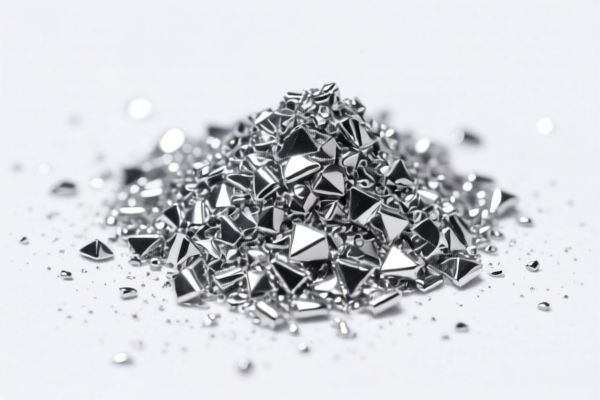
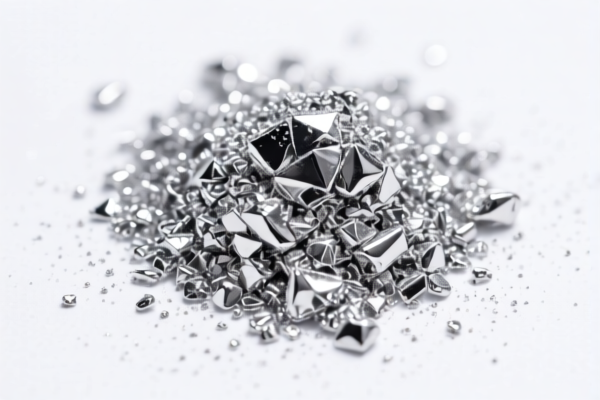
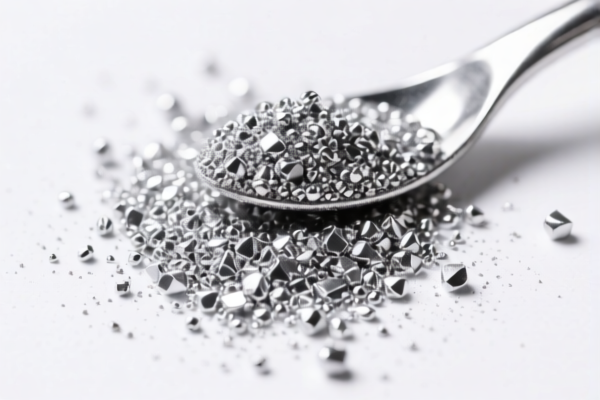
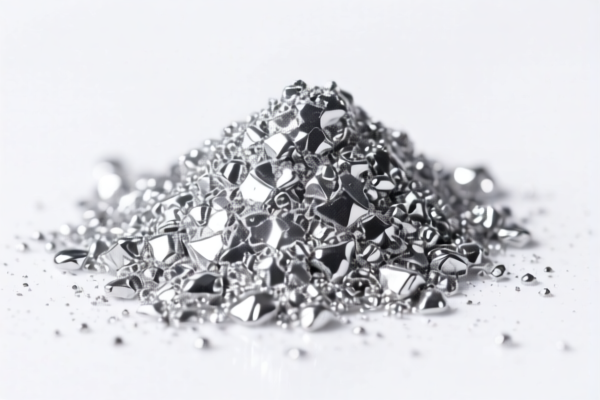
AI分析
⚗️ Bimetal Casting Functional Powder (Bimetallic Castings Functional Powder)
🌐 HS Code Reference & Customs Clearance Guide | 2026 Latest Tariff Analysis | Professional Clearance Strategy
📌 I. Product Definition and Classification: What Exactly is "Bimetal Powder"?
Bimetal Casting Functional Powder refers to specialized metal powders used in the manufacturing of bimetallic components (composites of two different metals). In international trade, the classification depends heavily on the specific material composition (e.g., Steel/Iron-based vs. Titanium-based vs. Zirconium-based) and the physical form (powder).
Key Distinctions for Classification: * Iron/Steel/Alloy Based: If the powder is primarily composed of iron, steel, or iron-steel alloys, it falls under Chapter 72 (Iron and Steel). * Non-ferrous Metals (Zirconium/Titanium): If the powder contains specific non-ferrous metals like Zirconium or Titanium, it falls under Chapter 81 (Other Base Metals). * Form Factor: The fact that it is a "powder" is critical. It must be declared as "powder" to distinguish it from ingots or wrought products.
⚠️ Critical Classification Point:
- If the composition is Iron/Steel/Alloy Steel → HS Code 7205.xxxx
- If the composition is Zirconium/Hafnium → HS Code 8109.xxxx
- If the composition is Titanium → HS Code 8108.xx
- Risk: Misclassification leads to massive duty discrepancies (from 4.2% to 50%).
📦 II. HS Code Classification Details (2026 Latest Tariff Authority Comparison)
| HS Code | Product Description | Applicable Scenario | Key Material Characteristics |
|--------|--------------------------|--------------------------|
| 7205.21.00.00 | Iron powder, unpressed, for alloy steel casting | Double-metal casting using alloy steel powder | Iron/Steel Alloy |
| 7205.29.00.00 | Iron powder, unpressed, other | Double-metal casting using general metal powder | Iron/Steel (General) |
| 8109.29.00.00 | Zirconium/Hafnium powder, other | Inferred Zirconium content in bimetal matrix | Zirconium (Zr) |
| 8109.21.00.00 | Zirconium/Hafnium powder, compressed | Specific Zirconium powder forms | Zirconium (Zr) |
| 8108.20.00.15 | Titanium powder, unpressed/compressed | Inferred Titanium content in bimetal matrix | Titanium (Ti) |
🔍 Key Reminder:
- The term "Bimetal" is a functional description, not a material definition. You must declare the primary base metal. - Chapter 72 (Iron/Steel) and Chapter 81 (Other Base Metals) are mutually exclusive based on the dominant metal element.
💰 III. 2026 Latest Tariff Rate Detailed Explanation (Including Surtaxes & Policy Add-ons)
✅ Applicable Country: USA (US)
✅ Country of Origin: China (CN)
✅ Effective Date: Nov 10, 2025 (and subsequent imports)
🎯 1. 7205.21.00.00 & 7205.29.00.00 —— Iron/Steel Alloy Powders (High Risk Category)
| Item | Content |
|---|---|
| Base Tariff | 0.0% (ad valorem) |
| Section 301 Surtax (USITC) | +25.0% |
| IEEPA Add-on Tariff | +10.0% (122 Section Clause for China) |
| Total Tariff Rate | 35.0% |
| Tax Calculation | CIF Value × 35% |
| De Minimis Eligibility | ❌ Not Eligible (deny_de_minimis) |
| Legal Path | USITC:7205.21.00.00 → FOOTNOTE:301.02 → IEEPA:9903.01.24 |
📌 Explanation:
- Base 0%: Standard MFN rate for iron powder is often 0%. - 301 Surtax 25%: Applied under Section 301 due to origin China. - IEEPA 10%: Additional surcharge under International Emergency Economic Powers Act targeting specific Chinese goods. - Total 35%: This is a high cost category. Must be accurately declared as "Iron/Steel Powder" to avoid penalties.
🎯 2. 8109.29.00.00 & 8109.21.00.00 —— Zirconium/Hafnium Powders (Medium Risk Category)
| Item | Content |
|---|---|
| Base Tariff | 4.2% (ad valorem) |
| Section 301 Surtax (USITC) | 0.0% (Exempt from 301 List 4A/4B in many cases) |
| IEEPA Add-on Tariff | +10.0% (122 Section Clause for China) |
| Total Tariff Rate | 14.2% |
| Tax Calculation | CIF Value × 14.2% |
| De Minimis Eligibility | ❌ Not Eligible (deny_de_minimis) |
| Legal Path | USITC:8109.29.00.00 → IEEPA:9903.01.24 |
📌 Explanation:
- Base 4.2%: Standard duty for Zirconium powder. - 301 Surtax 0%: Zirconium products often do not fall under the highest 301 tariffs (unlike steel/aluminum). - IEEPA 10%: Still applies due to the general 122 clause for Chinese goods. - Total 14.2%: Significantly cheaper than steel-based powders. Accurate material declaration is crucial to benefit from this lower rate.
🎯 3. 8108.20.00.15 —— Titanium Powders (Highest Risk Category)
| Item | Content |
|---|---|
| Base Tariff | 15.0% (ad valorem) |
| Section 301 Surtax (USITC) | +25.0% |
| IEEPA Add-on Tariff | +10.0% (122 Section Clause for China) |
| Total Tariff Rate | 50.0% |
| Tax Calculation | CIF Value × 50% |
| De Minimis Eligibility | ❌ Not Eligible (deny_de_minimis) |
| Legal Path | USITC:8108.20.00.15 → FOOTNOTE:301.02 → IEEPA:9903.01.24 |
📌 Explanation:
- Base 15.0%: Titanium has a higher base duty than iron or zirconium. - 301 Surtax 25%: Applied under Section 301. - IEEPA 10%: Additional surcharge. - Total 50%: Extremely High Tariff. Any inclusion of Titanium in the bimetal mix triggers this highest tier. Requires precise chemical composition analysis.
🛠️ IV. Customs Clearance Practical Advice (Avoid Pitfalls Guide)
✅ 1. Documentation Checklist (Missing Documents = Delay/Rejection)
| Document | Required? | Description |
|---|---|---|
| ✅ Product Specification Sheet | ✔️ | Must list chemical composition (e.g., "95% Iron, 5% Chromium") not just "Bimetal". |
| ✅ MSDS (Material Safety Data Sheet) | ✔️ | Required for powder shipments (fire hazard classification). |
| ✅ Commercial Invoice | ✔️ | Must clearly state: "Metal Powder, Unpressed, Material: [Specific Metal], Use: Bimetal Casting". |
| ✅ Certificate of Origin (CO) | ✔️ | To verify China origin and apply correct surtaxes. |
| ✅ Packing List | ✔️ | Detail net/gross weight and number of packages. |
| ✅ Third-Party Lab Report | ✔️ | Crucial: To prove material composition (e.g., XRF test) if challenged. |
✅ 2. Declaration Strategy (Key Mnemonic)
🔥 “Material First, Function Second! Don’t Say ‘Bimetal’, Say ‘Steel/Zirconium/Ti’!”
| Scenario | Correct Declaration | Incorrect Declaration | Result |
|---|---|---|---|
| Iron-based powder | 7205.29.00.00 - "Iron Powder for Alloy Steel" |
"Bimetal Powder" | ✅ Correct (35%) |
| Zirconium-based powder | 8109.29.00.00 - "Zirconium Powder" |
"Bimetal Powder" | ✅ Correct (14.2%) |
| Titanium-based powder | 8108.20.00.15 - "Titanium Powder" |
"Bimetal Powder" | ✅ Correct (50%) |
| Mixed/Unknown | Submit Chemical Analysis | Guess HS Code | ❌ Audit Risk |
⚠️ Warning: Never use "Bimetal Powder" as the sole HS Code descriptor. CBP (US Customs) will require material identification.
✅ 3. Special Situation Handling
| Situation | Advice |
|---|---|
| Mixed Composition (e.g., Steel Core with Zirconium Coating) | Declare based on the primary functional material or the material comprising the majority by weight. If equal, seek a Binding Ruling. |
| Customs Audit on Origin | Ensure the Country of Origin is clearly marked on each package. China origin triggers IEEPA 10% on all these codes. |
| Fire Hazard in Shipment | Powders are often classed as Hazardous Materials (Hazmat) for transport. Ensure proper IMDG/IATA packaging and labeling to avoid carrier rejection. |
🌍 V. Global Market Comparison (2026 Latest)
| Country/Region | Recommended HS Code | Tariff (China Origin) | Certification | Note |
|---|---|---|---|---|
| 🇺🇸 USA | 7205.29.00.00 |
35.0% | None specific | High surtax due to 301+IEEPA |
| 🇺🇸 USA | 8109.29.00.00 |
14.2% | None specific | Best Rate Option if Zr-based |
| 🇪🇺 EU | 7205.29.00.00 |
5.0% (approx) | REACH | No 301-style surtax, but REACH compliance needed |
| 🇨🇳 China | 7205.29.00.00 |
0% (Export) | N/A | For export from China |
📌 Conclusion:
- USA is the most expensive market due to layered tariffs (Base + 301 + IEEPA). - Material choice is tax strategy: If possible and technically viable, Zirconium-based (HS 8109) powders incur significantly lower tariffs (14.2%) compared to Steel (35%) or Titanium (50%). - Do not guess the material. Provide lab reports to prove composition.
📌 VI. Common Mistakes & Pitfalls (Lessons Learned)
❌ Mistake 1: Declaring "Bimetal Powder" without specifying the base metal.
👉 Consequence: Customs may assign the highest possible duty (Titanium 50%) or reject the shipment for incomplete info.
❌ Mistake 2: Ignoring the IEEPA 10% surcharge.
👉 Consequence: Underpayment of duties. CBP will assess back-taxes + interest + penalties.
❌ Mistake 3: Failing to declare Hazmat status for powder.
👉 Consequence: Shipment rejected by freight carriers, fines for improper packaging.
❌ Mistake 4: Using "Alloy Steel" vague term without chemical breakdown.
👉 Consequence: Dispute over whether it falls under 7205.21 (0% base) or 7205.29 (0% base), but Total Tax remains 35% due to surtaxes. Still, accurate description is required for legal compliance.
✅ Correct Approach:
"Zirconium Metal Powder, Unpressed, 99.5% Purity, For Bimetal Casting Use. HS: 8109.29.00.00. Origin: China."
🎯 VII. Conclusion: Precise Classification Saves Money!
🎯 Remember the Tax Hierarchy:
🔹 Zirconium (8109): 14.2% Total Tax ✅ (Lowest)
🔹 Iron/Steel (7205): 35.0% Total Tax ⚠️ (Medium)
🔹 Titanium (8108): 50.0% Total Tax ❌ (Highest)
🎯 Actionable Advice:
- Analyze Composition: Determine the primary metal.
- Choose Wisely: If your bimetal design allows, consider Zirconium-based matrices to save 20.8% vs. Steel.
- Document Everything: Chemical analysis reports are your best defense.
- Prepare for Surtaxes: Budget for the 10% IEEPA add-on on ALL Chinese-origin metal powders.
📣 Immediate Action Required:
📞 Contact a Customs Broker: Provide material safety data sheets (MSDS) and chemical composition reports.
🚀 Apply for a Binding Ruling: If your composition is complex (e.g., multi-layered powder), seek a US CBP Binding Ruling to lock in the correct HS Code and tariff rate.
✨ Professional Clearance Starts with Accurate Material Declaration!
💼 Your Profit Margin Depends on Correct Tariff Classification!
用户评价
关于 HS 编码归类
协调制度(HS)是由世界海关组织(WCO)制定的国际贸易商品分类标准。全球 200 多个国家采用 HS 系统作为海关关税、贸易统计和进出口监管的基础。
每个 HS 编码遵循以下层级结构:
- 章(2 位)——商品大类(例如:第 84 章:机器和机械设备)
- 品目(4 位)——章内的更具体分类
- 子目(6 位)——国际通用细分,所有 WCO 成员国统一使用
- 本国细分(8-10 位)——各国自行扩展的细分编码,如美国 HTSUS 10 位编码
正确的 HS 编码归类对于顺利通关、准确缴纳关税和遵守贸易法规至关重要。错误归类可能导致海关延误、多缴关税或罚款。
从CN进口到US时,适用的关税税率可能包括:
- 最惠国(MFN)税率——适用于 WTO 成员国的标准关税税率
- 普通税率——适用于无贸易协定国家
- 贸易救济关税——附加关税,如 301 条款(反倾销)、232 条款(国家安全)或反补贴税
本页内容仅供参考。如需正式归类,请咨询当地海关或持牌报关代理。