Binder Powder for Casting
CN → US| HS编码 | 关税税率 | 原产国 | 目的国 | 文档 |
|---|---|---|---|---|
| 3903901000 | 41.5% | CN | US | 官方文档 |
| 3506915000 | 37.1% | CN | US | 官方文档 |
| 3901909000 | 41.5% | CN | US | 官方文档 |
| 3901905501 | 41.5% | CN | US | 官方文档 |
| 3903905000 | 41.5% | CN | US | 官方文档 |
商品图片
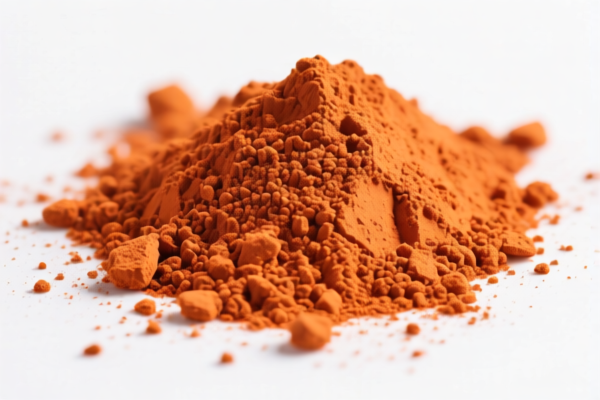
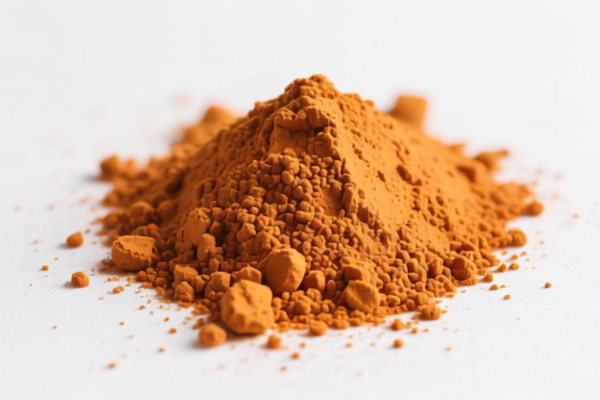
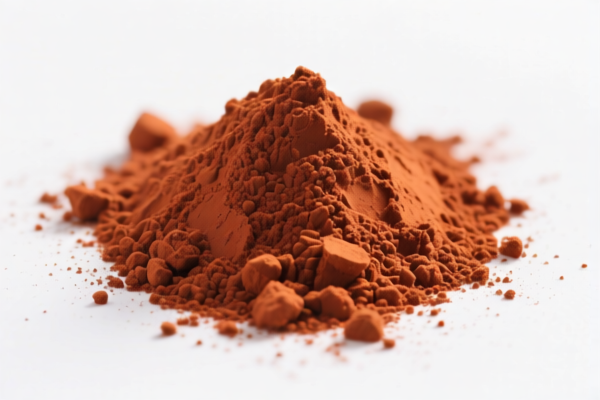
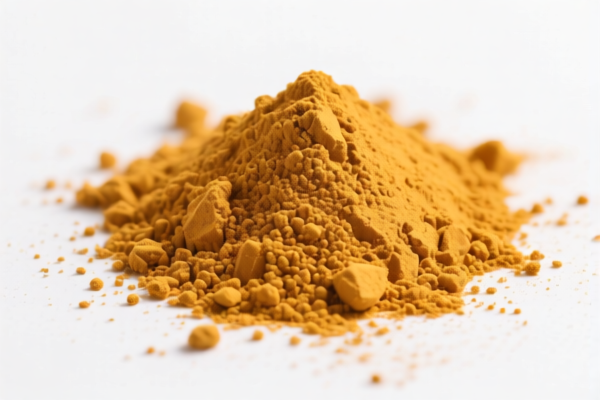
AI分析
🏭 Binder Powder for Casting (Polymers)
🌐 HS Code Reference & Customs Clearance Guide | 2026 Latest Tariff Analysis | Professional Clearance Strategy
📌 I. Product Definition & Classification: What is "Binder Powder for Casting"?
Binder powders for casting are specialized polymeric materials used primarily in the manufacturing of molds and cores, particularly in the foundry industry. These materials bind sand or other particulate matter together when heated or cured, ensuring the structural integrity of the mold during the metal pouring process.
In international trade, these products are often classified not by their end-use (casting), but by their chemical composition (the type of polymer) and physical form (primary shape, such as powder, granules, or flakes). The key distinction lies in identifying the specific polymer base:
- Styrene-based polymers: Often used for their thermal stability and binding strength.
- Ethylene-based polymers: Including homopolymers and copolymers, valued for their flexibility and adhesion properties.
- General Polymer Mixtures: If the specific polymer type is not distinguished, it may fall under broader "other polymer" categories.
⚠️ Critical Distinction:
- If the product is explicitly identified as Styrene Polymer → Look to Heading 3903.
- If the product is identified as Ethylene Polymer (Homopolymer or Copolymer) → Look to Heading 3901.
- If the product is a generic Polymer Adhesive/Binder not specifically styled as a primary shape polymer or if inferred as an adhesive preparation → Look to Heading 3506.
📦 II. HS Code Classification Details (2026 Latest Tariff Authority Cross-Reference)
Based on the provided data, here are the 5 potential HS Codes for "Binder Powder for Casting," categorized by polymer type:
| HS Code | Product Description | Polymer Type | Physical Form | Application Note |
|---|---|---|---|---|
3903.90.10.00 |
Binder for Casting | Styrene Polymer | Primary Shape (Powder) | Specific styrene-based binder |
3506.91.50.00 |
Binder for Casting | Other Polymer | Adhesive Prep | General polymer adhesive; inferred category |
3901.90.90.00 |
Binder for Casting | Ethylene Polymer | Primary Shape (Powder) | Ethylene homopolymer |
3901.90.55.01 |
Binder for Casting | Ethylene Copolymer | Primary Shape (Powder) | Ethylene copolymer blend |
3903.90.50.00 |
Binder for Casting | Styrene Polymer | Primary Shape (Powder) | Alternative styrene classification |
🔍 Key Reminder:
- The HS Code depends strictly on the chemical composition declared on the commercial invoice and bill of lading.
- "Casting Binder" is a functional description, but customs classification relies on the material (HS Chapter 39 or 35).
- Misclassification risk: Declaring as a generic "adhesive" (3506) when it is actually a raw polymer (3901/3903) can lead to significant tax discrepancies or customs audits.
💰 III. 2026 Latest Tariff Rate Breakdown (Including Surtaxes & Policy Add-ons)
✅ Applicable Country: USA (US)
✅ Country of Origin: China (CN)
✅ Effective Date: Rates apply to imports from China subject to Section 301 and IEEPA provisions.
🎯 1. 3903.90.10.00 & 3903.90.50.00 – Styrene Polymer Binders
| Item | Content |
|---|---|
| Base Duty Rate | 6.5% (ad valorem) |
| Section 301 Surtax | +25.0% (Additional duty under USITC Footnote 9903.88.01) |
| IEEPA Surtax | +10.0% (Section 1223 of the Trade Act / IEEPA related to China) |
| Total Effective Tax Rate | 41.5% |
| Tax Calculation | CIF Value × 41.5% |
| De Minimis Exemption | ❌ Not Applicable (High-value industrial goods) |
| Legal Authority Path | HTSUS 3903.90 → USITC Footnote 301 → IEEPA China Surtax |
📌 Explanation:
- 6.5% is the standard MFN base duty for styrene polymers.
- 25% is the Trump-era/Biden-administration Section 301 tariff on specific Chinese polymer imports.
- 10% is an additional surcharge applied to Chinese-origin goods under recent trade enforcement provisions.
- Total 41.5% is a high tariff rate, significantly impacting cost competitiveness.
🎯 2. 3901.90.90.00 & 3901.90.55.01 – Ethylene Polymer Binders
| Item | Content |
|---|---|
| Base Duty Rate | 6.5% (ad valorem) |
| Section 301 Surtax | +25.0% |
| IEEPA Surtax | +10.0% |
| Total Effective Tax Rate | 41.5% |
| Tax Calculation | CIF Value × 41.5% |
| De Minimis Exemption | ❌ Not Applicable |
| Legal Authority Path | HTSUS 3901.90 → USITC Footnote 301 → IEEPA China Surtax |
📌 Note:
- Whether it is an ethylene homopolymer (3901.90.90.00) or copolymer (3901.90.55.01), the base duty and surtax structure remain identical.
- Both categories are subject to the same 41.5% total tax burden.
🎯 3. 3506.91.50.00 – Other Polymer Adhesives (General Category)
| Item | Content |
|---|---|
| Base Duty Rate | 2.1% (ad valorem) |
| Section 301 Surtax | +25.0% |
| IEEPA Surtax | +10.0% |
| Total Effective Tax Rate | 37.1% |
| Tax Calculation | CIF Value × 37.1% |
| De Minimis Exemption | ❌ Not Applicable |
| Legal Authority Path | HTSUS 3506.91 → USITC Footnote 301 → IEEPA China Surtax |
📌 Caution:
- This category has a lower base duty (2.1%) compared to polymer headings (6.5%).
- However, using this code requires justification that the product is an "adhesive preparation" and not a raw polymer.
- Total 37.1% is still high, but 4.4% lower than the polymer-based classifications.
- Risk: Customs may challenge this classification if the product is clearly a primary shape polymer rather than a finished adhesive mix.
🛠️ IV. Customs Clearance Practical Advice (Pitfall Avoidance Guide)
✅ 1. Documentation Checklist (Essential)
| Document | Must Provide | Purpose |
|---|---|---|
| Technical Data Sheet (TDS) | ✔️ | Must explicitly state polymer type (Styrene vs. Ethylene) and chemical composition. |
| Commercial Invoice | ✔️ | Must describe item as "Polymer Binder for Casting" and specify polymer base. |
| Bill of Lading | ✔️ | Consistent description with invoice; avoid vague terms like "Chemical Powder". |
| Certificate of Origin | ✔️ | Critical for verifying Chinese origin (triggers 35% surtaxes). |
| MSDS (Safety Data Sheet) | ✔️ | Helps customs verify chemical nature; cross-check with TDS. |
| Product Photos | ✔️ | Show packaging, labeling, and physical form (powder/granules). |
✅ 2. Classification Strategy (Key Mantra)
🔥 "Polymer Identity is King, Base Duty Sets the Stage, Surtaxes are the Enemy!"
| Scenario | Correct HS Code | Total Tax | Why? |
|---|---|---|---|
| Styrene-based Binder | 3903.90.10.00 or 3903.90.50.00 |
41.5% | Primary shape styrene polymer. |
| Ethylene-based Binder | 3901.90.90.00 or 3901.90.55.01 |
41.5% | Primary shape ethylene polymer. |
| Generic Adhesive Mix | 3506.91.50.00 |
37.1% | Only if it’s a formulated adhesive, not raw polymer. |
📌 Critical Insight:
- Do NOT use3506.91.50.00unless you have strong technical evidence that the product is a finished adhesive preparation rather than a raw polymer resin.
- Misclassifying a polymer as an adhesive can lead to penalties, back taxes, and audits.
- Recommendation: If technically possible, ensure the product is marketed and labeled as a specific polymer (Styrene/Ethylene) to avoid ambiguity.
✅ 3. Special Circumstances Handling
| Scenario | Handling Advice |
|---|---|
| Mix of Polymers | If the binder is a blend of styrene and ethylene, consult a customs broker. Likely classifies under the principal polymer or the more specific heading. |
| Additives Present | If small amounts of fillers or stabilizers are added, it may still be classified under Chapter 39 if the polymer content is predominant. |
| Pre-Cutting/Pre-forming | If the powder is pre-mixed with sand (mold material), it may change classification to mold-making equipment/materials (e.g., Chapter 73 or 38). |
| Origin Diversification | If produced in Vietnam, Thailand, or Mexico, Section 301 and IEEPA surtaxes do not apply. Tax could drop to 6.5% or 2.1% depending on HS code. |
🌍 V. Global Market Comparison (2026 Latest)
| Country/Region | Recommended HS Code | Base Duty | Surtaxes (if CN Origin) | Total Tax | Notes |
|---|---|---|---|---|---|
| 🇺🇸 USA | 3903.90 / 3901.90 |
6.5% | +35% (301+IEEPA) | 41.5% | High barrier; consider origin strategy. |
| 🇪🇺 EU | 3903/3901 | ~6.5% | None (WTO rates) | ~6.5% | No Section 301 equivalent. |
| 🇨🇳 China | 3903/3901 | 6.5% | None (Imported) | 6.5% | Lower cost for domestic foundries. |
| 🇮🇳 India | 3903/3901 | Varies | Possible Anti-Dumping | Varies | Check for specific anti-dumping duties. |
| 🇲🇽 Mexico | 3903/3901 | 0-6.5% | None (USMCA benefits) | 0-6.5% | Potential zero duty under USMCA if originating. |
📌 Conclusion:
- USA is the highest-cost market due to叠加 surtaxes.
- EU and Mexico offer significantly lower tariff burdens.
- Supply Chain Strategy: Consider sourcing or final assembly in non-China countries to avoid the 35% surtax block.
📌 VI. Common Mistakes & Pitfalls (Lessons Learned)
❌ Mistake 1: Declaring "Binder Powder" without specifying polymer type.
👉 Consequence: Customs flags for missing technical details → Delayed clearance or forced classification at highest duty.
❌ Mistake 2: Using 3506.91.50.00 for raw polymer powder.
👉 Consequence: Customs reclassifies to 3903 or 3901 → Back taxes + penalties for underpayment.
❌ Mistake 3: Ignoring IEEPA Surtax in cost calculation.
👉 Consequence: Profit margin erosion; budget shortfalls by 10% on CIF value.
❌ Mistake 4: Failing to provide Technical Data Sheet (TDS).
👉 Consequence: Inability to verify polymer type → Customs assumes highest risk classification.
✅ Correct Practice:
"Polymer Binder for Casting, 99% Styrene Polymer, Primary Shape Powder, Model XYZ, No Hazardous Additives, TDS Attached."
🎯 VII. Conclusion: Precision in Classification Saves Money!
🎯 Remember the Mantra:
🔹 "Polymer Type Dictates HS, Surtaxes Add 35%, Base Duty Starts at 2-6%, Don't Guess, Verify!"
🔹 "HS Code is the Key, Tax Rate is the Lock, Clearance is the Reward!"
📌 Pro Tip:
If your binder powder is originating from Vietnam, Thailand, Mexico, or other non-China sources, you can avoid the 35% surtaxes entirely. This alone can save you ~29-33% in total tax.
Recommendation: Consider origin shifting or substantial transformation strategies if shipping to the USA.
📣 Immediate Action:
📞 Engage a licensed customs broker + Provide TDS + Apply for Advance Ruling if volume is high.
🚀 Ensure your commercial invoice explicitly states the polymer type (Styrene/Ethylene) to prevent misclassification.
✨ Professional Clearance Starts with Precise Classification!
💼 Every percentage point of tax saved is pure profit!
用户评价
关于 HS 编码归类
协调制度(HS)是由世界海关组织(WCO)制定的国际贸易商品分类标准。全球 200 多个国家采用 HS 系统作为海关关税、贸易统计和进出口监管的基础。
每个 HS 编码遵循以下层级结构:
- 章(2 位)——商品大类(例如:第 84 章:机器和机械设备)
- 品目(4 位)——章内的更具体分类
- 子目(6 位)——国际通用细分,所有 WCO 成员国统一使用
- 本国细分(8-10 位)——各国自行扩展的细分编码,如美国 HTSUS 10 位编码
正确的 HS 编码归类对于顺利通关、准确缴纳关税和遵守贸易法规至关重要。错误归类可能导致海关延误、多缴关税或罚款。
从CN进口到US时,适用的关税税率可能包括:
- 最惠国(MFN)税率——适用于 WTO 成员国的标准关税税率
- 普通税率——适用于无贸易协定国家
- 贸易救济关税——附加关税,如 301 条款(反倾销)、232 条款(国家安全)或反补贴税
本页内容仅供参考。如需正式归类,请咨询当地海关或持牌报关代理。