Bird Cloth Sticker
CN → US| HS编码 | 关税税率 | 原产国 | 目的国 | 文档 |
|---|---|---|---|---|
| 5903102090 | 35.0% | CN | US | 官方文档 |
| 6307903020 | 25.4% | CN | US | 官方文档 |
| 6307903010 | 25.4% | CN | US | 官方文档 |
商品图片
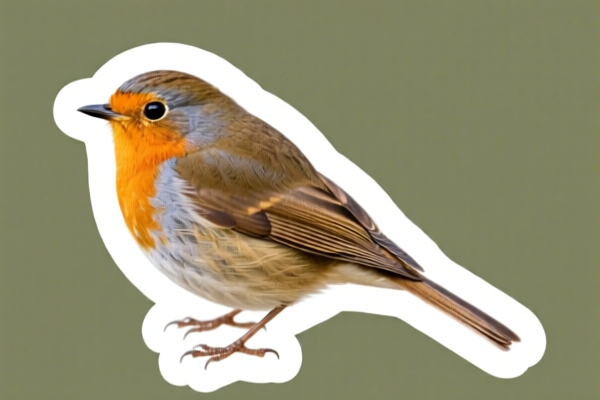
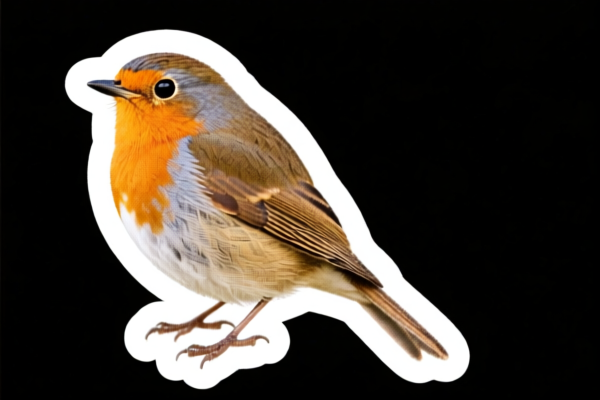
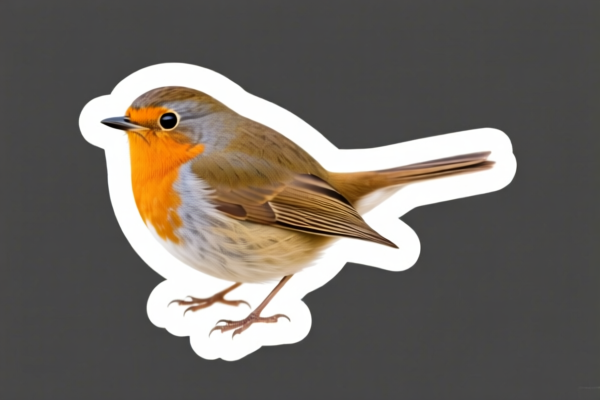
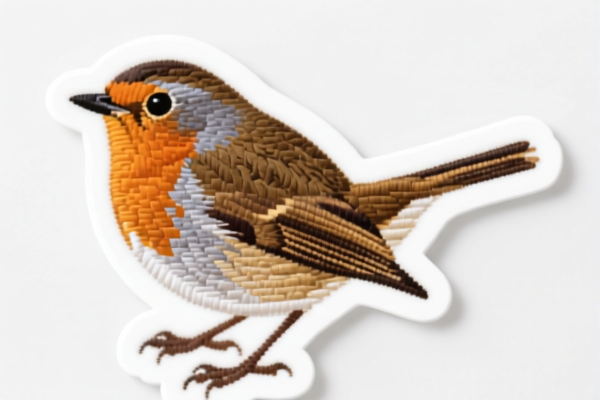
AI分析
🧵 Bird Cloth Sticker (Textile Appliqués & Patches)
🌐 HS Code Reference & Customs Clearance Guide | 2026 Latest Tariff Analysis | Professional Clearance Strategy
📌 I. Product Definition: What Exactly is a "Bird Cloth Sticker"?
In the context of international trade, a "Bird Cloth Sticker" is not a standalone commodity but a decorative textile accessory. It is typically a printed, embroidered, or heat-transfer design (often depicting birds) cut from fabric and applied to garments, bags, or home textiles.
From a customs perspective, its classification hinges on two critical factors: 1. Material: Is it a raw fabric impregnated with plastic, or a finished textile product? 2. Form: Is it an unfinished component (fabric with coating) or a finished "made-up" item (patch/sticker)?
⚠️ Key Distinction:
- If it is a fabric sheet coated with plastic/adhesive intended for further processing → Chapter 59 (Impregnated Textiles).
- If it is a finished shape (cut, edged, or backed) ready for application → Chapter 63 (Made-up Textile Articles).
📦 II. HS Code Classification Details (2026 Latest Tariff Authority Comparison)
Based on the provided data, here are the three valid classifications for "Bird Cloth Sticker," differentiated by their physical form and manufacturing stage.
| HS Code | Product Description | Key Characteristics | Application Scenario |
|---|---|---|---|
5903.10.20.90 |
Impregnated/Coated Textile Fabric | Raw fabric base; coated/impregnated with plastics; not yet cut into final decorative shapes. | Bulk rolls of printed fabric with plastic backing, before cutting into stickers. |
6307.90.30.20 |
Other Made-up Textile Articles (Labels/Stickers) | Finished goods; inferred as textile material; classified under "Other labels/stickers." | Generic cloth stickers, labels, or decorative patches without specific fiber specification. |
6307.90.30.10 |
Cotton Made-up Textile Articles | Finished goods (cloth patches); material inferred as cotton or textile fiber; "Made-up" status. | Specific cotton-based patches or appliqués, often used in apparel decoration. |
🔍 Critical Note:
-5903.10.20.90is for the material (fabric + plastic coating).
-6307.90.30.20/10are for the finished product (the actual sticker/patch).
- Misclassification Risk: Declaring a finished patch as "fabric" (5903) may trigger scrutiny for unfinished goods, while declaring raw fabric as a "sticker" (6307) may be rejected for lack of "made-up" form.
💰 III. 2026 Latest Tariff Rate Breakdown (Including Surcharges & Policy Add-ons)
✅ Applicable Country: USA (US)
✅ Origin: China (CN)
✅ Effective Date: Current trade restrictions apply (Section 301 & IEEPA).
🎯 1. 5903.10.20.90 —— Impregnated/Coated Textile Fabric (Raw/Unfinished)
| Item | Detail |
|---|---|
| Base Tariff | 0.0% |
| Section 301 Surcharge | +25.0% (USITC Footnote) |
| Section 122 Tariff | +10.0% (Specific China-specific add-on) |
| Total Effective Rate | 35.0% |
| Tax Calculation | CIF Value × 35% |
| De Minimis Eligibility | ❌ No (High risk of denial due to Section 122) |
| Legal Basis Path | USITC:5903.10.20.90 → Section 301: 25% → Section 122: 10% |
📌 Explanation:
- This code attracts the highest base surcharge (0% base, but +25% + 10% add-ons).
- The Section 122 Tariff is a specific penalty often applied to certain Chinese textile/fabric inputs.
- Total 35% is significant. Ensure your goods are clearly "unfinished fabric" if using this code.
🎯 2. 6307.90.30.20 —— Other Made-up Textile Articles (Labels/Stickers)
| Item | Detail |
|---|---|
| Base Tariff | 7.9% |
| Section 301 Surcharge | +7.5% |
| Section 122 Tariff | +10.0% |
| Total Effective Rate | 25.4% |
| Tax Calculation | CIF Value × 25.4% |
| De Minimis Eligibility | ❌ No (Section 122 applies) |
| Legal Basis Path | USITC:6307.90.30.20 → Section 301: 7.5% → Section 122: 10% |
📌 Explanation:
- Lower Section 301 surcharge (7.5% vs 25%) makes this more cost-effective than5903.
- However, the Base Tariff is higher (7.9% vs 0%).
- Net Result: 25.4% total, which is 9.6% cheaper than the5903classification.
- Suitable for generic textile stickers where material fiber (cotton/synthetic) is not strictly defined.
🎯 3. 6307.90.30.10 —— Cotton Made-up Textile Articles (Specific Material)
| Item | Detail |
|---|---|
| Base Tariff | 7.9% |
| Section 301 Surcharge | +7.5% |
| Section 122 Tariff | +10.0% |
| Total Effective Rate | 25.4% |
| Tax Calculation | CIF Value × 25.4% |
| De Minimis Eligibility | ❌ No (Section 122 applies) |
| Legal Basis Path | USITC:6307.90.30.10 → Section 301: 7.5% → Section 122: 10% |
📌 Explanation:
- Identical Tax Rate to6307.90.30.20(25.4%).
- Use this code only if the material is definitively cotton or inferred as cotton.
- Customs may require fiber content declarations and possibly third-party testing to verify "Cotton" vs. "Polyester/Cotton Blend."
🛠️ IV. Customs Clearance Practical Advice (Operational Pitfall Guide)
✅ 1. Documentation Checklist (Non-Negotiable)
| Document | Required | Purpose |
|---|---|---|
| ✅ Product Photos | ✔️ | Show the finished shape (patch/sticker) vs. raw fabric. Crucial for distinguishing Ch. 59 vs. Ch. 63. |
| ✅ Composition Label | ✔️ | If using 6307.90.30.10, prove Cotton content. If generic, use 6307.90.30.20. |
| ✅ Commercial Invoice | ✔️ | Must describe as "Cloth Sticker," "Textile Appliqué," or "Decorative Patch" — NOT "Fabric Roll." |
| ✅ Packing List | ✔️ | Weight and quantity verification. |
| ✅ Customs Declaration | ✔️ | Accurate HS Code selection based on finished state. |
⚠️ Warning: If you declare as
5903.10.20.90(Fabric) but send finished cut stickers, Customs will reclassify and impose penalties + higher taxes.
✅ 2. Declaration Strategy (Key Tips)
🔥 "Finished Goods, Chapter 63; Raw Fabric, Chapter 59."
| Scenario | Recommended HS Code | Reason |
|---|---|---|
| Cut & Shaped Stickers (Finished) | 6307.90.30.20 or 6307.90.30.10 |
Lower Section 301 surcharge (7.5% vs 25%). Tax Advantage! |
| Bulk Rolls of Coated Fabric | 5903.10.20.90 |
Only if not yet cut into final shapes. |
| Cotton Patches | 6307.90.30.10 |
Must verify cotton content. Same tax as generic sticker. |
| Mixed Fiber Patches | 6307.90.30.20 |
Safe bet if fiber content is unclear or mixed. |
✅ 3. Special Considerations
| Issue | Action |
|---|---|
| Section 122 Tariff (+10%) | Applies to all these codes. No exemption for de minimis. Factor this into your profit margin. |
| Material Inference | For 6307.90.30.10, ensure the product is clearly cotton. If it’s polyester, use 6307.90.30.20 to avoid misdeclaration. |
| "Sticker" vs. "Patch" | In Customs terms, "sticker" often implies adhesive backing. If it has adhesive, it may still fall under 6307 (made-up textile), but verify with broker. |
| Origin Marking | Ensure products are marked "Made in China" to comply with Section 122 tracking. |
🌍 V. Global Market Clearance Comparison (2026)
| Region | Recommended HS Code | Total Tax (China Origin) | Notes |
|---|---|---|---|
| 🇺🇸 USA | 6307.90.30.20 |
25.4% | Best balance of tax and compliance. Avoid 5903 (35%) unless it’s raw fabric. |
| 🇨🇳 China | 6307.90.30.20 |
~5-7% | Domestic sales benefit from lower internal taxes. |
| 🇪🇺 EU | 6307.90.99 |
~5-8% | No Section 301/122. Standard WTO rates apply. |
| 🇬🇧 UK | 6307.90.99 |
~5-8% | Post-Brexit rules align with EU for textiles. |
📌 Conclusion:
- USA Market: Prioritize6307.90.30.20for finished stickers to save 9.6% in taxes compared to5903.
- Avoid5903.10.20.90unless you are exporting raw fabric rolls.
- Section 122 Tariff is unavoidable for China-origin goods in this category.
📌 VI. Common Errors & Pitfalls (Lessons Learned)
❌ Error 1: Declaring finished patches as 5903 (Fabric)
👉 Consequence: Customs reclassifies to 6307, issues penalty + interest, and delays clearance.
👉 Why? 5903 requires "impregnated/covered fabric" in roll or uncut form.
❌ Error 2: Using 6307.90.30.10 for non-cotton stickers
👉 Consequence: Misdeclaration. If fiber is polyester, it may fall under a different subheading or trigger an audit.
👉 Fix: Use 6307.90.30.20 if material is mixed or synthetic.
❌ Error 3: Ignoring Section 122 Tariff in cost calculation
👉 Consequence: Underquoting. The +10% is often forgotten, leading to unexpected costs.
👉 Fix: Always include 25.4% or 35% in your landed cost model.
❌ Error 4: Using "Sticker" without specifying Material
👉 Consequence: Customs ambiguity.
👉 Fix: Explicitly state "Cotton Cloth Sticker" or "Textile Appliqué, Other Material."
✅ Correct Declaration Example:
"Textile Cloth Sticker, Cotton, Decorative Appliqué for Apparel, Finished Form, Origin: China"
🎯 VII. Conclusion: Smart Classification, Lower Taxes!
🎯 Remember the Golden Rule:
🔹 "Finished Sticker → Chapter 63 (25.4%) | Raw Fabric → Chapter 59 (35%)"
🔹 "Save 9.6% by choosing6307.90.30.20for general textile stickers!"
🔹 "Section 122 (+10%) is mandatory for all China-origin textile goods in the US."
📌 Pro Tip:
If your Bird Cloth Sticker is high-value or large-volume, consider applying for an Advance Ruling from US Customs to confirm the 6307 classification and avoid post-clearance audits.
📣 Action Required:
📞 Consult your customs broker to verify fiber content.
📝 Declare accurately as "Textile Appliqué" or "Cloth Sticker."
💰 Budget for 25.4% total tax for finished goods in the US.
✨ Precision in Classification, Profit in Clearance!
💼 Every percentage point saved is pure profit!
用户评价
关于 HS 编码归类
协调制度(HS)是由世界海关组织(WCO)制定的国际贸易商品分类标准。全球 200 多个国家采用 HS 系统作为海关关税、贸易统计和进出口监管的基础。
每个 HS 编码遵循以下层级结构:
- 章(2 位)——商品大类(例如:第 84 章:机器和机械设备)
- 品目(4 位)——章内的更具体分类
- 子目(6 位)——国际通用细分,所有 WCO 成员国统一使用
- 本国细分(8-10 位)——各国自行扩展的细分编码,如美国 HTSUS 10 位编码
正确的 HS 编码归类对于顺利通关、准确缴纳关税和遵守贸易法规至关重要。错误归类可能导致海关延误、多缴关税或罚款。
从CN进口到US时,适用的关税税率可能包括:
- 最惠国(MFN)税率——适用于 WTO 成员国的标准关税税率
- 普通税率——适用于无贸易协定国家
- 贸易救济关税——附加关税,如 301 条款(反倾销)、232 条款(国家安全)或反补贴税
本页内容仅供参考。如需正式归类,请咨询当地海关或持牌报关代理。