Bituminous materials for waterproofing or damp proofing
CN → US商品图片
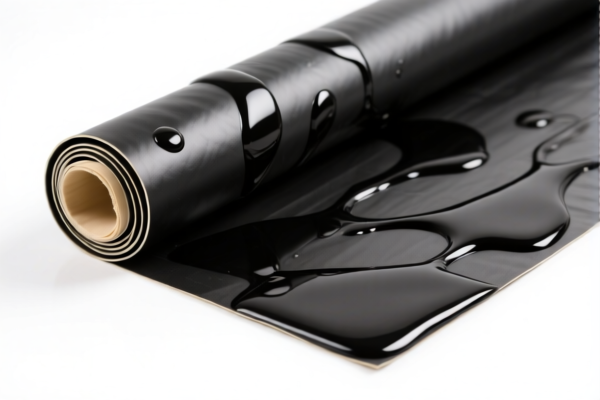
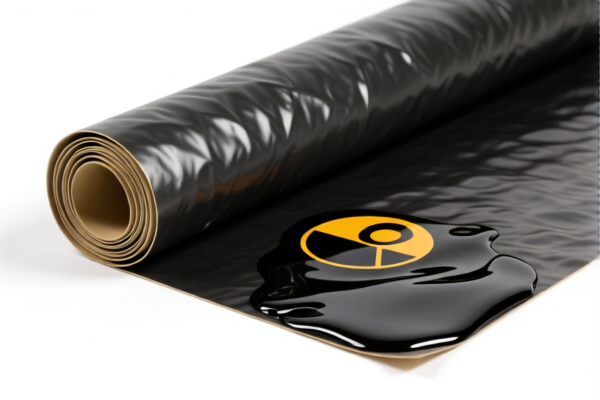


AI分析
💧 Bituminous Materials for Waterproofing or Damp Proofing (The Asphalt & Tar Alliance)
🌐 HS Code Reference & Customs Clearance Guide | 2026 Latest Tariff Analysis | Professional-Level Logistics Strategy
📌 I. Product Definition & Classification: What Exactly Are "Bituminous Materials"?
Bituminous materials are complex mixtures of organic substances derived from the distillation of petroleum, coal tar, or natural asphalt. In international trade, they are not a single product but a category of raw materials and semi-finished goods used primarily for waterproofing roofs, foundations, roads, and tunnels.
In the Harmonized System (HS), these materials are primarily classified under Chapter 27 (Mineral Fuels, Oils, and Distillation Products), specifically Heading 2714.
Key Distinctions: * Natural Bitumen/Asphalt: Mined or extracted directly (e.g., Lake Asphalt, Rock Asphalt). * Petroleum Bitumen: Residue from oil refining (e.g., Bitumen 60/70, 80/100). * Coal Tar Pitch: A byproduct of coal carbonization, often used for specialized waterproofing. * Prepared Waterproofing Mixes: Mixtures where bitumen is mixed with aggregates, fillers, or polymers to create ready-to-use membranes or mastics.
⚠️ Critical Classification Point:
- If the product is pure bitumen (liquid or solid, without significant additives) → HS 2714
- If the product is a prepared mixture (e.g., bitumen + polymer + aggregate for immediate road waterproofing) → Might fall under HS 3824 (Prepared binders for foundry molds) or HS 3921/3920 (Plastics/Plates, if polymer-based waterproofing membranes are dominant).
- However, for standard commercial "Bituminous Materials" listed in the prompt, HS 2714 is the primary category.
📦 II. HS Code Classification Details (2026 Latest Tariff Authority Comparison)
| HS Code | Product Description | Application Scenario | Key Characteristics |
|---|---|---|---|
2714.10.00 |
Natural bitumen and natural asphalt | Lake asphalt mining, natural rock asphalt | Unrefined, extracted from nature |
2714.20.00 |
Petroleum bitumen (including petroleum jelly and slurry) | Construction waterproofing, road paving | Residue from crude oil distillation |
2714.90.10 |
Coal tar pitch and other pitch, including pitch coke | Industrial waterproofing, binder for electrodes | High carbon content, from coal processing |
2714.90.90 |
Other bituminous materials | Mixed residues, synthetic bitumen | Includes synthetic bitumen from coal tar or other sources |
🔍 Key Reminder:
- Petroleum Bitumen (2714.20.00) is the most common form used in global construction waterproofing.
- Coal Tar Pitch (2714.90.10) has stricter environmental regulations in some regions due to PAH (Polycyclic Aromatic Hydrocarbon) content.
- Do NOT confuse with "Waterproofing Membranes" (which are often classified as plastics or rubber under Chapter 39 or 40) if they are pre-formed sheets. This guide focuses on materials (liquids, pastes, solids) as implied by "Bituminous Materials."
💰 III. 2026 Latest Tariff Rate Breakdown (Including Surtaxes, Policy Add-ons)
✅ Applicable Country: United States (US)
✅ Origin: China (CN)
✅ Effective Date: From November 10, 2025 (including subsequent imports)
🎯 1. 2714.20.00.00 —— Petroleum Bitumen
| Item | Content |
|---|---|
| Base Tariff Rate | 2.5% (ad valorem) |
| USITC Surtax (Section 301) | +25% |
| IEEPA Surtax | +10% (for China/HK products, from Nov 10, 2025) |
| Total Tariff Rate | 37.5% |
| Tax Calculation | CIF Value × 37.5% |
| De Minimis Exemption Eligible | ❌ No (deny_de_minimis) |
| Legal Authority Path | IEEPA:9903.01.25 → IEEPA:9903.01.24 → USITC:2714.20.00.00 → FOOTNOTE:9903.88.01 |
📌 Explanation:
- Bitumen is considered a raw industrial material but is still subject to Section 301 tariffs due to its strategic importance in infrastructure.
- The IEEPA 10% surtax applies specifically to products originating from China.
- Total 37.5% is a significant cost driver for importers.
🎯 2. 2714.10.00.00 —— Natural Bitumen
| Item | Content |
|---|---|
| Base Tariff Rate | 2.5% |
| USITC Surtax (Section 301) | +25% |
| IEEPA Surtax | +10% |
| Total Tariff Rate | 37.5% |
| Tax Calculation | CIF Value × 37.5% |
| De Minimis Exemption Eligible | ❌ No |
| Legal Authority Path | IEEPA:9903.01.25 → IEEPA:9903.01.24 → USITC:2714.10.00.00 → FOOTNOTE:9903.88.01 |
📌 Note:
- Same tariff structure as petroleum bitumen.
- Natural bitumen is less common in large-scale commercial imports but follows the same punitive tariff path for Chinese-origin goods.
🎯 3. 2714.90.10.00 —— Coal Tar Pitch
| Item | Content |
|---|---|
| Base Tariff Rate | 2.5% |
| USITC Surtax (Section 301) | +25% |
| IEEPA Surtax | +10% |
| Total Tariff Rate | 37.5% |
| Tax Calculation | CIF Value × 37.5% |
| De Minimis Exemption Eligible | ❌ No |
| Legal Authority Path | IEEPA:9903.01.25 → IEEPA:9903.01.24 → USITC:2714.90.10.00 → FOOTNOTE:9903.88.01 |
📌 Caution:
- Coal tar pitch may also be subject to environmental compliance checks (EPA regulations) due to potential carcinogens.
- Ensure Safety Data Sheets (SDS) clearly state PAH content if applicable.
🛠️ IV. Customs Clearance Practical Advice (Battle-Tested Pitfall Avoidance)
✅ 1. Required Documentation Checklist (All Required)
| Document | Must Provide | Explanation |
|---|---|---|
| ✅ Safety Data Sheet (SDS) | ✔️ | Critical for hazardous materials classification. Must include flash point, viscosity, PAH content. |
| ✅ Certificate of Origin (CO) | ✔️ | To determine eligibility for any FTA (though unlikely for China-US under current tariffs). |
| ✅ Commercial Invoice | ✔️ | Must clearly state "Bitumen for Waterproofing," specify type (Petroleum/Natural/Coal Tar), and HS Code. |
| ✅ Product Specification Sheet | ✔️ | Include penetration degree, softening point, viscosity, and temperature range. |
| ✅ MSDS/SDS for Transportation | ✔️ | For shipping class determination (usually Class 3 Flammable Liquid if heated, or Class 9 if solid). |
| ✅ Bill of Lading | ✔️ | Ensure proper cargo description matches invoice. |
✅ 2. Declaration Tips (Key Mnemonic)
🔥 "Specify the Source, State the Viscosity, Avoid General Terms!"
| Scenario | Correct Declaration | Wrong Practice |
|---|---|---|
| Liquid Bitumen | "Petroleum Bitumen, 60/70 Penetration, for Waterproofing, HS 2714.20.00" | "Asphalt" or "Tar" (Too vague) |
| Solid Bitumen | "Solid Petroleum Bitumen, Slurry, for Road/Waterproofing, HS 2714.20.00" | "Construction Material" |
| Coal Tar Pitch | "Coal Tar Pitch, High Carbon, for Waterproofing, HS 2714.90.10" | "Chemical Adhesive" |
| Prepared Waterproofing Mix | If it contains >15% bitumen + fillers → Check HS 3824 or 3921 | Assuming it's always 2714 |
✅ 3. Special Cases Handling
| Scenario | Handling Advice |
|---|---|
| Heated Bitumen | Must be shipped in insulated tankers. Declare as "Hot Bitumen" with temperature range. |
| Emulsified Bitumen | Classified under HS 3403 (Prepared lubricants/emulsions) or HS 2714 depending on composition. Check SDS. |
| Bitumen Membranes (Sh) | If pre-formed sheets, classify under HS 3921 (Plastics) or HS 4009 (Rubber) – NOT 2714. |
| Small Samples (< $800) | ❌ No De Minimis Exemption for China-origin bitumen. Tariffs still apply. |
🌍 V. Global Market Customs Clearance Comparison (2026 Latest)
| Country/Region | Recommended HS Code | Tariff Rate (China Origin) | Certification Requirements | Notes |
|---|---|---|---|---|
| 🇺🇸 United States | 2714.20.00.00 |
37.5% | SDS, EPA Compliance | High tariffs; strict hazmat rules |
| 🇨🇳 China | 2714.20.00.00 |
2.5% | GB Standards | No additional surtaxes |
| 🇪🇺 European Union | 2714.20.00.00 |
2.5% | REACH, CLP Labeling | Strict PAH limits in coal tar |
| 🇦🇺 Australia | 2714.20.00.00 |
5.0% | ADR Transport | No surtaxes |
| 🇯🇵 Japan | 2714.20.00.00 |
3.5% | JIS Standards | No surtaxes |
📌 Conclusion:
- The US market is the most expensive for importing bituminous materials from China due to the 37.5% combined tariff.
- Other major markets (EU, Japan, Australia) impose standard MFN rates (2.5%–5%), making them more cost-effective for non-China sources.
- Diversify sourcing: Consider sourcing bitumen from Middle East, Russia, or Southeast Asia to avoid US-China tariffs.
📌 VI. Common Errors & Pitfall Guide (Lessons Learned)
❌ Error 1: Declaring "Bitumen" without specifying type
👉 Consequence: Customs may classify under highest tariff or demand further inspection → Delay!
❌ Error 2: Confusing "Bitumen" with "Waterproofing Membrane"
👉 Consequence: If declared as 2714 but actual product is plastic sheet (3921), penalty for misclassification → Fines + Back Tariffs!
❌ Error 3: Ignoring SDS for Hazmat Classification
👉 Consequence: Shipment held by EPA or DOT for improper packaging → Return or Destroy!
❌ Error 4: Assuming De Minimis applies for small shipments
👉 Consequence: Even for $100 samples from China, 37.5% tax is charged → Unnecessary Cost!
✅ Correct Practice:
"Petroleum Bitumen, 60/70 Penetration, Hot Liquid, for Construction Waterproofing, HS 2714.20.00, Origin: China, SDS Attached, PAH < 1%"
🎯 VII. Conclusion: Smart Classification, Cost Savings, Efficient Clearance!
🎯 Remember the Mantra:
🔹 "Pure Bitumen = 2714, Membranes = 3921/4009, SDS is King!"
🔹 "China-US Bitumen = 37.5%, Think Before You Ship!"
📌 Pro Tip:
If your bitumen is emulsified (mixed with water), check HS 3403 (Prepared Lubricants) as it may have different tariff treatments or exemptions.
For pre-formed waterproofing rolls/membranes, ensure they are not declared as "Bitumen" but as Plastics (3921) or Rubber (4009) depending on the base material.
📣 Immediate Action:
📞 Consult a customs broker + Provide SDS + Verify HS Code Pre-Ruling
🚀 Avoid surprise tariffs, ensure compliance, and streamline your supply chain!
✨ Professional Customs Clearance Starts with Accurate Classification!
💼 Every cent of tariff cost is worth optimizing!
用户评价
关于 HS 编码归类
协调制度(HS)是由世界海关组织(WCO)制定的国际贸易商品分类标准。全球 200 多个国家采用 HS 系统作为海关关税、贸易统计和进出口监管的基础。
每个 HS 编码遵循以下层级结构:
- 章(2 位)——商品大类(例如:第 84 章:机器和机械设备)
- 品目(4 位)——章内的更具体分类
- 子目(6 位)——国际通用细分,所有 WCO 成员国统一使用
- 本国细分(8-10 位)——各国自行扩展的细分编码,如美国 HTSUS 10 位编码
正确的 HS 编码归类对于顺利通关、准确缴纳关税和遵守贸易法规至关重要。错误归类可能导致海关延误、多缴关税或罚款。
从CN进口到US时,适用的关税税率可能包括:
- 最惠国(MFN)税率——适用于 WTO 成员国的标准关税税率
- 普通税率——适用于无贸易协定国家
- 贸易救济关税——附加关税,如 301 条款(反倾销)、232 条款(国家安全)或反补贴税
本页内容仅供参考。如需正式归类,请咨询当地海关或持牌报关代理。