Black Tea Dust
CN → US商品图片
AI分析
🍵 Black Tea Dust (Broken Black Tea)
🌐 HS Code Reference & Customs Clearance Guide | 2026 Latest Tariff Analysis | Professional Export Strategy
📌 I. Product Definition & Classification: What Exactly is "Black Tea Dust"?
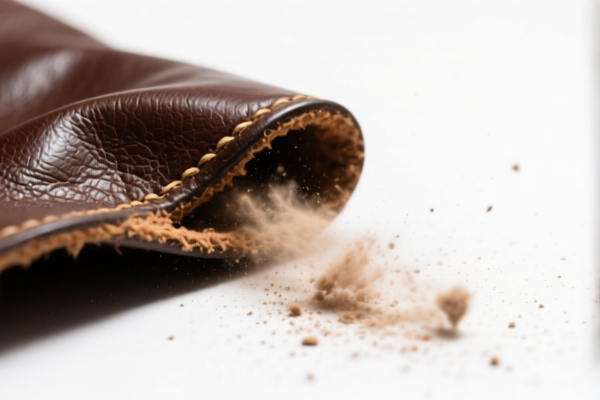
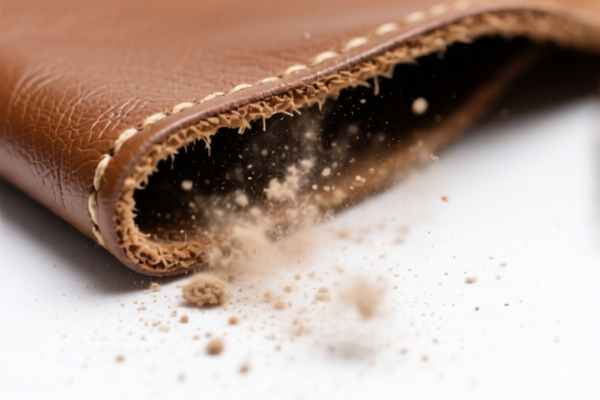
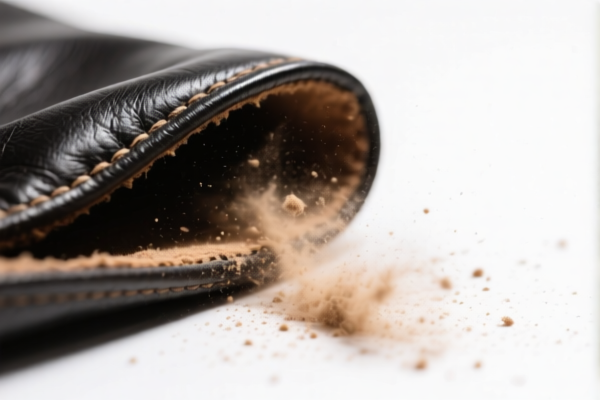
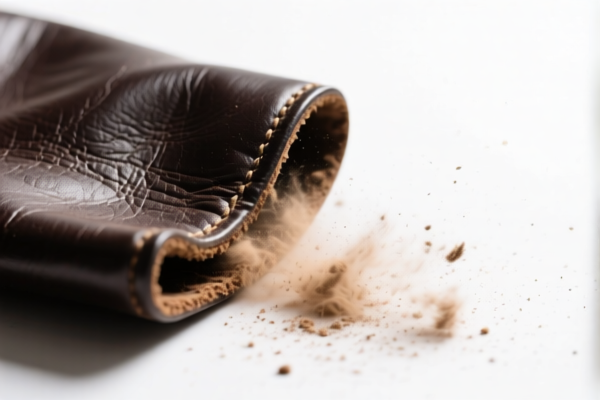
Black Tea Dust refers to the finest grade of broken black tea leaves, typically the smallest particles remaining after the orthodox tea processing (CTC - Crush, Tear, Curl) and sifting process. It is widely used for tea bags and instant tea concentrates due to its rapid infusion properties.
In international trade, it is distinct from: * Bulk Loose Leaf Tea: Larger particles, higher grade (e.g., OP, FBOP). * Green/White/Oolong Tea: Different processing methods (oxidation levels). * Tea Extracts: Processed into powder or liquid form (different HS codes).
⚠️ Key Distinction:
- If it is 100% pure black tea (Camellia sinensis) without additives → HS 0902.30.
- If it contains flavors, fragrances, or other substances → HS 0902.40.
- If it is a blend (e.g., tea + fruit pieces) → Still usually 0902.40 if tea is the main ingredient, but customs may scrutinize for "preparation" rules.
📦 II. HS Code Classification Details (2026 Latest Tariff Reference)
| HS Code | Product Description | Applicable Scenario | Additives? |
|---|---|---|---|
0902.30.00.00 |
Black tea, partly fermented, in tea bags | Bulk tea bags, dust/bronze grade, no additives | ❌ No |
0902.40.00.00 |
Black tea, partly fermented, flavored or with other substances | Flavored tea bags, mixed blends, scented tea | ✅ Yes |
0902.10.00.00 |
Green tea, not fermented, in tea bags | Not applicable to black tea | ❌ N/A |
1901.20.00.00 |
Malt extracts | Not applicable | ❌ N/A |
2106.90.90.90 |
Other food preparations | Not pure tea | ❌ No |
🔍 Critical Note:
- "Dust" is a grade, not a chemical composition. It still falls under 0902 if it is pure tea.
- Tea Bags vs. Loose Leaf: Both fall under 0902.30 if unflavored. The packaging type does not change the HS code at the 8-digit level in most jurisdictions.
- Flavoring Changes Everything: Even 1% added flavoring pushes it to 0902.40.
💰 III. 2026 Latest Tariff Rate Breakdown (Including Surcharges & Policies)
✅ Applicable Country: United States (US)
✅ Origin: China (CN)
✅ Effective Date: November 10, 2025 (including subsequent imports)
🎯 1. 0902.30.00.00 —— Black Tea Dust, Unflavored (Pure Tea)
| Item | Content |
|---|---|
| Base Tariff Rate | 0% (ad valorem) |
| USITC Surtax (Section 301) | +7.5% (Footnote 9903.88.01) |
| IEEPA Surtax | +10% (China/HK products, from Nov 10, 2025) |
| Total Tariff Rate | 17.5% |
| Tax Calculation | CIF Value × 17.5% |
| De Minimis Exemption | ❌ No (deny_de_minimis) |
| Legal Reference Path | IEEPA:9903.01.25 → USITC:0902.30.00.00 → FOOTNOTE:9903.88.01 |
📌 Explanation:
- Base rate for tea is generally low (0%), but Section 301 and IEEPA surcharges apply.
- 17.5% is manageable compared to electronics or steel, but must be factored into pricing.
🎯 2. 0902.40.00.00 —— Black Tea Dust, Flavored/Blended
| Item | Content |
|---|---|
| Base Tariff Rate | 0% (ad valorem) |
| USITC Surtax (Section 301) | +7.5% |
| IEEPA Surtax | +10% |
| Total Tariff Rate | 17.5% |
| Tax Calculation | CIF Value × 17.5% |
| De Minimis Exemption | ❌ No |
| Legal Reference Path | IEEPA:9903.01.25 → USITC:0902.40.00.00 → FOOTNOTE:9903.88.01 |
📌 Note:
- Same tariff rate as pure tea.
- Risk: Customs may challenge the classification if "flavoring" is not declared, leading to misclassification penalties.
🛠️ IV. Customs Clearance Practical Advice (Real-World Pitfall Avoidance)
✅ 1. Required Documentation Checklist
| Document | Mandatory | Description |
|---|---|---|
| ✅ Commercial Invoice | ✔️ | Must specify "Black Tea Dust," HS Code, and Country of Origin. |
| ✅ Packing List | ✔️ | Detail net weight, gross weight, and number of bags/cartons. |
| ✅ Phytosanitary Certificate | ✔️ | Required for all agricultural products from China. |
| ✅ FDA Prior Notice | ✔️ | Critical for food products entering the US. Must be filed before arrival. |
| ✅ Certificate of Analysis (COA) | ✔️ | Confirm no pesticide residues exceed US EPA limits. |
| ✅ Labeling Compliance | ✔️ | English labels with ingredients, net weight, manufacturer info. |
✅ 2. Declaration Tips (Key Mantras)
🔥 "Pure Tea is 0902.30, Flavor makes it .40, FDA Prior Notice is a must, Phytosanitary is key!"
| Scenario | Correct Declaration | Wrong Practice |
|---|---|---|
| Unflavored Dust | 0902.30.00.00 "Black Tea Dust, Unflavored" |
Declare as "Tea Bags" without specifying content |
| Flavored Dust | 0902.40.00.00 "Flavored Black Tea Dust" |
Declare as pure tea to avoid scrutiny → Penalty! |
| Tea Extract | 1901.20.00.00 or 2106.90.90.90 |
Declare as "Dust" → Classification Error |
| Sample for Testing | Still 0902.30.00.00 |
Declare as "Gift" → De Minimis Risk |
✅ 3. Special Case Handling
| Situation | Handling Advice |
|---|---|
| Tea Bags with String/Staple | Still 0902.30. Do not split declaration. |
| Mix with Fruit Pieces | If fruit >5% by weight, customs may view as "Preparation" (HS 2106), but usually still 0902.40 if tea is predominant. Declare clearly. |
| Organic Certification | Provide USDA Organic or EU Organic certificate for premium pricing, but does not change HS Code. |
| Small Parcel (De Minimis) | ❌ Not eligible. Tea is subject to agricultural restrictions and FDA rules. Even under $800, FDA Prior Notice is required. |
🌍 V. Global Market Clearance Comparison (2026 Latest)
| Country/Region | Recommended HS Code | Tariff (China Origin) | Certification Requirements | Notes |
|---|---|---|---|---|
| 🇺🇸 USA | 0902.30.00.00 |
17.5% | FDA Prior Notice + Phytosanitary | High scrutiny on pesticides. |
| 🇨🇳 China | 0902.30.00.00 |
0% (Import) / 13% (Export VAT) | CIQ Inspection | Domestic trade is duty-free. |
| 🇪🇺 EU | 0902.30 |
0% (General) | EU Pesticide Residue Limits (MRLs) | Strict on pesticide levels. |
| 🇯🇵 Japan | 0902.30 |
0% | Positive List System (Pesticides) | Extremely strict on residues. |
| 🇦🇪 UAE | 0902.30 |
5% | ESMA Conformity | Halal certification sometimes requested. |
📌 Conclusion:
- USA, EU, Japan, and UAE all have zero or low base tariffs for pure black tea.
- The main cost driver is US IEEPA + Section 301 surcharges (17.5%).
- Non-Tariff Barriers (FDA, Phytosanitary, Pesticide Limits) are the biggest challenges, not tariffs.
📌 VI. Common Mistakes & Pitfalls (Lessons Learned)
❌ Mistake 1: Failing to file FDA Prior Notice
👉 Consequence: Cargo held at port, potential refusal of entry, destruction.
✅ Fix: File Prior Notice 2-4 hours before arrival via FDA portal.
❌ Mistake 2: Declaring "Tea Bags" without specifying "Dust" or "Content"
👉 Consequence: Customs may classify as "Preparation" (higher duty) or reject for lack of detail.
✅ Fix: Specify "Black Tea Dust, Grade BOPF, Unflavored" in invoice.
❌ Mistake 3: Ignoring Pesticide Residue Limits
👉 Consequence: FDA sample testing fails, product recalled, company blacklisted.
✅ Fix: Provide recent COA from accredited lab (e.g., SGS, Intertek) showing compliance with EPA MRLs.
❌ Mistake 4: Using "Green Tea" HS Code for Black Tea
👉 Consequence: Misclassification, fines, delays.
✅ Fix: Black Tea = 0902.30/40; Green Tea = 0902.10/20.
🎯 VII. Conclusion: Professional Declaration, Smooth Clearance, Cost Efficiency!
🎯 Remember the Mantras:
🔹 "Pure Tea is 0902.30, Flavor makes it .40."
🔹 "FDA Prior Notice is non-negotiable for the US market."
🔹 "17.5% is the US tariff cost, but pesticide compliance is the real hurdle."
📌 Pro Tip:
If your Black Tea Dust is originating from India, Sri Lanka, or Kenya, you may avoid IEEPA surcharges if you can prove non-Chinese origin. However, Section 301 may still apply if processed in China.
Always verify Country of Origin rules carefully.
📣 Immediate Action:
📞 Contact FDA-registered agents for Prior Notice filing.
📊 Prepare COA for pesticide compliance.
📋 Ensure Phytosanitary Certificate is issued by Chinese Customs.
🚀 Ensure your Black Tea Dust clears customs smoothly, meets quality standards, and reaches your customers on time!
✨ Professional Customs Clearance Starts with Accurate Classification!
💼 Every detail matters in agricultural trade!
用户评价
关于 HS 编码归类
协调制度(HS)是由世界海关组织(WCO)制定的国际贸易商品分类标准。全球 200 多个国家采用 HS 系统作为海关关税、贸易统计和进出口监管的基础。
每个 HS 编码遵循以下层级结构:
- 章(2 位)——商品大类(例如:第 84 章:机器和机械设备)
- 品目(4 位)——章内的更具体分类
- 子目(6 位)——国际通用细分,所有 WCO 成员国统一使用
- 本国细分(8-10 位)——各国自行扩展的细分编码,如美国 HTSUS 10 位编码
正确的 HS 编码归类对于顺利通关、准确缴纳关税和遵守贸易法规至关重要。错误归类可能导致海关延误、多缴关税或罚款。
从CN进口到US时,适用的关税税率可能包括:
- 最惠国(MFN)税率——适用于 WTO 成员国的标准关税税率
- 普通税率——适用于无贸易协定国家
- 贸易救济关税——附加关税,如 301 条款(反倾销)、232 条款(国家安全)或反补贴税
本页内容仅供参考。如需正式归类,请咨询当地海关或持牌报关代理。